@TfL why passengers are not your priority? Cancelling train from Mill Hill East and the train before that closed the door on passenger and stayed on the platform for 30s refusing to reopen the door 😤
@TfL why passengers are not your priority? Cancelling train from Mill Hill East and the train before that closed the door on passenger and stayed on the platform for 30s refusing to reopen the door 😤
@TfL why passengers are not your priority? Cancelling train from Mill Hill East and the train before that closed the door on passenger and stayed on the platform for 30s refusing to reopen the door 😤
The Impact of Genetic Mutations may be Affected by the Gut Microbiome | "It was a huge surprise to find that changes in the gut microbiome reversed hypopituitarism..." said Dr Christophe Galichet. #microbiome https://t.co/2AGp9Mk7Aj
Un article discutant de la reproductibilité en science, des traitements thérapeutiques potentiels (aspirine ou microbiote intestinal) et du type cellulaire à l'origine d'une maladie génétique rare affectant les niveaux d'hormones (Sox3).
https://t.co/mHnwC8HPwf
Je n'aurais jamais pensé que déplacer des souris d'un institut à un autre aurait un impact énorme sur mes recherches (perte de phénotype). @TheCrick@EARA_FR
Gut Microbiome and Aspirin May Reverse Hormonal Issues
Researchers have discovered that mutations in the Sox3 gene lead to hypopituitarism, a condition where the pituitary gland produces insufficient hormones, causing growth issues and fertility problems.
The study found that the mutation affects NG2 glia cells in the brain’s hypothalamus, which are crucial for hormone regulation.
Treating mice with low doses of aspirin or altering their gut microbiome restored NG2 glia levels and reversed the symptoms of hypopituitarism.
The surprising role of the gut microbiome suggests that environmental factors can influence genetic conditions.
The findings offer potential for developing treatments targeting the gut microbiome or using aspirin to treat hormone deficiencies.
Future research will explore the precise mechanisms behind these effects and their application in humans.
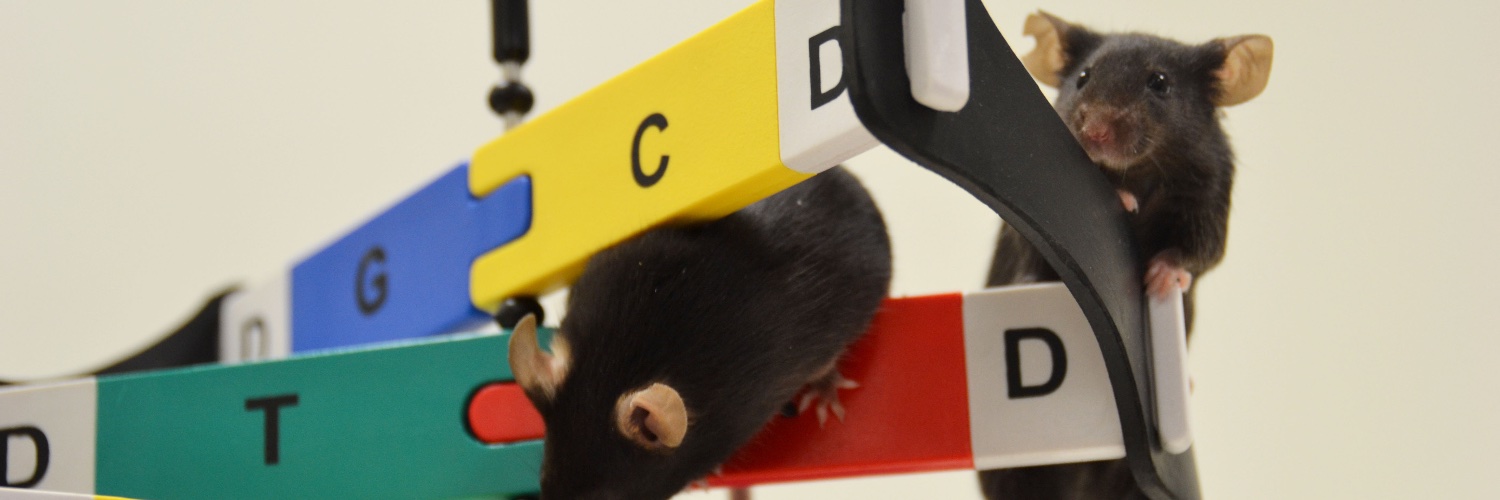
When moving mice from one of our predecessors to our new building in 2015, a chance discovery helped Crick scientist Christophe, now at @SWC_Neuro, find that the microbiome impacts hormone levels in mice 🏫🐁 https://t.co/ljMAZsREaR
‘You are what you eat’ now makes total sense.
A paper discussing reproducibility in science, potential therapeutic treatments (Aspirin or gut microbiora) and the cell type at the origin of a rare genetic condition affecting hormone levels (Sox3).
When moving mice from one of our predecessors to our new building in 2015, a chance discovery helped Crick scientist Christophe, now at @SWC_Neuro, find that the microbiome impacts hormone levels in mice 🏫🐁 https://t.co/ljMAZsREaR
I could have never done without the support from past and current members of the lab, friends and colleagues @TheCrick and previously at NIMR , and, more recently, colleagues @SWC_Neuro .