This is obviously false if you think about it.
First, lean retail muscle (excluding trim, bones, hide, organs etc) is ~35% of live body weight. So 65% of the optimized factory production is still going to the production of things other than muscle. In cultivated meat this is ~100% so an enormous gain already.
Second, the argument goes even more in favor of cultured when you consider lifetime feed/water inputs. The carbon to edible protein conversion rate in a cow is ~1-3%. Cultured cells with glucose and amino acid inputs, you're looking at 10-20% conversion rate. A cow spends ~97% of its inputs making a body that is mostly not muscle. This is an extremely low bar for cultured cells, especially with scale and efficiency gains.
I would have honestly expected a deeper analysis from @dwarkesh_sp than this surface level evolutionary handwaving
there was this monstrous series on the mysteries of obesity by @mold_time that made the rounds a while ago, I got as far as the introduction to realize they had absolutely no clue what they were talking about when they said:
> It’s true that people eat more calories today than they did in the 1960s and 70s, but the difference is quite small. Sources have a surprisingly hard time agreeing on just how much more we eat than our grandparents did, but all of them agree that it’s not much. Pew says calorie intake in the US increased from 2,025 calories per day in 1970 to about 2,481 calories per day in 2010
https://t.co/Gwtxz6eX03
Recently I took a look at @mold_time's A Chemical Hunger which I had saved for reading some time ago to see what a multi-month 10-part series had to say about the topic.
I had to put it down a few paragraphs it when it claimed:
> It’s true that people eat more calories today than they did in the 1960s and 70s, but the difference is quite small. Sources have a surprisingly hard time agreeing on just how much more we eat than our grandparents did, but all of them agree that it’s not much. Pew says calorie intake in the US increased from 2,025 calories per day in 1970 to about 2,481 calories per day in 2010
Like wtf are you smoking? That's an absolutely enormous increase and it's surprising that people aren't even fatter than they are.
It’s cute how Claude has the beaver-building-dam attitude about how adjusting your gradients to minimize prediction error is actually the greatest and most important thing in the universe
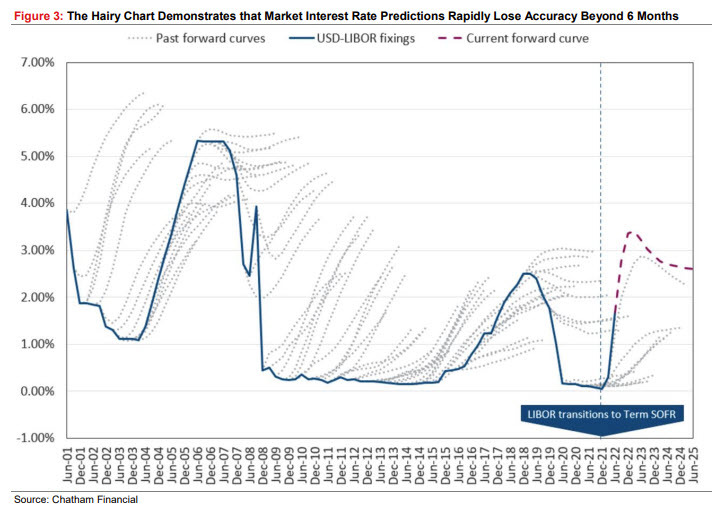
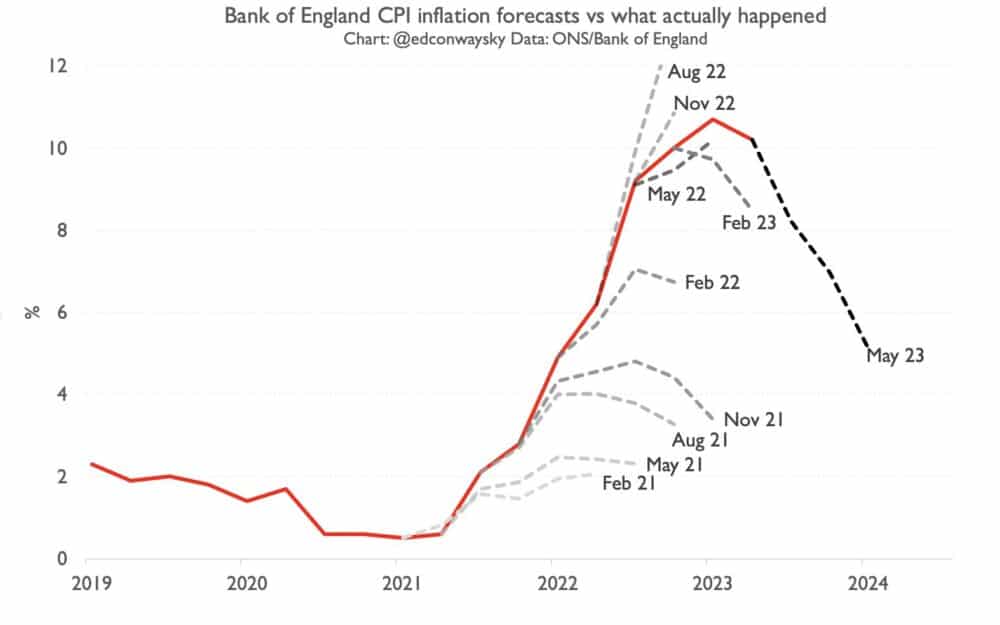
@memeticsisyphus@MaciekKol the issue is that it's not a predictable small increase, hence the massive societal waste of astrophysics PhDs working for hedge funds, betting what magic number the Fed will pull out of thin air this time to control this apparently predictable number
@DominiqueCAPaul it's amazing as a local llm knowledge base, and even a collaborative repository for various projects between you and an llm assistant like @NousResearch Hermes
@ethereumfndn > An attestation framework so auditors can verify descriptor integrity (ERC-8176
To be clear, this attestation framework doesn't exist yet correct? So for now wallets need to trust the registry, correct?
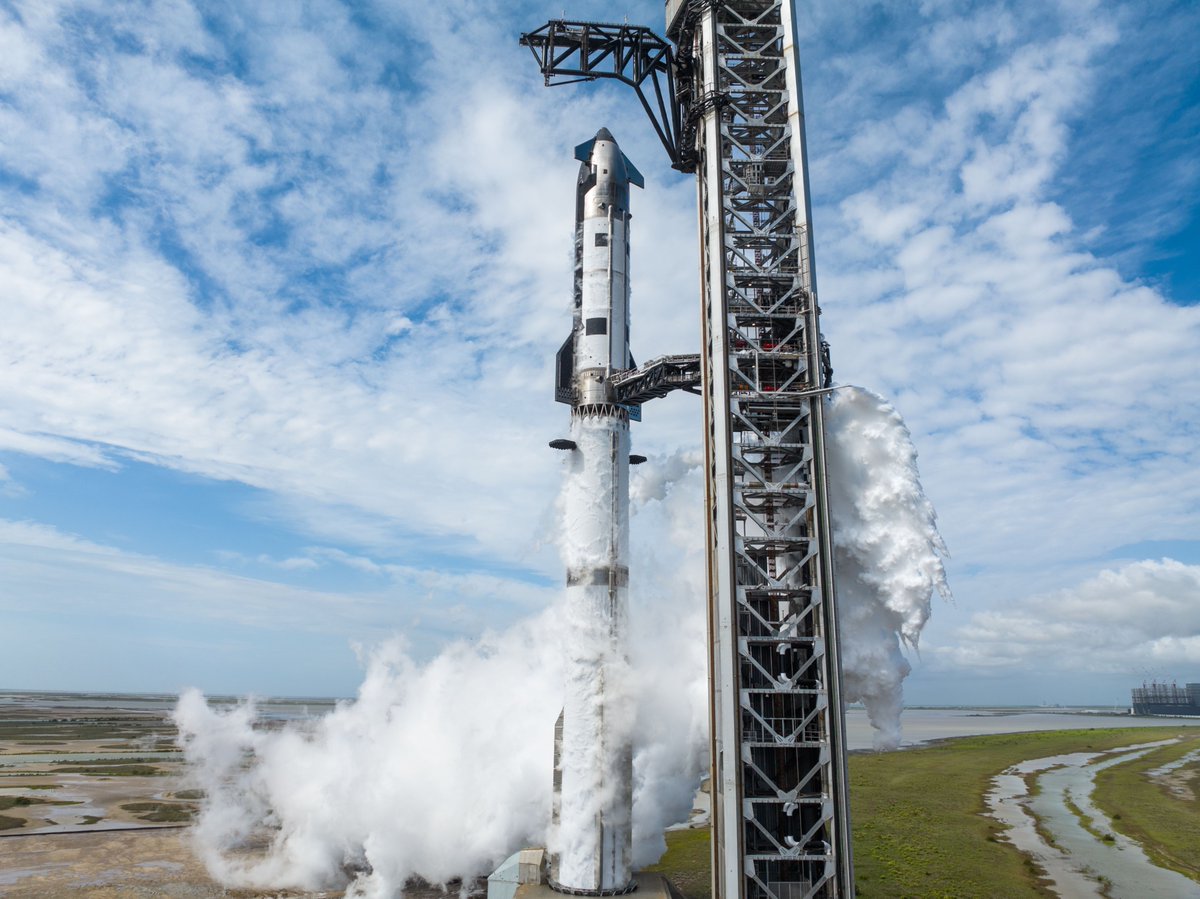
SpaceX has just released a massive new list of changes in Starship V3, which is now scheduled to launch on May 19th:
Super Heavy V3 Changes
Grid Fin Redesign:
• Reduced from 4 fins to 3
• Each fin is now: 50% larger, stronger, repositioned for better catching/lifting
• Lowered on booster to reduce heat exposure during hot staging
• Fin hardware moved inside fuel tank for protection
Integrated Hot Stage:
• Removes the old disposable interstage shield
• Booster dome now directly exposed to upper-stage engine ignition
• Tank pressure + steel shielding protect structure
• Interstage actuators retract after separation for protection
New Fuel Transfer System:
• Massive redesign of fuel transfer tube
• Roughly the size of a Falcon 9 first stage
• Allows: simultaneous startup of all 33 Raptors, faster and more reliable flip maneuvers
Engine Bay / Thermal Protection Changes:
• Engine shrouds removed entirely
• New shielding added between engines
• Propulsion + avionics more tightly integrated
• CO₂ fire suppression system removed
• Simpler and lighter aft section
Propellant Loading Improvements:
• Moved from 1 quick disconnect to 2 separate systems
• Adds redundancy
• Reduces complexity of pad interfaces
Starship V3 Changes
Completely Redesigned Propulsion System:
• Clean-sheet redesign
• Supports: new Raptor startup method, larger propellant volume and improved reaction control system
• Reduces trapped/leaked propellant risk
Aft Section Simplification:
• Fluid + electrical systems rerouted
• Engine shrouds deleted
• Large aft cavity removed
Flap Actuation Upgrade:
• Changed from: 2 actuators per flap to 1 actuator with 3 motors
• Improves:, redundancy, mass efficiency, cost
Faster Starlink Deployment:
• Upgraded PEZ dispenser
• Faster satellite deployment speeds
Long-Duration Spaceflight Capability:
• New systems added for: long orbital coasts, orbital refueling, cryogenic fluid management, vacuum, insulated header systems and high-voltage cryogenic recirculation
Ship-to-Ship Docking + Refueling:
• Added 4 docking drogues
• Added propellant transfer connections
• Directly supports in-space refueling architecture
Avionics Upgrades
Massive Electrical System Upgrade:
• ~60 custom avionics units
• Batteries/inverters/high-voltage systems integrated together
• ~9 MW peak power capability
Better Navigation + Redundancy:
• New multi-sensor navigation system
• Designed for precision autonomous flight
Propellant Monitoring in Space:
• New RF sensors measure propellant levels in microgravity
• Important for orbital refueling missions
Camera + Connectivity Upgrades:
• ~50 onboard camera views
• 480 Mbps Starlink connectivity onboard
• Low-latency redundant communications
Raptor 3 Engine Changes
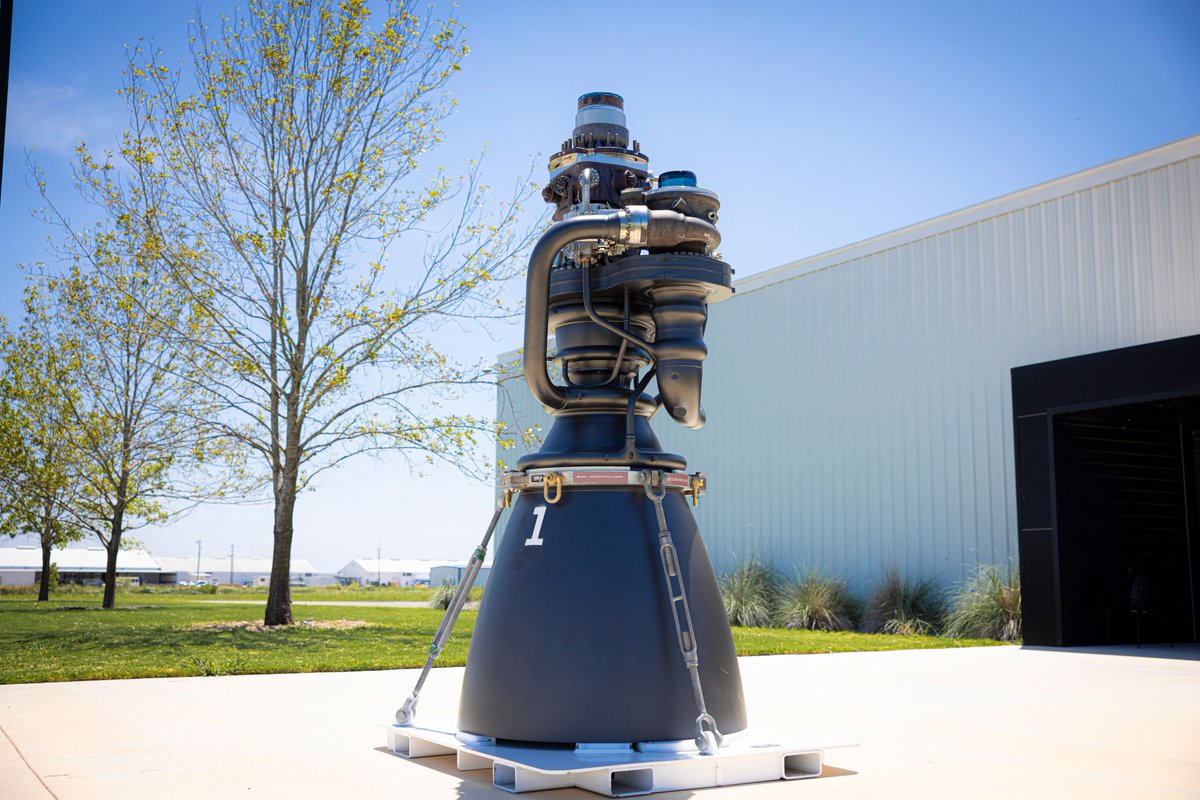
Higher Thrust:
• Sea-level Raptors:
• Increased from:
230 tf → 250 tf
507k lbf → 551k lbf
Vacuum Raptors:
Increased from:
258 tf → 275 tf
568k lbf → 606k lbf
Lower Mass:
• Sea-level engine mass reduced: 1630 kg → 1525 kg
Simpler Design:
• Sensors/controllers integrated into engine body
• Removes need for engine shrouds
• New ignition system for all variants
• Huge Vehicle-Level Weight Savings
• ~1 ton saved per engine across vehicle systems
Launch Pad 2 Upgrades (Starbase)
Faster Propellant Loading:
• Larger propellant farm
• More pumps
• Faster fueling operations
Chopstick Improvements:
• Shorter arms for faster movement
• Switched from hydraulic → electromechanical actuators
• Better reliability + redundancy
Stronger Quick Disconnect Arm:
• Reinforced and redesigned
• Swings farther away during launch
Launch Mount Redesign:
• Better load handling
• Improved launch protection
• Improved throwback reliability
New Flame Diverter System:
• Bidirectional flame diverter
• Designed to eliminate ablation/refurbishment after launch
Hardened Propellant Systems:
• Methane and oxygen systems separated
• Valves/filters moved into protected bunker
• Improves safety and reliability
SpaceX: "Together, these new elements are designed to enable a step-change in Starship capabilities and aim to unlock the vehicle’s core functions, including full and rapid reuse, in-space propellant transfer, deployment of Starlink satellites and orbital data centers, and the ability to send people and cargo to the Moon and Mars."
This is going to be an epic flight! 🚀
@ArtemisConsort@wolftivy Nothing will make you less sympathetic to most poor people than living among them and seeing first hand the endless stream of bad decisions they make, making their situations worse and worse.
There are some that manage to turn that life around, I know a few, and I root for them