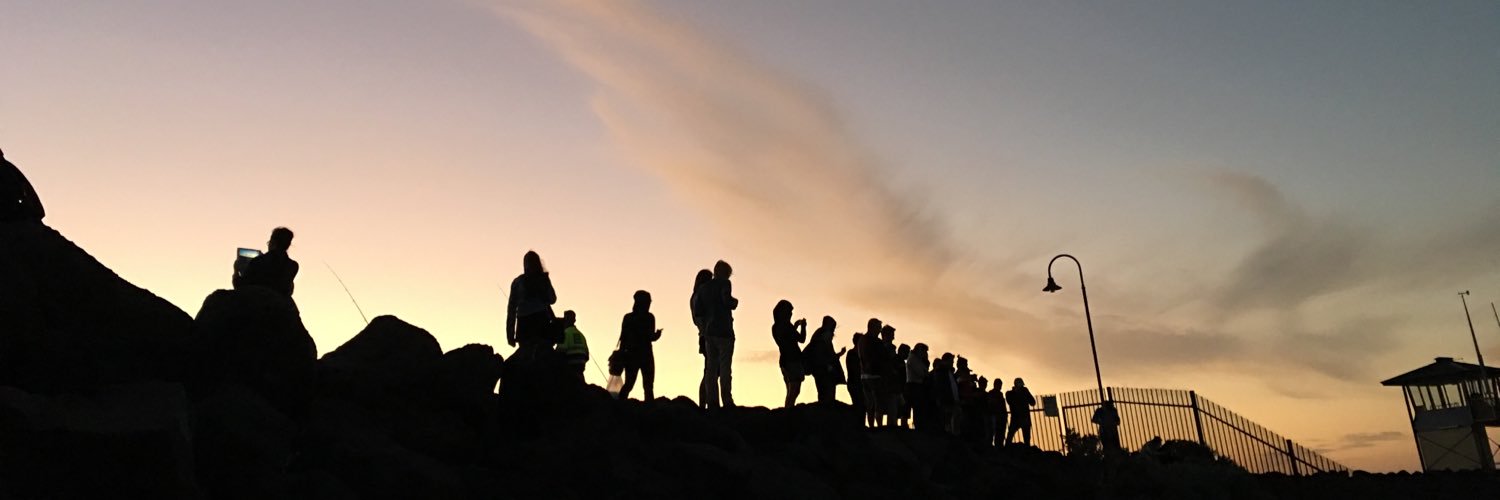
I'm traveling the world for a bit, starting with China but then hopping around the globe, anywhere. Open to any adventure. No plans, only a backpack. Hoping to meet & get to know humans from all walks of life. The pic is from a long hike on the Great Wall. For me, as a fan of history, this was an epic experience.
In China, first I'm visiting a few big cities & talking to engineers at the heart of China's AI revolution. After that, if feeling crazy enough, I'm hitchhiking (first time) across rural China for a few weeks. Hitchhiking because I think it's the best way to meet rural folks who I would otherwise never get the chance to meet. I hope to do the same in US and other places.
I have a request, if you have a travel recommendation, fill out the form(s) below if you feel like it. Or share with folks who might have advice about such travel.
Form 1 - travel recommendation:
If you can, recommend to me an interesting place I should visit anywhere in the world. For this, fill out form 1. Not touristy stuff, but something off the beaten path, that tourists may not know about, but is legendary. It could be as remote as meeting a herder in the mountains who is a local legend. Asia, Middle East, Europe, India, South/North America, Africa, Australia, anywhere. In China, I'm hoping to visit maybe Heibei, Shanxi, Shaanxi, Gansu, Sichuan, Yunnan, etc, so recommendations for spots to visit are helpful.
Form 2 - coffee:
If you want to grab a coffee with me anywhere in the world, fill out form 2 (please don't use form 1 for that).
Anyway, I hectically tossed stuff in backpack. Realizing I don't have a clear plan of any kind, which is probably the only way to do it. LFG.
Love you all ❤️
Went to Taiwan. Amazing country.
Not sure why more aussies don't go there. Direct flight, relatively inexpensive, incredible food, so clean and safe, locals are wonderful.
It's like the best bits of china but you don't have to use a VPN or ali pay.
ty @tferriss for the rec
You check your Apple Watch in the morning. Sleep score: 62. You decide it's going to be a foggy day. And then it is.
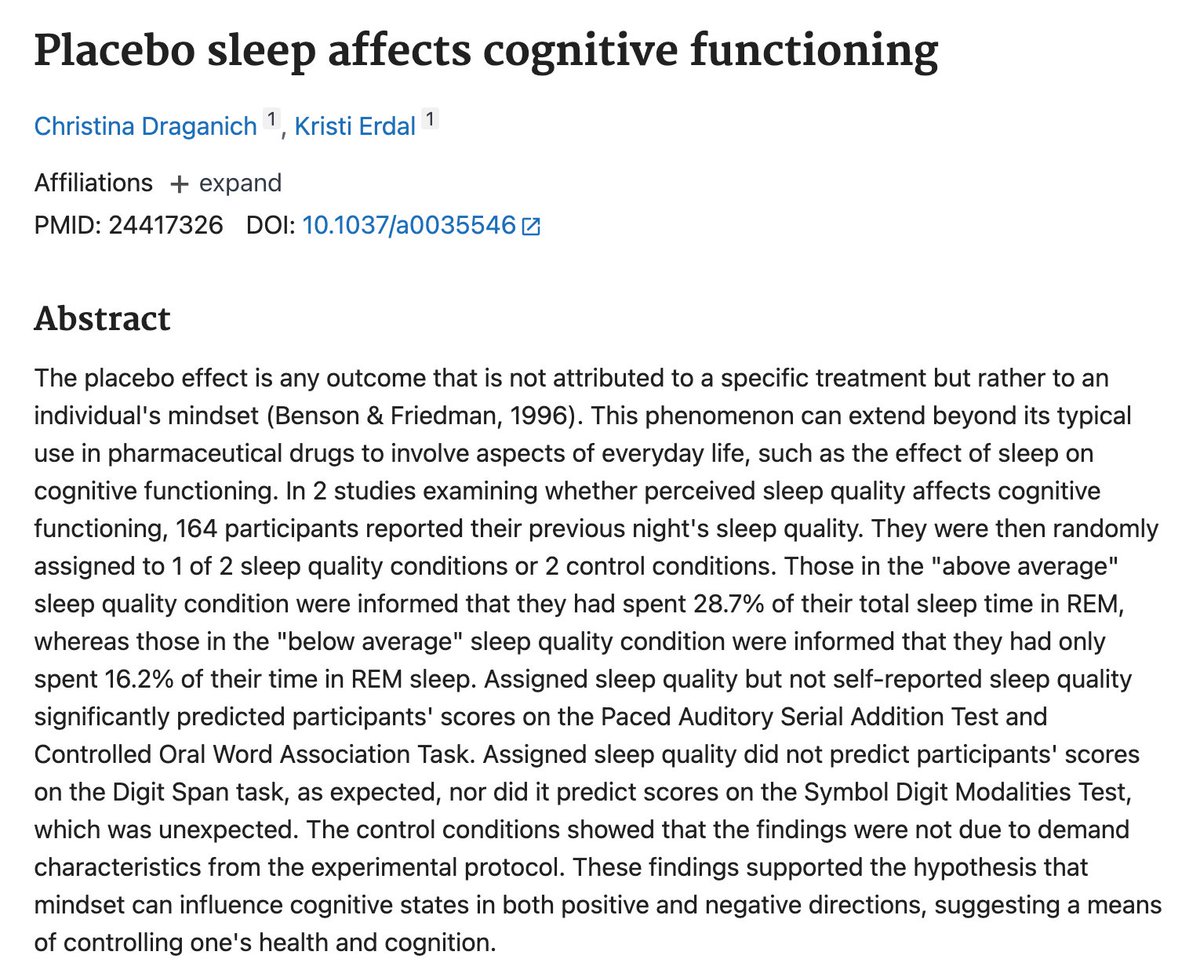
A 2014 Colorado College study suggests the score itself causes the fog.
164 people walked into a lab. Researchers hooked them up to fake EEG equipment and told them the readout would show their REM percentage from the night before. Then they fabricated a number. Half the room was told 28.7%. Half was told 16.2%. The machine wasn't measuring anything.
Participants took four cognitive tests. The Paced Auditory Serial Addition Test, where you add numbers spoken at increasing speed and hold your last sum in working memory while computing the next. And the Controlled Oral Word Association Task, where you generate as many words as you can starting with a single letter under time pressure. Both are gold-standard measures of attention and executive function used in clinical neurology.
The 28.7% group outperformed the 16.2% group on both. Significantly. How rested participants actually felt that morning predicted nothing.
The mechanism is mindset priming an executive resource. When you believe you slept well, you allocate cognitive effort more aggressively. You don't conserve. You don't pre-disengage. Belief about the resource changes how you spend it.
Two control conditions ruled out demand characteristics. Participants weren't trying harder because they thought they should. Real measurable cognitive performance shifted with the number on the readout.
The Apple Watch sleep score. The Oura ring readiness number. The morning ritual of checking either one is taxing the resource you're about to need.
The performance gap from a fabricated REM percentage was larger than the gap from how rested participants actually felt. The number was louder than the night.