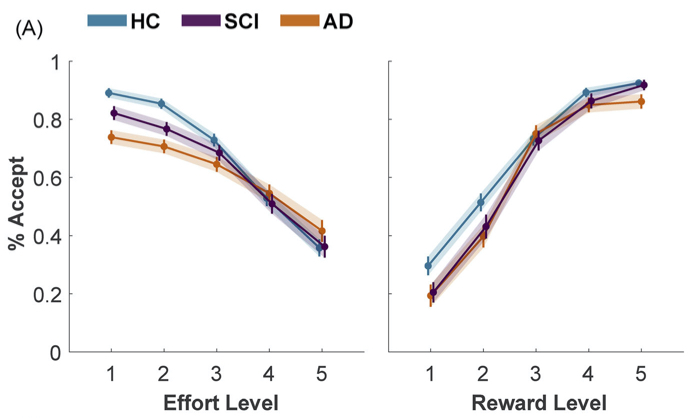
What are the mechanisms underlying apathy in people with #AlzheimersDisease and subjective cognitive impairment? Here's a first attempt to answer this question using effort based decision making for reward by @bahaatallah@toniolo_sofia@neuroRaquel
https://t.co/MiStjGqIBY
Happy to share that our work applying precision mapping to individuals with depression sampled longitudinally over an extended period has been published this week in @nature. Brief recap of the main findings and their potential implications below.
https://t.co/ZbTj6x7eyV
Very proud of this study! We have worked for many years now and finally show that BBMs work when implemented prospectively in primary and secondary care.
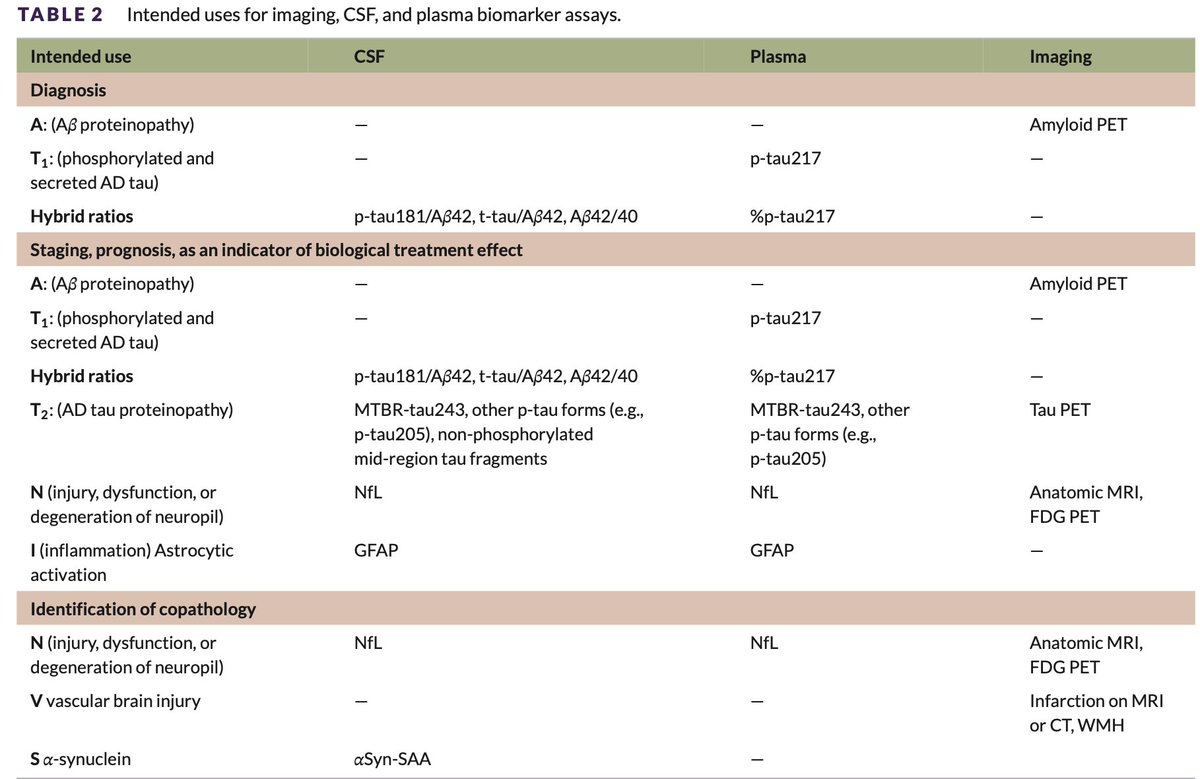
Revised criteria for diagnosis and staging of Alzheimer’s disease
The criteria will obviously have a profound impact on the field. Couple of key points:
1⃣ Alzheimer's disease is defined as a biological process that begins with the appearance of AD neuropathologic change while people are asymptomatic.
2⃣ An abnormal "early-stage" Core 1 biomarker (amyloid PET, approved CSF biomarkers, accurate plasma biomarkers) result is sufficient to establish a diagnosis of AD.
3⃣ Later-changing Core 2 biomarkers (biofluid and tau PET) can provide prognostic information and increase confidence that AD is contributing to the symptoms.
4⃣ The criteria are not intended to provide step-by-step clinical practice guidelines for clinical workflow or specific treatment protocols.
Link to paper @alzdemjournals >
https://t.co/SceTVZp91k
Plasma extracellular vesicle tau and TDP-43 as diagnostic biomarkers in FTD and ALS
Very promising study!
Background: Minimally invasive biomarkers are urgently needed to detect molecular pathology in frontotemporal dementia (FTD) and amyotrophic lateral sclerosis (ALS).
Main result: Plasma extracellular vesicles (EVs) contain quantifiable amounts of TDP-43 and full-length tau, which allow the quantification of 3-repeat (3R) and 4-repeat (4R) tau isoforms.
Conclusion: The combination of EV TDP-43 levels and EV 3R/4R tau ratios may aid the molecular diagnosis of FTD and ALS, providing a potential biomarker to monitor disease progression and target engagement in clinical trials.
Link to paper @NatureMedicine >
https://t.co/uHoBm8U3MJ
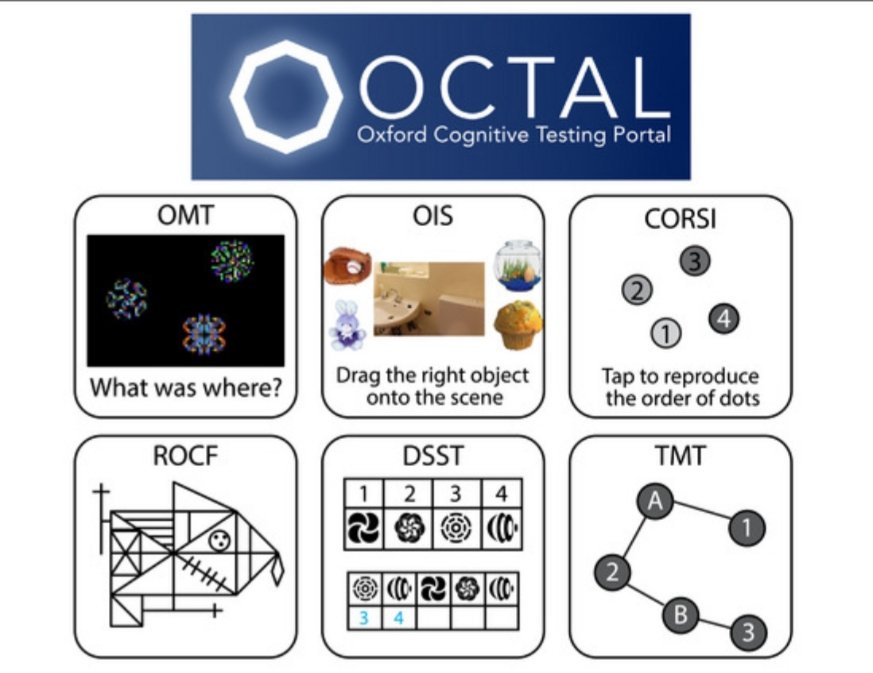
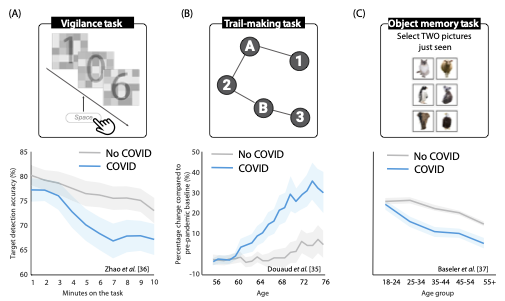
Digital testing is increasingly used in Alzheimer's Disease. There are plenty of platforms out there, but very few can be administered fully online, are patient friendly and validated against AD biomarkers. Check out Sijia's Zhao amazing platform - OCTAL! https://t.co/v047EJH5hk
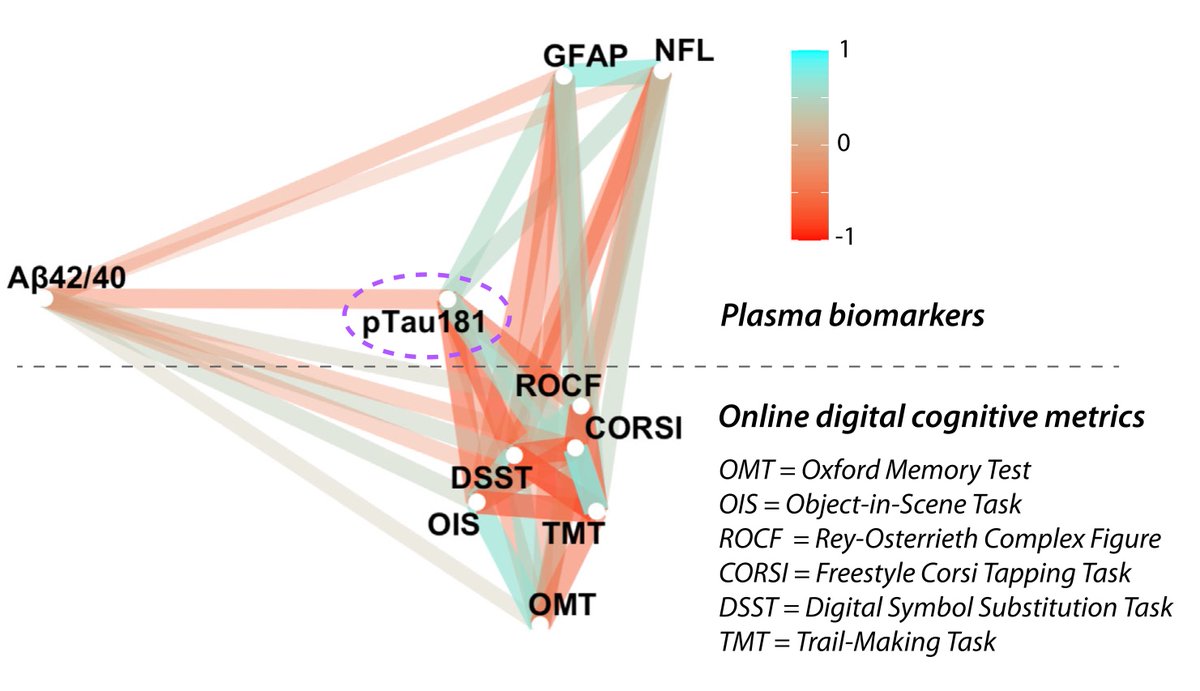
It's one thing to have plasma biomarkers for #Alzheimers but which one is most closely related to cognitive function. Our @UniofOxford experience led by @toniolo_sofia & @sijiazhao92 using digital cognitive testing platform reveals pTau to be the winner
https://t.co/TzzAMLgI8v
Two world-class research teams – based at @ucl & @DementiasUK at @UniofOxford - will carry out UK-wide clinical trials to identify blood tests to boost dementia diagnosis.
We hope this will lead to blood tests for diagnosing Alzheimer’s & other forms of dementia becoming available on the NHS within five years.
You may not know it but a significant amount of signal from #pTau217 blood tests come from p-tau212.
This study developed #pTau212 specific antibodies & evaluated its individual contribution as a blood Biomarker for #Alzheimers
Led by Przemek Kac
https://t.co/V7fghte5h5
NCSE is a time-dependent neurological disease. Hyperperfusion on CTP may suggest #statusepilepticus and save time for treatment. Think about a pragmatic workflow!
Have a look at our paper out @JNNP_BMJ
Led by @ZiniAndrea@AUSLBologna
https://t.co/uvbMq7fQ83
Amazing discovery of new hybrid cells that lie between neurons and astrocytes - likely to be key players for hyperexcitability in the CNS, with potential implications for AD. Check out the article in Nature! https://t.co/LfMusm8jiC
We're looking for a dynamic person to join us @UniofOxford as a Research Co-ordinator on an exciting new @wellcometrust Discovery Award to study motivation and apathy in health and in brain disorders, with Cath Harmer @OxfordPERL@brain_apps@littleneuro
https://t.co/J5Pj9L7BV6
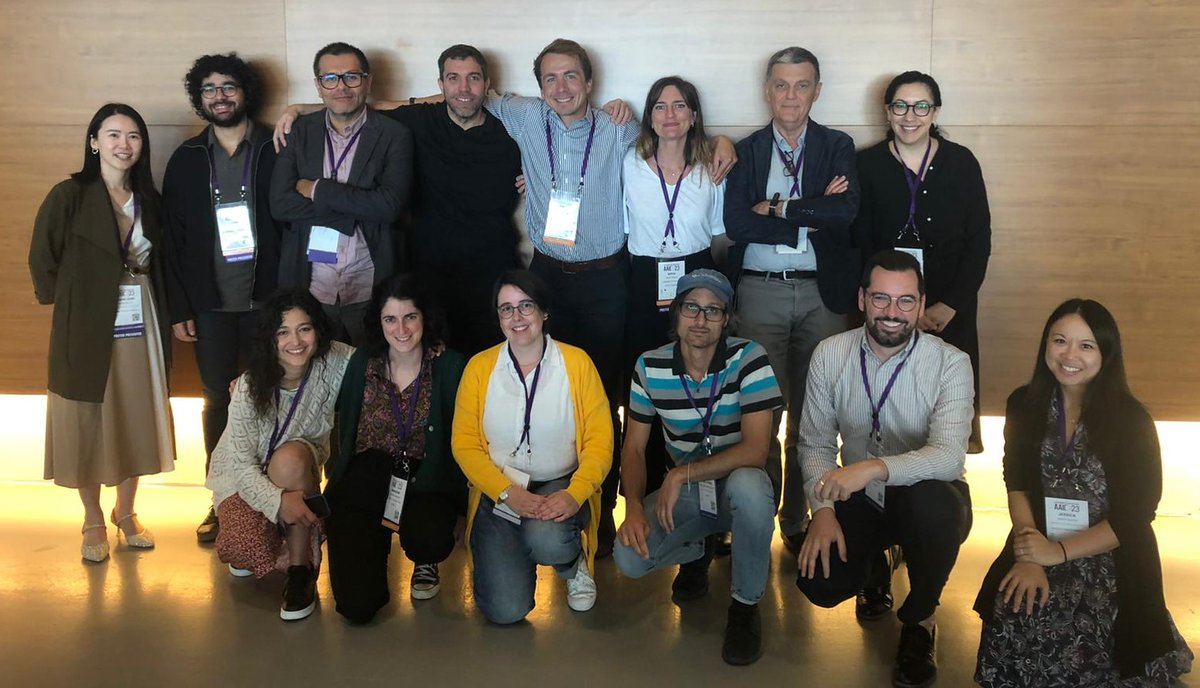
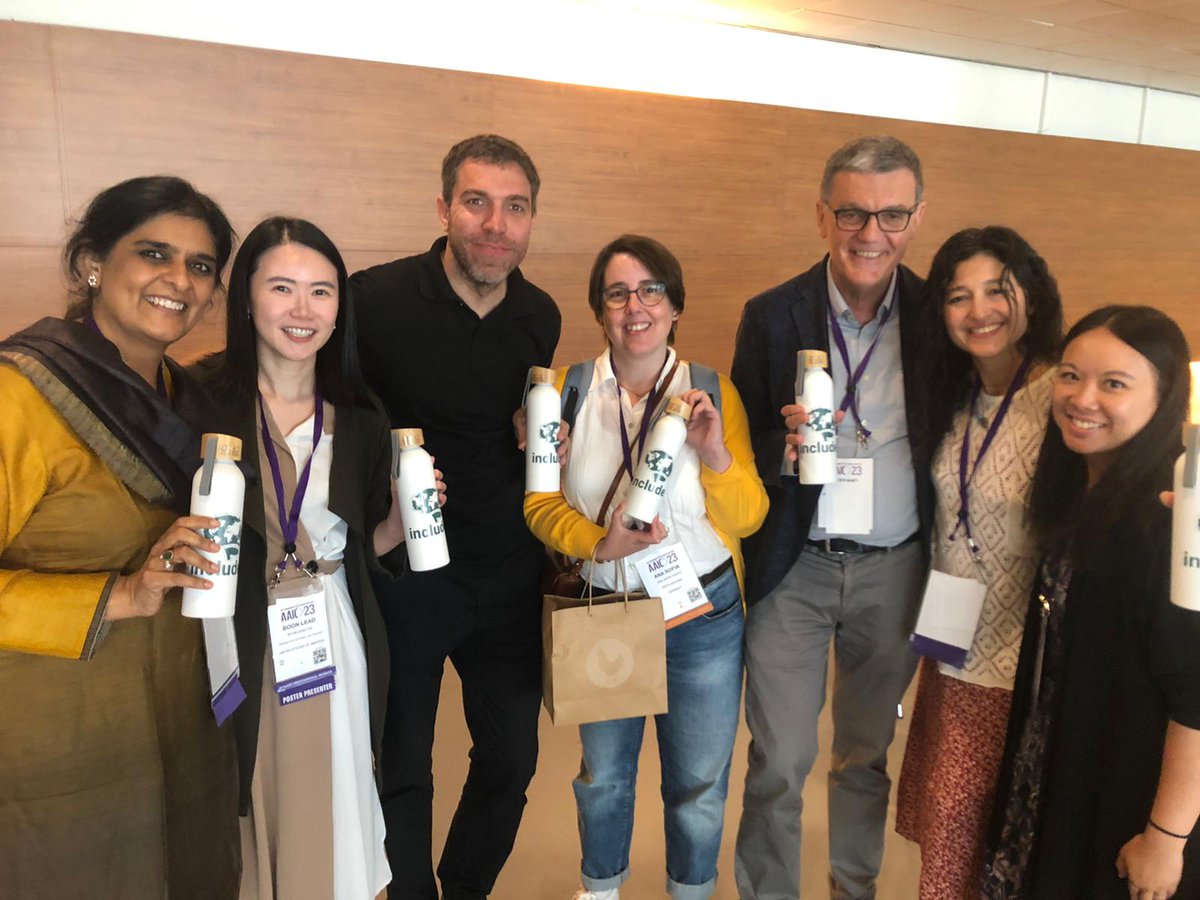
What a week! Thanks #AAIC2023 for the great science and very inspiring talks - including new criteria for AD, exciting results from the phase 3 Donanemab trial, and new developments in the fields of plasma biomarkers and digital tools!