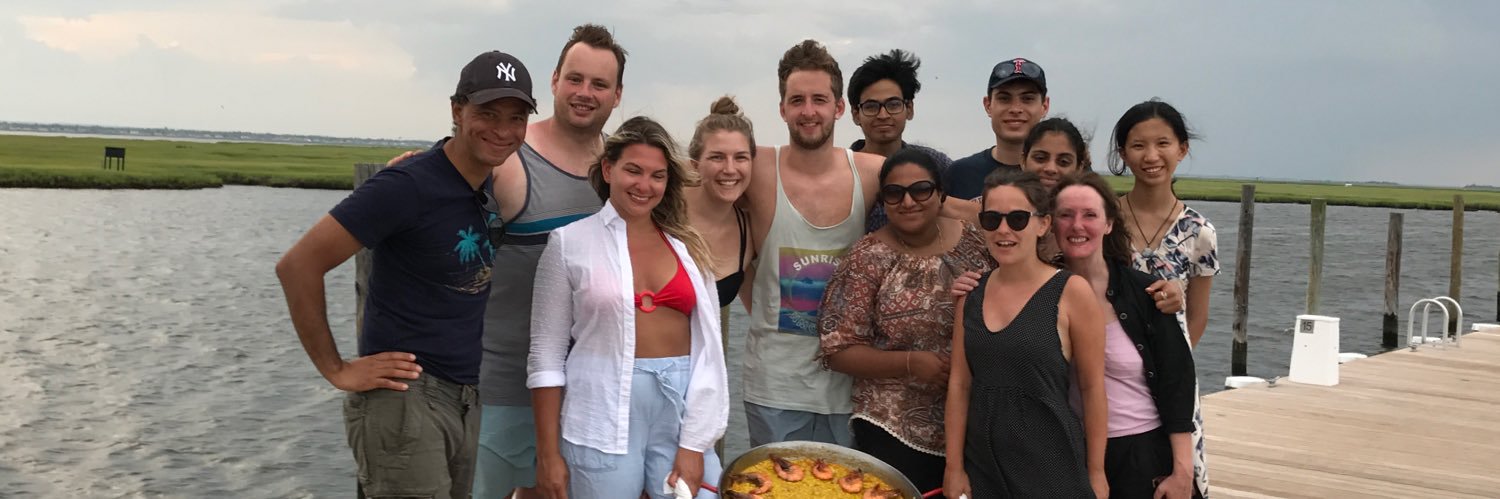
CSHL Cancer Center Director David Tuveson was chosen President-Elect of @AACR: “AACR’s mission is to improve the lives of people world-wide... Collectively we can solve the hardest problems and help the most cancer patients.”
https://t.co/IvI3P1A1lL
We are recruiting post-docs and technicians in our lab at the newly-established Precision Medicine Division at Kyushu University (no website yet!). We are looking for enthusiastic, self-motivated individuals who can interact well with others as part of a team! Plz RT.
I agree, and the solution is key to our survival: more money for research and education. Fortunately, it’s an election year and we’ll all be fighting the good fight, right?
History is a great teacher; we should pay more attention so we don’t repeat the mistakes made during the 1918 flu pandemic; some very poignant graphs in this @NatGeo story #COVID2019#CoronavirusPandemic https://t.co/DsRjduUIkl
Intriguing new role for LKB1 in preventing squamous PC, the most lethal type of prostate cancer. Happy to have written a JEM Insight on the emerging concept with Grinu.
https://t.co/ioIyld5VVy
https://t.co/oo6oyJqXGI
@MarkJHandley You did amazing work to help prevent even more damage! Your early analysis was key to closing local schools in our NY area at a time when everyone was focused on testing and Italy.
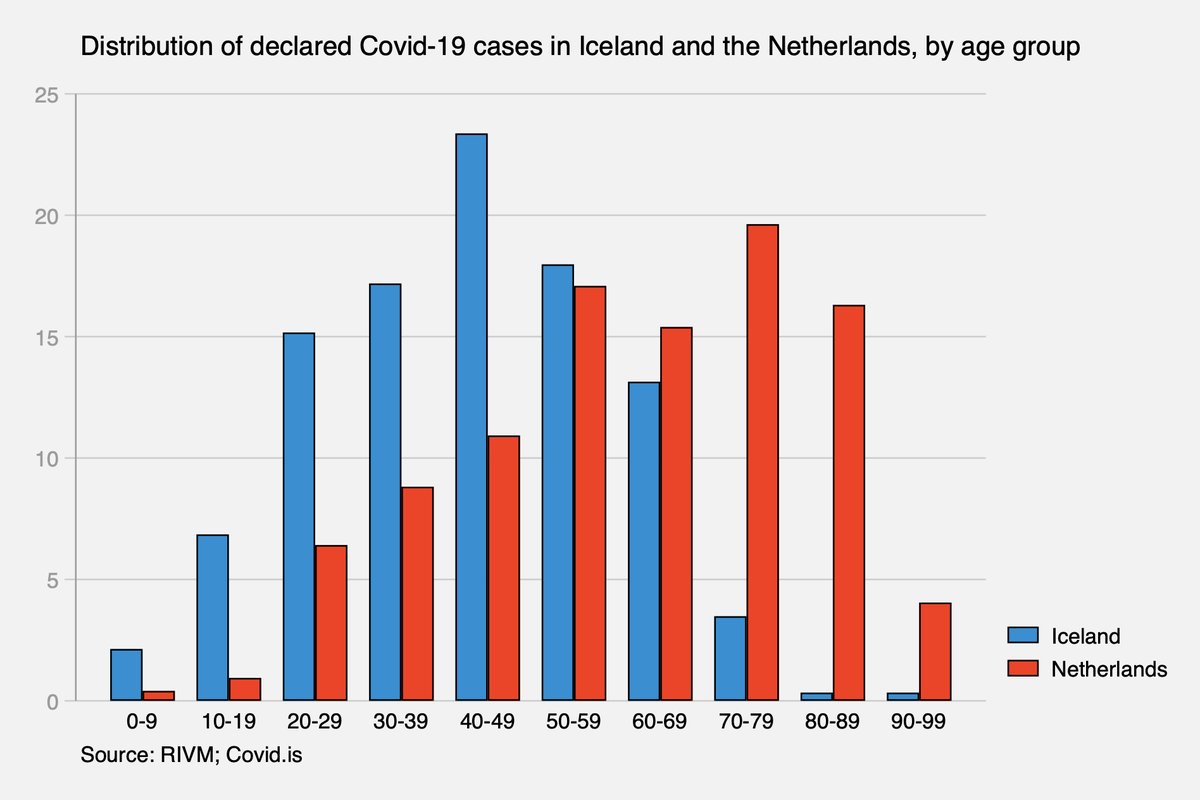
Here is a distribution of recorded Covid-19 cases in Iceland (which tests broadly, even people with no symptoms) and the Netherlands (which tests narrowly, only those with severe symptoms)
*** COVID19 and males***
Is infection with SARS-CoV-2 more virulent among males, and if so why? Can we do anything about it, or use this information for treatment purposes. This thread is a compilation of thoughts & ideas by various colleagues: @AlanBryce9 & @lbaughn#COVID19
1/x
Not subtle: “FOXA1 was the most highly mutated gene in our Chinese cohort (41%). By contrast, FOXA1 was mutated in only 4% of TCGA prostate cancer and in 8–9% of primary prostate cancer and 12–13% of metastatic prostate cancer” @nature https://t.co/2dHCIScGzf
@ScienceMagazine@GaviSeth@gavi I am a bit shocked by this tweet by Science…
An ideal scientific collaboration should be “without” terrible implications for humanity...
Would definitely be worth testing. Unfortunately, if I remember discussion with @NimaSharifiMD correctly, mouse does not show the androgen levels seen in human lung, so would be a bad model- but I may be wrong here...