For the first time, humans can see the entire Orientale Basin
NASA
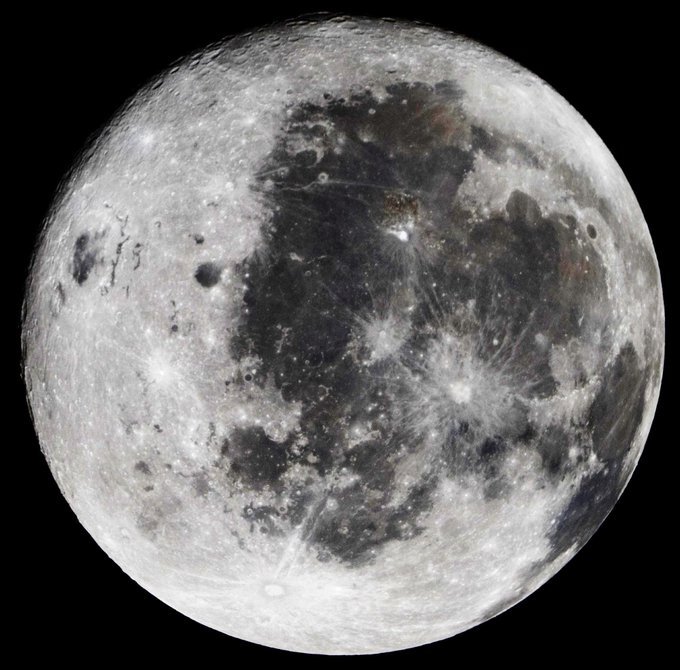
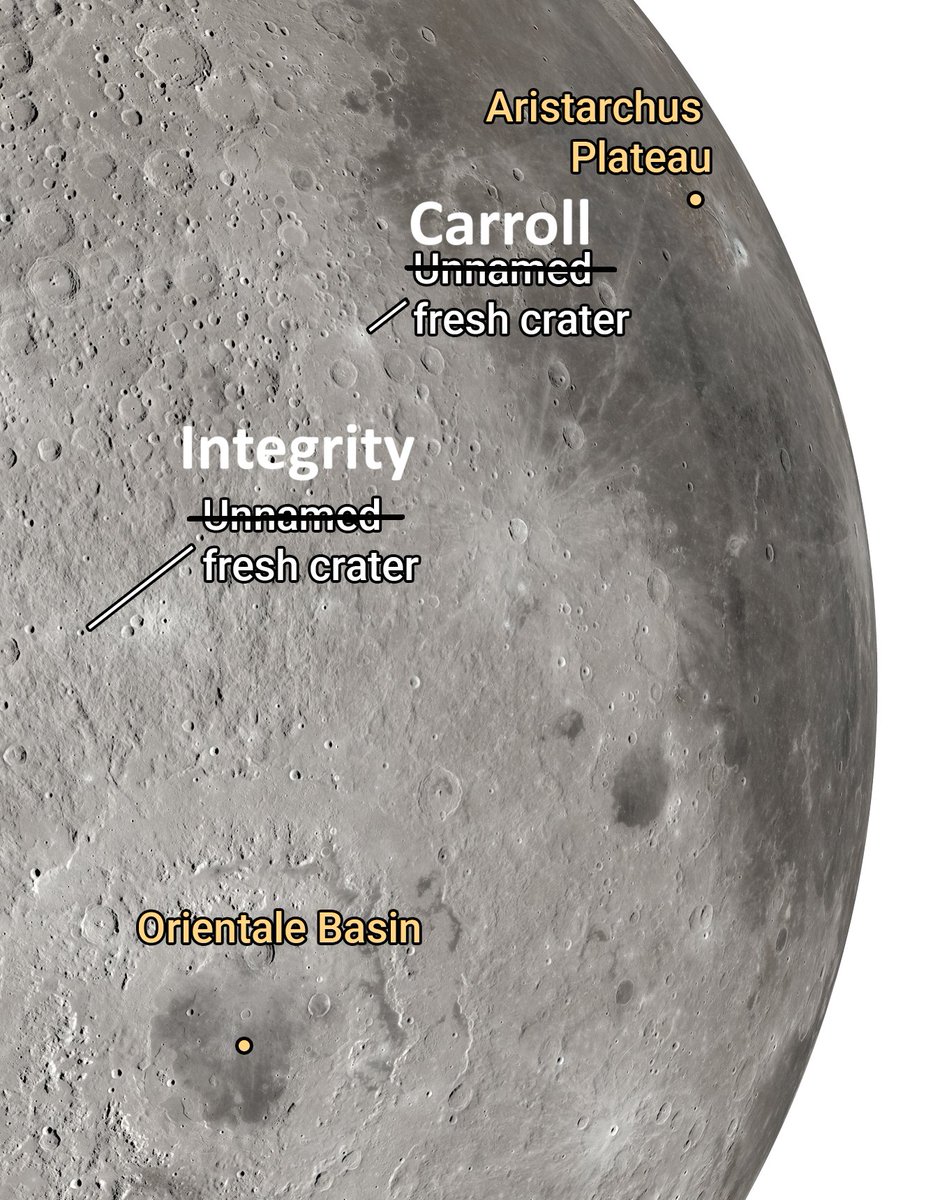
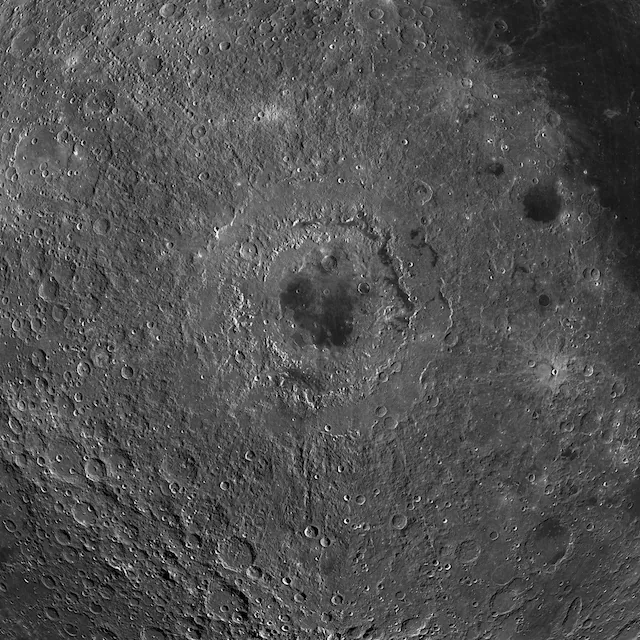
Orientale basin is on the left edge of the lunar disk in this image. Artemis II marks the first time that humans have seen the entire basin.
Orientale is the textbook multi-ring impact basin used as a baseline to compare other impact craters on rocky worlds from Mercury to Pluto.
Credit: NASA
A rare wildlife moment: five wild snow leopards were featured in the elusive big cat's first "group picture" in the mountains of Qitai County, northwest China's Xinjiang. #SnowLeopard#Xinjiang#WildlifeWonder#China
Get Ready.. Prepare yourself to witness history unfold right before your eyes! 🚀
For the first time ever, the entire Orientale Basin, a massive and mysterious region on the Moon’s surface, has been fully captured thanks to the efforts of NASA’s Artemis II crew. This remarkable achievement marks a huge step forward in space exploration, revealing a breathtaking new view of our celestial neighbor. The clarity and detail in this historic image are absolutely stunning!
🌕🛰️ As we move further into space, it reminds us of the endless wonders still waiting to be discovered.
A new milestone for humankind: The crew of Artemis II are now the farthest any human has ever travelled, reaching a maximum distance of 252,752 miles from Earth.
This surpasses the previous record set by Apollo 13 in 1970 by about 4,102 miles.
Today, India takes a defining step in its civil nuclear journey, advancing the second stage of its nuclear programme.
The indigenously designed and built Prototype Fast Breeder Reactor at Kalpakkam has attained criticality.
This advanced reactor, capable of producing more fuel than it consumes, reflects the depth of our scientific capability and the strength of our engineering enterprise. It is a decisive step towards harnessing our vast thorium reserves in the third stage of the programme.
A proud moment for India. Congratulations to our scientists and engineers.
NASA’s Curiosity rover just captured something truly magical on Mars: rare, iridescent “mother-of-pearl” clouds shimmering high in the alien sky!These aren’t ordinary clouds. While Earth’s clouds are made of water droplets, these Martian beauties are formed from dry ice — frozen carbon dioxide crystals floating at dizzying altitudes where temperatures plunge to unimaginable lows.What makes them absolutely breathtaking is the rainbow-like glow. As the Sun slips below the horizon, the last rays of sunlight catch the tiny, perfectly uniform ice crystals, scattering light into vivid, shifting colors of pink, blue, and green. The result? A spectacular iridescent display that looks more like cosmic art than weather.These clouds only appear briefly during specific seasons on Mars, glowing brightest right after sunset when the sky turns deep purple and the crystals act like floating https://t.co/5EWXFYIpPN’s a stunning reminder of how strange and beautiful the Red Planet can be — a world where clouds are made of frozen CO₂ and sunsets paint the heavens with otherworldly rainbows.What other rare space weather phenomena or breathtaking celestial events would you love to see captured by our rovers on Mars? Drop your ideas in the comments! Image Credit: NASA / JPL-Caltech / MSSS
🚨 Artemis II’s BIGGEST milestones are tomorrow. Here’s when they’ll happen:
📍1:56 PM ET (1756 UTC) Crew surpasses the Apollo 13 distance record
📍2:45 PM ET (1845 UTC) Lunar observation period begins
📍6:47 PM ET (2247 UTC) Loss of signal expected as Orion heads behind the Moon (~40 min)
📍7:02 PM ET (2302 UTC) Closest approach to the Moon
📍7:05 PM ET (2305 UTC) Orion reaches its furthest point from Earth
Tomorrow is going to be HISTORIC!
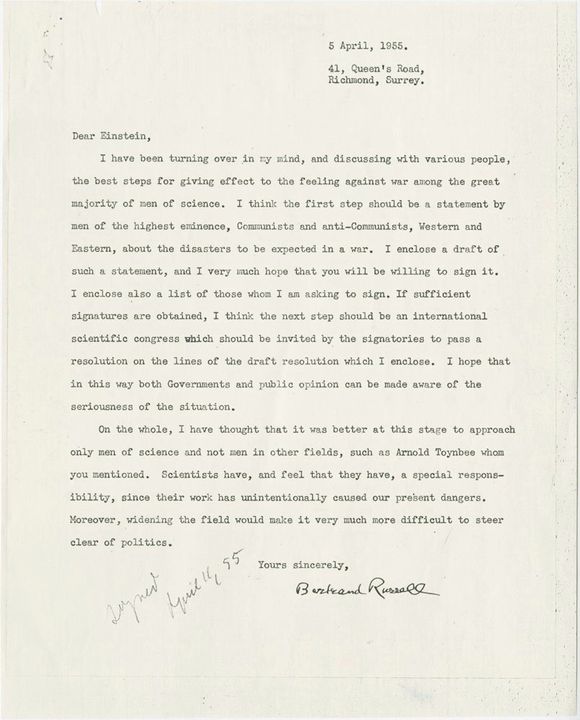
On 5 April 1955, literature laureate Bertrand Russell wrote to physics laureate Albert Einstein to ask for his support in standing up against nuclear weapons.
Einstein agreed. The letter led to the Russell-Einstein Manifesto, which Einstein signed days before his death.
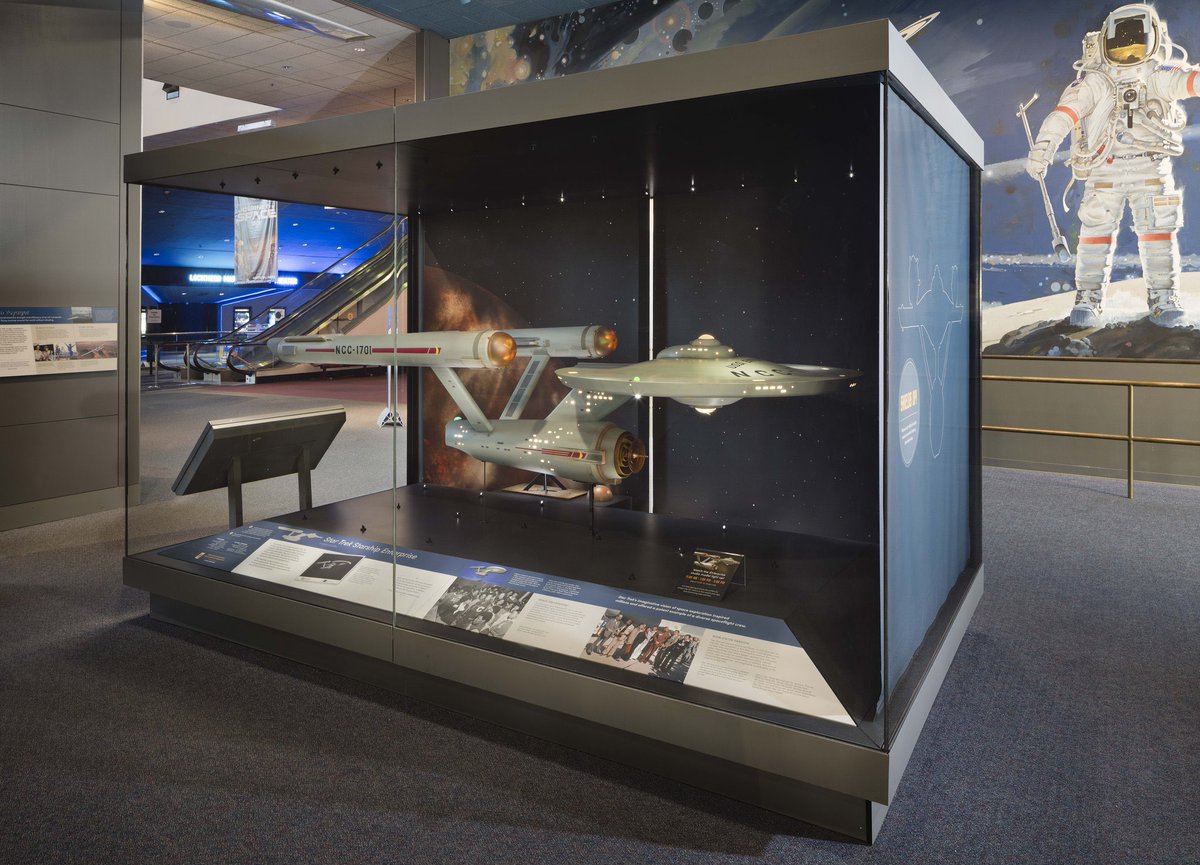
Today in 2063, humans will make first contact with an alien race—the Vulcans🖖
We want to know your #FirstContactDay stories: What was your first experience with Star Trek? #StarTrekFirstContact