New paper out @TheJNS!
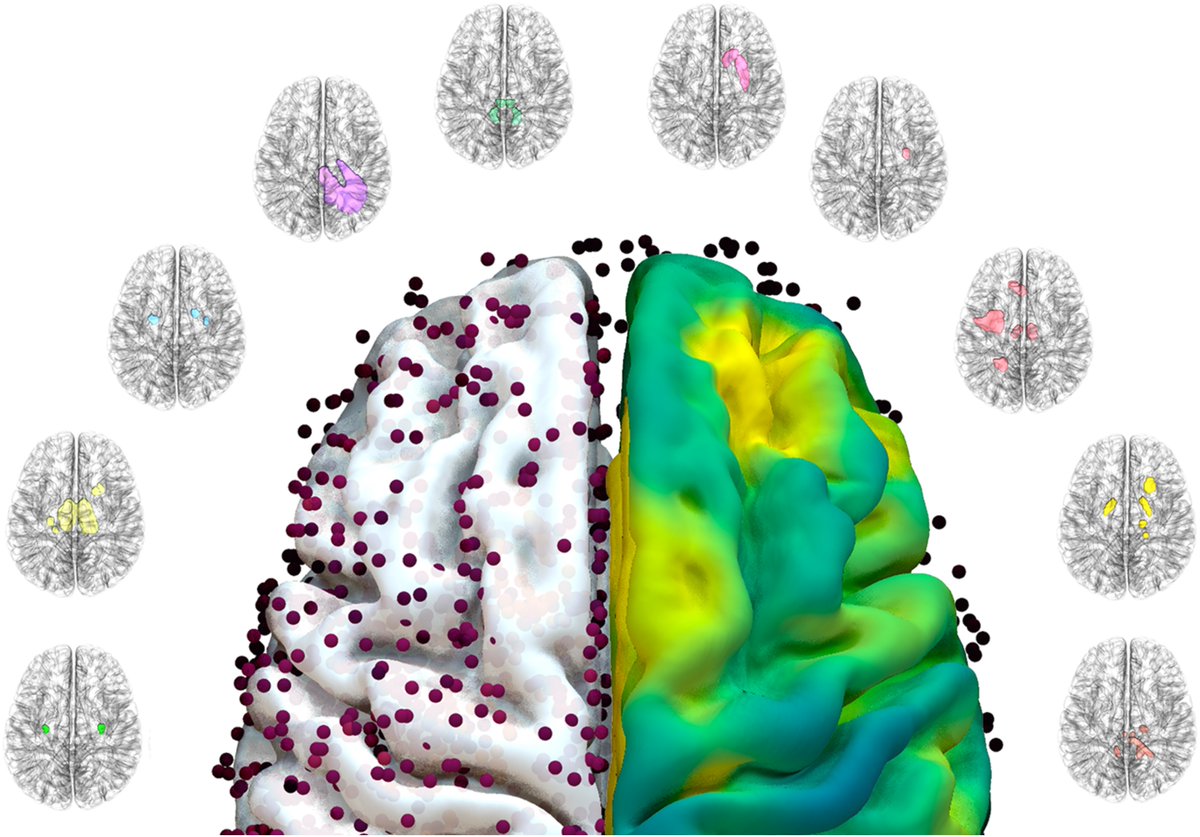
Using disconnectome-based analyses, we show that interhemispheric connectivity is pivotal in recovery of postoperative supplementary motor area syndrome in glioma patients.
@julia_onken@vajkoczy@IGL_Berlin@LuciusFekonja
Link: https://t.co/HvmqMwlb9P
Marcelino and Al-Fatly et al. report literature-based lesion network mapping of dyskinetic cerebral palsy. Grey matter lesions are the most common MRI finding; the motor thalamus is a converging node of a wide functional network. Read at https://t.co/s7EgDiz2a0.
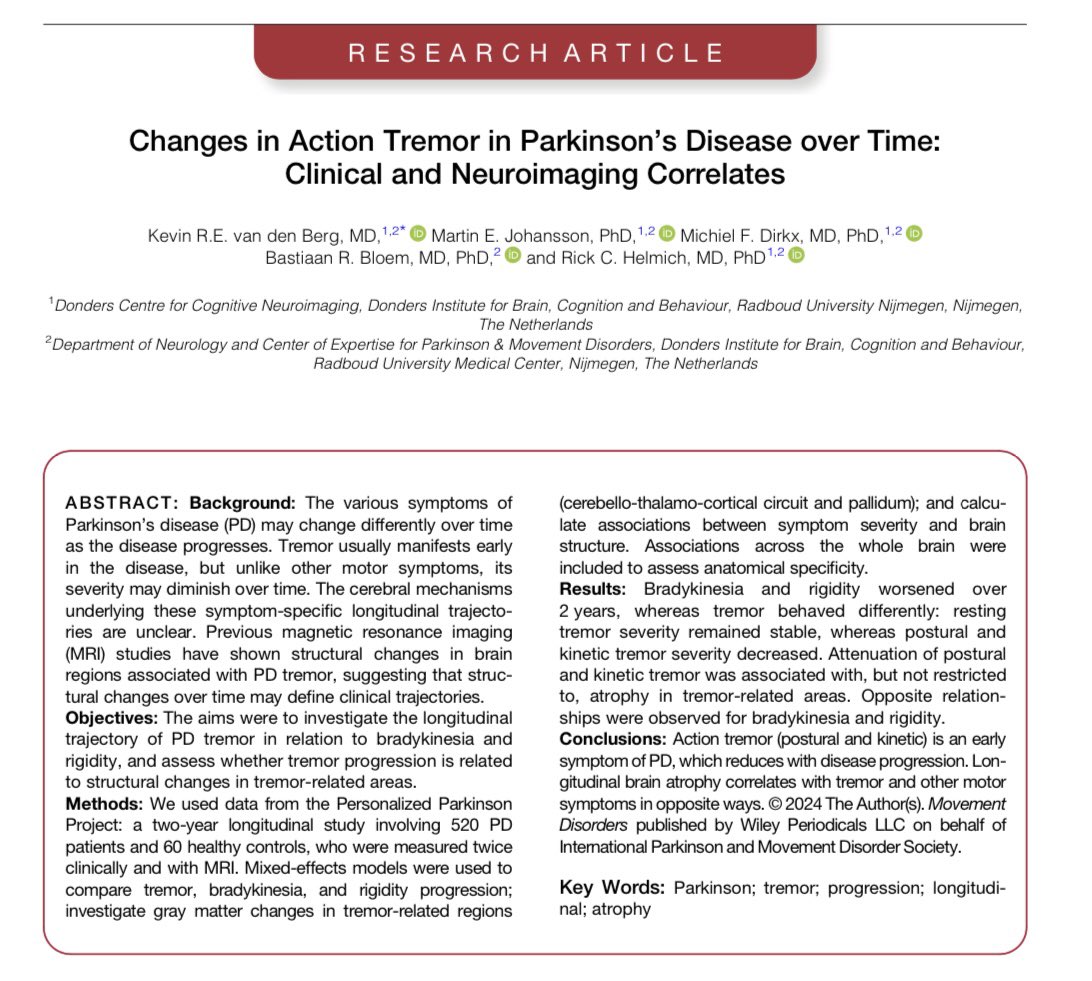
1. #Tremor is early key feature of #Parkinson. Mysteriously, in various ways, tremor behaves differently than many other symptoms. We addressed this in recent paper in Mov Disord where we analysed clinical & neuroimaging data of large longitudinal Personalized Parkinson Project.
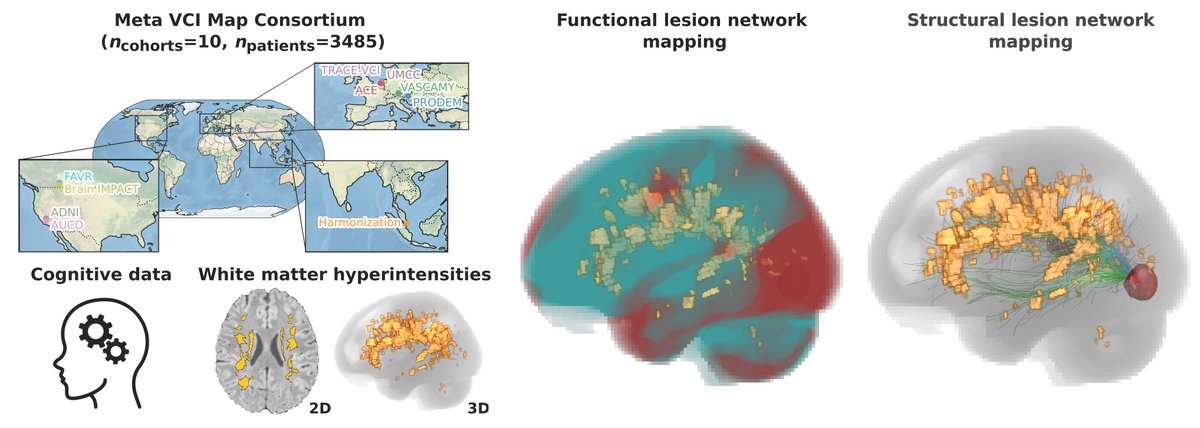
Petersen et al. show that assessing the brain circuitry affected by cerebrovascular white matter lesions improves the accuracy with which cognitive performance can be predicted in memory clinic patients compared to using lesion volume alone. https://t.co/8WSuxNl5XG
Congratulations for graduating your PhD with summa cum laude, Dr. @Bassam_Al_Fatly – very well deserved and it has been a real honor and pleasure to co-mentor you!
Bassam’s works including three first-authorships in @Brain1878 and many new innovations:
https://t.co/GtwGShFaHg
Rest tremor is one of the cardinal motor symptoms of Parkinson’s disease and often responds to levodopa, but it does not seem to correlate with contralateral striatal dopamine deficit. @kallejniemi found something surprising. @MDJ_Journal https://t.co/igKJw9btgZ
Passaretti et al. explore motor compensation in early PD with unilateral motor signs but bilateral loss of DAergic terminals, and find that cortical associative plasticity can counter DAergic terminal loss and help maintain normal motor function. https://t.co/RuTtT3b43P
A dream collaboration! Findings are a game changer for understanding long-term sustained effects of SCC DBS #subcallosal@cingulate @DBS, and a platform for patient-relevant translation. Stay tuned for studies in humans. https://t.co/aC4UYj26Wl
Grateful for the opportunity to present recent work (with @Bassam_Al_Fatly and @AA_Kuhn) on subthalamic deep brain stimulation and the role of vascular white matter lesions at #OptoDBS2024. Great conference for clinicians and basic researches alike! @andreashorn_@LUSCHERC
Al-Fatly et al. use lesion-network mapping to identify a network of brain regions involved in the pathophysiology of lesion-induced oculogyric crises, and show that the topography of the network overlaps with the expression of dopamine receptor type 2. https://t.co/pW3sxCcchw
Modulating networks using DBS is an effective treatment for PD – but which circuits map to improvements in individual symptoms such as tremor, bradykinesia, rigidity, and axial? A 🧵 about our new paper out now in @NatureComms https://t.co/4KPUBGgsRd @netstim_org
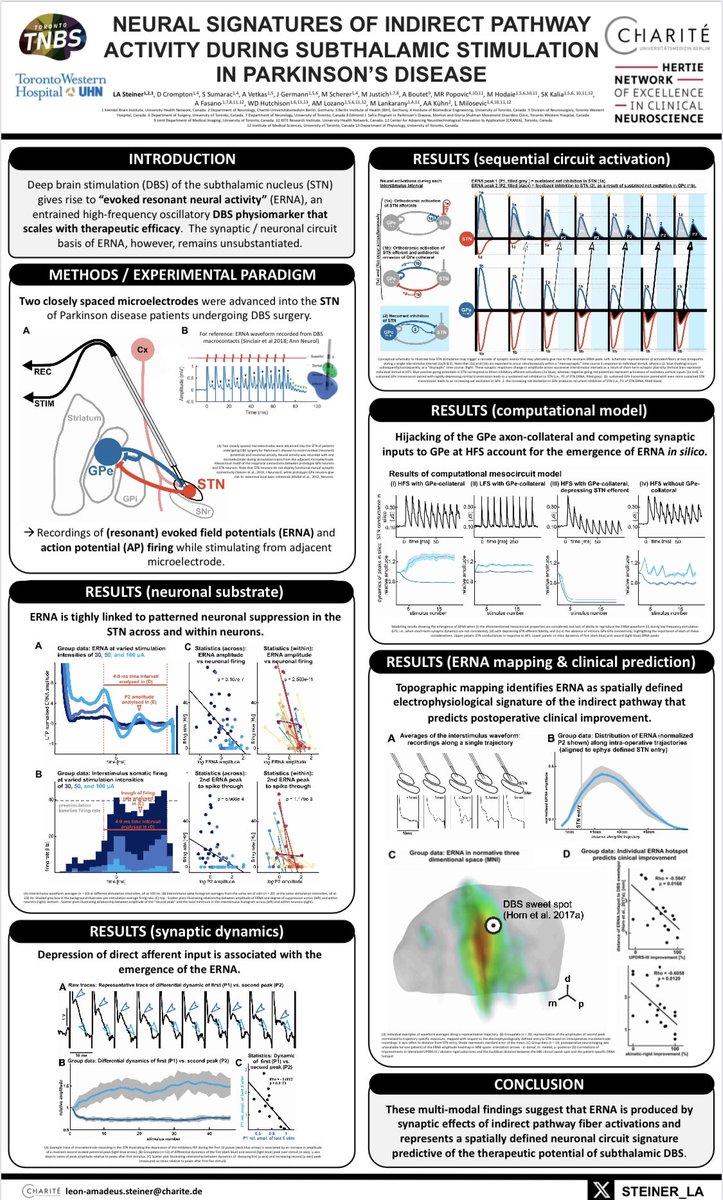
🎉Excited to share our latest research published @NatureComms. We study how STN-DBS engages the subcortical circuitry to produce therapeutic relief and how this recruitment is reflected in #ERNA.
-> link to publication: https://t.co/jYo6COVet8
-> thread 🧵👇
Happy our work on the synaptic mechanism of #ERNA won a @dgkn_news posteraward 🏆
// We show that STN-#DBS is not simply a lesion but a spatially defined neuronal 🧠circuit intervention predictive of therapeutic efficacy⚡️
—> Publication and tweetorial🧶out soon. Stay tuned!
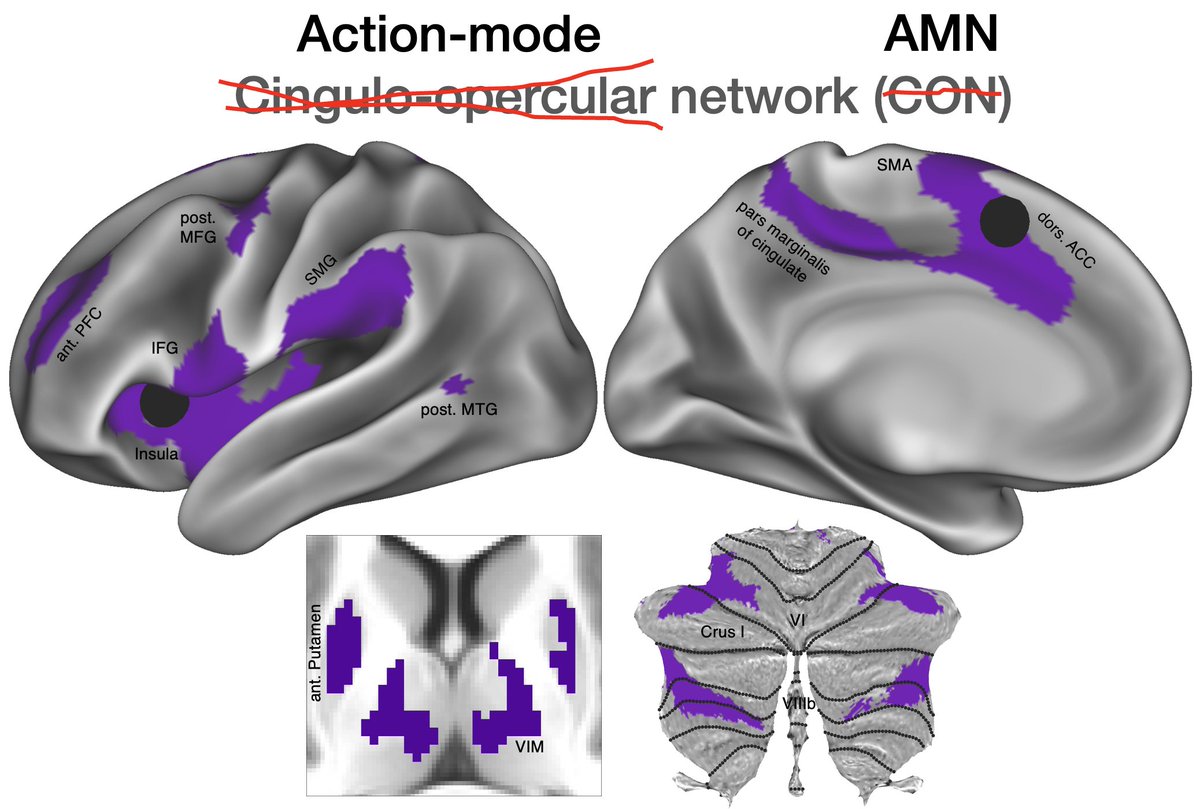
Introducing the Action-Mode Network – AMN. Better late than never! 17 years ago, we clumsily called this the Cingulo-opercular Network (CON) based on its anatomy (we weren’t exactly sure what it does). Now we’ve finally got the evidence to give it the functional name it deserves: the Action-mode Network (AMN). Find our arguments here: https://t.co/z8290fmmVB with the peerless Marc Raichle and the brilliant @gordonneuro. 🧵 ↓
Excited about this ‘review of all reviews’ about thalamic DBS for tremor by @c_neudorfer. In a new tour de force article, Clemens covers … 🧵1/N
https://t.co/qPwwCDaMDg
The brainstem’s red nucleus was evolutionarily upgraded to support goal-directed action (https://t.co/zHzPJTNQXc) ... Originally for quadrupedal locomotion, it is for action in humans. Functionally connected to the action (CON, SCAN) and salience networks, including ant. prefrontal cortex, not motor regions.