Ancient Egyptian headdress worn by queens and goddesses, circa 100BC.
The inlay in the form of a vulture has more than 100 stones: lapis lazuli, turquoise, petrified wood and an unidentified white stone painstakingly cut to shape and separated by thin plates of gold.
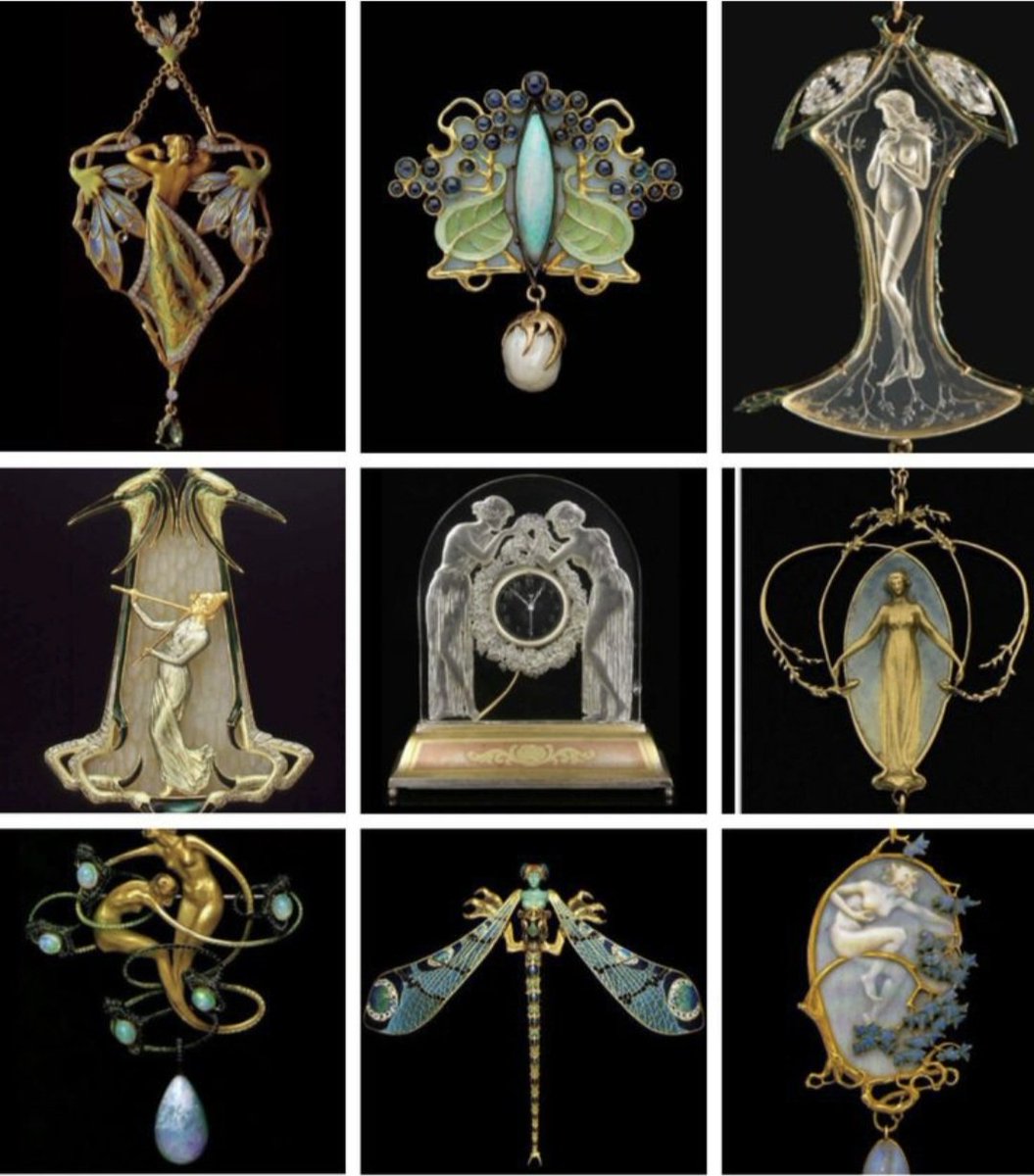
Some pieces of art never lose their charm. René Lalique turned jewelry into something truly extraordin. where nature, elegance and craftsmanship come together beautifully.
Hundreds of thousands of oval holes cover the American east coast and they nearly all point the same way.
The Carolina Bays run from New Jersey down into Florida, shallow depressions in the ground, some of them half a mile across.
Estimates of how many there are run as high as 500,000.
Most are aligned on roughly the same axis, which is the part that has kept people arguing since the 1930s.
Lidar surveys made the pattern obvious once the trees were stripped out of the picture.
Geologists still do not agree on what made them.
The oldest picture anyone has ever found is on an island you cannot walk to.
A painted pig at Leang Karampuang in Sulawesi, dated to at least 51,200 years. Deep water on every approach, so the painters crossed it.
We treat that date as the beginning of art, but it’s actually just the oldest thing that happened to survive on a rock face.
@Gaurab CEO- Hey guys! wtf! How did our cost ballon another 12%!?! What do I tell the board and investors??
CTO- “We needed to install these rack slides…”
A CITY LOST IN THE DESERT FOR 600 YEARS… AND THE MYSTERIES IT LEFT BEHIND
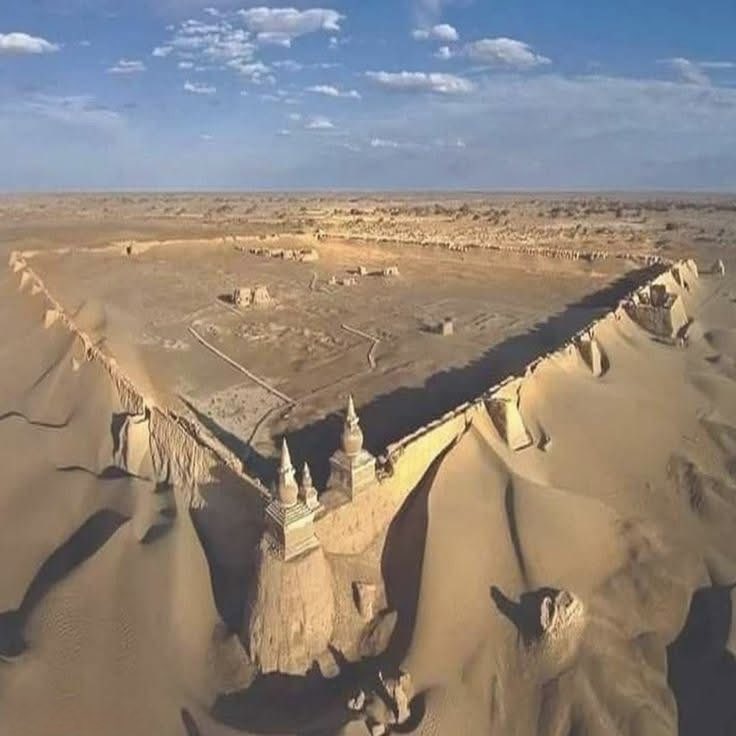
Deep in the vast Gobi Desert of northwestern China stands one of the most haunting ancient ruins in the world: Khara-Khoto, also known as the Black City. Built around the 11th century, this once-thriving settlement was an important military and trading center of the Western Xia Dynasty. Its strong defensive walls, busy streets, Buddhist temples, and remarkable architecture once made it a significant city in this remote desert region.
But its story took a dramatic turn in 1372, when Ming Dynasty forces besieged the city. According to historical accounts and local legends, the attackers cut off its water supply by diverting the nearby river. Without water in the middle of the desert, survival became almost impossible. The city eventually fell, and its people disappeared from history, leaving behind a settlement that would slowly become buried beneath the desert sands.
Today, its massive mud-brick walls still rise above the golden dunes. Ancient towers, ruined buildings, and the remains of religious structures offer a glimpse into a civilization that once flourished here. For centuries, the city remained largely forgotten until Russian explorer Pyotr Kozlov reached the ruins in 1908. His expedition uncovered thousands of ancient manuscripts, Buddhist paintings, books, and other remarkable artifacts, revealing valuable details about the forgotten Tangut civilization.
What makes Khara-Khoto especially fascinating is how much of its history survived beneath the sand. A city that once supported thousands of people, welcomed travelers, and played an important role in regional trade was eventually reduced to silent ruins.
Today, the desert surrounds its ancient walls as if trying to hide them once again. Yet every surviving structure tells a story of human ambition, faith, war, and the passage of time.
How many other lost cities are still waiting to be discovered beneath the world’s deserts?
Sources: International Dunhuang Programme (British Library) – Revisiting Kharakhoto; National Institute of Informatics, Japan – Silk Road in Rare Books.