Marie Curie (1867–1934) was the first person in history to win Nobel Prizes in two different sciences, Physics and Chemistry, and the one who gave a name to a mysterious phenomenon called radioactivity.
Born in Poland, she moved to Paris with very little money and lived in difficult conditions while pursuing her education. Alongside her husband Pierre, she worked in a crude, leaking shed, processing tons of pitchblende ore by hand.
It was slow and exhausting work, but hidden within that dark material were two new elements, polonium and radium, waiting to be discovered.
Her most important insight changed science forever. Radioactivity was not a chemical process. It came from within the atom itself.
At a time when atoms were believed to be indivisible and unchanging, this idea broke open the foundations of physics and chemistry and revealed a deeper, unseen world.
But her discoveries came at a cost. For years, she handled radioactive materials without protection, unaware of the danger. Gradually, the very energy she studied began to harm her body.
She died from aplastic anemia caused by long-term exposure to radiation. Even today, her notebooks remain radioactive, silent evidence of the work that transformed our understanding of matter.
She did not just study the atom. She showed that even the smallest building blocks of nature are not still, but full of hidden energy and change.
Leonardo da Vinci may be best known for the Mona Lisa or his flying machine sketches.
But among his innovative designs is another remarkable structure: a sturdy bridge that can be assembled and disassembled quickly with wooden logs.
Since Neptune was discovered in 1846, it has completed exactly ONE orbit around the Sun.
In that single Neptunian "year," humanity went from horse-drawn carriages to the International Space Station. We invented the lightbulb, split the atom, and birthed the internet while one blue giant simply finished its lap.
We are a frantic, brilliant, and terrifyingly fast species living in the blink of a cosmic eye. Perspective is a hell of a drug.
Credit: SeekersoftheCosmos
From Apollo to Artemis!
Check out this incredible side-by-side trajectory comparison of Apollo 11, 13, and Artemis II.
We’ve come a long way in our journey to the Moon! Which mission’s path surprises you the most?
Credit: ansys_inc
Artemis II is on its way home after traveling around the Moon!
You’ve seen the incredible images, but this mission was so much more. It laid the foundation for future Moon and Mars exploration.
Here’s the science performed during their journey. 🧵 (THREAD)
We have increased the cadence of Artemis missions.
In 2027, the Artemis III mission will test one or both commercial landers from SpaceX and Blue Origin in low Earth orbit. In 2028, Artemis IV will become the first Artemis lunar landing.
Hello, Moon. It’s great to be back.
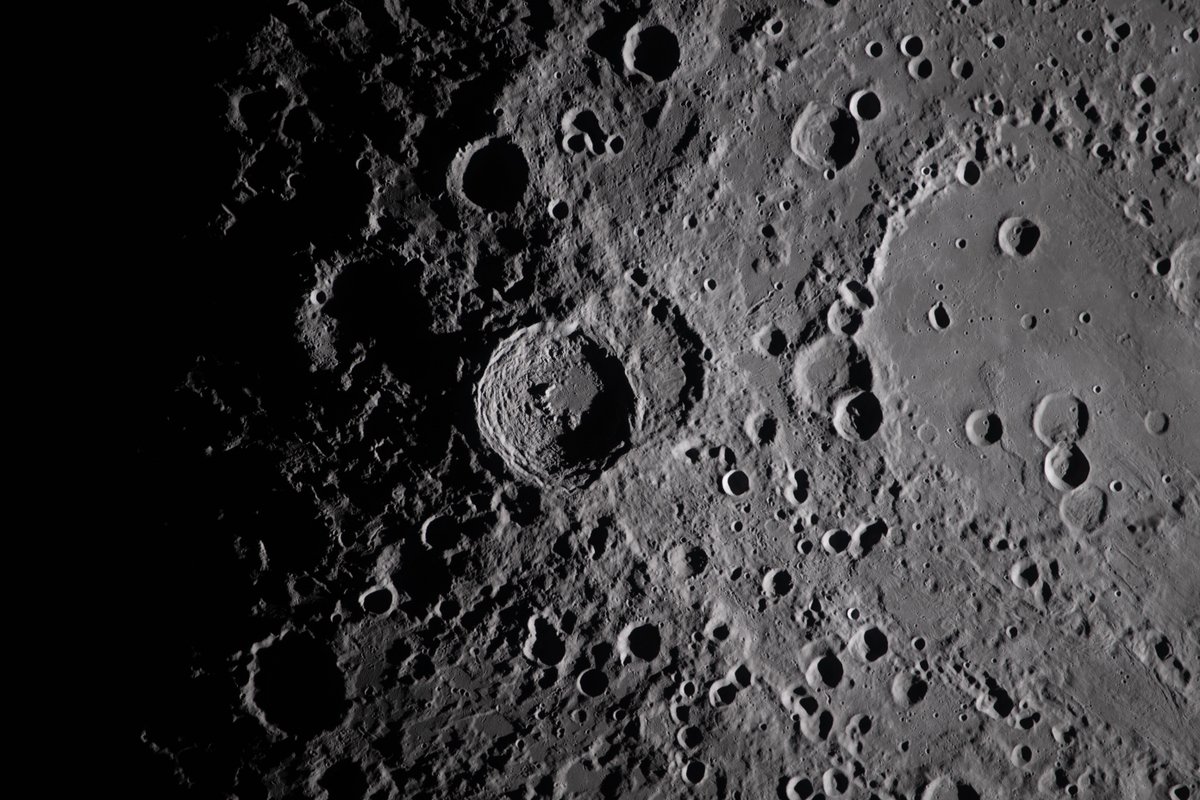
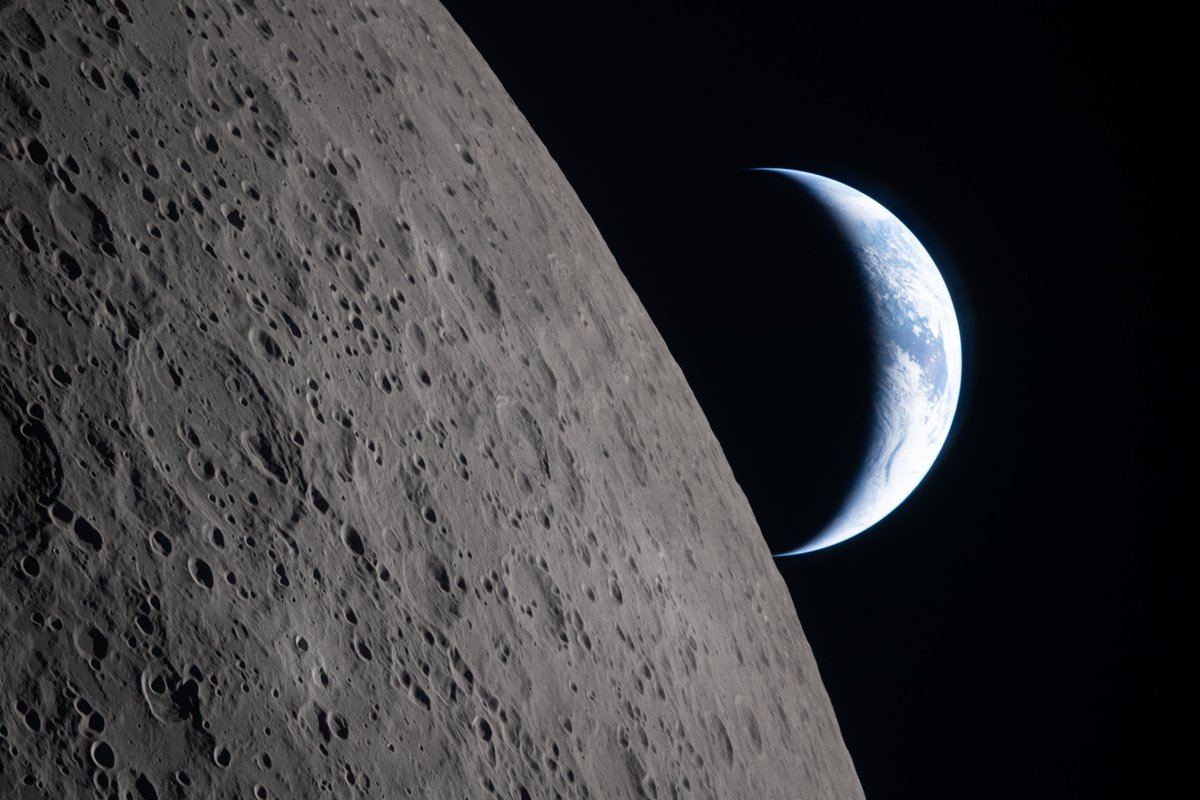
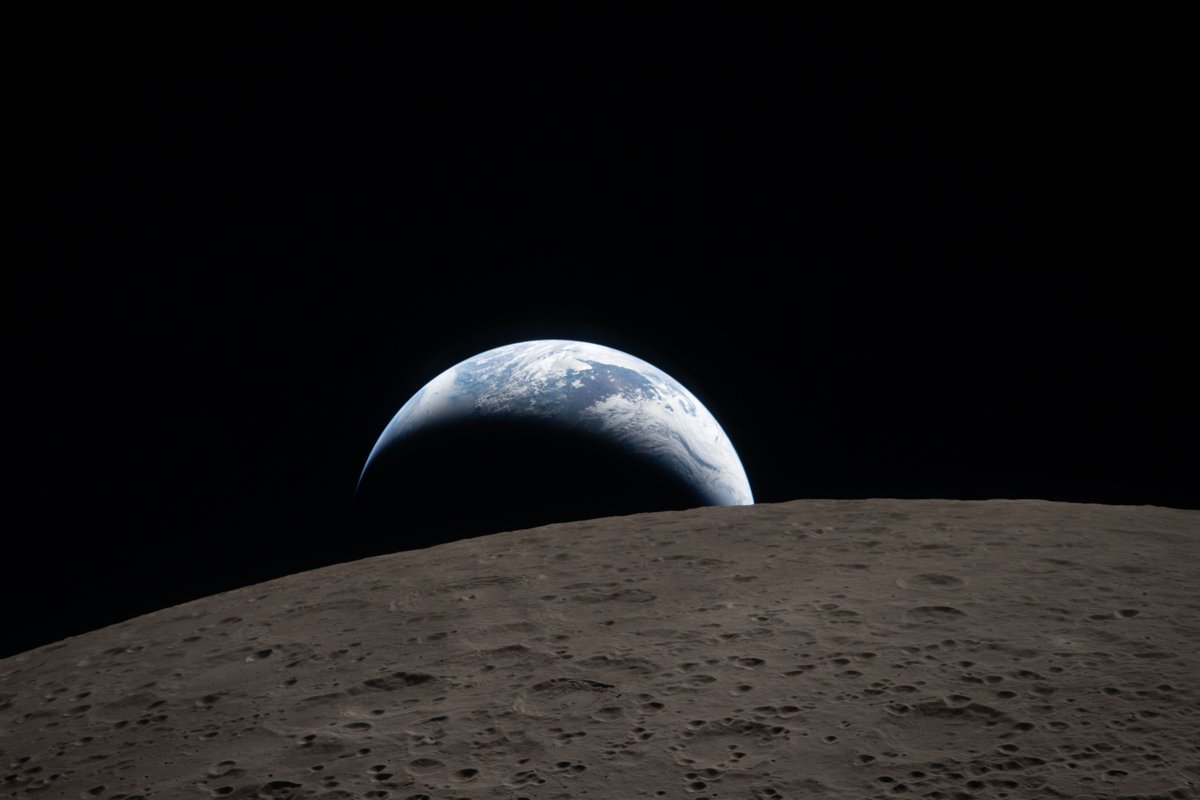
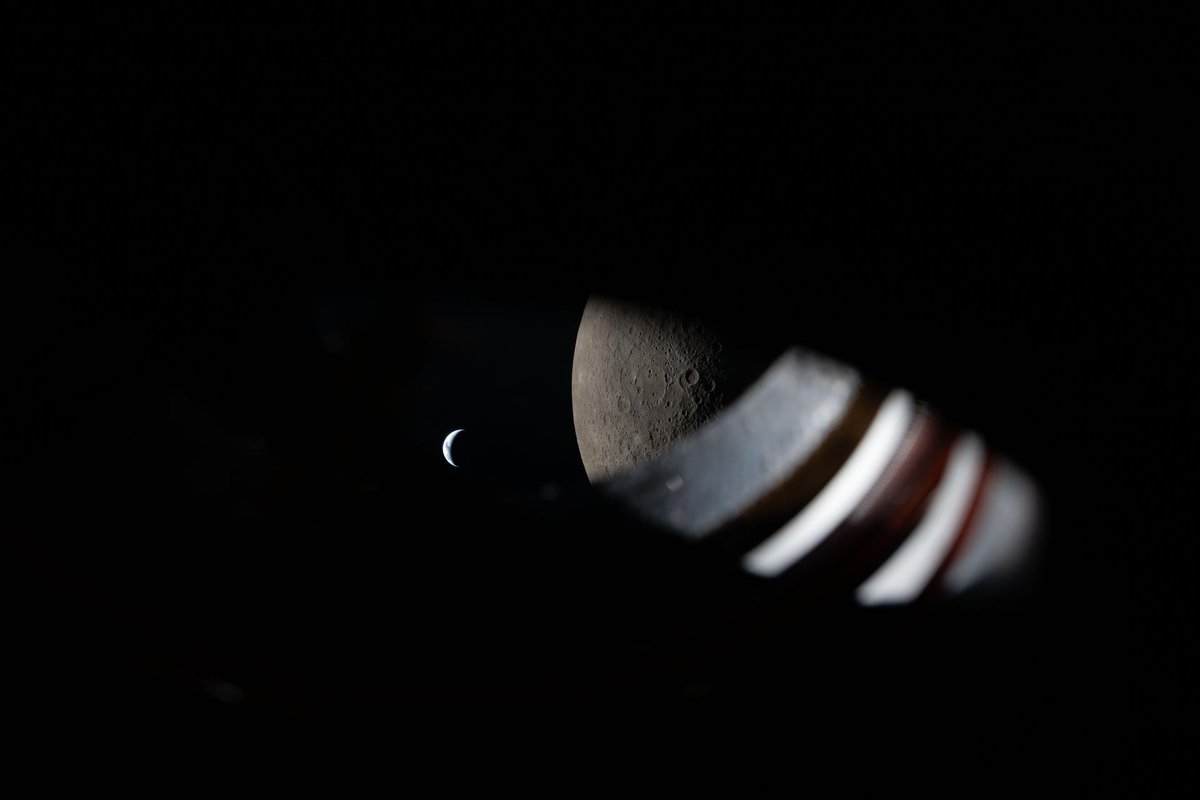
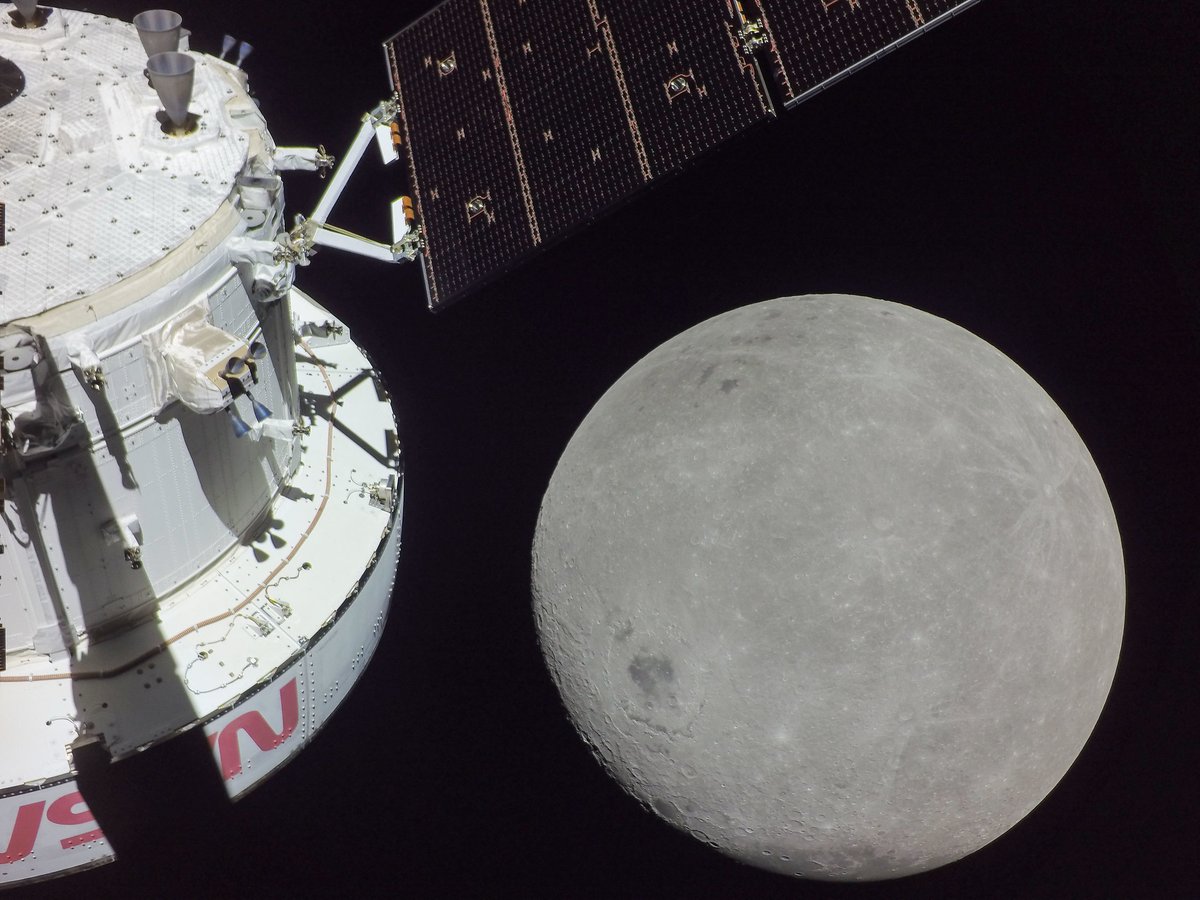
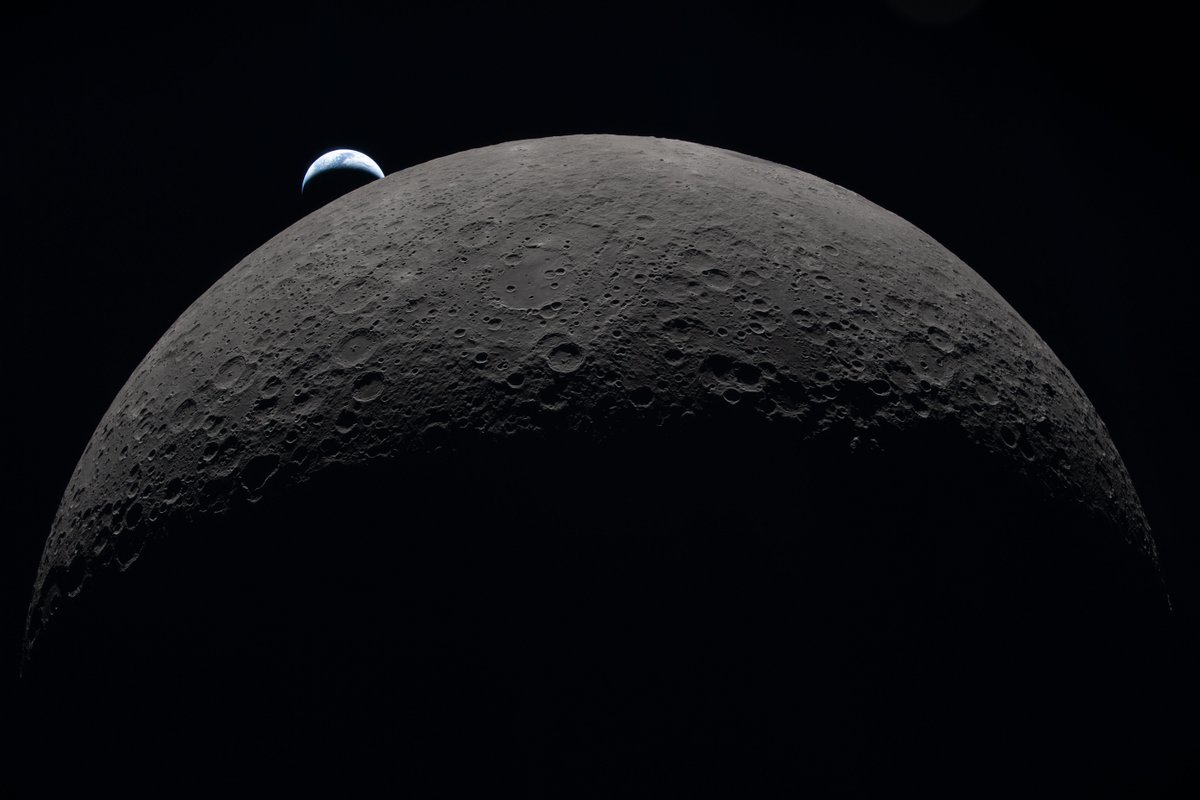
Here’s a taste of what the Artemis II astronauts photographed during their flight around the Moon. Check out more photos from the mission: https://t.co/rzM1P0QbOl
It’s not a straight shot to the far side of the Moon! 🌕
Over approximately 10 days, the Artemis II astronauts will orbit Earth twice before looping around the far side of the Moon in a figure eight and returning home.
Liftoff.
The Artemis II mission launched from @NASAKennedy at 6:35pm ET (2235 UTC), propelling four astronauts on a journey around the Moon.
Artemis II will pave the way for future Moon landings, as well as the next giant leap — astronauts on Mars.
Join us for a rare look inside the ATLAS Experiment at @CERN!⚛️
Go 100 m underground with ATLAS physicists Dr Christian Appelt and Dr Despoina Sampsonidou for an exclusive Open Virtual Visit.
📅 Thurs 29 January at 5 pm CET
📍 Live on Zoom
🔗 Register: https://t.co/hIOp7WlHM8