Jesse Livermore made and lost fortunes multiple times.
Stan Druckenmiller shorted $200M worth of internet stocks in 1999 and lost $600M within weeks. Every one of those companies eventually went bankrupt. He was right about the businesses but was wrong on timing.
Kristjan Kullamägi grew his account to $105M, then gave back nearly $60M in about eight months.
Dan Zanger turned a five-figure account into $42M, then reportedly suffered a 75% drawdown.
Paul Tudor Jones lost 60 to 70% of the equity he was managing on a single cotton trade. He nearly quit trading.
These are some of the greatest traders to ever do it. People who understood markets better than most ever will. None of that made them immune to devastating losses.
I was doing my usual re-listen of “Best Loser Wins” by Tom Hougaard, and two stories really stayed with me.
One was about Adam, a brilliant trader with extraordinary patience and discipline. He had built great wealth through his trading. Then one heavily leveraged trade went wrong and wiped out nearly half of it.
But that loss alone wasn’t what destroyed him. It was his inability to accept it and move on. He abandoned the discipline that made him successful in the first place, started doubling down, and desperately tried to make it all back fast.
He went on to lose everything. His money, his home, his family. He ended up homeless.
Then Hougaard talks about another friend who had been trading full-time for 15 years.
He never made “f**k you” money. He earned what someone in a well-paid corporate job would. He paid his bills, took his family on vacations, bought a nice car, and was home when his kids got back from school.
We spend so much time admiring huge returns and huge accounts. And rightfully so. They’re worth admiring, even aspiring to. But we rarely talk about what it takes to keep what we’ve made, or what we’re willing to give up chasing more and more.
Very very few end up as Market Wizards. Then there is the guy who is home when his kids get back from school.
The photo shows the original 18th century Maratha cavalry "bhala" that was often 12 feet long. Made from hollow bamboo, they were light enough for one hand and flexible enough not shatter on contact. This is what made them deadly. Tactical use: A small squadron of Maratha horsemen would ride rapidly toward the enemy line, brandishing their ultra-long bhalas. They would deliberately stir up massive clouds of dust to obscure their true numbers.Just as they drew close to the enemy's musket fire range, the Marathas would abruptly turn their horses and flee in apparent panic and disorder. Seeing the enemy run, opposing commanders or overeager cavalry would often break their disciplined formation to give chase. The moment the enemy line fractured, the Marathas would instantly wheel their highly agile horses around and counter-attack. The British eventually developed packed musket formations (such as squares) to beat cavalry. This was then used against Napoleon at Waterloo by Wellington
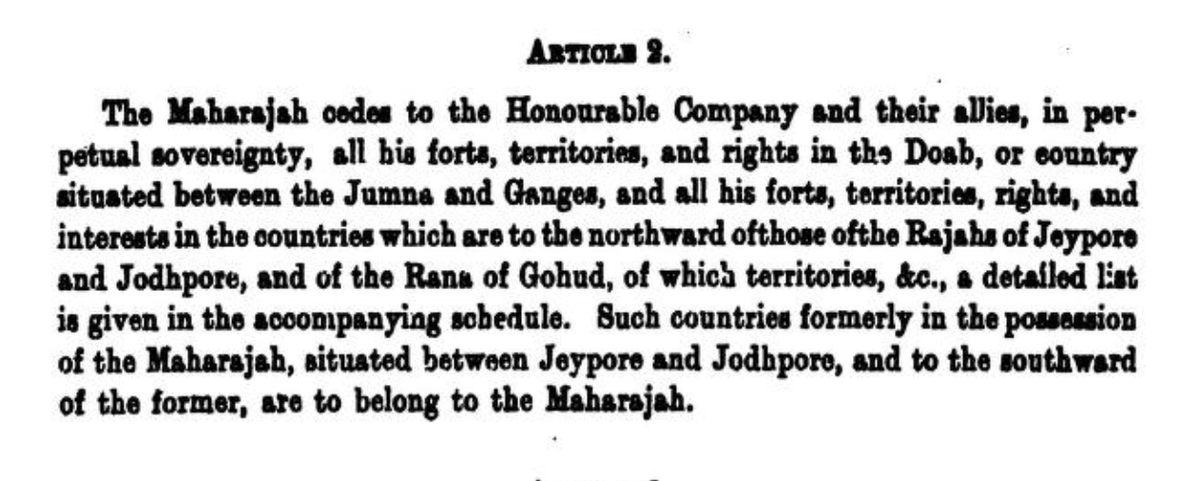
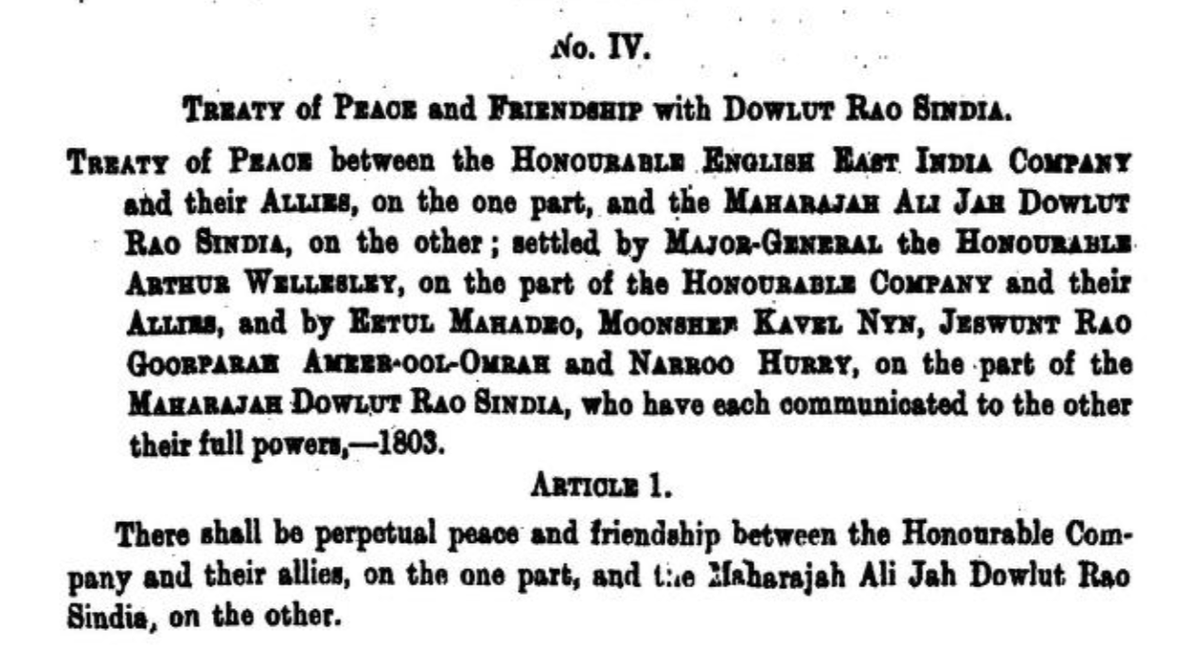
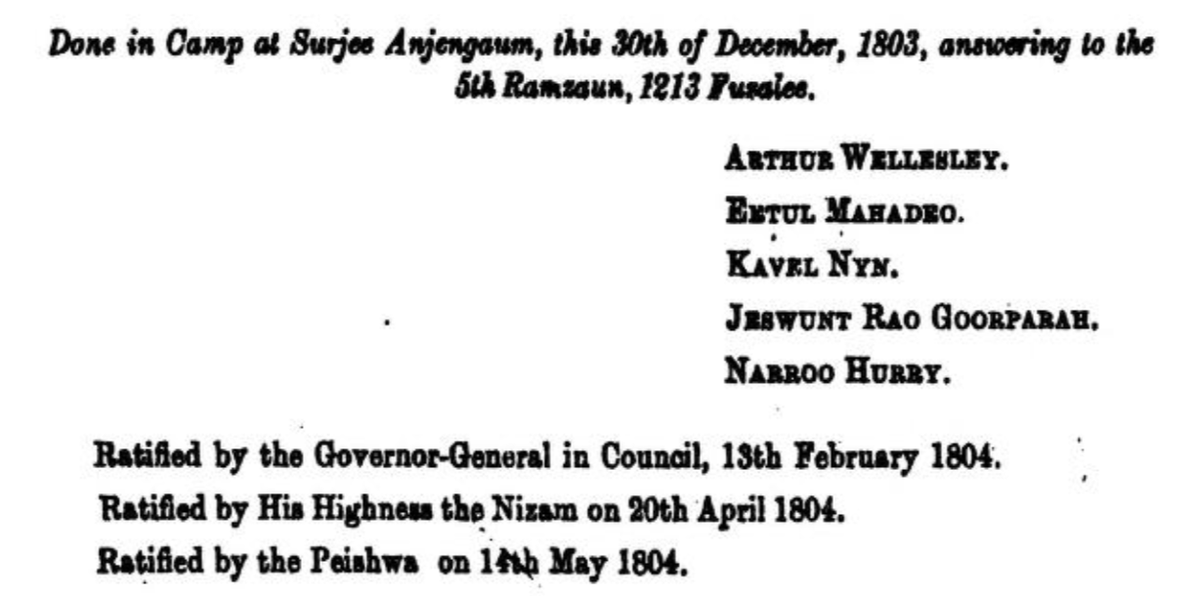
Its obv a joke, but in practice, the treaty by which the English acquired Delhi was signed with Daulatrao Shinde.
The Mughals are not even a party to the treaty.
Bajirao II and the Nizam (for Shinde territory adjustment in Deccan) are the only two states to be involved.
One of the biggest differences between a novice and an experienced trader is their relationship with losses.
One keeps holding because he cannot afford to accept the loss.
Another knows that being wrong costs money, but refusing to be wrong can cost a fortune.
What a Proud Sanatani
Has 9L Cows in his Shelter
In states where Cow Slaughter is legal, his teams are always there to rescue the Cows
Hats off to Anant Ambani
Evren seni yormak için tasarlanmadı ama düzensizliğe doğru akmak için tasarlandı.
Tükenmişliğin fiziği tam olarak bu
Bir fincan sıcak kahve masada kendiliğinden soğur. Hiçbir zaman soğuk bir kahvenin kendiliğinden ısındığını görmezsin. Buna termodinamiğin ikinci yasası deniyor. Kendi hâline bırakılan her sistem düzensizliğe kayar. Odan dağılır, araba paslanır, bahçe yabani otlarla dolar
Düzeni korumak enerji ister. Uluslararası Uzay İstasyonu'nda astronotlar zamanlarının büyük kısmını bilimsel deneylere değil bakıma onarıma ve sistemleri ayakta tutmaya harcıyor. Dışarıdan sakin görünen istasyon aslında kendini bir arada tutmak için durmadan çalışan bir makine
Zihnin de öyle. Beyin vücut ağırlığının yüzde ikisi ama dinlenirken enerjinin kabaca beşte birini yakıyor. Her gece uykuda glimfatik sistem gün boyu biriken metabolik atığı dışarı süpürüyor. Uykuyu kestiğinde bu bakım aksıyor
Tükenmişlik tam burada başlıyor. Giren enerji çıkan enerjiden uzun süre az kalınca sistem düzenini taşıyamaz hâle geliyor. Önce küçük arızalar çıkıyor. Dalgınlık unutkanlık sabah kalkamamak. Sonra uyku bozuluyor. Uyku bozulunca onarım aksıyor ve bu da seni daha da yoruyor
Bir de yarım kalan işler var. Zihin tamamlanmamış işleri tamamlanmışlardan daha güçlü taşıyor. Cevapsız mesajlar ertelenen kararlar yarım projeler hepsi arka planda küçük birer enerji sızıntısı
Bunu çözmek için sana büyük bir hayat değişikliği gerekmiyor
Uykuyu pazarlık konusu yapma Akşam işten zihinsel olarak kop çünkü bu lüks değil soğuma döngüsü Yarım işlerini tek listeye yaz ve her birinin yanına küçük bir sonraki adım koy Moral düzelmesini bekleme küçük bir hareketle başla çünkü çoğu zaman eylem duyguyu izler Anlamı bağlantıyı ve oyunu hayatından çıkarma çünkü onlar sistemin enerji girdisi
Ve şunu da unutma. Bazen sorun sen değilsin. Kaynağın giderden hızlı tükendiği bir sistemin içindesin ve değişmesi gereken sistem
Düzen bir kez kurulup bırakılan şey değil her gün yeniden verilen bir emek. Dinlenmek de o emeğin tembel molası değil bizzat parçası
Very intelligent analysis of Devendra Fadnavis on ongoing anarchy efforts in India
He said that CJP and Congress are ultra-leftist groups; they show constitution and target constitutional bodies, and they aim to end the Constitution and establish ultra-leftist rule in India
Here’s what you do when you have the truth on your side.
Mamata filed Multiple FIRs against me, interrogated me and my husband for hours and even filed a CID case.
I offered no apology. No undertaking. No bond. No application for anticipatory bail. No compromise.
I left my home. Sold my business. Moved across the country with my baby. I survived and fought. The court said the FIRs were vindictive and forced the state to either withdraw or face punitive costs.
Court asked if I wanted to fight for compensation. I refused. I don’t want blood money.
That’s how you fight for the truth, you cowardly anarchist.
Add - you signed a bond because you knew you’d be arrested. You knew you had sparked anarchy and violence. You KNOW you are a criminal.
The state in your case followed the law. The only criminal and the only coward here, is you.
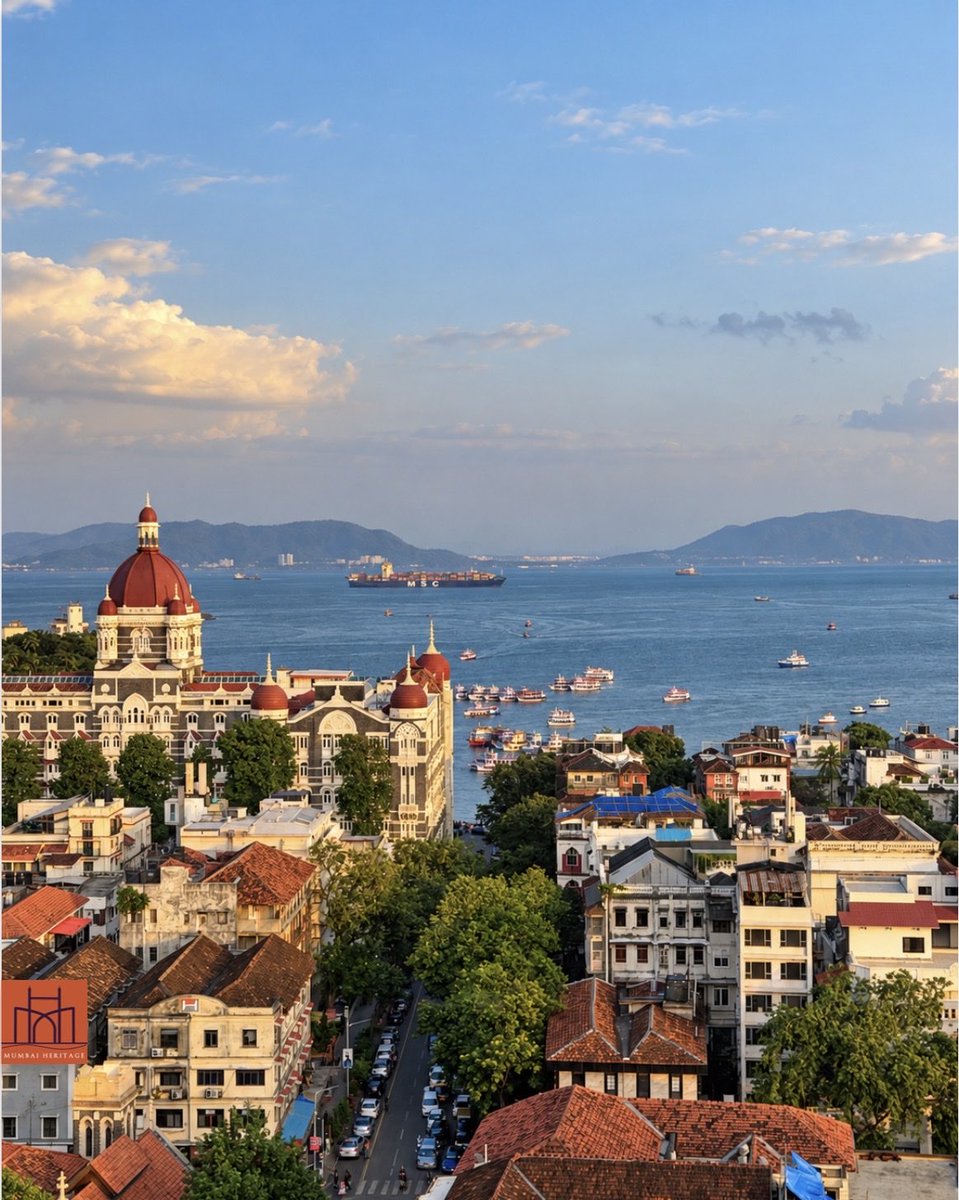
Good evening from Mumbai.
For a moment, this almost feels like Italy.
But those terracotta rooftops, the harbour and the Taj remind you… this is Mumbai.
You get what you compound for. Neuroplasticity is such an epic concept. Whatever we repeat is what we become. Repeat excellence and become excellent.
Spend your time very carefully. Your daily routine decides the long term outcome eventually.
Daily actions create habits
Goodnight on this note
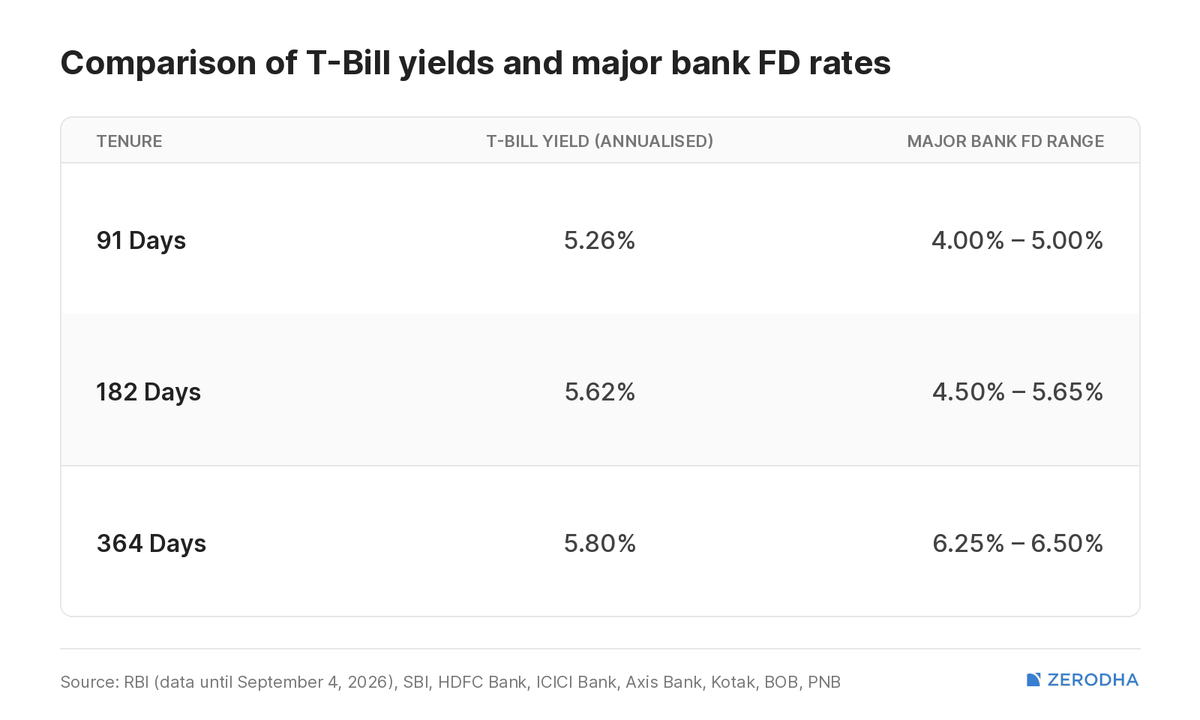
If you are looking to park cash for the short term, Treasury Bills (T-Bills) are a good alternative to bank fixed deposits.
On shorter tenures (91 and 182 days), T-Bills typically offer higher yields than matching bank FDs.
You can invest in T-Bills directly on Kite under Bids > Govt. Securities. The bidding window is open every week on Monday and Tuesday.
Here is a quick breakdown of how T-Bills work:
T-Bills are issued by the RBI on behalf of the Government of India.
Unlike bonds, which pay periodic interest, T-Bills are issued at a discount and redeemed at face value (₹100) on maturity. The difference is your return.
For example, if you buy a T-Bill at a discounted price of ₹98, you receive the full ₹100 at maturity. The ₹2 difference is what you earn.
If you trade in the markets, you can also pledge 182-day and 364-day T-Bills for collateral margin and are considered cash-equivalent.
One of the best things you can do for your trading is to share your work, discuss with others and be open for other peoples ideas.
In the last 60 days I've gotten 850,000 views on the articles I've published and a lot of users for https://t.co/QVPpmnjW8q
Discussing and getting pushback on ideas helps me refine and really think deep about concepts
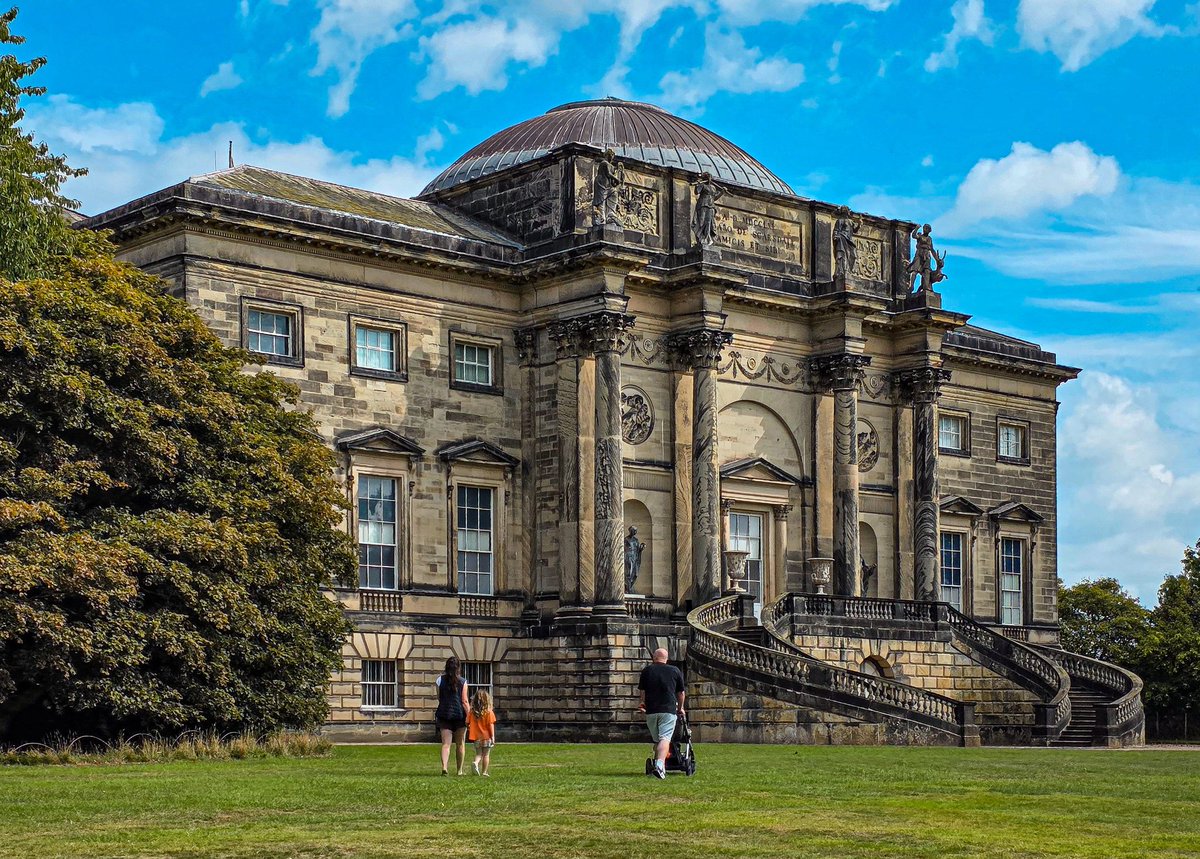
Houses of the Viceroys: The Curzon Estate
In the last couple of years, I have become obsessed with tracking down the remnants of the Raj dotted around the UK. More recently, however, I have been exploring the houses of the Viceroys of India.
As someone who grew up as an NRI in the Middle East, I’ve always found the debate around India’s history curriculum deeply personal rather than merely political.
I studied Islamic Social Studies and Arabic throughout my early schooling. I then spent a year in a convent where mornings began by reading from a hymn book. I eventually completed my education through the Cambridge GCSE and A-Level system. Looking back, what strikes me isn’t that I learnt about other cultures and faiths. That was never the problem. The problem was how little I learnt about my own.
If you had asked me to explain India’s historical chronology back then, my understanding was embarrassingly simplistic. In my mind, the British had simply taken India from the Mughals. Thousands of years of civilisation before that barely existed in the education I received.
It was only much later that I learnt the British did not establish dominion over India by merely replacing a powerful Mughal Empire. By the late eighteenth century, Mughal authority had largely collapsed beyond Delhi. Before the East India Company could become the dominant power on the subcontinent, it had to fight and ultimately prevail in three hard-fought Anglo-Maratha Wars between 1775 and 1818 against the Maratha Confederacy, which had become the foremost indigenous power across much of India. Yet, in the curriculum I grew up with, this immense struggle for the subcontinent often felt like little more than a footnote compared to the space devoted to the Mughals and the Raj.
Everything I knew about the Mahabharata, the Ramayana, the Mauryas, the Guptas, Shivaji Maharaj, Chanakya and countless other chapters of our civilisation came not from school, but from the stacks of Amar Chitra Katha comics my mother would buy for me every time we returned to India during our vacations.
No child should have to discover the story of their own civilisation by accident.
Teaching Indian history with greater depth and continuity doesn’t require diminishing anyone else’s history. It simply means ensuring that Indian children, wherever they grow up, leave school knowing that our story did not begin with the Delhi Sultanate, the Mughals or the British. Those were important chapters, but they were chapters in a civilisation whose history stretches back millennia.
As thousands of Warkaris walk 100+ km to Pandharpur with faith and devotion, we’re making a small contribution towards their oral health. 🦷🙏🏼
A healthy body deserves a healthy smile too.
One small step towards a bigger mission: transforming India’s oral health, one smile at a time. ❤️