Construction Setting Out Survey
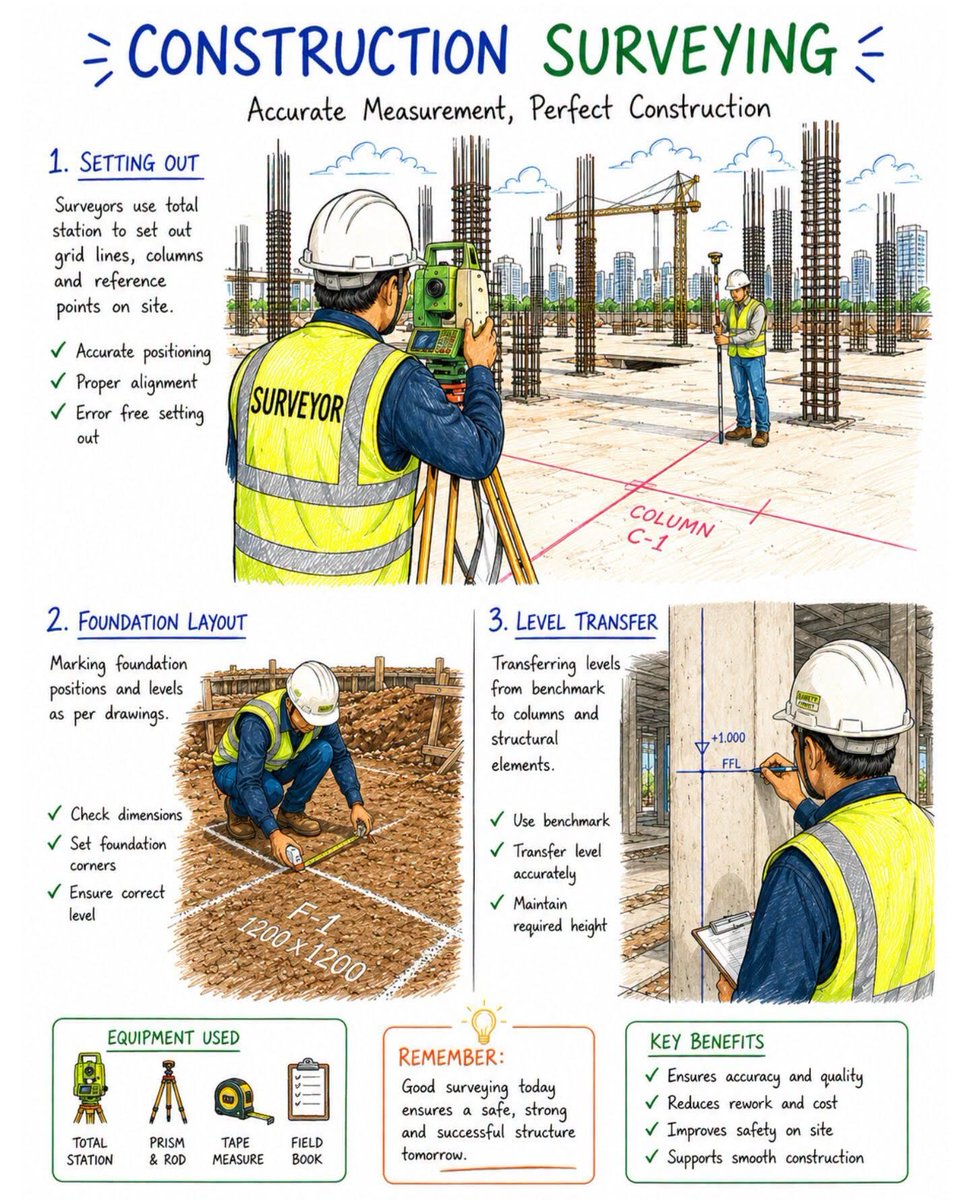
Construction setting out is the process of transferring design coordinates, grid lines, foundation locations, and column positions from drawings to the actual site. Accurate setting out ensures correct alignment, dimensions, and levels for safe and quality construction.
#ConstructionSurveying #SettingOut #SiteLayout #CivilEngineering #SurveyorLife #TotalStation #FoundationLayout #ColumnSettingOut #ConstructionSite #EngineeringSurvey #BuildingConstruction #LevelTransfer #SiteEngineering #StructuralEngineering #ConstructionManagement
🚨: Quantum Physics shows that objective reality doesn't exist
Properties of a particle do not have a definitive state until they are measured. This challenges the classical idea of "objective reality"—the belief that the universe exists independently of observation.
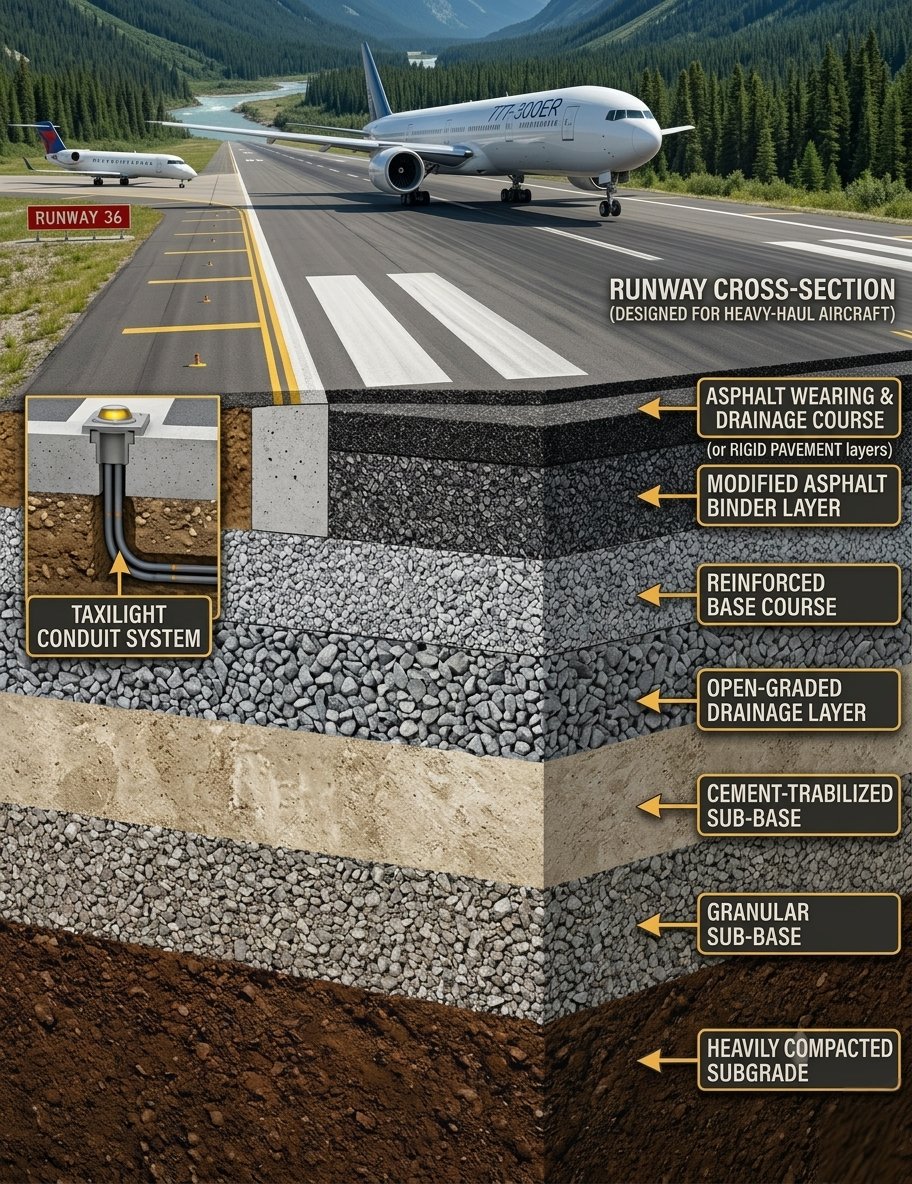
New Civil Engineering Visualization Showcase 🛠️✈️
Excited to share this hyper-realistic, technical cross-section showing exactly what it takes to support a Boeing 777-300ER on a runway designed for heavy-haul aircraft. This visualization breaks down every layer, from the asphalt
i bet audience for @BBCAfrica focus on Africa has plummeted since replaced the serious daily serious journalism news with silly joke which is 30 minutes of gibberish
back in the old days, 20y ago, one could write a 3 volume thesis on this history of post independence #africa by listening to @BBCAfrica and network africa - today, the programme is 30 minutes idiotic tete-a-tete gibberish designed to reduce IQs of listeners @bbcworldservice
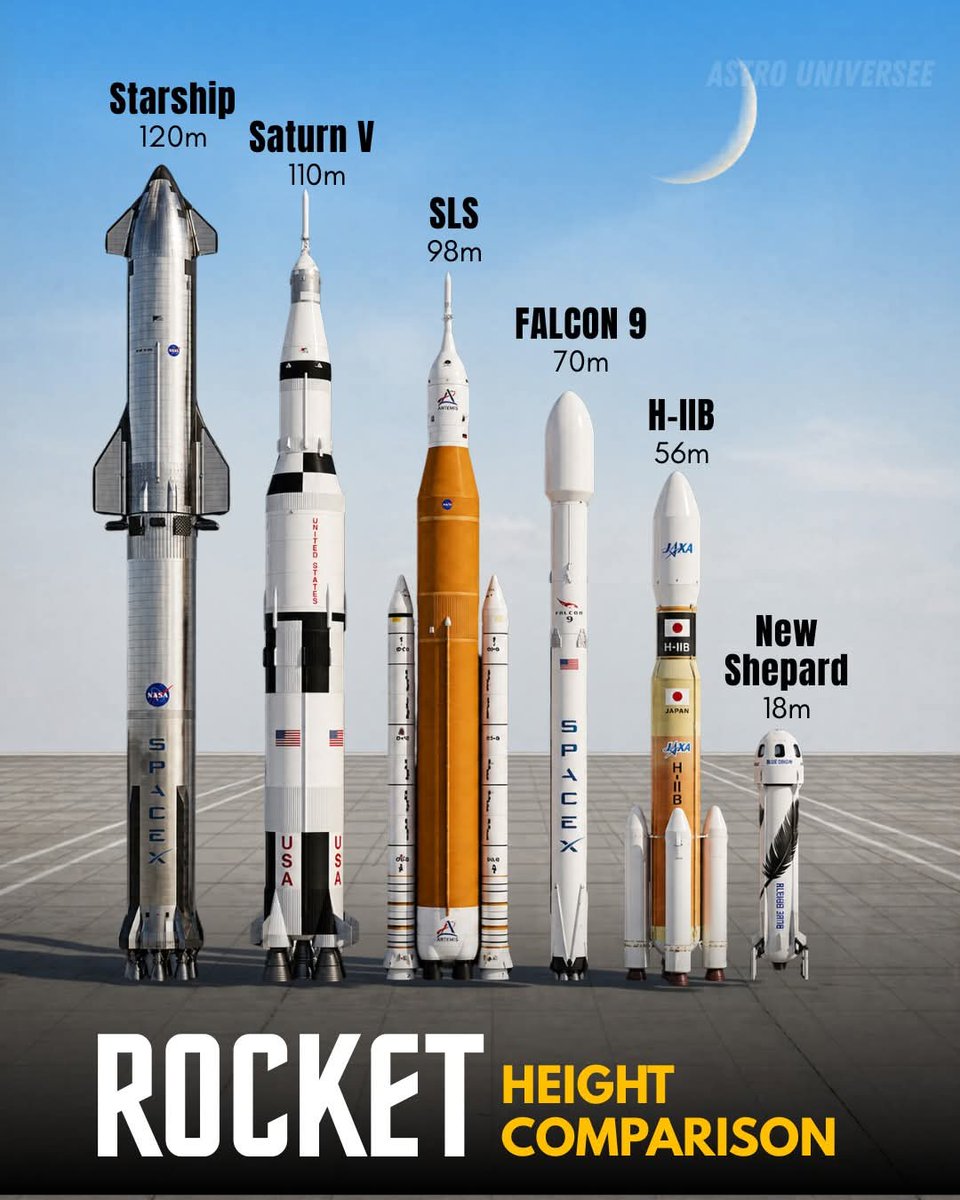
Rocket Height Comparison:
Size Reflects Ambition From short tourist hops to Moon missions and future Mars voyages, a rocket’s height is a direct reflection of its power and https://t.co/dAEDuASBFO’s how they stack up: Starship (SpaceX) — 120 meters
The tallest and most powerful rocket ever built. Fully reusable and designed for deep space exploration, including crewed missions to the Moon and Mars. Saturn V — 110 meters
The legendary NASA rocket that carried astronauts to the Moon during the Apollo program. Still the benchmark for heavy-lift lunar capability. Space Launch System (SLS) — 98 meters
NASA’s current deep-space workhorse, built for Artemis missions that will return humans to the Moon and eventually send them farther into the Solar System. Falcon 9 — 70 meters
SpaceX’s reusable workhorse that revolutionized orbital access. The first rocket to land and fly again routinely, drastically lowering launch costs. H-IIB — 56 meters
Japan’s reliable heavy-lift launcher, used successfully for cargo missions to the International Space Station and scientific satellites. New Shepard (Blue Origin) — 18 meters
A much smaller, fully reusable suborbital rocket designed for short space tourism flights above the Kármán line.Bigger isn’t always better — but when you’re sending humans beyond Earth orbit or carrying massive payloads, every extra meter of height usually means more propellant, more power, and greater ambition.
Which of these giants impresses you the most?