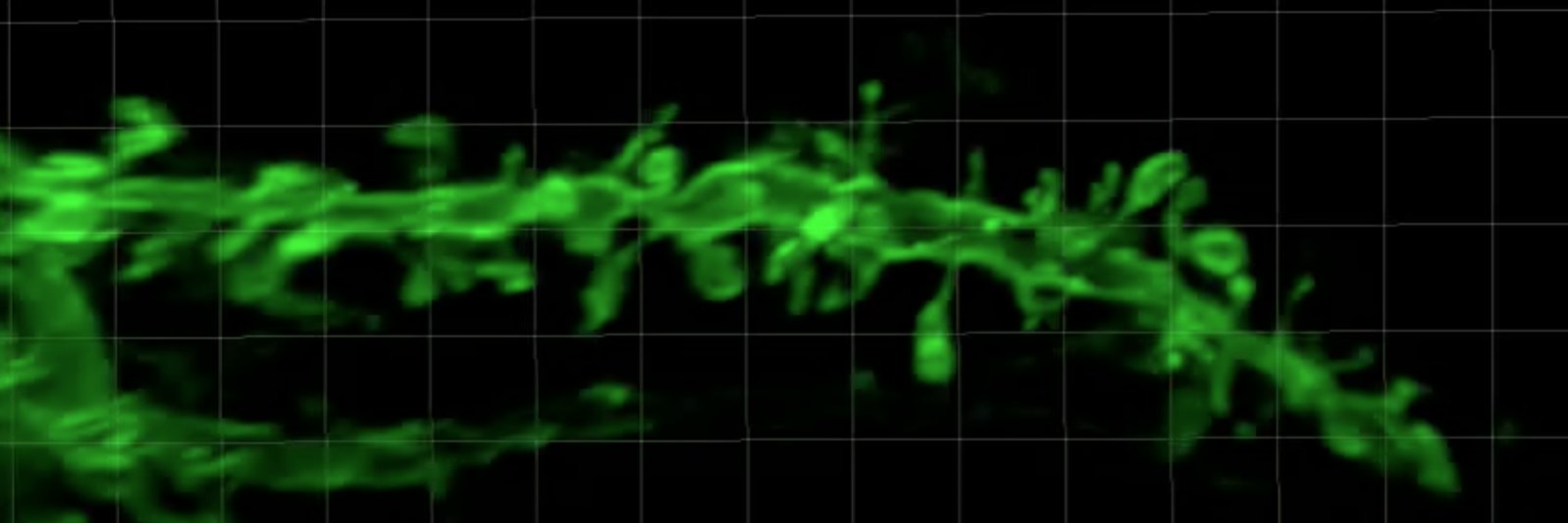
You have until June 22 to submit your #ReproBioArt! Share your reproductive research discoveries captured in a single image. Any format or style is welcome. Get inspired and submit your work today!👇 Gallery & submission page: https://t.co/DYAE1Adhh8
This paper took nine years and was, honestly, a labor of love and a fair amount of suffering. It took several labs, sustained NIH support, and a lot of people who stuck with it, a whole village!
It is one of the largest cocaine self-administration studies ever done in rats. Definitely my biggest experiment (so far). Most self-administration study runs dozens of animals. We phenotyped 836, with extended access over several weeks, plus measures of escalation of intake, motivation under progressive ratio, and continued use despite footshock.
A quick breakdown of the results.
First, we replicate our earlier behavioral analysis, which used about half as many animals (https://t.co/Dr3KgwYGz6): escalation of intake, motivation to seek cocaine, and compulsive-like responding are tightly correlated and cluster together. Now, with more animals we now resolve finer structure. The behaviors separate into early acquisition, late acquisition, escalation, and a motivational/compulsive factor that groups breaking point, responding during timeout, and responding during footshock. That grouping makes a lot of sense.
Second, these behaviors are heritable. Phew, good ;-) SNP-based heritability came in around 7 to 16% depending on the trait. That is modest and, as expected, well below twin-study estimates, but it is real. The most heritable phenotype was a composite measure of behavior during escalation after several weeks of self-administration, and 7 of the top 10 most heritable phenotypes came from long access. That validates the importance of the long-access model.
Third, we found six loci across five chromosomes tied to different addiction-like measures. One is unusually clean: a narrow region containing a family of carboxylesterase genes, the enzymes that metabolize cocaine, with a direct ortholog to the human enzyme CES1. It was associated with the time between infusions, an interval long proposed as a measure of compulsive-like intake, and the effect size (0.75 SD) is pretty large sufficient to change an individual from mild to severe. Finding a metabolic enzyme echoes human GWAS for cocaine and tobacco use disorder, which also point to pharmacokinetic enzymes for alcohol and nicotine. A nice crossspecies translational convergence on the idea that metabolism genes contributes to addiction vulnerability.
This also converges with an existing therapeutic effort. For 15+ years, groups have worked on engineered carboxylesterases to treat cocaine overdose and addiction, without knowing that genetic variants in that same enzyme are actually tied to cocaine vulnerability. That work has moved slowly, partly because pharma has shown little interest. Our data give the direction more reason to exist.
We also picked up Trak2, which has been identified in human cocaine use disorder GWAS. Trak2 helps traffic GABA receptors in the brain, and GABA signaling is something we and others have found to be central to drug self-administration. On top of those two genes, we replicated several from human alcohol and tobacco use GWAS, including SLC10A7, PLCL1, and SATB2. Finding these parallels between human and animal data is exciting, especially now, when animal models are often dismissed as useless for understanding mental illness. They are not, and this is a clear example of why.
Finally, no GWAS is much fun without new candidates. We found several genes carrying expression or splicing QTLs in relevant brain regions, including Rasd2, Gnas, Ctsz, Lsm6, Vsnl1, and Zfp831, Slc6a2, a number of them tied to dopamine/norepinephrine signaling.
Thanks to @kallupi_marsida , @giodeguglielmo , and @LotCarrett in my lab for an enormous amount of behavioral work, to @AbePalmer's group @PsychiatryUcsd and first author @MontanaKayLara for the genetic analysis, and to Leah Solberg Wood @WakeForest for the HS rats. And a real thank you to our @NIDAnews program officers and the study section reviewers who backed this epic study when it was far from a sure thing 8 years ago...
https://t.co/tybT028ow0 @NatureComms
Congratulations to Graham Platner on his landslide victory in Maine.
Together, we will defeat Oligarchy and create an economy that works for all, not just the few.
So, unless there's something else coming, the big NYT exposé is that Platner was a bad boyfriend to some women but also a good boyfriend to other women?
https://t.co/IkaJnQ8LsR
These are serious accusations. They are also false.
Throughout this campaign, I’ve been open about a very dark period of my life, when I struggled with undiagnosed PTSD. I'm not proud of the man I once was, but I'm proud of the man I am today, and of the movement we've built.
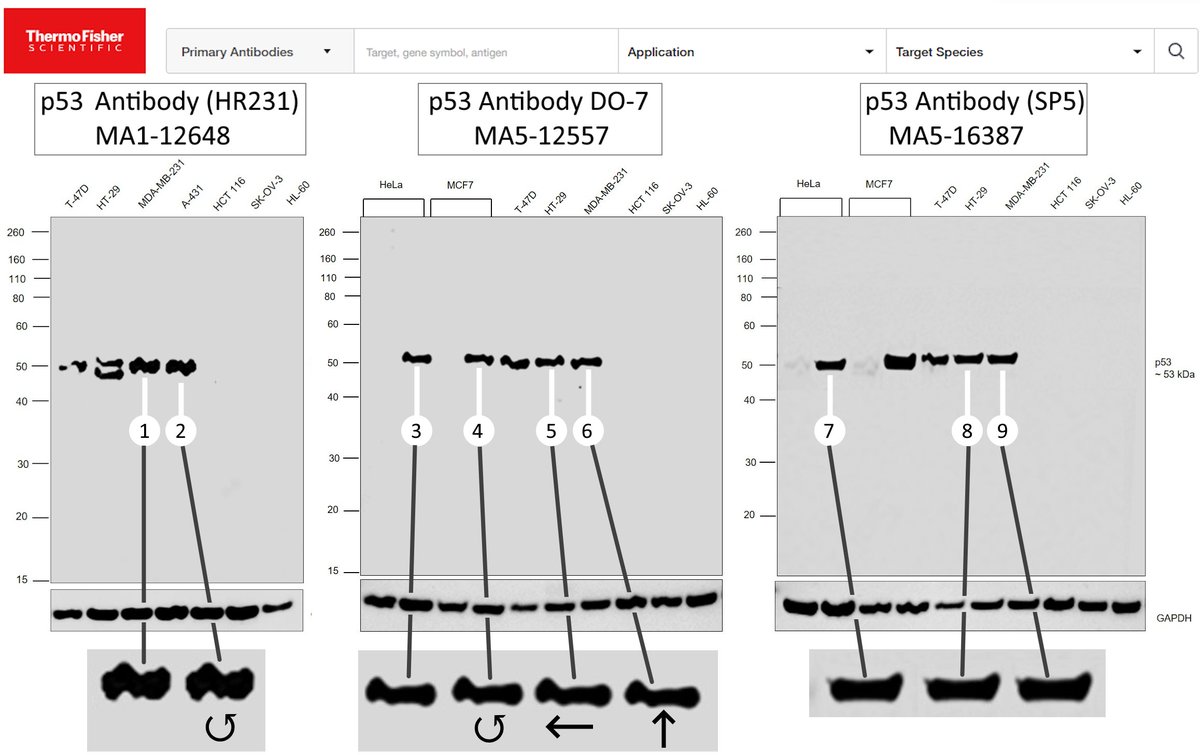
Earlier this week I posted an example of a fake western blot provided by ThermoFisher to demonstrate the validity of a p53 antibody. I considered it an amusing curiosity. In fact ThermoFisher has systematically manipulated antibody validation data. Short Thread... 🧵
Our paper in @Nature today 🥳 We tracked 6,438 mice from puberty to death and mapped the genetics of *when* you die, not just whether a gene associates with lifespan.
https://t.co/EoeexqJoHk
59 loci. Two decades of data. Thread 👇
#Longevity#Aging#Genetics#Healthspan
📢New in GeroScience by Springer Nature
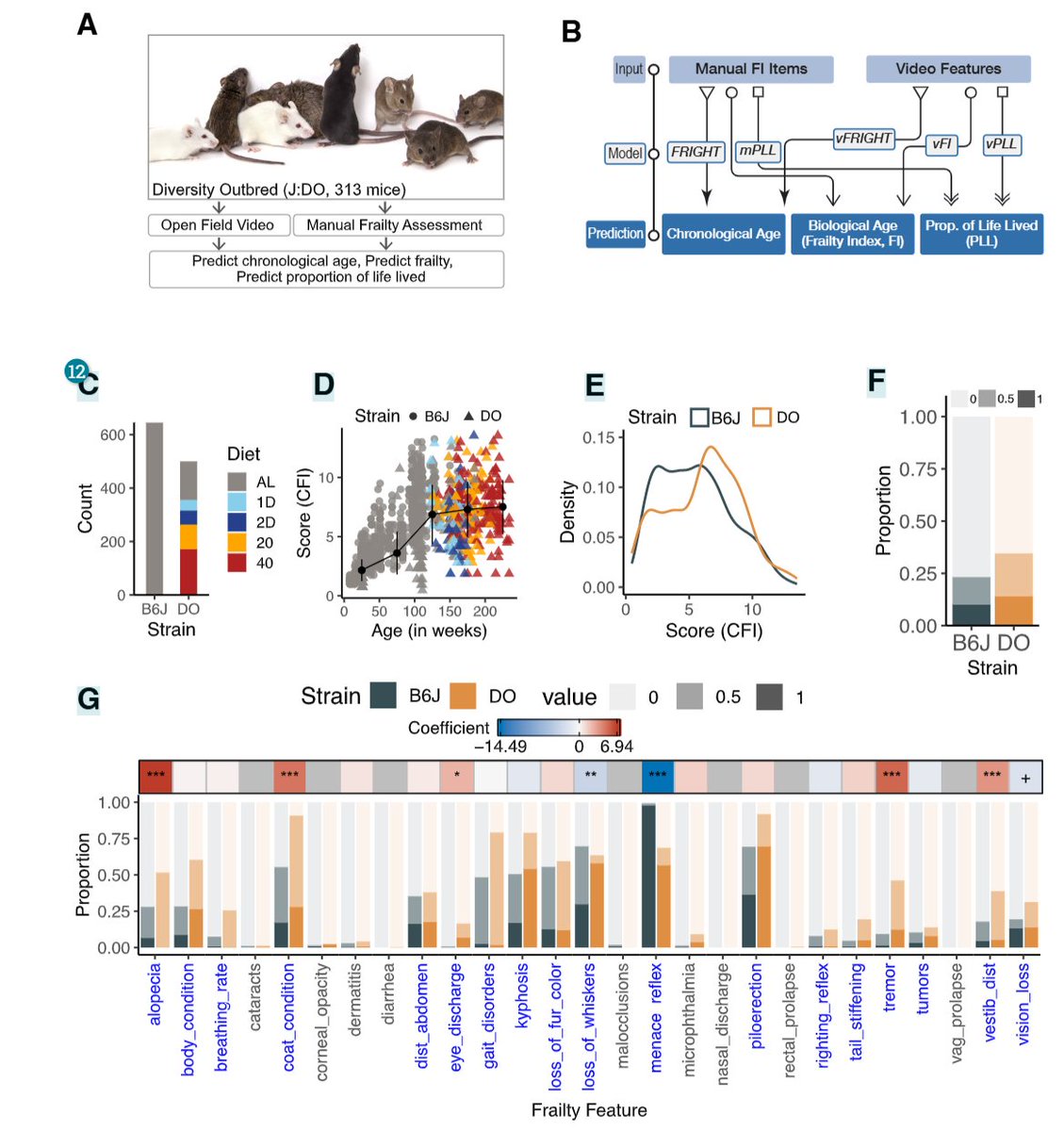
Machine vision-based frailty assessment for genetically diverse mice by Gautam S. Sabnis (@GautamSabnis), Gary A. Churchill & Vivek Kumar (@Vivekdna).
https://t.co/VRQO4rr7oh
#frailtyindex #ComputerVision #machinelearning #diversityoutbred #dietintervention #agingclocks #Mortality #highthroughput @jacksonlab
@sfmcguire79@NIH I found this article, however the sourced McKinsey report does not make this claim. It's a report on tuition costs. I'm not sure what the actual data is except hearsay.
https://t.co/3enizhCJxc
Awesome new aging multimodal genomics data and analysis from JAX colleagues @duyguucar, @OlgaAnczukow, Ron Korstanje, Jeff Chuang, and Karolina Palucka! #teamScience#aging
A single-cell atlas of aging tissue demonstrates shared multi-omics of aging and cancer hallmarks
https://t.co/DgBcpvYegc @NatureAging@jacksonlab @justsaysinmice @OlgaAnczukow