FTX SOLD A 5% STAKE IN CURSOR FOR $200K IN BANKRUPTCY
SPACEX JUST ACQUIRED CURSOR FOR $60 BILLON
THAT STAKE IS NOW WORTH $3 BILLION
FTX CANT SEEM TO STOP LOSING
FUN FACT
THE ONTARIO TEACHERS’ PENSION PLAN INVESTED $300 MILLION INTO SPACEX IN 2019
THAT STAKE IS NOW WORTH $16 BILLION
NEARLY A 5,200% RETURN IN 7 YEARS
THIS MAY GO DOWN AS ONE OF THE BEST INVESTMENTS EVER MADE BY A CANADIAN PENSION FUND
🇨🇦🇨🇦🇨🇦
Anthropic is questioning whether AI may turn out to be altogether useless. This is the single most honest thing Anthropic has ever written.
“But achieving recursive improvement alone does not suggest an immediate change in how industrial production occurs, societies organize, or markets function. More intelligence can’t learn what a drug does over decades of use, can’t hold elections sooner than a constitution dictates, and can’t turn a stranger into an old friend in a weekend. For most people, the felt pace of this future will still be set by the bottlenecks, even if the laboratory upstream runs at the speed of compute. That collision, where recursive intelligence building itself ever faster meets the world of humans, relationships, and governance, is another part of this future we can’t predict.”
Just finished listening to Sarah Friar, OpenAI CFO, on the Liquidity Summit. Worth giving a listen
My thoughts…
I legitimately cannot believe what it’s like to be on the finance teams at Anthropic and OpenAI right now
You are essentially trying to put a price on this arbitrary thing called tokens, and forecasting out future demand for the fastest growing technology in history
There is no precedent for this. You can’t just look at some historical comps to triangulate this the token input and output costs. It has never existed before.
Then you are responsible for going and presenting this model in front of VCs who are trying to gobble you up with cash.
The valuation resets are happening so fast you don’t even how to spend this cash so that it earns a good ROIC for these investors
Partners like NVIDIA, Google and everyone in between is lining up with offers for joint ventures and deals that are heavily structured
Lenders are sending you term sheets to finance your GPUs, and provide other creative solutions to your problems every single month, if not week
Having to evaluate through it and picking the right ones is a huge burden. Wrong partnerships have killed entire businesses before
You need to think about cost of chips, energy, labor, power generation, all while these things are moving around at paces unlike anything else
Cannot imagine how equally stressful and gratifying it is
If you are currently in this seat or know someone in it, would love to hear your thoughts
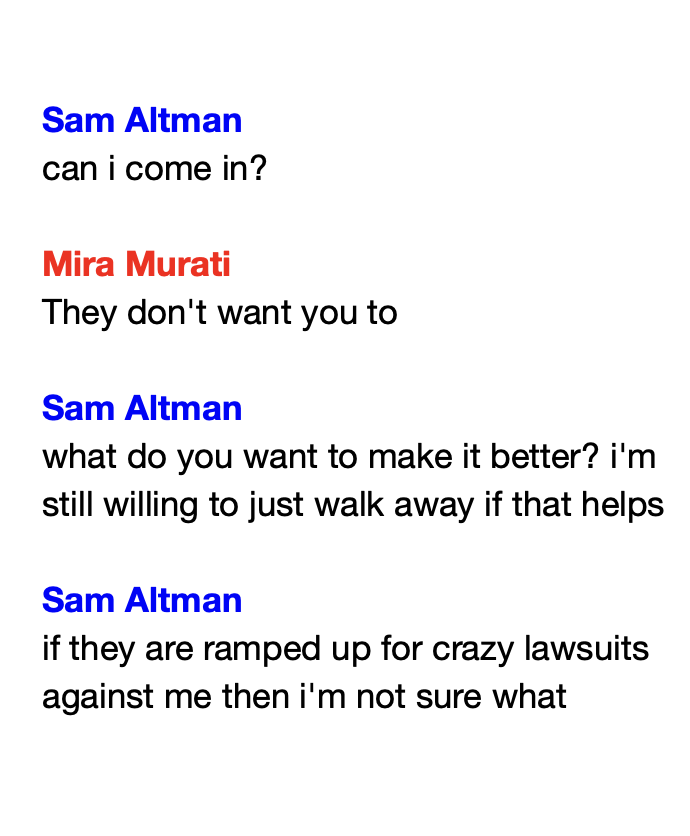
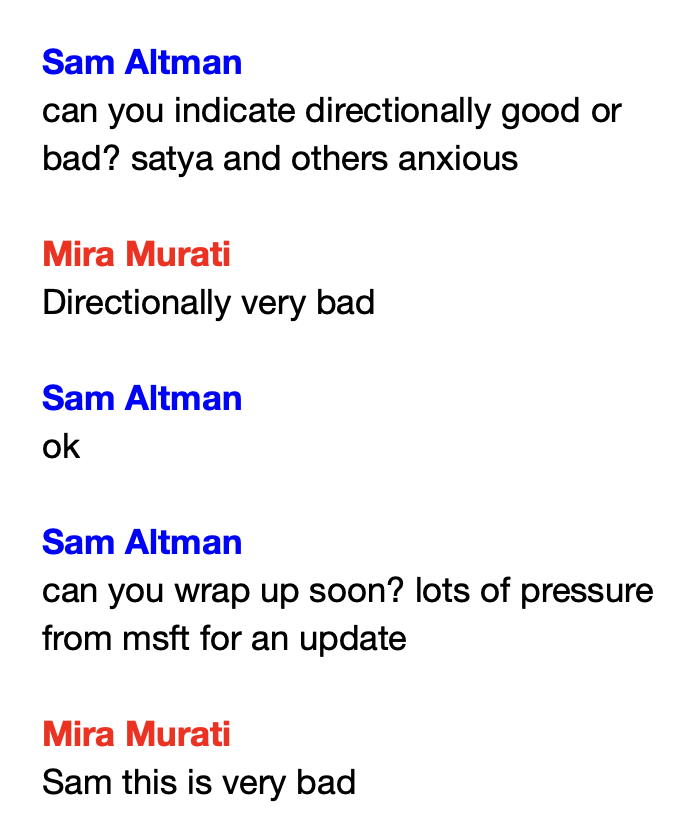
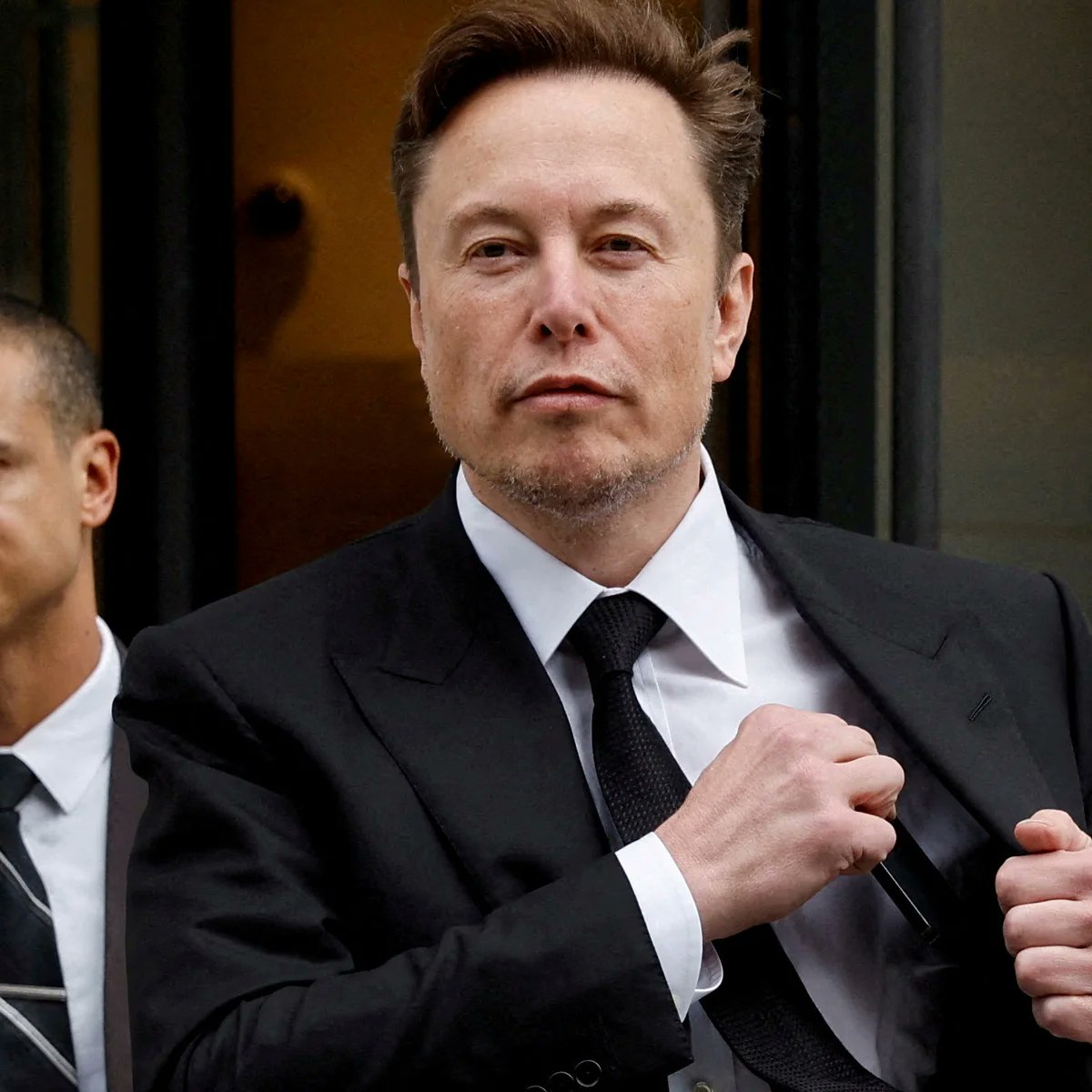
Here's a rough summary of Elon Musk’s 1 hour and 40 minute long testimony today during the OpenAI trial. He will resume his testimony tomorrow.
• Argues the case has huge implications: "It is not ok to steal a charity. If the defendants are found not guilty, this case will become caselaw. It’ll give license to looting every charity in America. The consequences of this case go far beyond me or everyone here. The entire foundation of charitable giving in America will be destroyed."
• Says OpenAI was founded as a nonprofit, open-source counterweight to Google, focused on AI safety.
• Claims the shift to a for-profit structure violated that mission.
• Says his AI concerns date back to conversations with Larry Page, who he felt wasn’t taking AI risk seriously.
• Elon says he tried to warn Obama about AI, but that Obama felt AI was not good enough (back then) to seem scary smart. "Here we are in 2026, AI is very smart."
• Believes AI could surpass human intelligence as soon as next year and poses existential risk in the hands of the wrong people: “If you have someone who’s not very trustworthy in charge of AI, that’s very dangerous for the whole world.”
• Elon framed his companies (SpaceX, Neuralink, xAI) as part of a broader mission to protect humanity’s future.
• Emphasized OpenAI’s original goal: AI for the good of humanity, not profit-driven control.
• Elon's main argument is that OpenAI abandoned its founding principles, and that precedent could reshape both AI governance and charitable trust.
• Larry Page refused to speak to Elon Musk again after Elon recruited Ilya Sutskever to join OpenAI. Elon viewed Ilya as the “number one” most valuable member at Google.
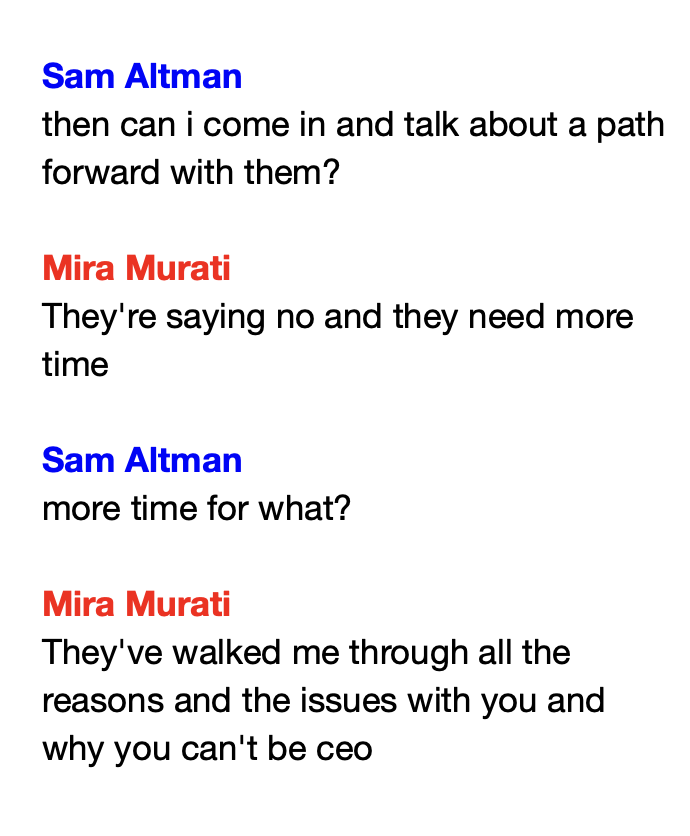
• Elon thought in the early days, OpenAI's corporate structure would be a nonprofit funded initially with donations, but there could potentially be a parallel for-profit that is owned by the nonprofit and funds the nonprofit: “We (Sam Altman and Elon) were in agreement that OpenAI would be a 501c3 charity.
• Elon was not opposed to there being a small for-profit that provided funding to the nonprofit, as long as "the tail didn’t wag the dog."
• Elon: “there are very few people who understand venture capital in Silicon Valley like I do."
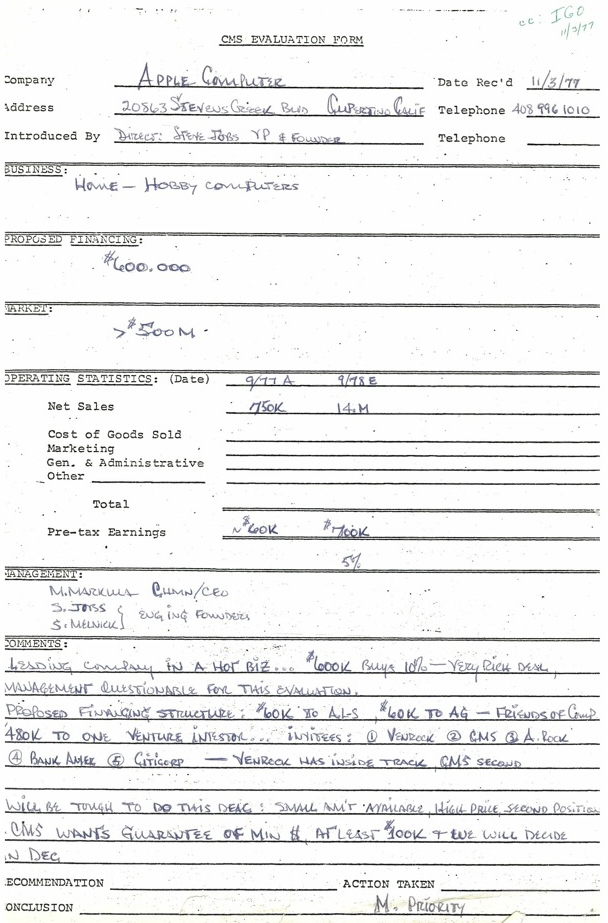
In honor of 50 years of Apple, we're sharing - for the first time ever - Don Valentine's original 1977 memo for Sequoia's investment into Apple Computer. #Apple50