LLMs aren’t trained to be right; they’re trained to sound right.
At WarmHub, we move beyond the guesswork with infrastructure that deploys intelligence efficiently & effectively to help identify & reduce uncertainty.
https://t.co/Aw4jqQdRh1
@ScienceMagazine
Can we measure trust in scientific publications? 🤔 @JACoates explores this critical question https://t.co/PfahaNcEWf
We believe the answer is a resounding yes—and that it's foundational to science.
Read more on our vision- link in comments.
#TrustInScience#OpenScience
Great piece by Andrey Anikin on spotting shaky research. Trust in science needs more than peer review—it needs transparency, reproducibility, & verifiable evidence. That’s exactly what we’re building at WarmHub: scalable trust for research that matters.
https://t.co/4fYBVLA90k
Great read @PracheeAC@mbeisen —the time to fix science is now. https://t.co/AWFw2sBCvs
Legacy publishing slows progress & erodes trust. Let’s rebuild science on certainty, not tradition. Read our vision 👇
#TrustInScience#TrustRevolution
@NIH's move to address publisher fees is a start to tackle one of the many challenges in the publication system.
At #WarmHub, we’re committed to building trust infrastructure that ensures transparency, reproducibility, & accessibility in science. #OpenScience#TrustInScience
The scientific publishing landscape needs to change. @ISC calls for access, rigorous peer review, & dynamic systems. At WarmHub, we're creating the infrastructure for transparency & reliability in research. It's time to transform the ecosystem! #WarmHub
https://t.co/J89qA2G3Xw
From today, all new submissions to Nature that are published will be accompanied by referees’ reports and author responses — to illuminate the process of producing rigorous science
https://t.co/Fua3YQ8XPt
Trust starts with transparency. FAIR data repositories make data Findable, Accessible, Interoperable, & Reusable. At WarmHub, we’re creating scalable trust infrastructure to amplify these principles
#FAIRData#TrustInfrastructure#ComposableTrust
https://t.co/ajX5jFjOsa
Trust is the foundation of progress in AI and technology. As @azeem@ashtom highlight, the challenge isn’t just building powerful systems but ensuring they’re reliable, transparent, and trustworthy. #BuildTrust#TrustInTech
GitHub CEO Thomas Dohmke (@ashtom) confirmed in conversation with me what many suspected but few wanted to say out loud: we've already crossed the threshold where AI generates code faster than humans can meaningfully review it. The era of human oversight in software development is already over.
Software provenance ensures we know where our software comes from, what it contains, & how it was built, so we can trust it." @ekr____
Great read on why trust & transparency are critical in software supply chains https://t.co/B0PavU25yz
#SoftwareProvenance#Trust
@hnshah nails it. Building reliability and ensuring trust is composable is critical to user belief & product adoption. Trust isn't optional; it's foundational. #Trust#ComposableTrust
I just got off the phone with a founder. It was an early Sunday morning call, and they were distraught.
The company had launched with a breakout AI feature. That one worked. It delivered. But every new release since then? Nothing’s sticking.
The team is moving fast. They’re adding features. The roadmap looks full. But adoption is flat. Internal momentum is fading. Users are trying things once, then never again.
No one’s saying it out loud, but the trust is gone.
This is how AI features fail. Because they teach the user a quiet lesson: don’t rely on this.
The damage isn’t logged. It’s not visible in dashboards. But it shows up everywhere. In how slowly people engage. In how quickly they stop. In how support teams start hedging every answer with “It should work.”
Once belief slips, no amount of capability wins it back.
What makes this worse is how often teams move on. A new demo. A new integration. A new pitch. But the scar tissue remains. Users carry it forward. They stop expecting the product to help them. And eventually, they stop expecting anything at all.
This is the hidden cost of broken AI.
Beyond failing to deliver, it inevitably also subtracts confidence. And that subtraction compounds.
You’re shaping expectation, whether you know it or not. Every moment it works, belief grows. Every moment it doesn’t, belief drains out.
That’s the real game.
The teams that win build trust. They ship carefully. They instrument for confidence. They treat the user’s first interaction like a reputation test, because it is.
And they fix the smallest failures fast. Because even one broken output can define the entire relationship.
Here’s the upside: very few teams are doing this. Most are still chasing the next “AI-powered” moment. They’re selling potential instead of building reliability.
If you get this right, you become the product people defend in meetings. You become the platform they route their workflow through. You become hard to replace.
Trust compounds. And when it does, it turns belief into lock-in.
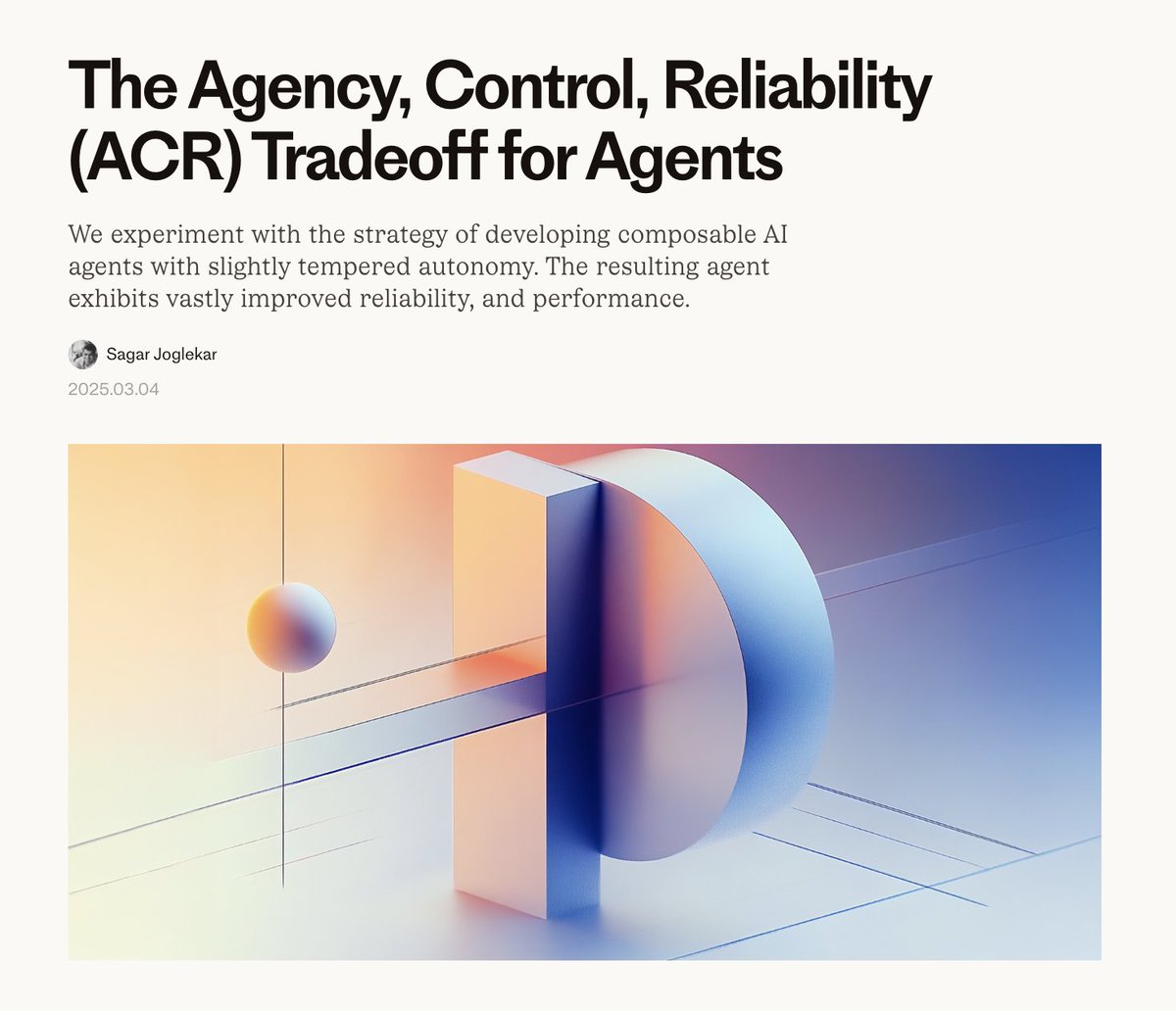
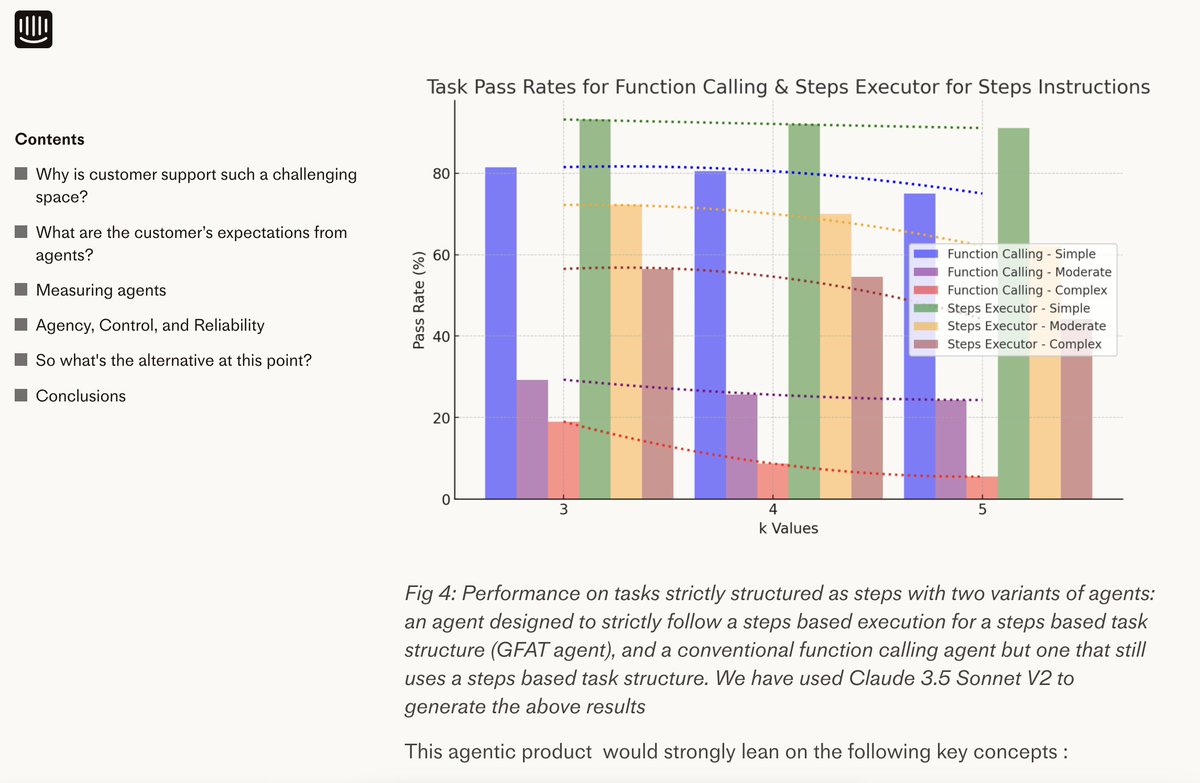
Ever wondered how to improve AI reliability? This article on ACR tradeoff explores how balancing autonomy & control enhances AI performance. Articles like this inspire us to continue building scalable trust infrastructure, ensuring AI systems are dependable
#TrustInfrastructure
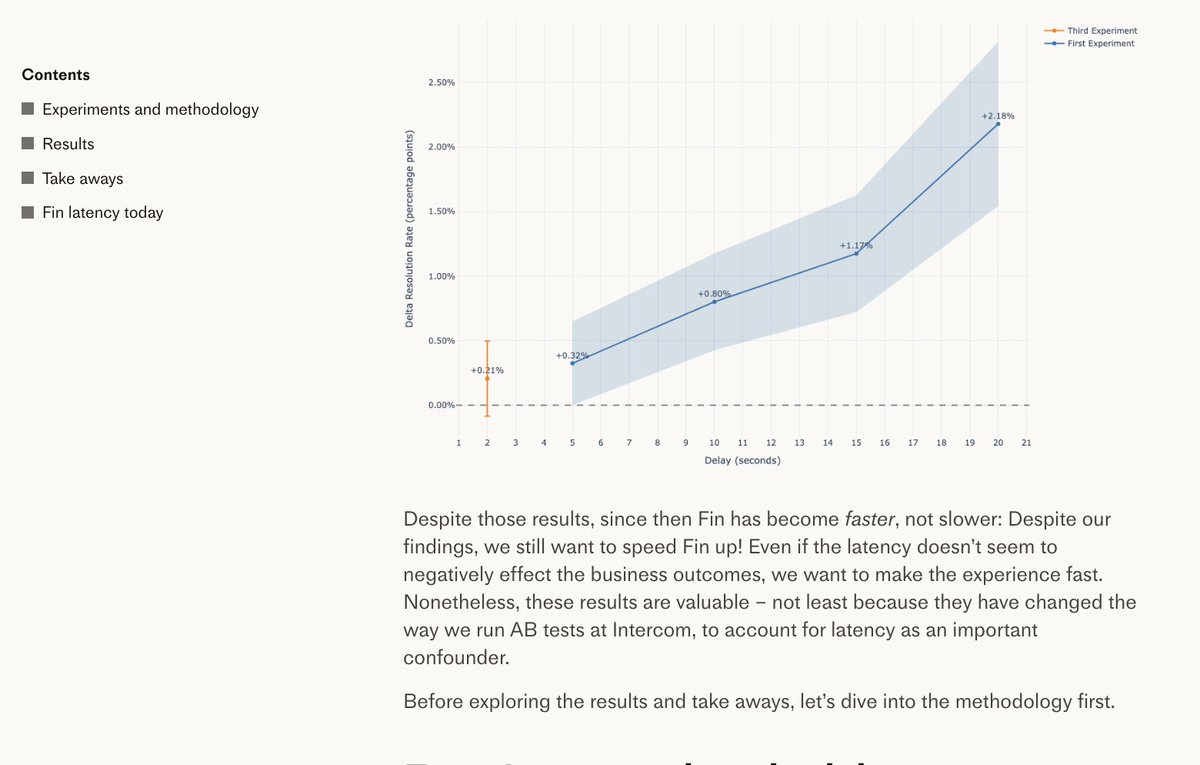
Our brand new AI /research blog has launched, and it's shares *heaps* of interesting work from our AI group led by @fergal_reid.
3 posts live today, about agency, latency, and hallucinations.
🔗in🧵
Thanks for sharing @ClementDelangue. Great @HarvardHBS read.
Open source software is fastest way to build, but trust is biggest challenge—especially for security-focused applications. That’s why trust isn’t just important; it’s critical.
#opensource#trust#Innovation#WarmHub
Great research on open-source by @Harvard:
- $4.15B invested in open-source generates $8.8T of value for companies (aka $1 invested in open-source = $2,000 of value created)
- Companies would need to spend 3.5 times more on software than they currently do if OSS did not exist
I suspect that these numbers and impact are even greater for AI than for software (would be great to study!)