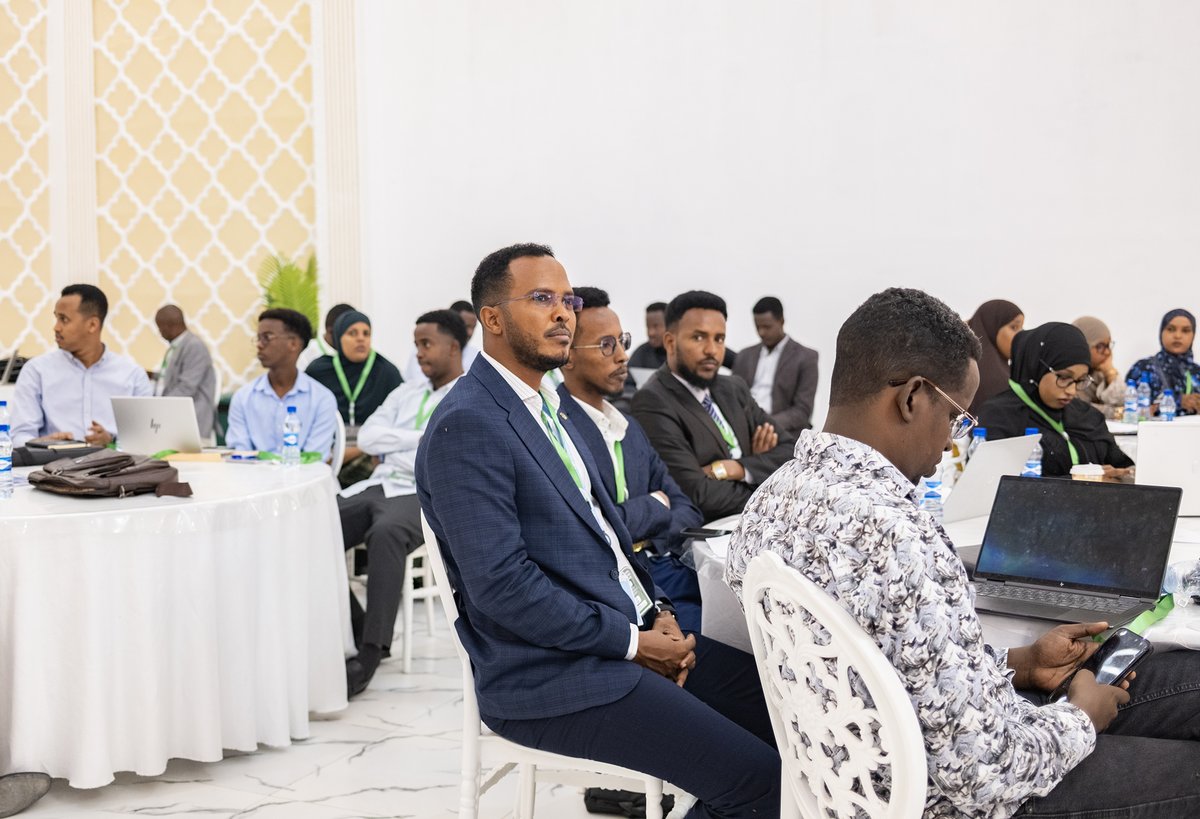
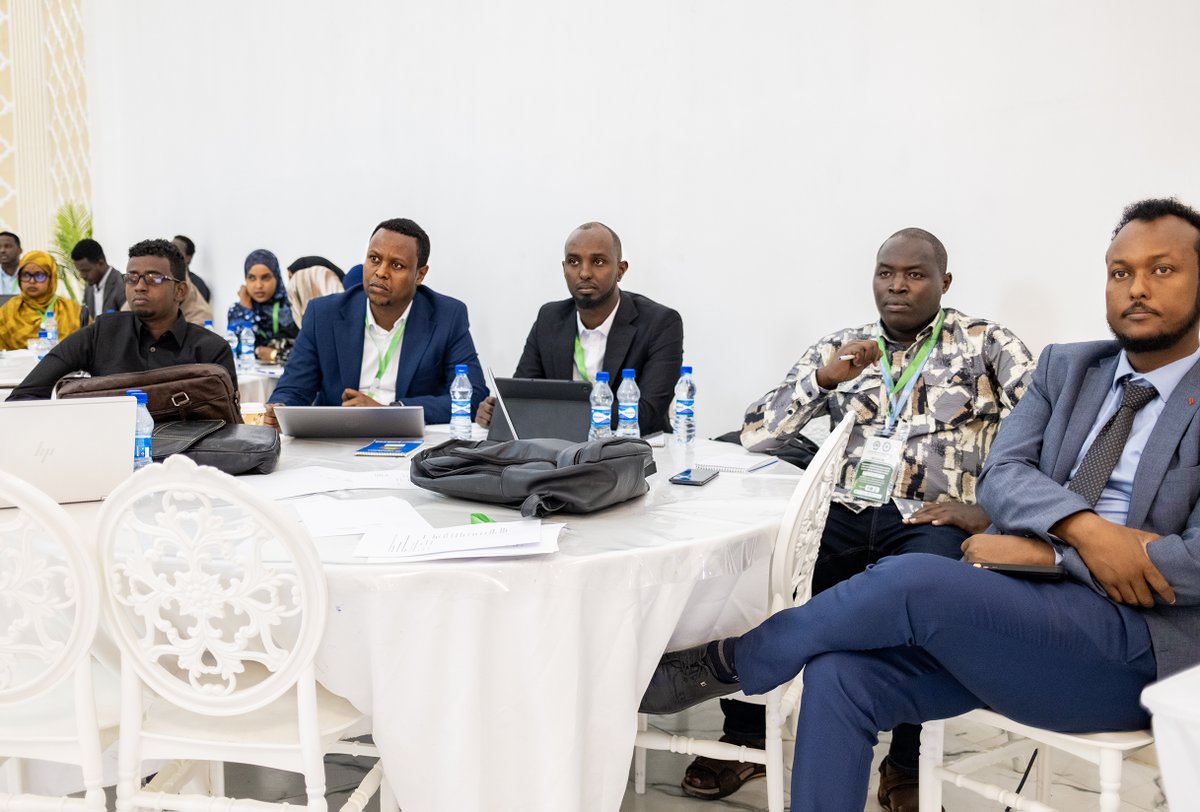
.@FAOSWALIM Technical Advisor, @ugoleonardi attended the IMCC meeting convened by @MOPEDIC_PL, chaired by DG Abdulkadir Abdidahir. The meeting reviewed IMC's progress & charted a path to financial self-reliance, leveraging data platforms to sustain services beyond donor support.
Effective climate, water and environmental cooperation depends on sound Information Management the foundation for turning data into informed timely decisions.
.@FAOSWALIM delegation led by SWALIM Technical Adviser @ugoleonardi, paid a courtesy visit to Minister of @moerccpl in Puntland, Hon. Aidarus Ahmed Farah Oday, to discuss strengthening collaboration climate, water & environmental information.
Somalia enters Hagaa dry season (Jun–Aug). Most areas will stay dry during 10–15 Jun, with light rains forecast over Togdheer/Sanaag highlands & S. coastal zones. A new Shabelle River pulse is moving downstream. Residual drought persists in Bay & NE Bari.
https://t.co/8mzgU4J2Z5
#FAOSWALIM Forecast 21–27 May: Mostly dry conditions with localized light rains expected. No major new rainfall signal over Juba/Shabelle catchments. Shabelle remains flood-sensitive, esp. BeletWeyne (6.90m), while heat stress may slow uneven Gu recovery
👉🏼https://t.co/jTqqVsSORB
From data to decision: faster, smarter & still human-verified. #SWALIM’s AI Masterclass in Nairobi explored how AI can strengthen Somalia’s climate, water & land information systems: automating QA, detecting anomalies, improving metadata & turning data into actionable E-Warning.
#Mapping Somalia's urban future!
With @cooperazione_it support, #FAOSWALIM trained @imc_puntland & line ministries on urban sprawl assessment & land cover mapping — building skills for smarter, evidence-based planning and land management.
Uneven Gu rains persist in #Somalia: very heavy downpours (>150mm) in Lower Juba (Afmadow) raise flash flood risk. #Drought continues across central/southern areas under 35–40°C heat. Shabelle nears critical at Jowhar; Juba remains stable.
👉🏽 https://t.co/4J1nGbYovj
Can someone educate this guy not to malign totals name. Tank capacity is the usable volume specified in the car manual while actual tank volume is physically larger, often 5–10 liters more including space for fuel expansion, vapor, and unusable fuel at the bottom.
TotalEnergies Under Siege Again?
You know “Explore Kenya,” right? The TikTok content creator famous for interviewing Uber drivers?
He recently bought a Mazda CX-5 and went to refuel at a TotalEnergies station. According to his caption, the car’s tank capacity is 56 litres. He asked for a full tank, but the pump kept going until it hit 63 litres.
He claims it’s impossible and He is accusing TotalEnergies of selling more air than the notorious KEMSA COVID-19 supplies. Watch!!!!
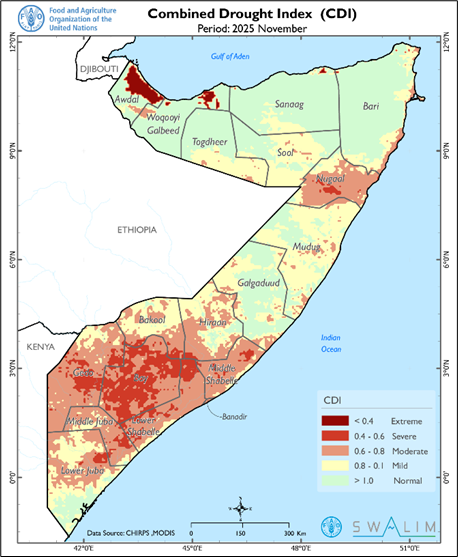
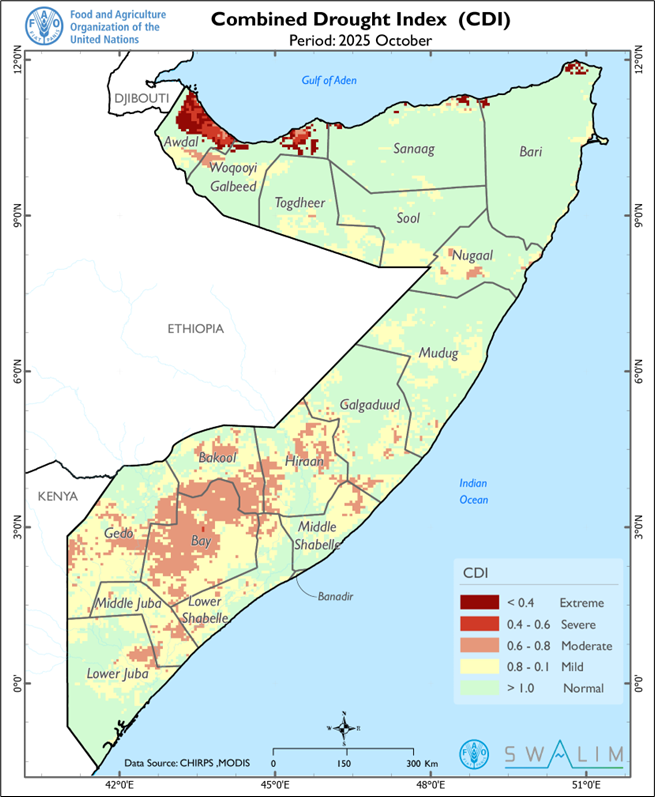
Moderate rains improving conditions in the north, but severe drought persists in south & central. Rising Shabelle River levels pose localized flood risks particularly along breakage points while heat & uneven rainfall continue to stress livelihoods.
👉🏽 https://t.co/wEmP92chjc
At the Gu 2026 National Climate Outlook Forum, #FAOR@EPeterschmitt highlighted the failed Deyr 2025 & unfolding drought, over 4.4M people face Crisis. With high forecast uncertainty, anticipatory action is essential. #FAO, through #SWALIM, will continue supporting early warning.
#FAOSWALIM joined the SL IMCC meeting for in-depth discussions reviewing @imcsomaliland progress & plans, endorsing the IMC 5yrs Strategic Plan & advancing the institutionalization process—critical to long-term IMC sustainability. Attendance with @EU_in_Somalia & line ministries.
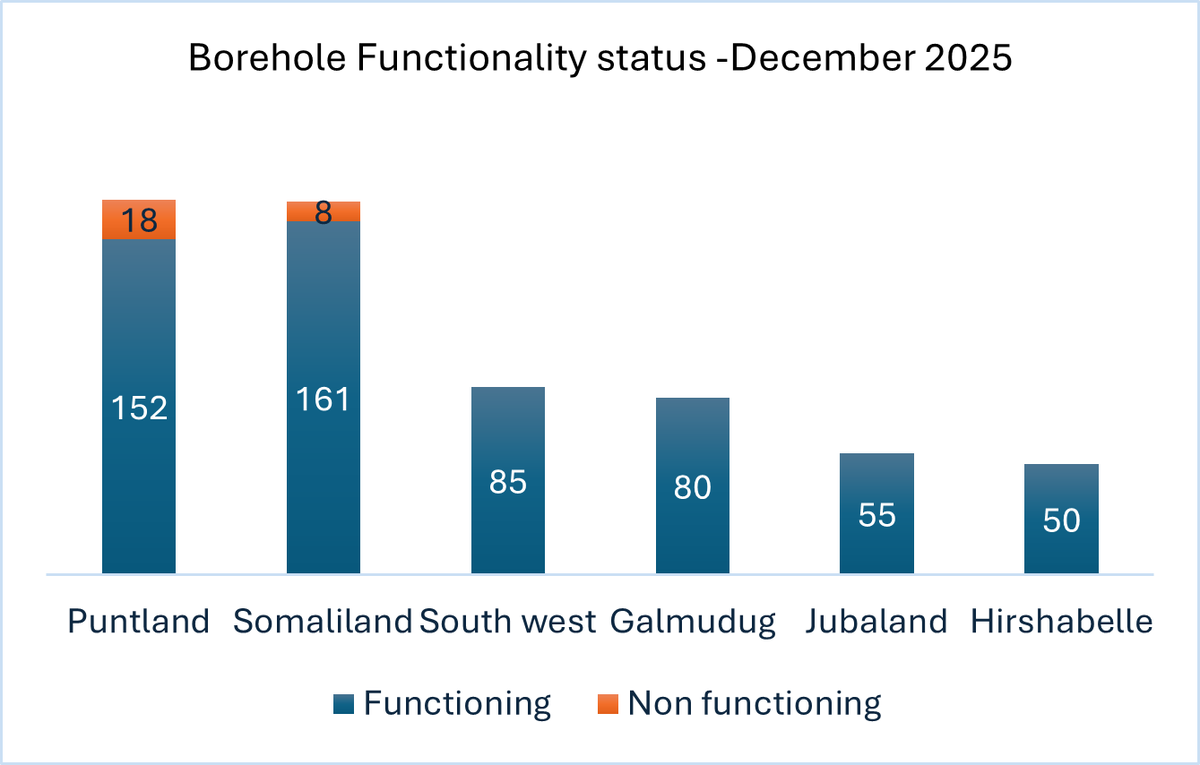
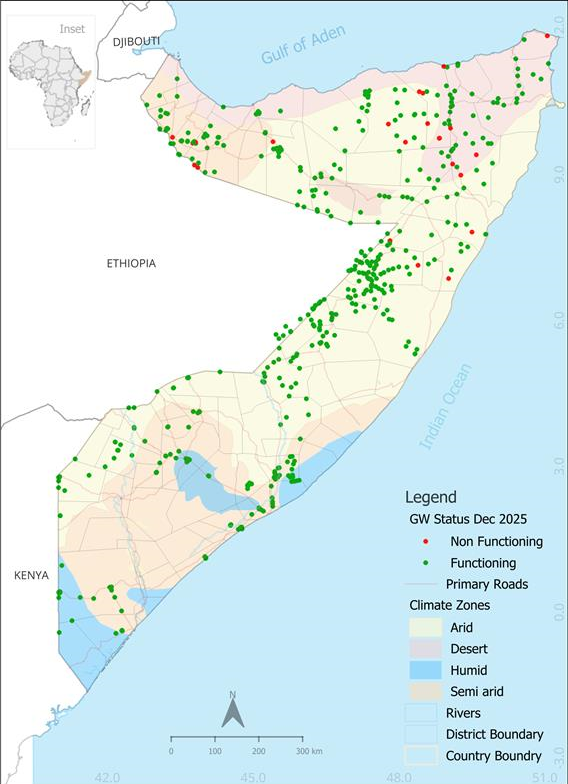
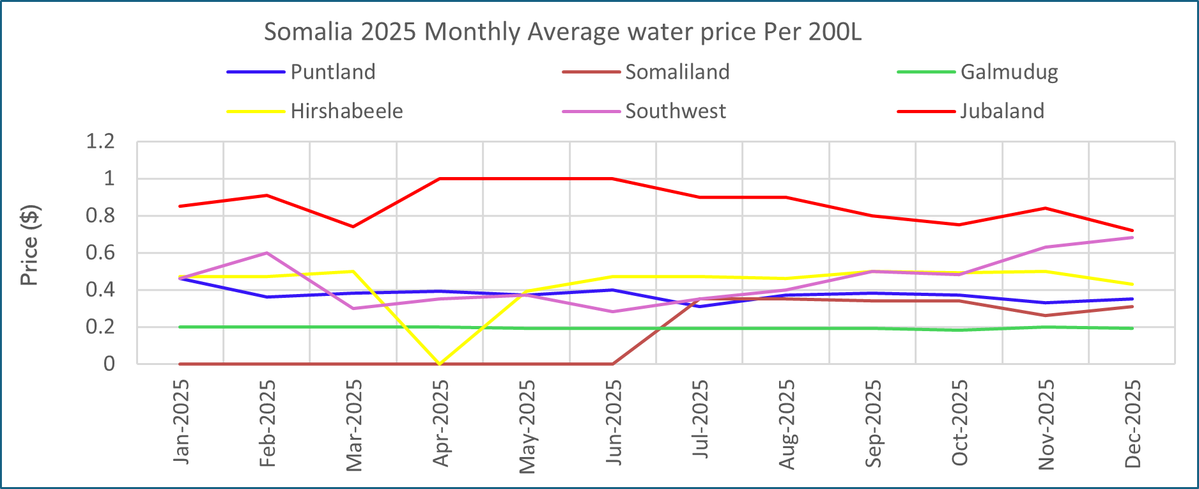
Groundwater update: Drought is exacerbating dependence on groundwater for HHs & livestock in #Somalia. Poor Deyr rains + high demand are straining aquifers North & parts of the South, signalling a tough Jilaal. Monitoring & timely repairs are critical.
🔗:https://t.co/QXDyBzLt8p
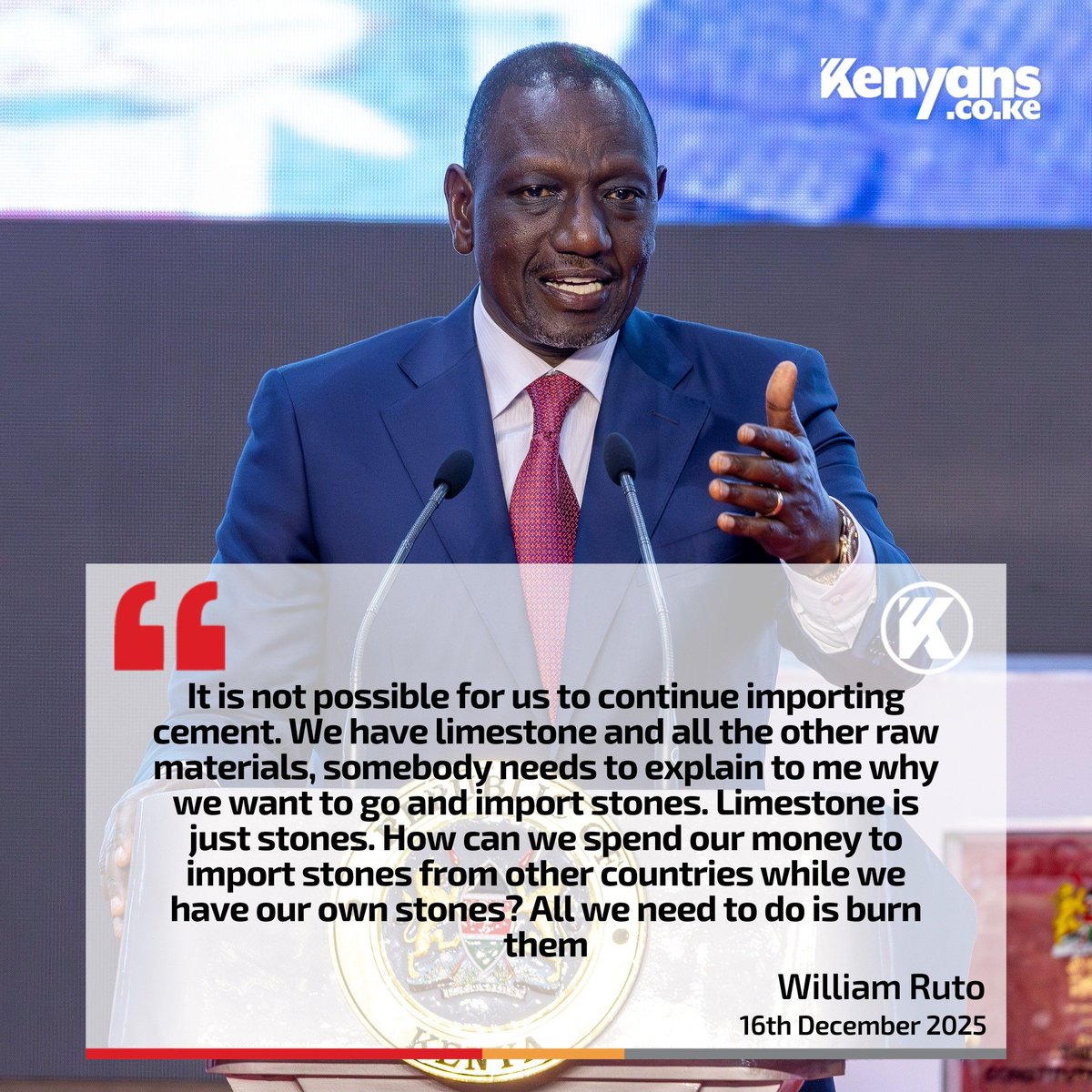
Mr. President @WilliamsRuto, I hear you. We cannot keep importing cement when we have limestone. That part is common sense.
But allow me to introduce the villain you did not mention: energy. Cement is not “stones”. Cement is stones plus chemistry plus a controlled furnace of about 1,450°C, running continuously, with predictable power, predictable fuel, predictable logistics, and predictable financing. When energy is expensive or unreliable, every bag becomes a national penalty, even if your limestone is sitting politely in the ground, doing nothing but being “patriotic”.
This is why countries end up importing cement or clinker, not because they hate their own rocks, but because they are importing what their industrial system cannot supply cheaply and consistently: heat, stability, scale, and confidence. It is also why “local content” speeches sometimes end up as imported content in a different wrapper.
Here is the uncomfortable part. Our infrastructure was designed to move raw things out, not to power factories at scale. So decolonising infrastructure is not a hashtag. It is the boring work of making industrial power cheaper, making supply chains predictable, and setting standards that reward performance and durability rather than old purity myths.
And then we must get smarter. Africa will not win cement wars by shouting “limestone”. We will win by reducing the clinker burden, cutting embodied energy, and using the mineral gifts we already have across this continent to make high performance binders that fit our energy reality. Quietly, that is the direction Eco Concrete Ltd is building toward, a green, Pan-African cement logic that is African in ingredients, African in standards, and African in purpose.
So yes, explain the stones. But also explain the electricity bill.
If you want the longer argument on why Africa’s infrastructure keeps producing dependency, here is my book: https://t.co/cRiYaVgoZD
And if you want to see what “less fire, more engineering” looks like in practice, here is the @ecoconcreteUG Eco Concrete Ltd Green Cement Project brief: https://t.co/CKGxTOjCfy
@Kenyans
This training is a critical investment in the Somalia institutional capacity. Equipping government staff with technical skills and building the foundation for sustainable technology enabled agricultural monitoring as climate pressures intensify.
#Somalia is facing a worsening #drought: failed Deyr rains, water shortages, livestock losses & rising displacement. #SWALIM & #FSNAU warn that without urgent, coordinated action now, millions risk severe food insecurity as the Jilaal dry season begins.
👉🏽https://t.co/Vq7oKhjakd
At Somalia’s National #AA Roadmap launch, @FAO emphasized early action saves lives, protects livelihoods & breaks crisis cycles. Through #SWALIM, #FSNAU & community-based systems, FAO is committed to supporting Somalia’s shift from reactive to proactive, evidence-driven response.
➡️ Light to moderate rains possible in the south, northern and central regions remain dry
➡️ Juba and Shabelle rivers remain below flood thresholds
➡️ Extremely high temperatures (above 40 °C) in the south
.@imcsomaliland, supported by #FAOSWALIM, carried out field validation of soil erosion and degradation in #Gebiley. The mission confirmed remote sensing results with on-the-ground data on erosion processes, soil conditions, vegetation, and key land degradation factors.
#FAO