Your AI homework this weekend - listen to Gavin McCormick (@wattTime / @ClimateTRACE) on @scaling_laws.
ClimateTRACE is reshaping how we measure emissions. Their findings are upending tired assumptions and challenging many mistaken narratives.
No spoilers. Give it a listen.
Research that led to the founding of @ClimateTRACE has been published in Remote Sensing journal!
We’re so proud of our team + @wattTime@GlobalEnergyMon Pixel Scientia Labs, @Georgetown
👀 https://t.co/3kyiilwoUR
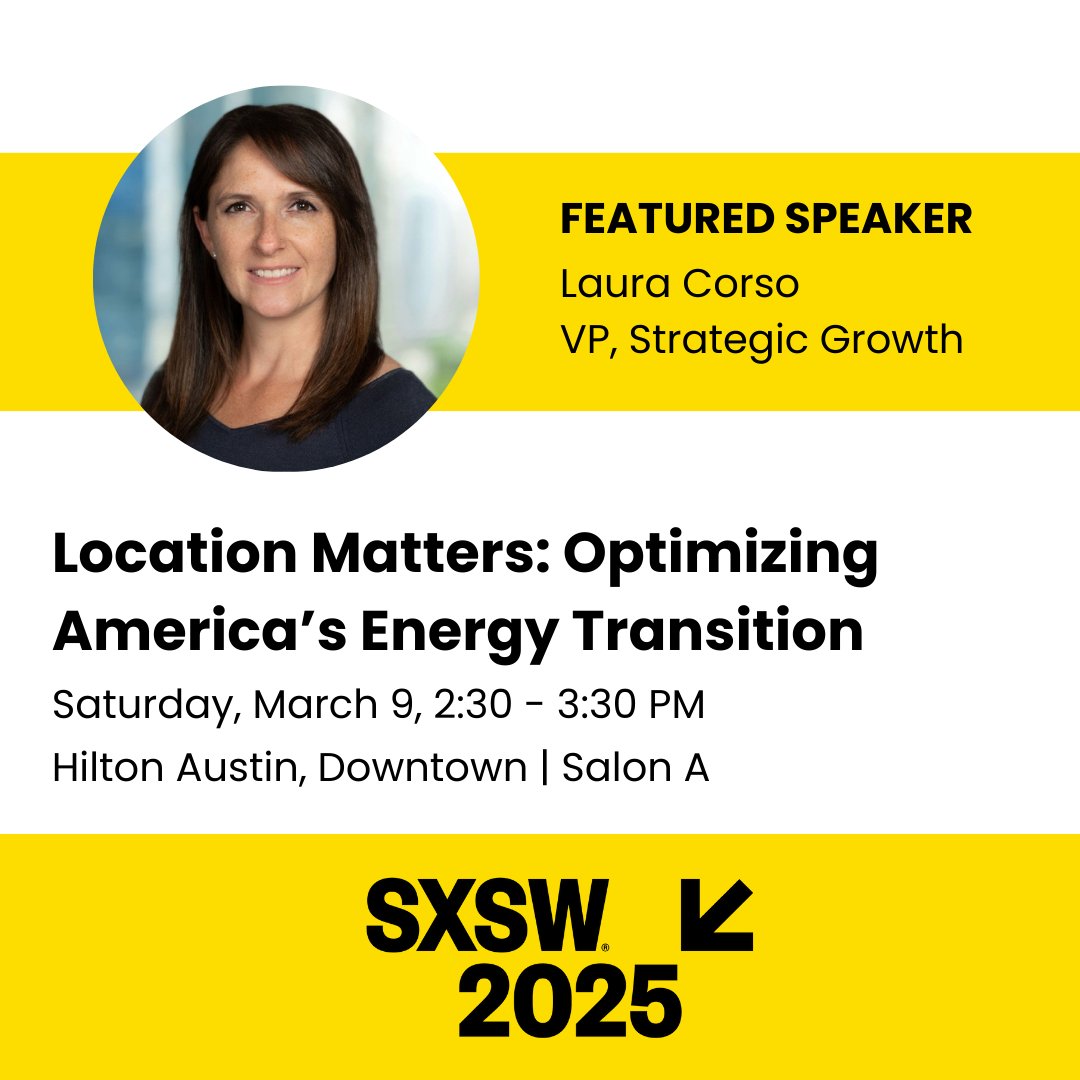
Join us at #SXSW2025 in Austin on March 9 at 2:30 PM for our panel, "Location Matters: Optimizing America's Energy Transition" featuring Clearloop CEO, Laura Zapata alongside Laura Corso @wattTime, Joe Azar @panolacounty, & Andrew Peterman @Rivian https://t.co/OkIUlSTrNO @sxsw
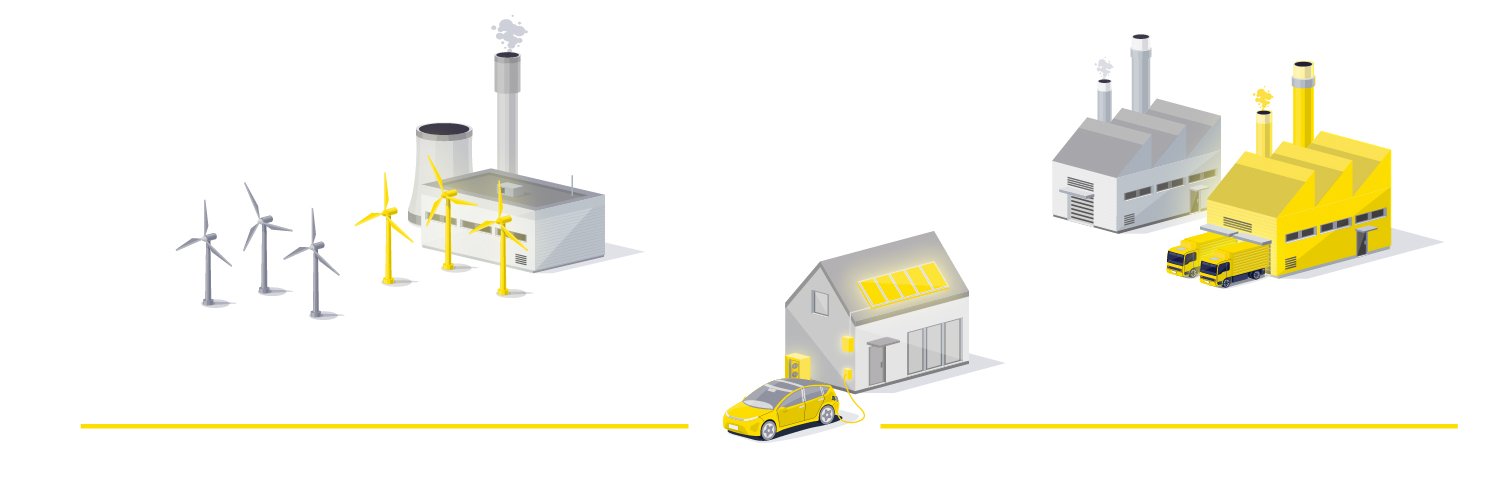
Developing economies are expected to account for the bulk of new energy demand in the coming years.
Many of those regions also have the most #polluting power plants, making them the highest-impact places to build new #renewable energy.
https://t.co/VYsrnVoOZl
DYK: A solar plant’s location has everything to do with its #climate impact?
WattTime’s Laura Corso will be at @sxsw with @clearloopUS and @Rivian to talk about just how much location matters for #renewables. https://t.co/ycX12SViBx
A new report from @McKinsey finds that not only does an emissionality-based approach to RE procurement reduce more #emissions, but it also expands renewables more cost-effectively (i.e. faster) compared to an hourly-matching approach to procurement. https://t.co/rasoPYgTmA
Time-shifting that load explicitly to reduce #emissions can be done every day of the year and that can make an even bigger impact on reducing #GHG emissions and other pollution.
Learn more here: https://t.co/JK0psetPAM
A new paper from the @NichInstitute says that if new loads are flexible, US #grids can serve more (up to 100 GW) w/o building new capacity.
https://t.co/uOxH8XM2UZ
But how much does this help the #climate?
If those flexible loads cut their usage at key times it could prevent some fossil fuel plants from being built – great!
Classic demand response (DR) tech can do this in just several hours a year, but what will that flexibility be used for in the other 8,700+ hours each year?
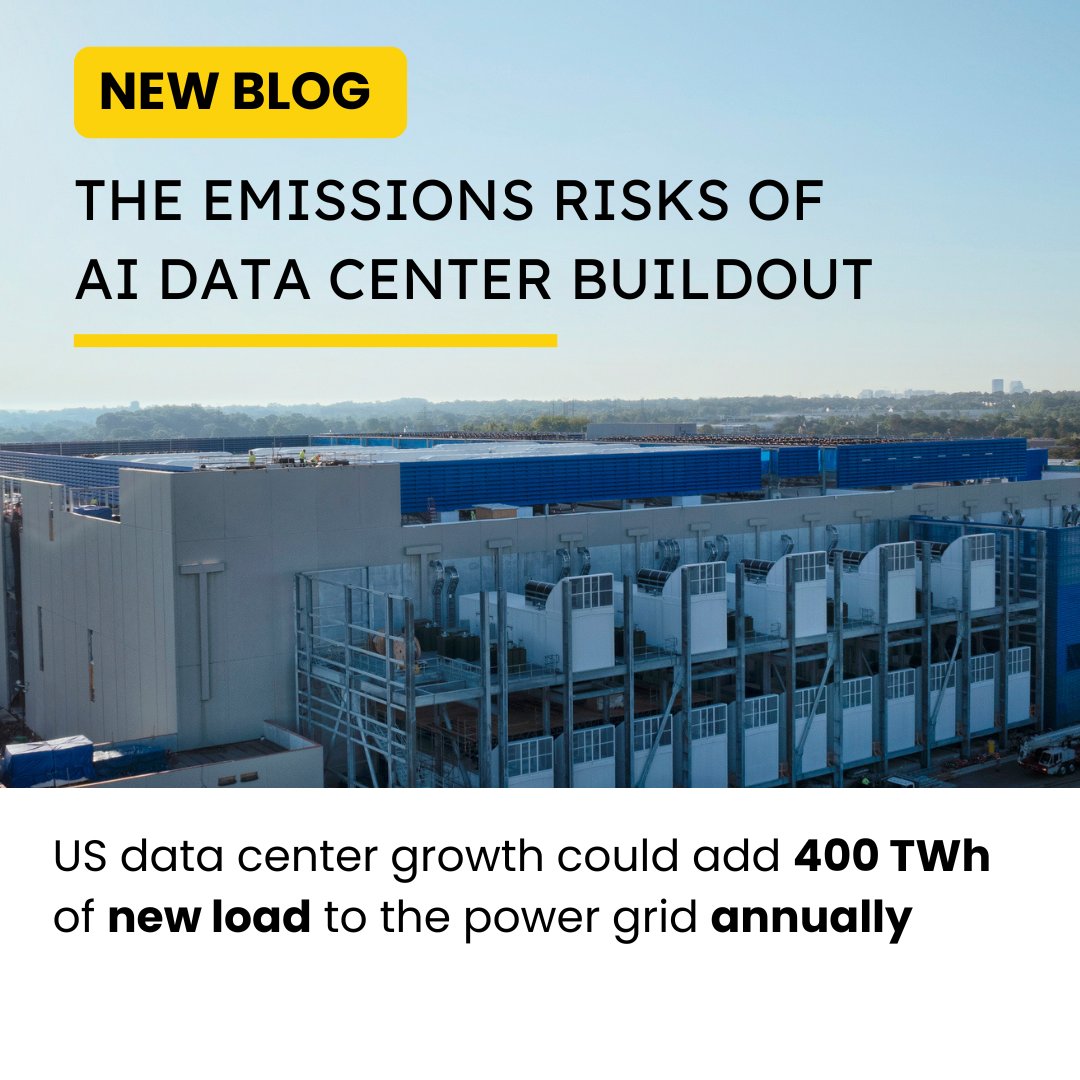
WattTime’s @camfassett writes all about the emissions risks of #AI and how we can use marginal emissions data to greatly decrease or avoid the climate burden of data centers in our new blog: https://t.co/CfZao1Bv0N
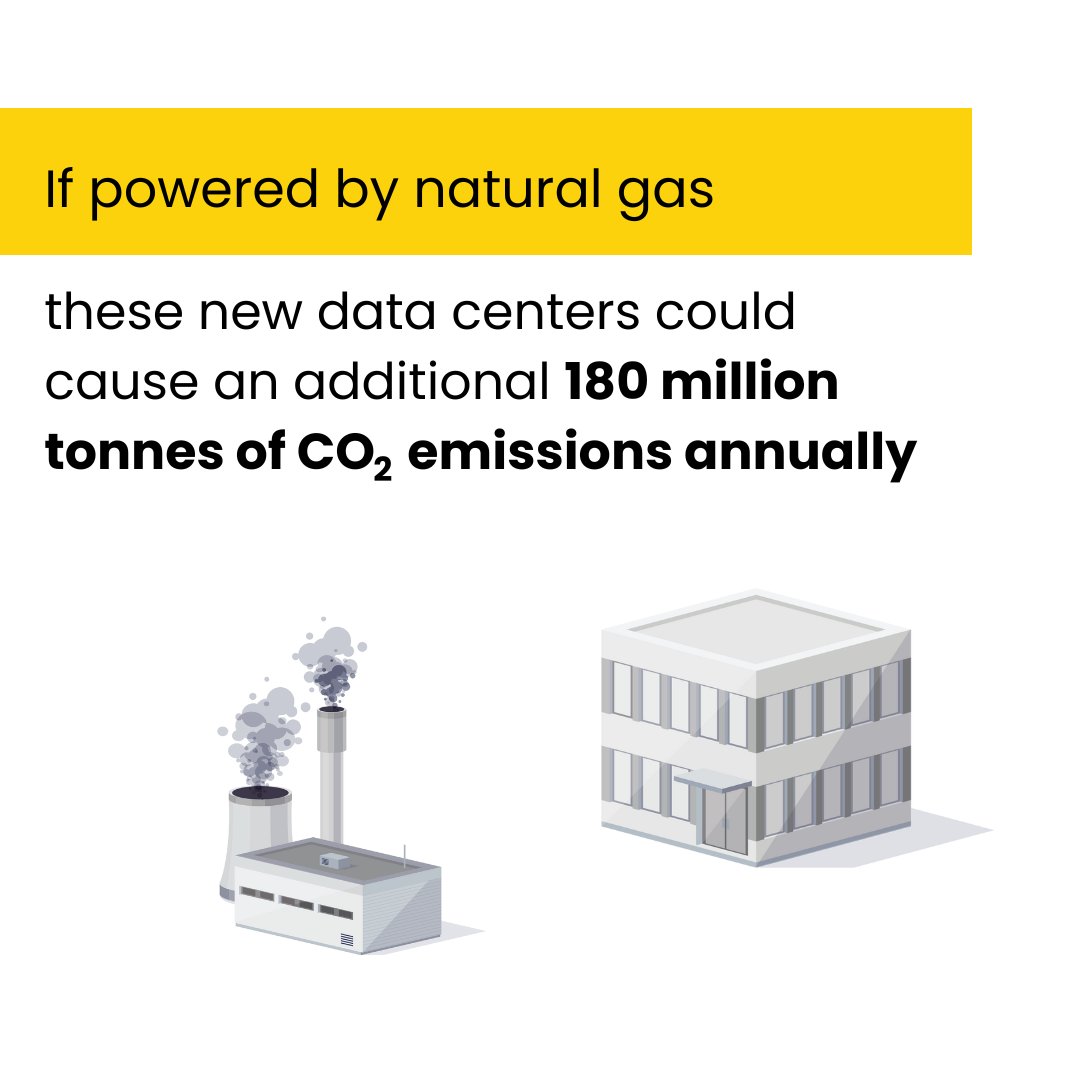
If new US data centers are powered just by natural gas, they could add an extra 180Mt of CO2 into the atmosphere annually.
We can avert that #climate burden with a few simple strategies. Obviously, it starts with #renewables. But, there’s more to consider, and that is LOCATION.
In addition, where we build data centers matters, and using marginal emissions data to decide where to build can reduce the emissions of a new data center by as much as 50%.
Catch WattTime’s CPO @nagutron at #GreenBiz25 next week! @trellisgroup_
This packed session will dive into the practical applications of #AI for supply chain #decarbonization - something free tools like @ClimateTRACE have made easier than ever.
🔗https://t.co/fJ7tlzPxSG
the explosive growth of data center build-outs, accelerated by AI, threatens emissions reduction goals. i broke down how smart data center siting decisions and flexible computing can minimize climate impact as use of data centers and AI grows @wattTime https://t.co/pbnQZg262s
One slight tweak could help that money flow toward where it will do more good for the world.
Learn more in this paper in Carbon Management by @RBallentine: https://t.co/IMCS77K3iE