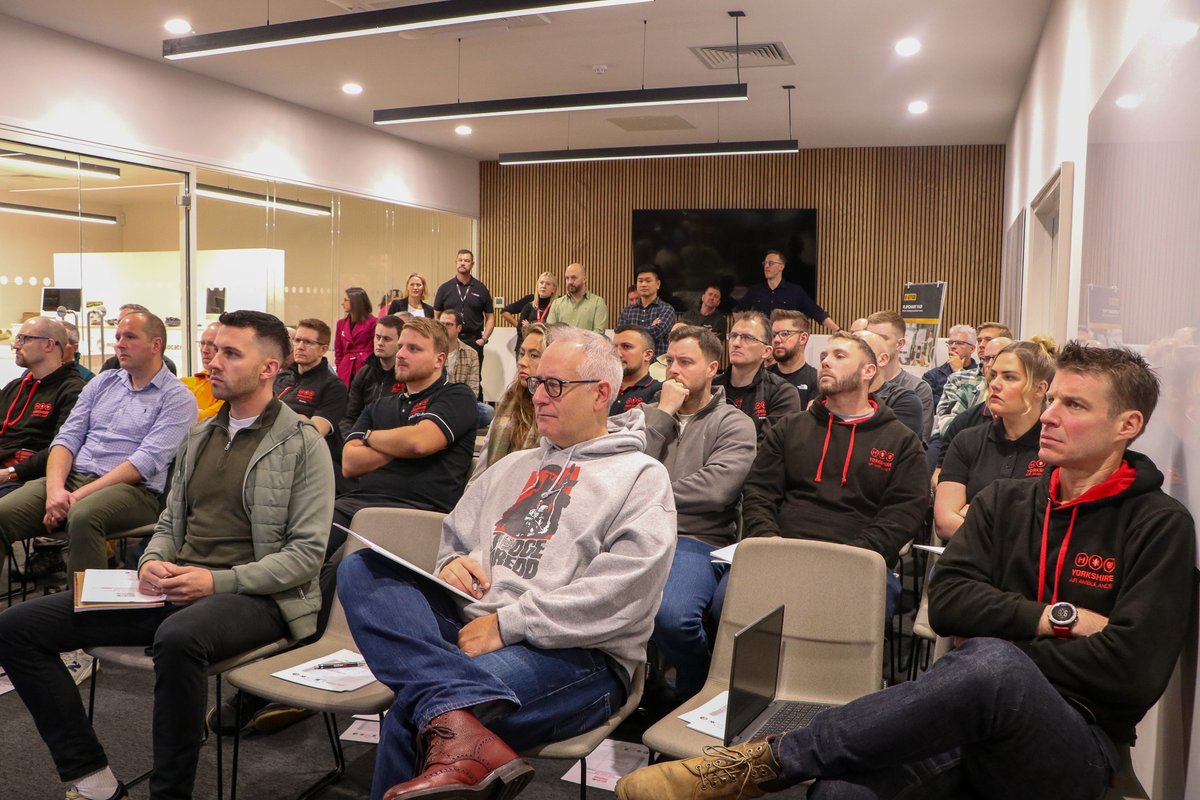
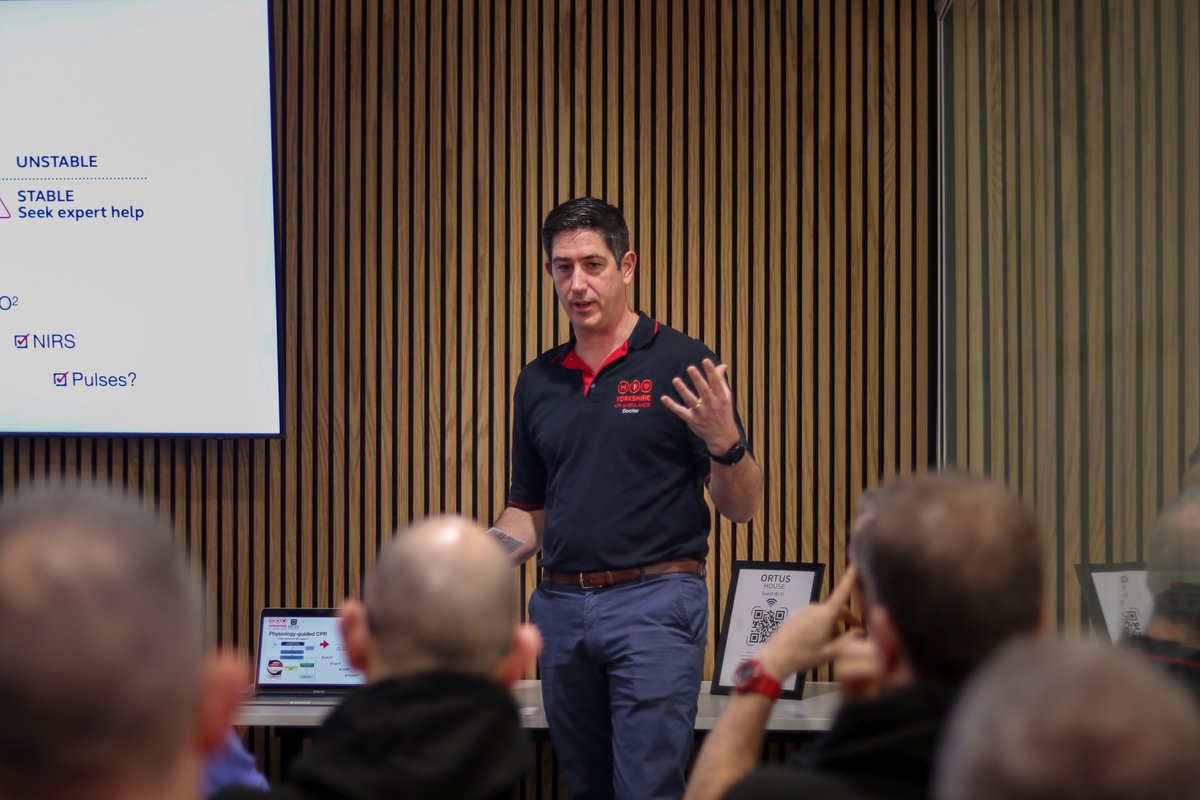
Great to welcome Yorkshire Air Ambulance to our new Customer Experience Centre for a SPEAR course with Dr Jon Barratt. SPEAR is a highly advanced cardiac arrest intervention that gives real-time arterial data to guide resus—even during CPR. Thanks to everyone involved.
#SPEAR
#October2025
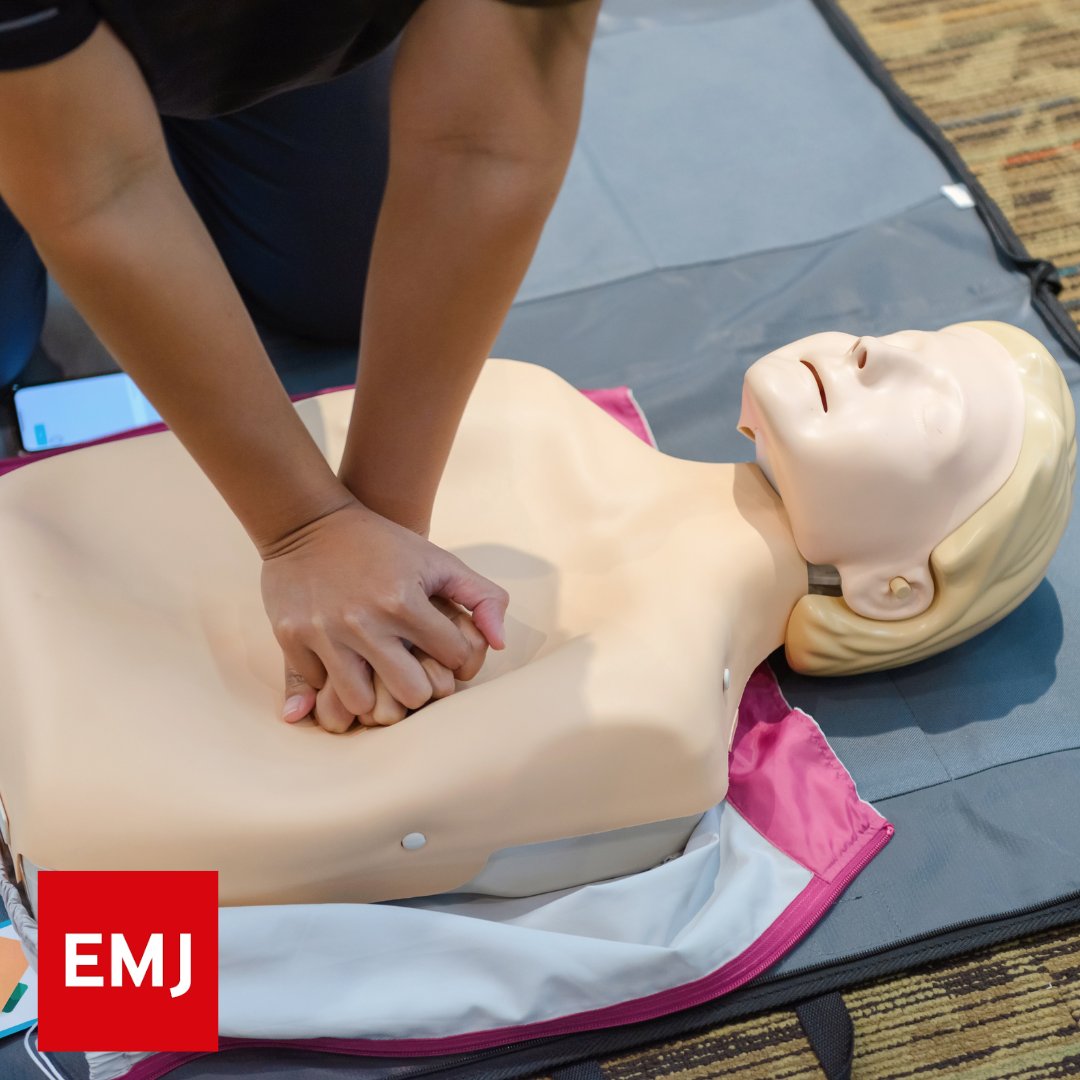
🫀 We need to talk about Annie 🫀
For decades, millions have learnt CPR using Resusci-Annie – a white, slim, blond female manikin created in the 1960s. But how well does Annie reflect the people we actually resuscitate in real life? @ResusCouncilUK@RCollEM
In a recent EMJ editorial, Ellen Weber @emjeditor challenges us to think critically about diversity in CPR training.
A scoping review found:
✅ Most manikins remain white and slim
✅ Only 5% of instructional videos used non-white manikins
✅ Just 12% of teaching institutions reported having diverse manikins
✅ Black participants reported feeling more engaged when manikins reflected their ethnicity
https://t.co/A0yI3jqtTM📖 📖
We already know that CPR is less likely to be performed in deprived or minority communities. Could the lack of representation in training be sending the wrong message?
If we want to tackle inequities in resuscitation, perhaps it’s time to start with Annie.
📖 Read the full editorial here: https://t.co/y8gkAIR653
#EmergencyMedicine #Resuscitation #Equity #MedicalEducation #CPR
@DrSteveTaylor@wesstreeting@DHSCgovuk@NHSE_WTE Couldn’t agree more! However, the chap in the green ambulance uniform in the AHP photo is in fact a doctor (and a great colleague). It’s a shame that @NHSEngland couldn’t find a photo of one of the ~ 16000 registered UK paramedics to use
Honoured to make my first conference speaker opinion alongside @DrPaulOnion to a wonderful and engaging audience. Roll on next year (from the seats at the back)
The Resuscitation Council UK is deeply saddened by the death of Professor Douglas Chamberlain CBE OStJ KSG. We would like to pay tribute to a visionary whose pioneering contributions transformed emergency medical care. He was instrumental in championing the introduction of paramedics and the use of early defibrillation—advances that have saved countless lives. His unwavering dedication to improving pre-hospital care leaves a profound legacy that continues to inspire generations of emergency medical professionals worldwide.
Professor Gavin Perkins MBE President
Professor Andrew Lockey MBE Vice President
@simontutt88 A big issue in sim is the candidate says something/that they’re going to do something rather than actually doing it. “We’ll get a line in & give TXA”, but with no consideration that these things actually take time. So spending time doing them really affects the scenario.
⚠️ From what we can see on social media there have been 2 Scottish paramedic suicides in 2 days so, we’re going to highlight the issues they face & why many don’t speak up.
As ever, please read with caution 🧵
Following on from the publication of the hotly anticipated SUB30 study of prehospital extracorporeal CPR (ECPR) for refractory out of hospital cardiac arrest, it was a pleasure to attend the @FPHCEd webinar with @drmamoun01@GomorraDoc Dr Ben Singer and Dr Jey Jeyanathan 1/
@HullStrength I’d also say the same applies with schemes that use HCP volunteers who respond from home. Typically these are people who live in “wealthier” areas, and respond to others in their local area who probably also >ave earners. I imagine fewer responses to areas of low Ave income.
@SamGoodhand I was called (ambulance) to a patient who had arrested in hospital, but on a half landing on a set of stairs. Crash team etc all there, but with one trolley on the floor above, and one on the floor below. And no way to move the patient. Definitely pros and cons for both
@EastCoast_Para Often OHCA and natural death are not really differentiated, and we end up approaching people who’ve died as if they’ve had a OHCA. If there’s not an identifiable and reversible cause, in someone with the reserves and rehab potential then resuscitation is probably not indicated
@jbrannan23 I probably wouldn’t be in this case - injuries to two distinct body areas with an unclear Hx and a patient who is likely fragile/frail/possibly osteoporotic. But I wouldn’t be rushing to strap them down in an unnatural position on a scoop etc if not comfortable/tolerated by them
@Obidoc @WHHNHS We’re using the same bags (prehospital), really helpful in a “tense” situation especially when you’re assistant might not be as familiar with the kit