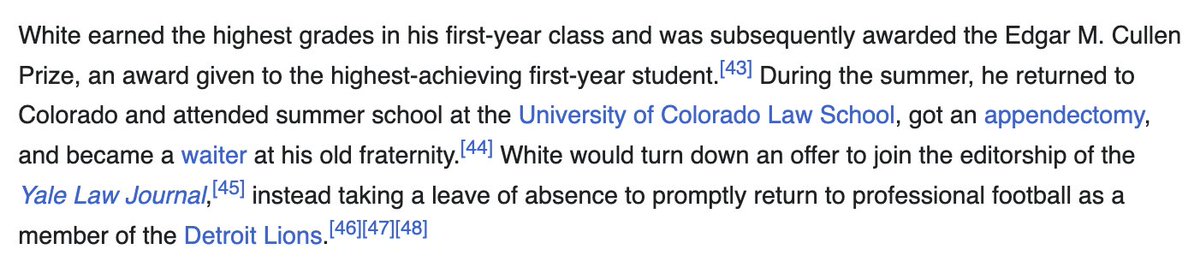
Supreme Court Justice Byron White (1962-1993) was a Rhodes scholar, Heisman runner-up, and NFL star who joined the nation's highest court at age 44. This might be one of the greatest 1L stat lines ever.
🇺🇸 officials rightly do and should continue emphasizing to 🇹🇼 voters that such a “bargain” is impossible b/c that’s not how the chip industry works. 🇹🇼 semiconductors are more than just TSMC and involves TSMC suppliers, incl. major legacy chip players like UMC & Vanguard. 2/2
Agreed - heard similar sentiments during my recent trip to Taipei.
Some 🇹🇼 voters worried that 🇺🇸 would use 🇹🇼 as a “bargaining chip” (籌碼), safeguarding 🇹🇼 only to protect TSMC fabs, then leaving 🇹🇼 to fend for itself. 1/2
The “US skepticism” narrative in Taiwan that portrays Washington as an unreliable partner is becoming more deeply entrenched. If left to fester, these doubts may harm American interests. My latest piece, with Jennifer Lan. https://t.co/BJbfQwJITy
Bill Clinton visits the Grand Hotel in Taipei in October 1979, leading a 14-member trade delegation from Arkansas as the state’s new, 33-year-old governor.
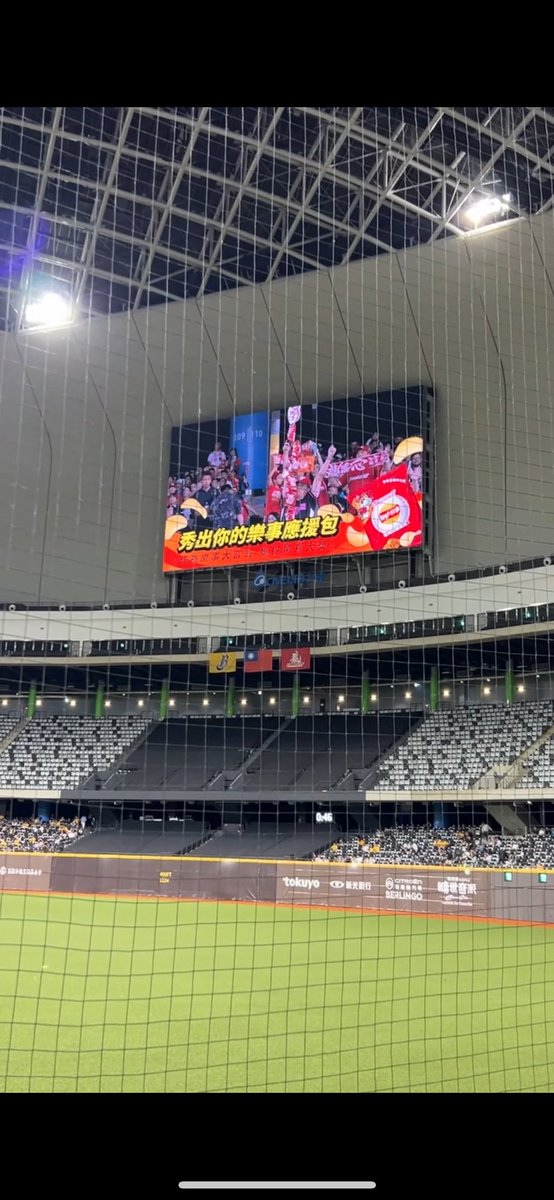
Taiwan’s local baseball games are well-known for their cheerleaders, but people don’t talk enough about the in-game promos.
This fellow just won a year’s worth of Lay’s chips for the best showcase of Lay’s fandom.
Forget the Dance Cam.
For @Lawfare, I discuss the new screening laws of the Philippines, the first country in SEA to establish a foreign investment screening mechanism. The laws safeguard national security, but more transparency, appeals processes, and resources can improve their effectiveness.
"Investment screening has allowed the Philippines to safeguard its national security interests while removing outdated investment restrictions, contributing to its post-pandemic recovery," writes @williamyuenyee.
Many thanks to Nicolas Rosselot at the @OECD for his insightful comments and the excellent Lawfare editorial team for their assistance with this piece!
For @Lawfare, I analyzed Singapore's new Significant Investments Review Act. Its entity-based designation mechanism is less restrictive, while areas for improvement exist in clarifying the ambiguities around the law's wide-ranging call-in power and the term “national security.”
.@williamyuenyee examines Singapore’s new investment screening mechanism, including similarities and differences to its U.S. equivalent, as well as recommendations for improvement.
https://t.co/SiGq67CQan
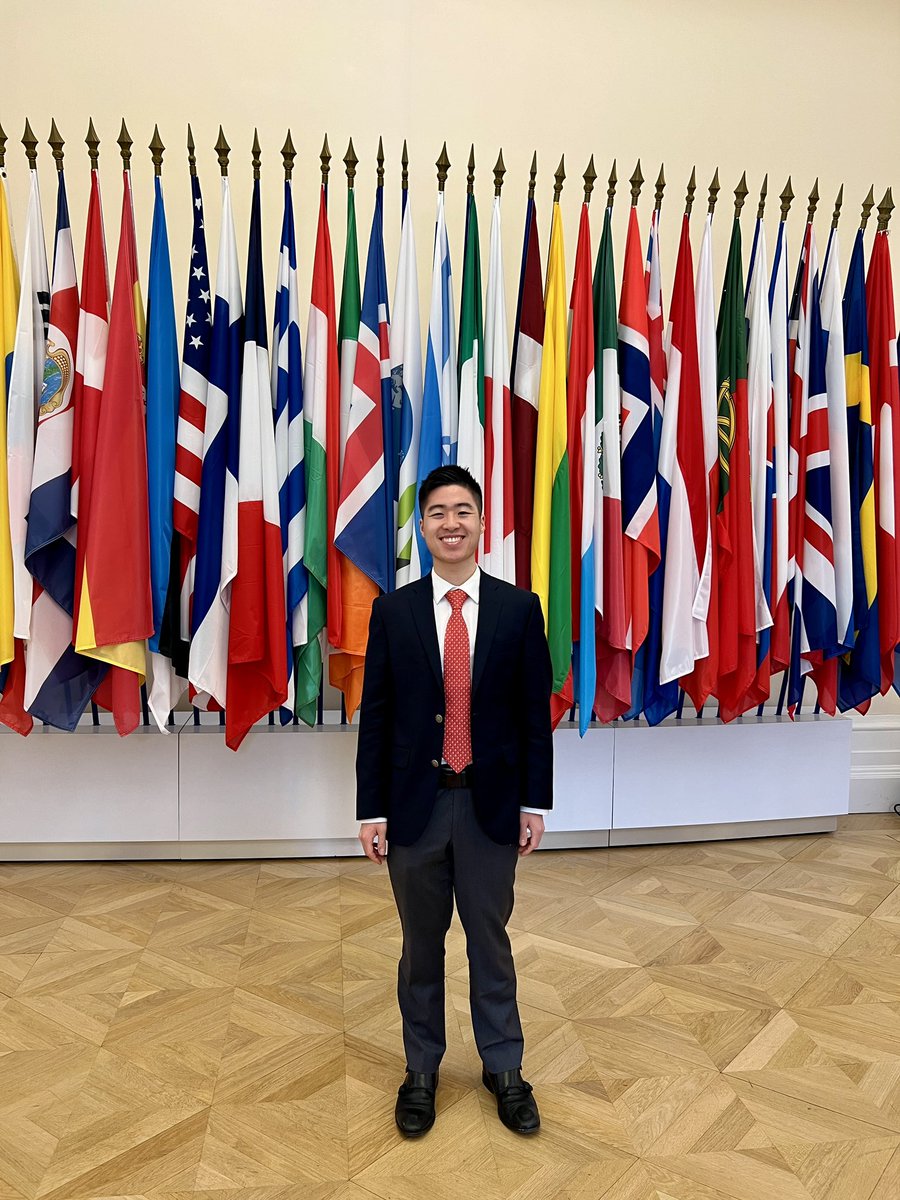
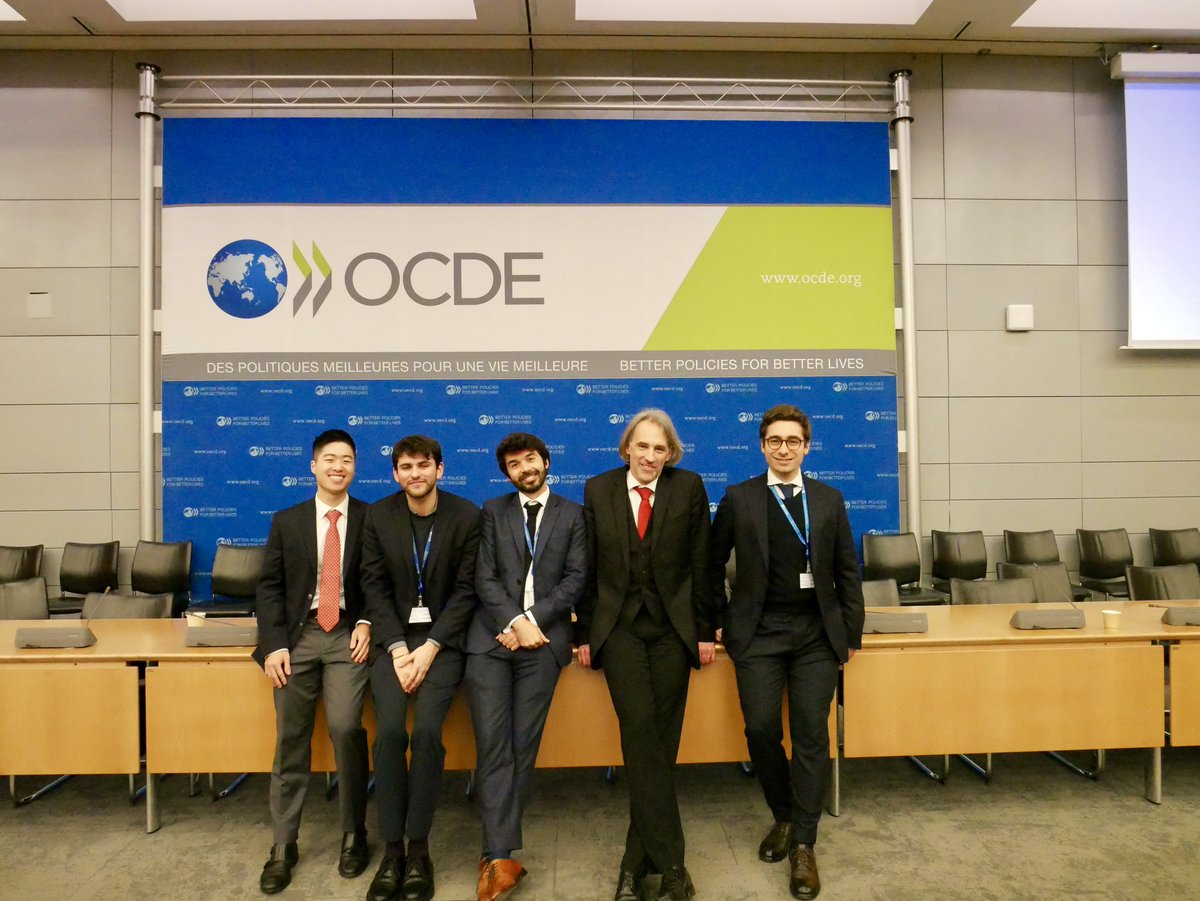
I was honored to support the @USOECD delegation at the 2024 Meeting of the @OECD Ministerial Council and to meet Secretary-General @MathiasCormann. This year celebrated 10 years of the Southeast Asia Regional Program, including the presentation of the Accession Roadmap to 🇮🇩.
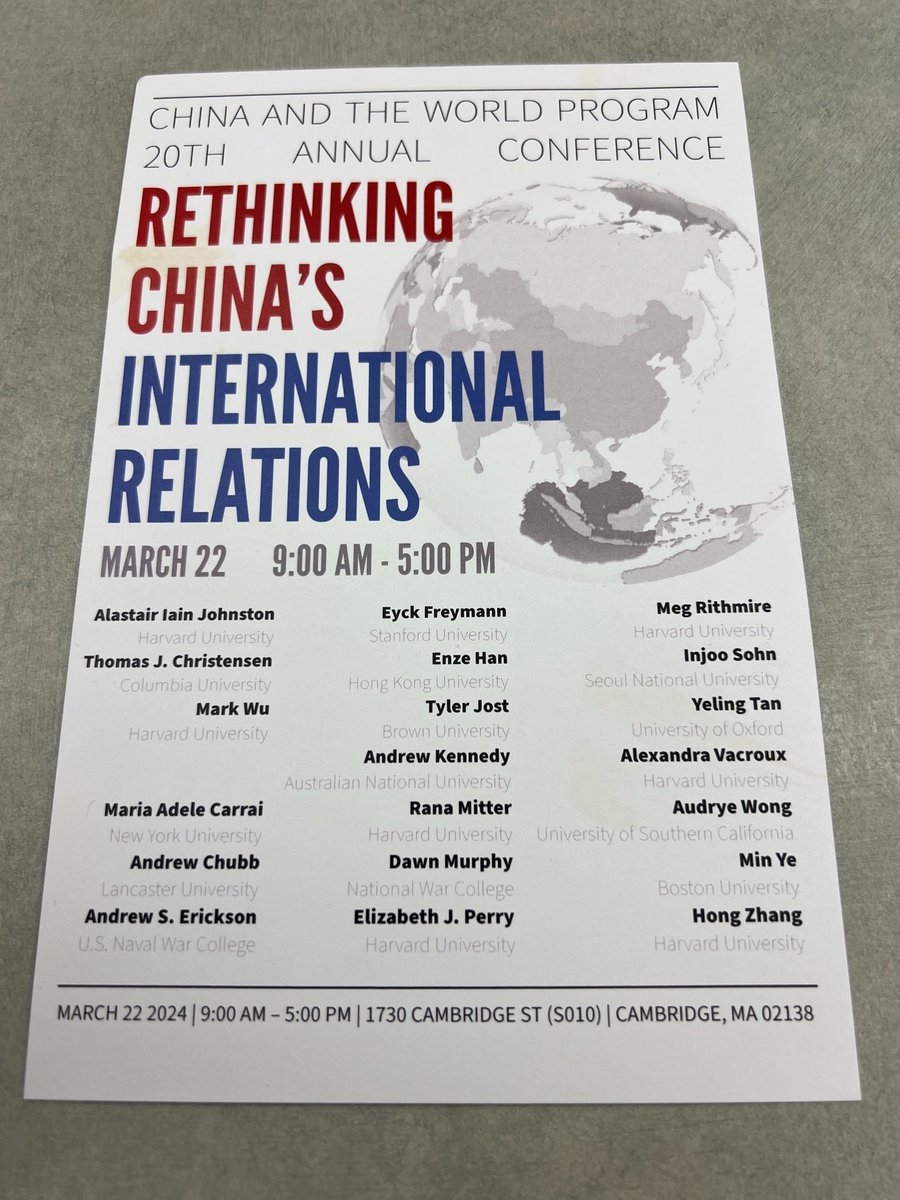
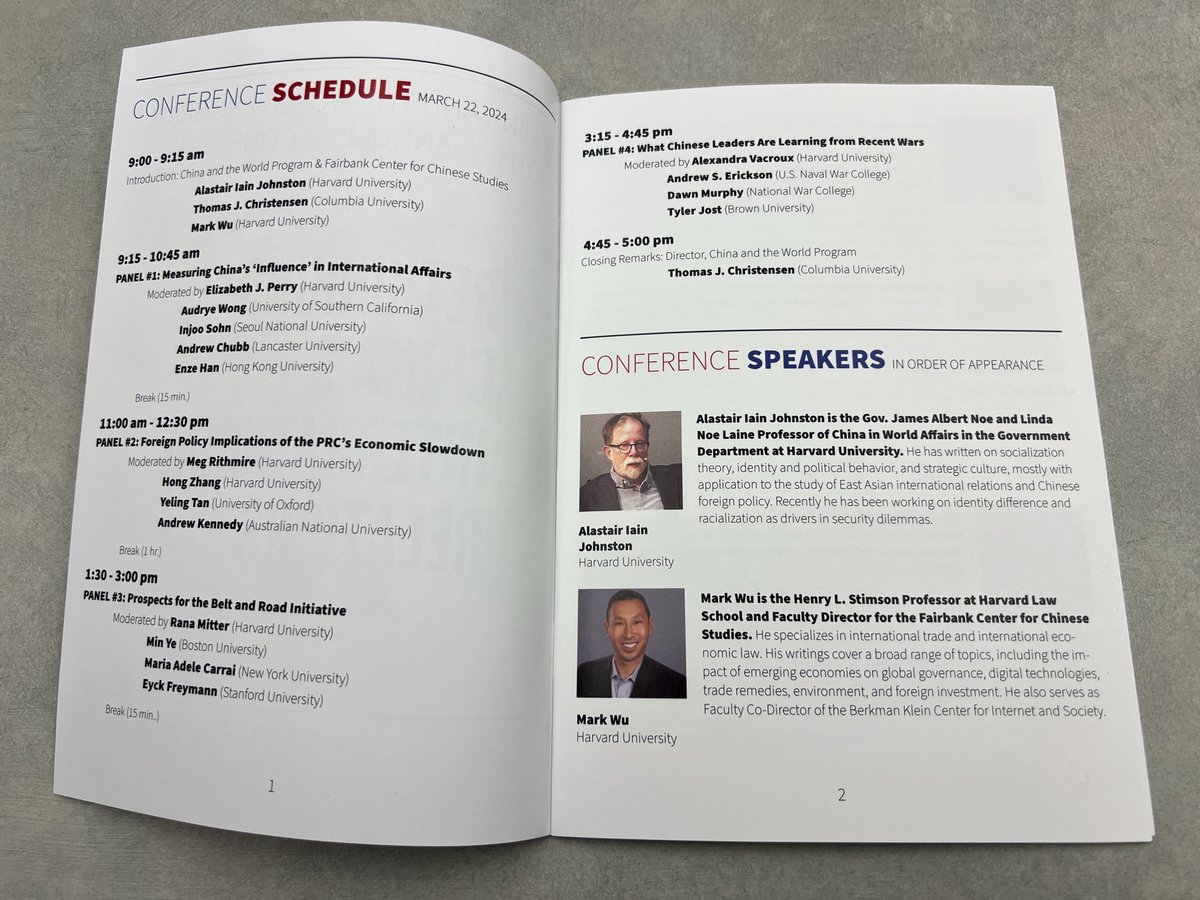
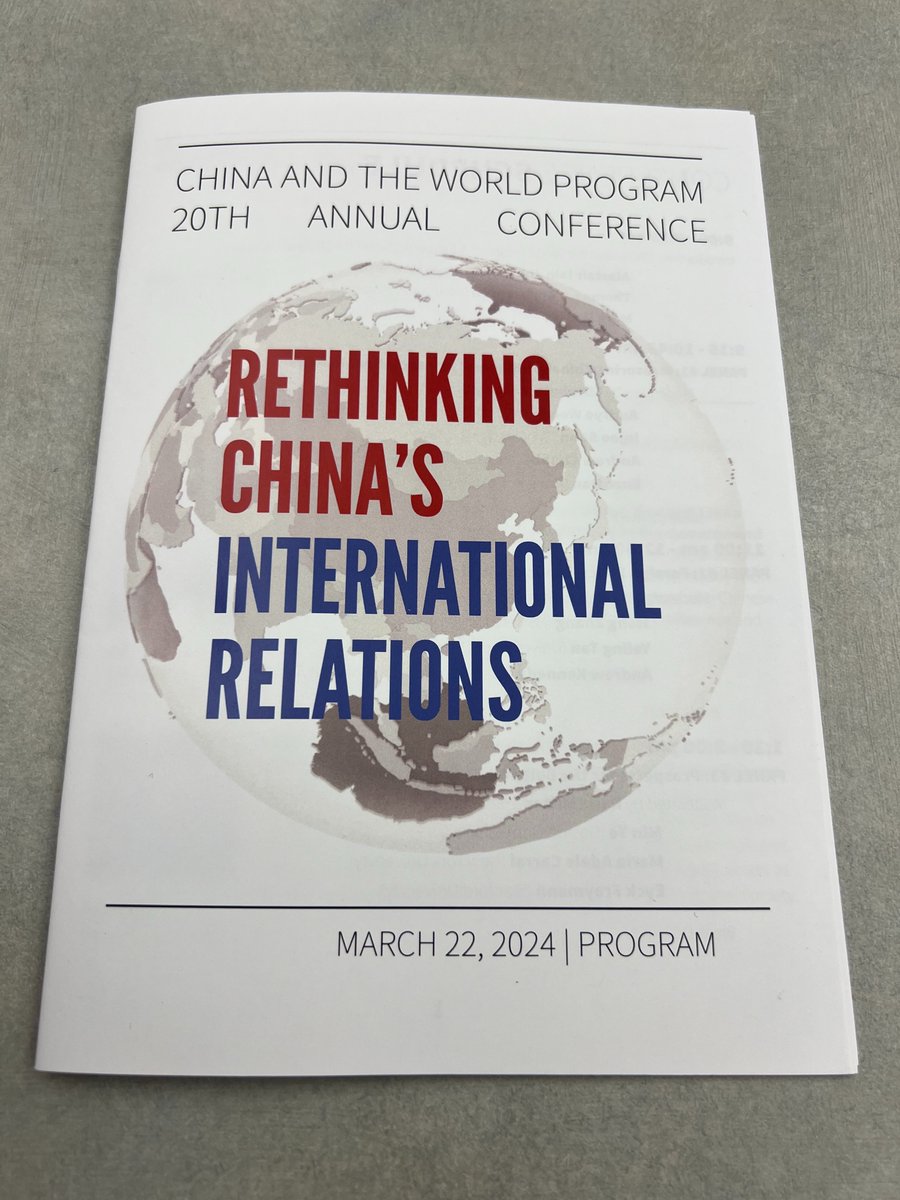
Honored and delighted to join this weekend’s annual @CWPColumbia conference at @FairbankCenter. It was a real privilege to learn from such brilliant researchers on China.
I remain especially grateful to Professor Thomas J. Christensen for his continued support and mentorship.
The background research note that our team prepared for the conference is now available online: https://t.co/7t6DjNC5pH
I look forward to joining further exchanges on best practices for states to achieve national security goals while limiting impacts on investment flows.
It was a privilege to support the @OECD Secretariat during last week’s Investment Committee conference on the security implications of foreign investments.
Merci mille fois to the brilliant team from whom I’ve learned so much: Joachim Pohl, Nicolas Rosselot, and Faraz Moosa.
Excellent piece from @BonnieGlaser, @jessicacweiss, and Thomas Christensen and a welcome clarification on existing U.S. policy/commitments toward Taiwan.
“To enhance deterrence in the Taiwan Strait, Washington must make clear that it opposes any unilateral change to the status quo, not only an attempt by Beijing to compel unification but also a political move by Taipei to pursue independence.”
https://t.co/qHkkvAkNSf
A thread 🧵: I’m overwhelmed by the words of support that have come pouring in since our announcement yesterday that we’re shutting down The China Project. My sincere thanks to everyone who’s reached out directly or here. A few things to clarify: 1/x
A real loss for folks trying to better understand China in all its complexity. Grateful to @thechinaproj for giving young analysts like me a start and early chance to share our perspectives.
Past Article Spotlight!
@williamyuenyee unpacks domestic legal frameworks for undersea cables in the US and China. Read why "the regulatory frameworks of subsea cables will remain a critical space to monitor" below:
@JamestownTweets
https://t.co/Xd86m5FBBR
@pablochavez@DougMadory Thanks for the note - unfortunately, not enough space in the piece. Right now, USG remains interested in 🇮🇩, though it does have 2 Chinese-built cables and many BRI projects. Will be a space to watch, esp as 🇮🇩 tries to use its nonalignment to benefit from both sides.
In @ForeignPolicy, I argue that Indonesia is not yet ready to become Asia’s next submarine cable hub, despite America’s efforts to reroute its subsea cables away from Chinese-controlled territories and through U.S.-friendly countries like Indonesia. 🧵 (1/4)
With Indonesia’s growing importance in the global submarine cable network, it must do more to secure the fiber-optic systems in its waters, @williamyuenyee writes. https://t.co/8IhZS85Uui