Biologist Watcharapong Hongjamrassilp observed that the shrimp stop swimming at dusk, gather near the river’s edge, climb out of the water and parade along the rocks all night long.
“I was so surprised because I never thought that a shrimp can walk that long,” he said.
Smaller organisms also gave higher metabolic rates on a per cell basis. So they burn food faster, move faster, have higher mutation rates and shorter generation times. They evolve faster too.
https://t.co/Fl23k5Dh9B
TIME’s new cover: Dolly Parton, the beloved country-music superstar, died in Nashville at 80.
Known for writing about the lives of working-class people in more than 3,000 recorded songs and later giving away nearly 300 million books to children around the world, Parton’s life was a true Cinderella story. https://t.co/9hT8kjv3S0
📖 Published📖
This study introduces a fast and accurate method for identifying animal behavioural states from high-frequency data within the HMM framework 🐐 📈 🧪
https://t.co/gy2bNYtuwJ
What if species survive, but their behavioral diversity dissapear?
Our paper in @ScienceMagazine argues that behavioral homogenization is an overlooked form of biodiversity loss, and that global biodiversity monitoring should start measuring it.
👉https://t.co/BoyfWC57fL
South America of the Cenozoic, as described by G. G. Simpson as "the Splendid Isolation" lost world, shows how alternative structures of megafaunas could have been. Here a study on crocodilian dominated predatory faunas:
https://t.co/H7v6zEfwSI
CC: @niles_eldredge@PalaeoPhilo
Growth and movement of cells in a human hair follicle. From this paper:
Mapping cell dynamics in human ex vivo hair follicles suggests pulling mechanism of hair growth https://t.co/m28Hsm7IYr
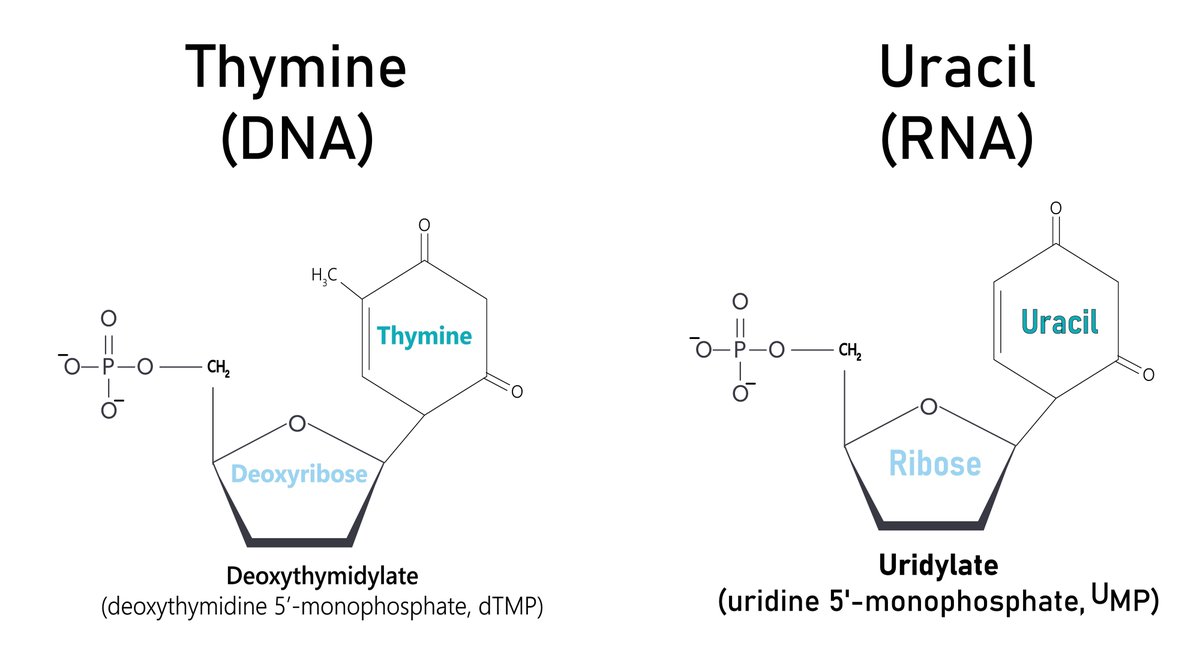
Why does DNA use thymine, whereas the evolutionarily older RNA uses uracil, given thymine’s susceptibility to damage from UV light? A study suggests that although thymine breaks down more easily, its products are less harmful to the DNA molecule. In PNAS: https://t.co/5u5xWyoHPG