The economic benefits of advanced AI risk being captured by an elite few, while the costs fall on workers, communities, and countries.
Windfall exists to change that. Our mission is to ensure AI prosperity is shared by all, not captured by a few.
https://t.co/hU4LcZssYC
Nobody expects Big Pharma to self-regulate. Why would we accept it from AI labs? Thoughtful funders are no substitute for public safeguards, writes @jasminewsun , one of the modt clear eyed chronicles of the age of AI. No One Ring should rule them all. https://t.co/UwtEswwxpr
Mei's searing, tremendous book on the Chinese one child policy is so relevant, even as it approaches its tenth anniversary. The human costs continue to haunt society, her and us all. Find to the whole episode
on SPOTIFY:
https://t.co/qaqz0O7r9j
@meifongwriter#onechild#author
16 top economists weigh in on #AIjobs in @WSJ@tepingchen. Their advice to young workers: be flexible, retrain, develop judgement. But who pays for that, and where do you develop judgement when the entry-level roles are gone? https://t.co/fPjXwzU4dE.
New: we asked 1,000+ people across 60 countries what they want from AI's economic future. Only 9% trust their governments to distribute AI's gains fairly. 52% chose jobs over guaranteed income. 60% know someone who's already lost a job to automation. https://t.co/rRtS8JFxS5
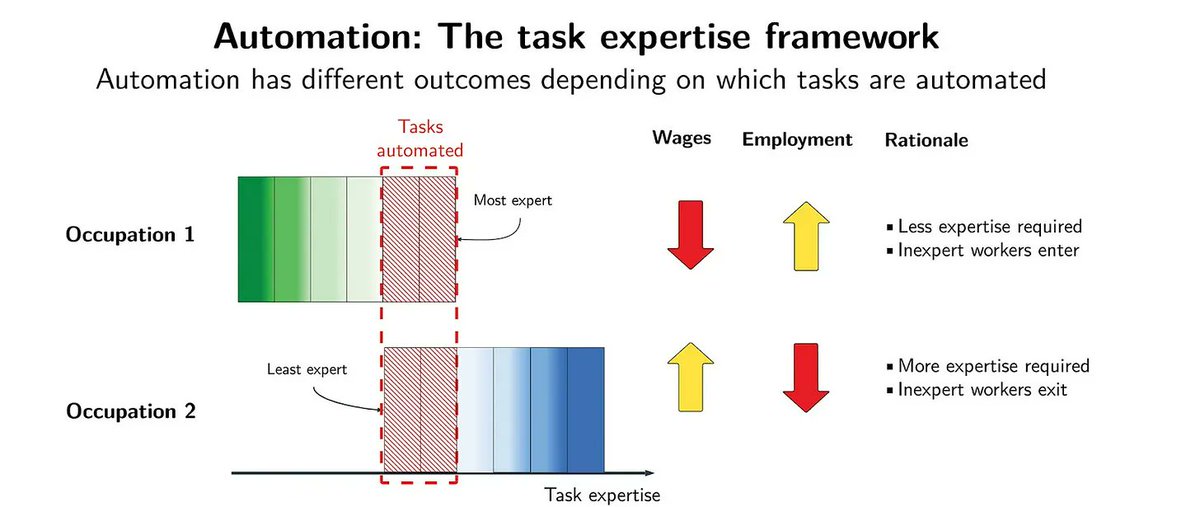
AI exposure reduced job postings by 6.1% across 39 countries — but wages haven't fallen. New @windfalltrust AI Economics Brief explains why expertise composition is the key variable.
New chapter: just joined @windfalltrust working on how societies prepare for the economic and social impacts of transformative AI— not the tech itself, but what it mesns for work, inequality and public trust. More soon