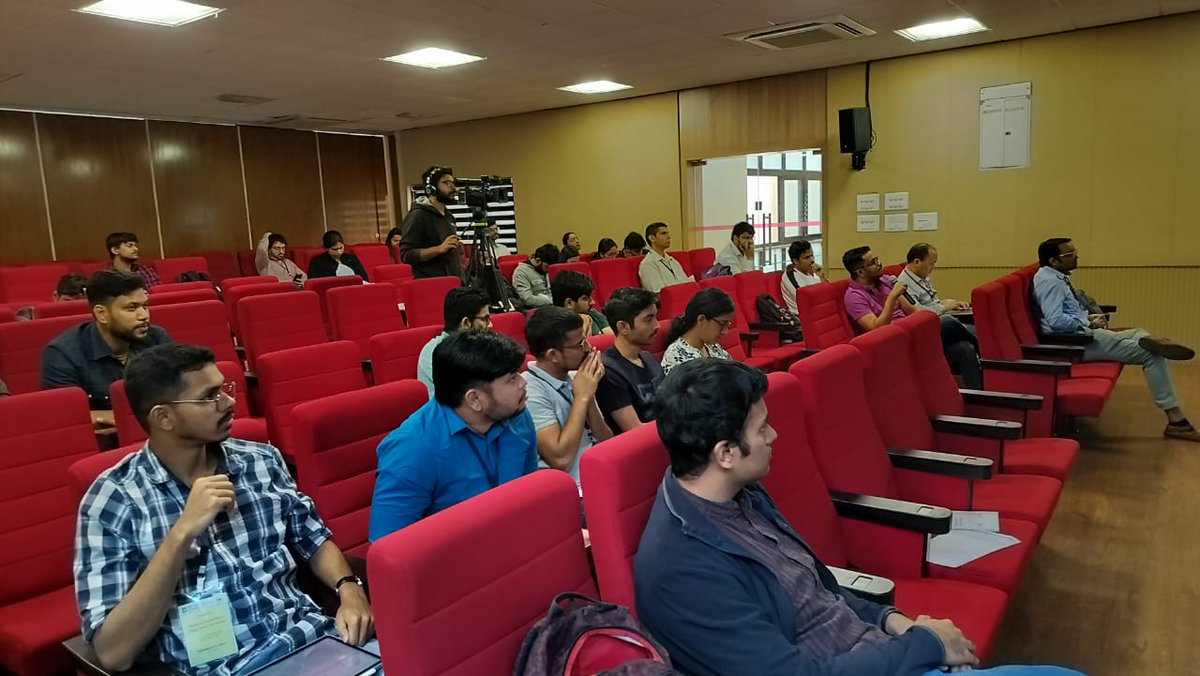
Day 2 of the Conference on ‘Quantum Technologies using Ultracold Atoms’ ended with enriching sessions by Projjwal Kanjilal (IISER Pune), Gourab Pal (RRI Bangalore), Inderpreet Kaur (IISER Pune), Bharathi Kannan J (IISER Pune), Harshini T. (IISER Pune)
Stay tuned for more.
(10/n) While pursuing her PhD @TIFRScience, @rsanjukta (@RRI_Bangalore) created the first Bose-Einstein condensate (BEC) in India. She takes us through the essential steps in realising the BEC: laser-cooling and trapping of atoms & evaporatively cooling to 140 nK in less than 1s.
A cat co-authored a scientific paper in 1975, when his owner, a physicist named Jack H. Hetherington, decided to add him as a second author to avoid changing the plural pronouns in his manuscript. The cat’s name was Chester, and he was given the pen name F.D.C. Willard, which stood for Felix Domesticus, Chester. Willard was also the name of Chester’s father. The paper was about atomic behavior at different temperatures, and it was published in Physical Review Letters, a prestigious physics journal.
Chester’s co-authorship was revealed when Hetherington sent some signed copies of the paper to his friends and colleagues, and included the cat’s paw prints as his signature. The story became widely known and amused many people in the scientific community. Chester even published another paper as the sole author in 1980, in a French popular science magazine. He died in 1982, but he is still remembered as the first and only cat to have authored a published scientific paper.
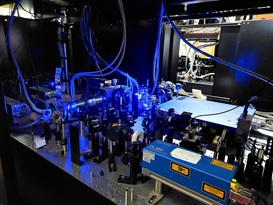
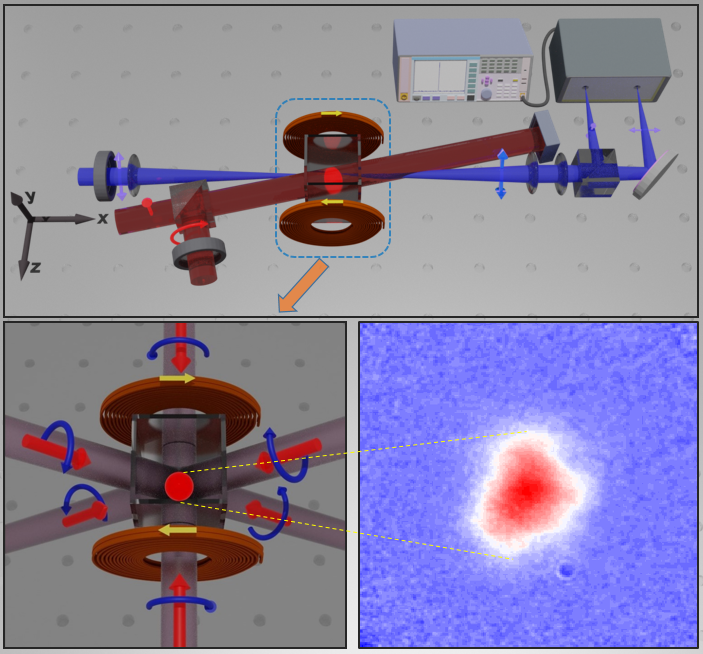
A recent article from our laboratory giving details about the experimental facility to simultaneously laser cool and trap a large number of Sodium and Potassium atoms. We are very happy that AIP Advances Editors highlighted our research.
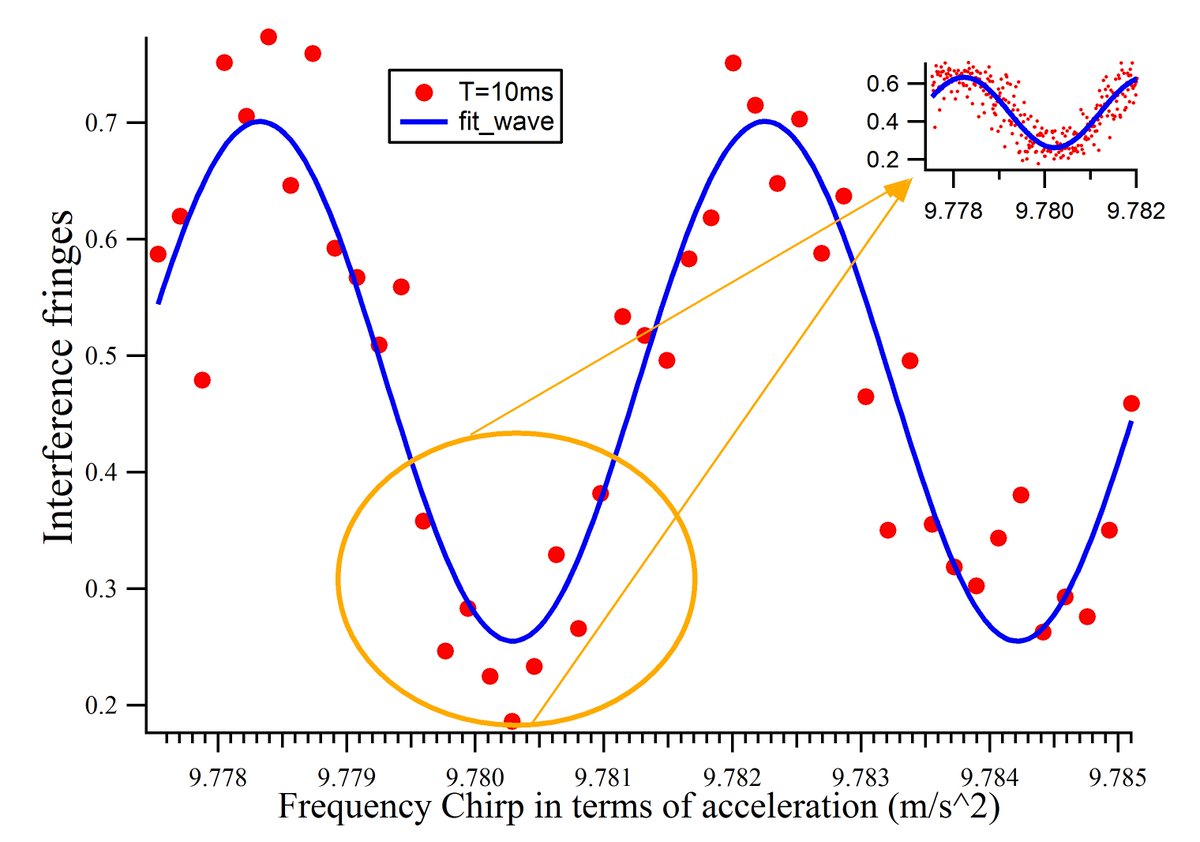
Happy to announce that our group has developed an Atomic Gravimeter (A Quantum Tech device) with 1ppm sensitivity using Bose-Einstein Condensate. Now we can measure 'g' to six decimals. Working for better sensitivity and transportability @IISERPune@Pranabdutta16@SSagarM1
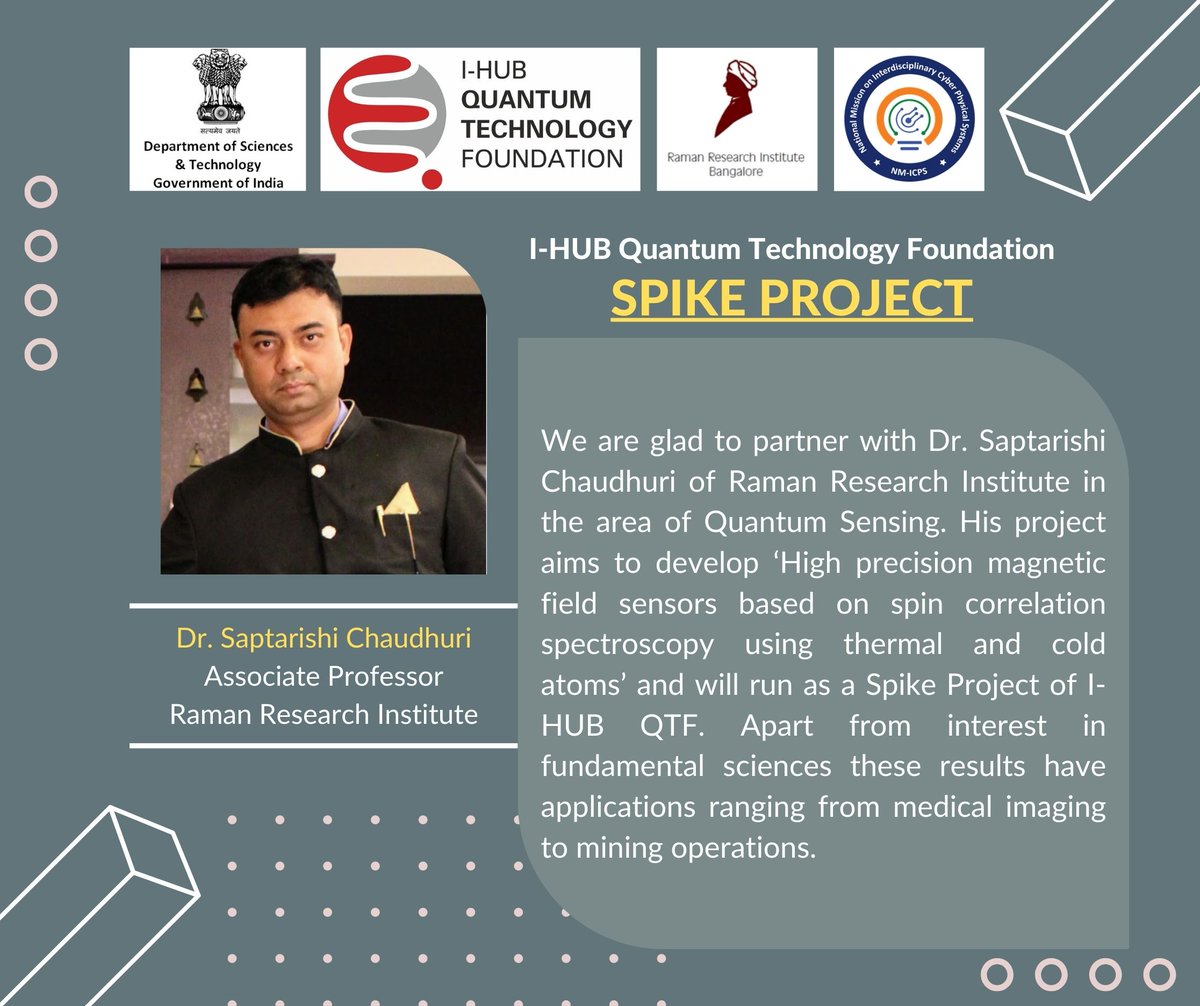
Correlations between waves in atomic systems or spin coherences are long-lived at ultralow temperatures, says a new study by @RRI_Bangalore#Scientists who have developed a new #technique to measure it.
@DrJitendraSingh@srivaric
➡️https://t.co/whVAHfFtZw