congratulations, you've finally moved from describing the calculation to describing the model's controls. progress!
but adjusting for confounding variables isn't the same as demonstrating that those adjustments successfully isolate the effect you're claiming to measure.
you're still describing methodology. i'm asking about validation. how was the model independently tested against its claimed construct?
can you actually produce the methodology for the specific framing model you're defending? not a general explanation of how framing works, but the actual statistical specification, variables, assumptions, and validation methods.
because so far you've described what the model is intended to measure and what it supposedly controls for. that's not the same as demonstrating that it successfully measures what you claim.
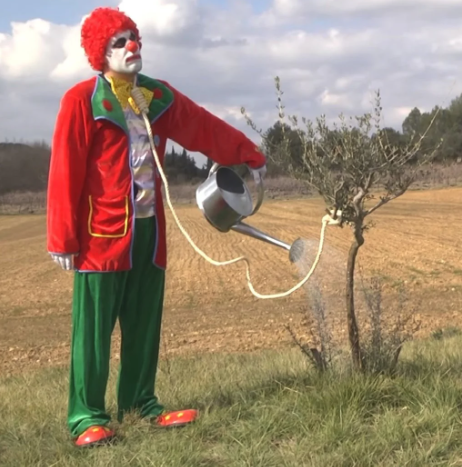
Keep watering.
you're still using the output of the model as evidence that the model is valid. "good framers get more strikes" is the conclusion you're supposed to be demonstrating, not independent validation of it.
how do you know you're isolating catcher skill rather than attributing effects from pitchers, umpires, pitch location, and other variables to the catcher?
that's a question about model validity, not how many times you've explained the calculation. Water the tree.(or do yourself a favor and quit while i'm ahead)
let me slow this down for you.
you're the one asserting that the statistic measures catcher framing ability.
I'm asking how that measurement has been validated.
repeating the calculation isn't validation, and demanding that I disprove your conclusion doesn't establish it either.
do you understand the difference between a methodology and evidence that the methodology works?
keep watering the tree.
@donniesull1van it's always hilarious to me when people confuse understanding how a statistic is calculated with understanding whether it's actually measuring what it claims to measure. you're demonstrating the distinction beautifully. you👇