New paper out now in @ESAEcology! 😍
A multispecies hierarchical model to integrate count and distance-sampling data
Multiple species, multiple datasets, and ONE model to bind them! This was a challenging project & I learned a ton
https://t.co/dIHIXuJjSY
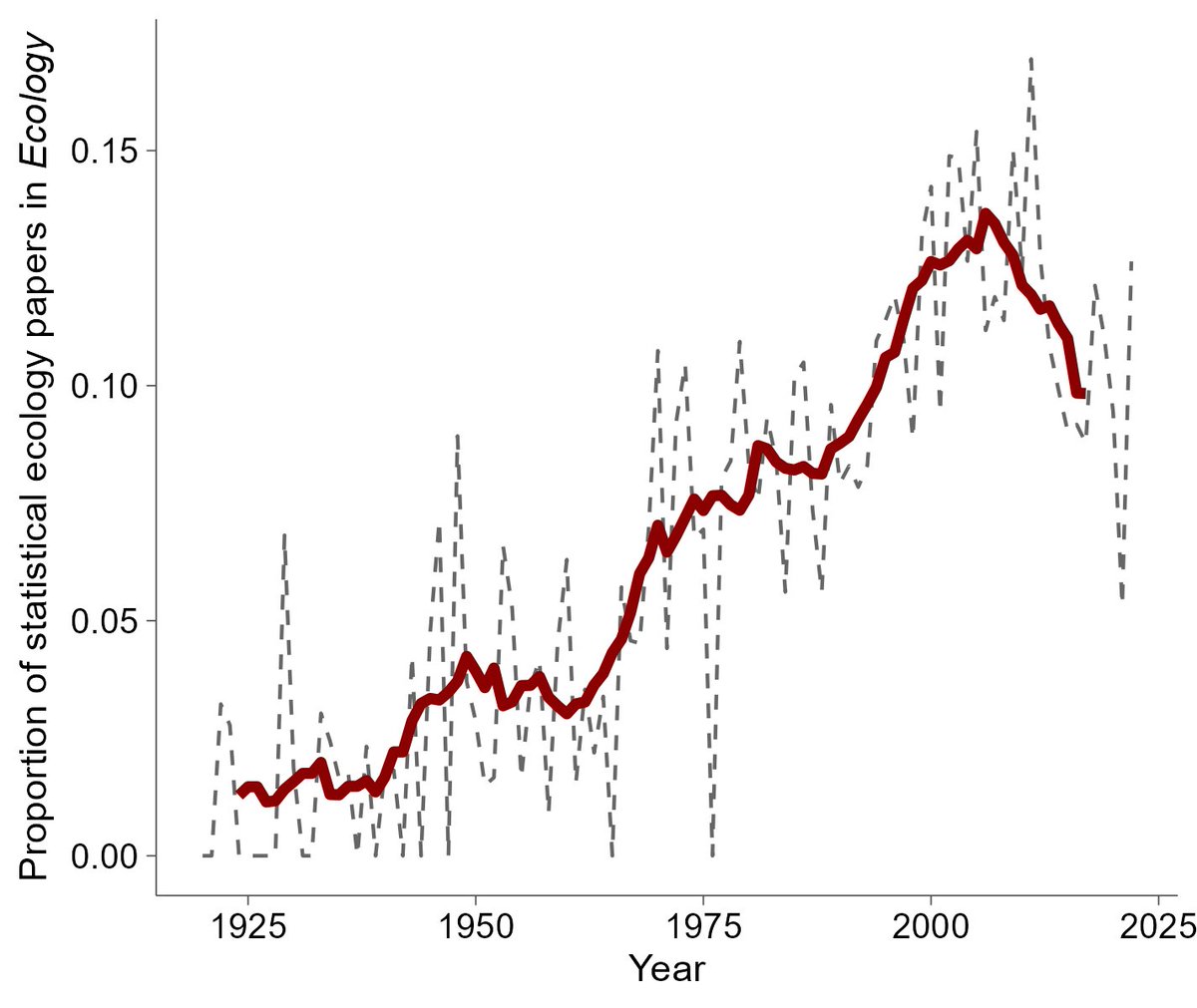
From drones to DNA, ecologists today use tools that would be unrecognizable to scientists 100 yrs ago—and the same is true of their statistics!
Announcing "100 Years of Statistical Ecology," a Collection of landmark @ESAEcology papers
Read the release: https://t.co/TP4DH09PzA
Check out our new piece on the history of statistical ecology and the role that @ESAEcology has played
This was a fun (and challenging!) paper to write - we learned a lot!
https://t.co/NeZhT8lG22
Thrilled to share our new paper in @MethodsEcolEvol that introduces the spAbundance R package for fitting a variety of single-species and multi-species spatially explicit abundance models!
https://t.co/SA9NRIDuqf
It’s finally published! “Deep biogeographic barriers explain divergent global vertebrate communities”, published in @NatureComms with @BrodieEcology & @ZipkinLab#biogeography#macroecology https://t.co/Wl4odQDE8f
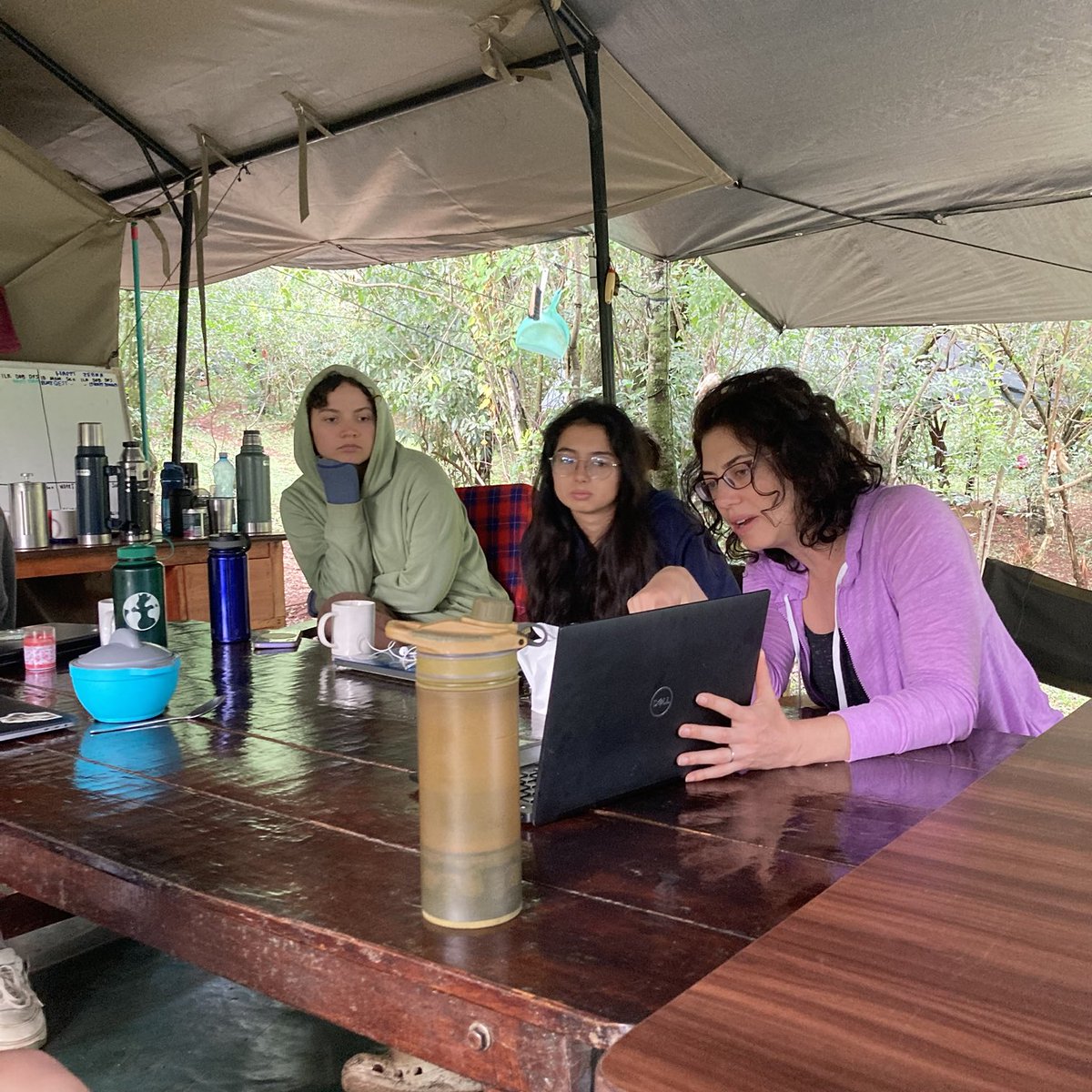
ISEC 2024 will feature also great roundtable discussions, such as:
"Developing pipelines for integrated distribution models"
"What are the key statistical methods and concepts all [undergraduate] ecologists should learn?"
Join us! #ISEC_2024_Swansea
https://t.co/EE77nONVEJ
We are excited to share our new @Trends_Ecol_Evo article, where we identify demographic gaps in the authorship of peer review bias research, and touch on some potential solutions to this problem https://t.co/APn8wh4tyQ (a🧵)
I'm excited to share that I published a first version of my Statistics 4 Ecologists book with University of Minnesota Libraries Publishing. You can now download a (FREE) pdf version of the book here:
https://t.co/S7NiLarPzC










![ISEC_stats_ecol's tweet photo. ISEC 2024 will feature also great roundtable discussions, such as:
"Developing pipelines for integrated distribution models"
"What are the key statistical methods and concepts all [undergraduate] ecologists should learn?"
Join us! #ISEC_2024_Swansea
https://t.co/EE77nONVEJ https://t.co/aJiYzXQK0t](https://pbs.twimg.com/media/GJC7QEgXoAU9fIa.jpg)


