Vibrio natriegens is a microbe that divides every nine minutes, or twice as fast as E. coli. A single cell can form a visible colony in about four hours.
The best part of these cells, though, is not their growth rate.
A spinout company from Cornell, called @ForageEvolution, has engineered V. natriegens to be naturally-competent, meaning the cells grab DNA from their environment, pull the DNA inside, and then express the genes without coaxing.
In other words, you can mix these cells with a tiny amount of DNA encoding, say, a fluorescent protein. The cells will take up the DNA and begin expressing it. This happens relatively quickly and at room temperature. The cells grow in salt water supplemented with a tiny bit of acetate, a molecule found in vinegar. This DNA transformation does not require any other growth medias or equipment, so no refrigerators or electroporators.
(The acetate keeps the cells metabolically active, but doesn't provide enough energy for the cells to divide rapidly, so they settle into a slow-growing, competent state.)
I think this is very, very, very cool. Imagine growing these cells in a small, continuous bioreactor, constantly feeding them new strands of DNA, and then watching as the cells transform and begin changing their behaviors according to the instructions encoded on that DNA.
These cells could be used to build a sort of 'Breadboard for Biology,' perhaps by incorporating microfluidics, a small bioreactor, and a microscope. It would be a good way for students to engineer biology and get results out much faster, which also makes experiments *feel* much more satisfying.
Surprised to discover that Thermo Fisher appears to show a fake western blot for the validation of one of their p53 antibodies. I've added a diagram to show the very similar bands. This does not appear to be one of the "published figures", but their own internal data.
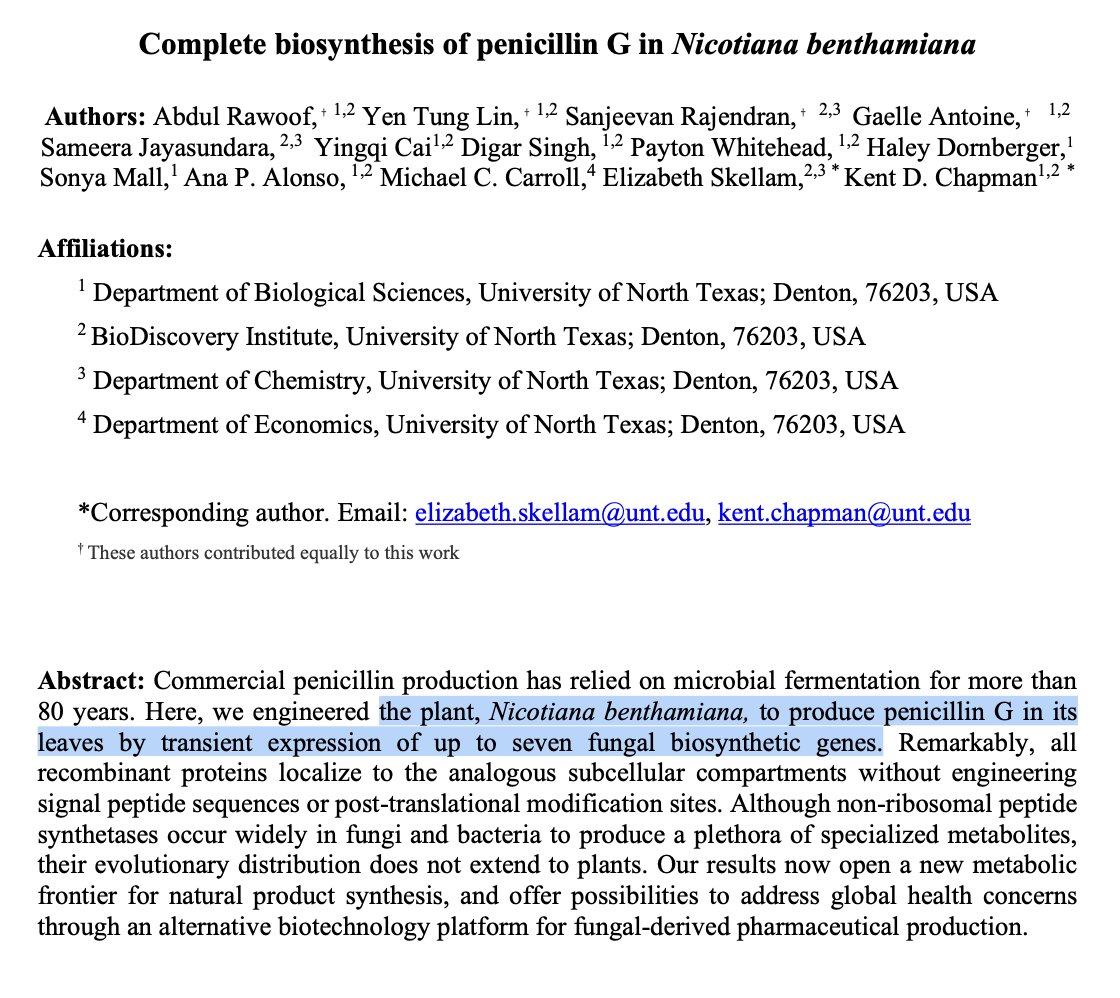
Complete biosynthesis of penicillin in tobacco plants.
Every year, farmers in the US harvest about 840 billion pounds of corn. For comparison, there are only a few million liters of bioreactors, by volume, in the US. If we could engineer corn to make insulin at a titer of 1 g per kg of leaves (which is low; researchers previously engineered tobacco plants to express recombinant proteins at titers of 4-5g per kg), then we could make the global supply of insulin in an area of 1,230 acres; or roughly a square measuring 2.2 kilometers on each side.
In other words, biomanufacturing with plants (or, recently, chicken eggs; see Neion Bio) feels highly underrated. There is a lot of “spare capacity,” and the farming industry has already built the infrastructure needed to scale!
Alas, there are many things we cannot make with plants. Their chemical repertoire is fairly limiting when it comes to making human medicines. Many antibiotics, immunosuppressants, and antifungal medicines are made by enzymes that are missing from the plant kingdom. In particular, plants do not have non-ribosomal peptide synthetases, which are huge proteins that build peptides separately from the ribosome (hence their name). These proteins are used by fungi to make antibiotics, antifungals, and even many anticancer drugs (like bleomycin).
For a new preprint, researchers in Texas engineered tobacco plants to make penicillin. They did this by engineering the plants to express seven fungal genes. This is not particularly impressive in terms of the size of the metabolic pathway (I recently wrote about tomato plants engineered to synthesize tobacco, for example, and that also required seven added genes and, arguably, way more work). The penicillin yield is also super low; just 25 micrograms per gram of dry weight, which is waaaayyyy lower than the titers were get from engineered yeast.
But that’s not why this paper is important! It’s important because this is the first time that anyone has expressed a non-ribosomal peptide synthetase in a plant, so now we can engineer crops to make lots of other things, too.
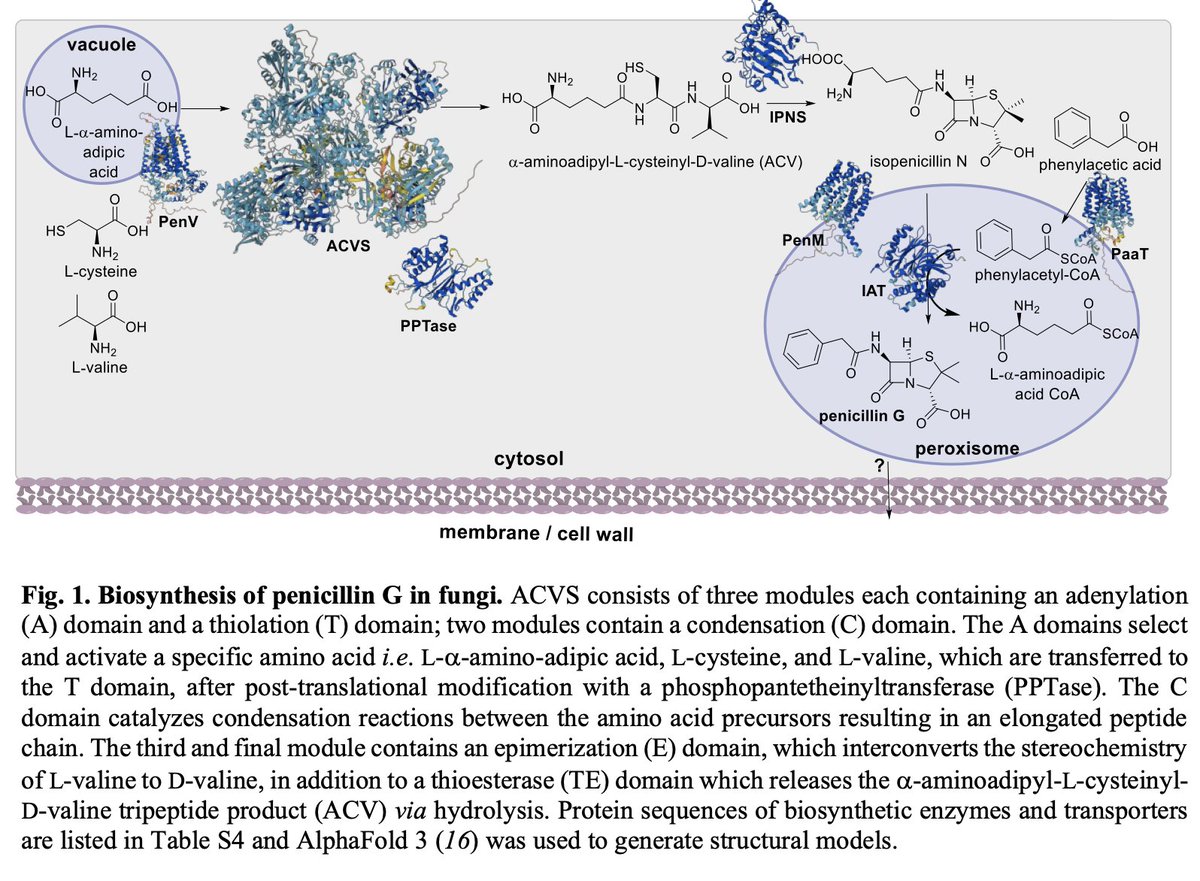
(The penicillin biosynthesis pathway, if you care, goes like this: The giant non-ribosomal peptide synthetase enzyme is in the cytosol. It grabs onto α-aminoadipate (a side-product when plants break down lysine), cysteine and valine. The enzyme snaps them all together, and also flips the valine from its normal "left-handed" shape to a "right-handed” one. A second enzyme, also in the cytosol, then pinches these amino acids together to make the β-lactam ring. Next, this molecule moves into the plant cells’ peroxisomes, where a third enzyme swaps the α-aminoadipate for a phenyl group, thus creating the active form of penicillin! The authors were worried that these chemical movements between the cytosol and peroxisome would not work by default, and might require engineering, but the proteins went to the appropriate compartments without any coaxing. That was a surprise.)
COLOURSCAPE: An ottava rima in iambic pentameter, intersected by a sonnet in iambic monometer — such that the third foot of each line of the ottava rima belongs also to the sonnet.
About a decade ago, many people in Chinese stopped believing that chickens marketed as "free-range" were legit, because some unscrupulous suppliers tried to pass off bad chicken as premium, leading to small disease outbreaks.
In 2017, a Chinese company called GoGoChicken began sticking ankle bracelets onto all of their newly-hatched chickens to track their locations (via GPS), daily steps, the local air quality, and more. These data were logged onto the blockchain (for no apparent reason other than "credibility.")
When these chickens were slaughtered and packaged, the company included a little QR code on the label. Consumers could scan this label and see details about that particular chicken; where it was raised, what it ate, number of daily steps, and when it was slaughtered. These chickens were profitable, selling for up to $43 each. The technology expanded to more than 400 farms, but the company eventually went out of business for reasons that are unclear to me.
(The company also pitched an idea to allow people to buy their chicken four-to-six months before slaughter, so they could follow its life and remotely watch the animal as it grew up. Strange.)
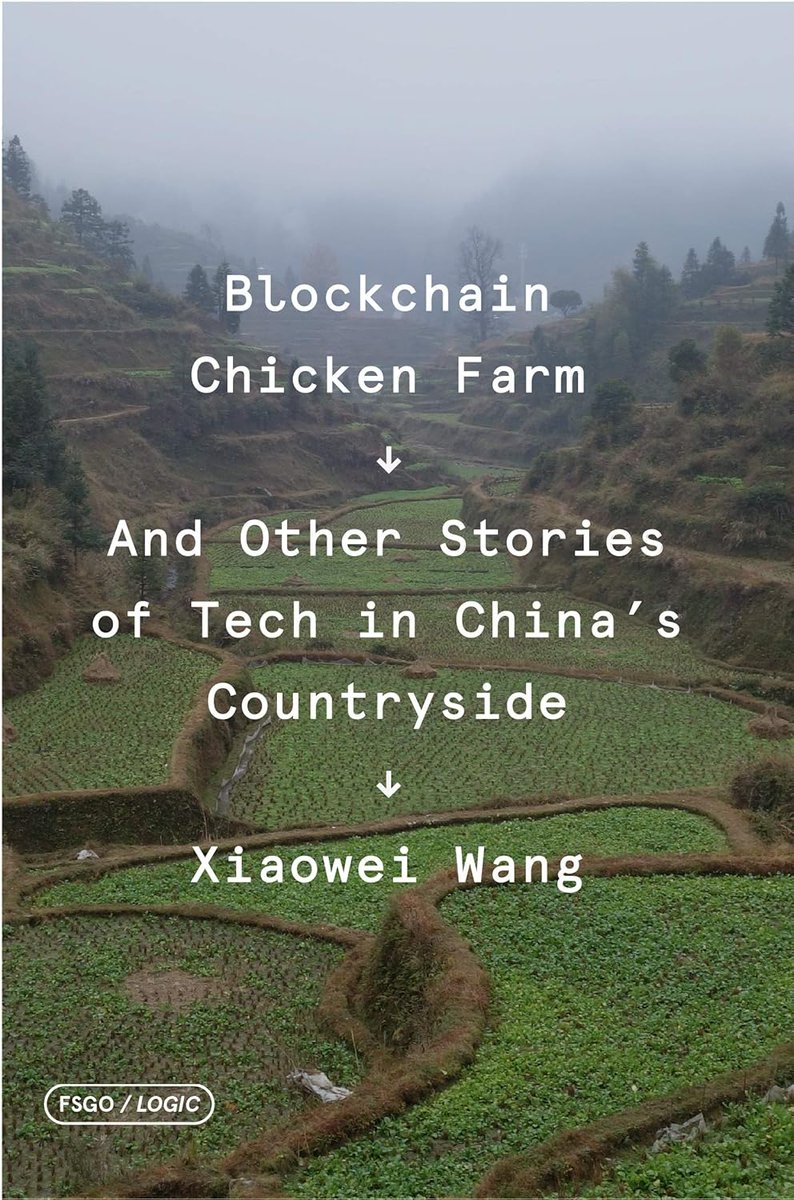
Yes, this is literally a plot from the first episode of the TV show, Portlandia. But it is also a real story, well documented in the book "Blockchain Chicken Farm" by Xiaowei Wang, which is itself a collection of strange stories about technology adoption in rural parts of China. Recommend.
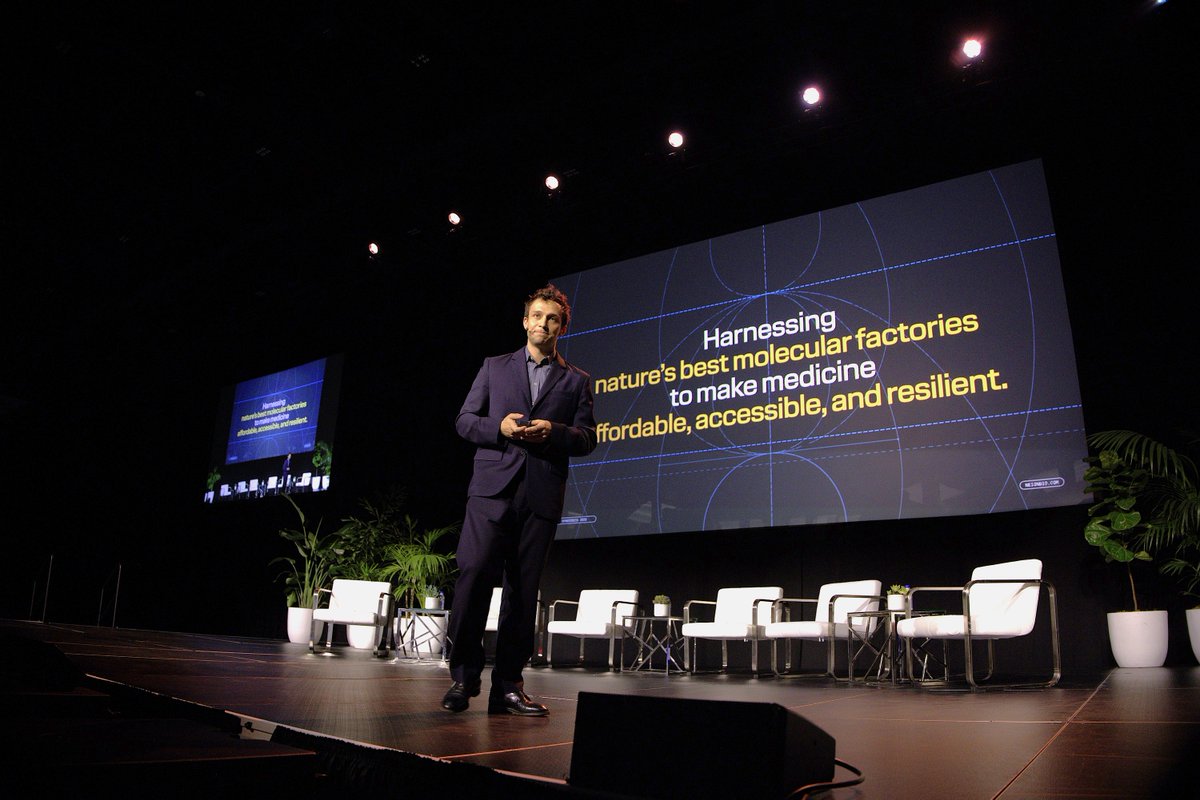
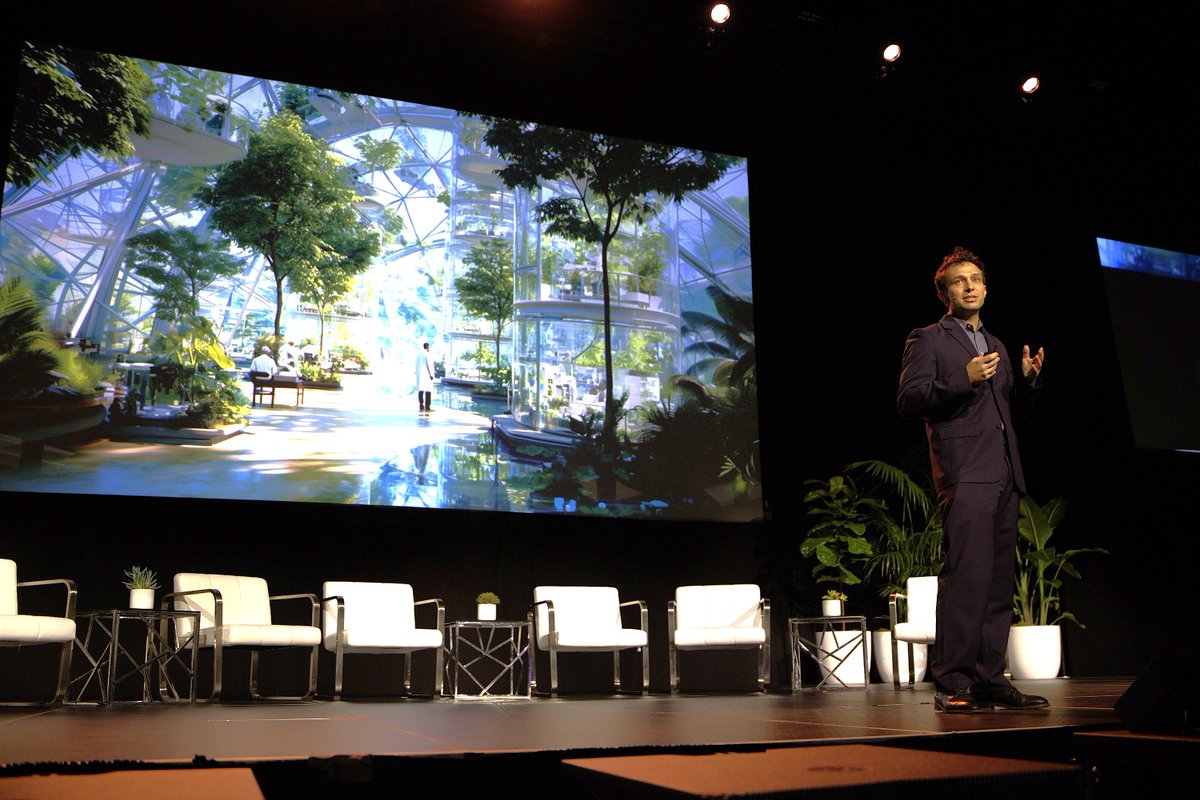
Samuel Levin of Neion Bio said genetically engineered chickens can turn eggs into bioreactors, producing a blockbuster biologic like Humira at 10x lower COGS and 100x lower capex than traditional manufacturing. #SynBioBeta#Biotech
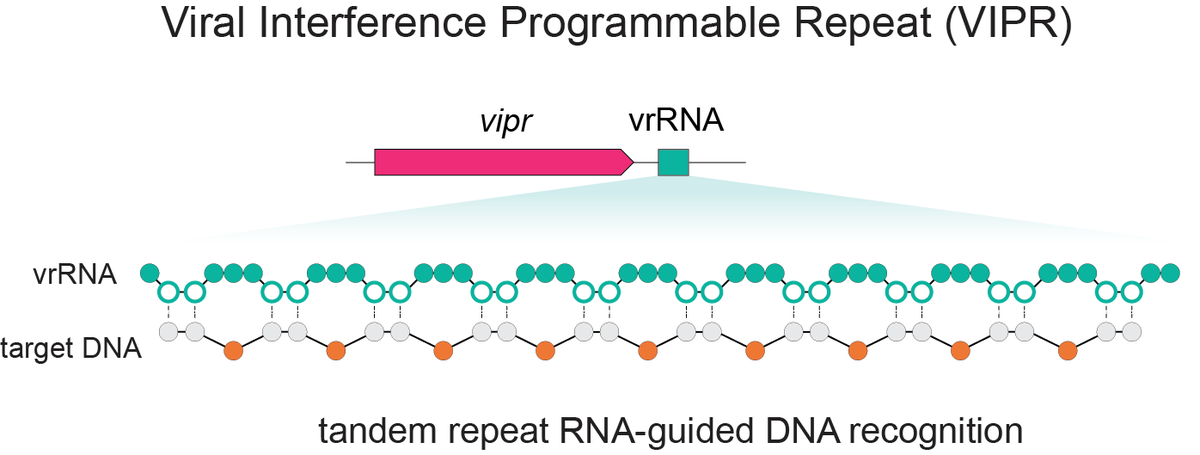
Excited to share our discovery of a new programmable RNA-guided DNA-targeting system hiding inside bacteriophages that predates CRISPR.
We call it VIPR (Viral Interference Programmable Repeat), and it uses an entirely new logic to find its targets.
Thread + link below.
What if biology already invented the best bioreactors?
Imagine if I told you that there was a magical capsule that could fit in your palm. You can program the capsule to produce an infinite variety of valuable medicines. And they can be made for less than a dollar, at huge scale.
It sounds like an alien technology. But I'm just describing an egg.
Neion Bio is building the drug manufacturing company of the future by leveraging the miraculous infrastructure biology has already built. Their vision is to enable a future of abundant, low cost biomedicines around the world by using egg-based biomanufacturing.
It was a true privilege to invest in this team with Packy. We've seen what they've already accomplished over the past ~1.5 years. Now the world can read about it in the NYT, covered by Zimmer. Crazy.
Sam and Dimi are working to build something very important here.
@packyM I’ve been reading Not Boring for many years and it’s so awesome to see the company where I work now highlighted by you! Love what you’re doing Packy!