You need to create an environment where poor behaviour is less likely to happen.
1. Consistency from staff: have systems that everyone must follow. Ie slanting, counting out books.
2. Consistent classrooms: visualisers for all, desks in rows, not much on walls.
3.Narration of absolutely everything so they fully understand the WHY.
4. Merits/demerits used liberally by everyone constantly. Make them mean something.
5. Regular meetings with parents of challenging pupils.
6. Perfect uniform for everyone.
7. Believe in one best way of teaching and align staff.
There is lots more but start there.
That’s how you improve behaviour across the school.
Broken Windows Theory.
It works!
📈 Schools with large numbers of poorer pupils say they have boosted progress scores by installing new leadership, tighter behaviour rules and reaching beyond the school gates
https://t.co/WQvGfedKt5
1️⃣ Does it make pupils think? Swap "Have you finished?" with "Tell me what you've learnt."
2️⃣ Does it lead to mastery over time?
3️⃣ Are the materials both beautiful and useful, reflecting quality & depth?
🔗 Check it out & dive deeper: https://t.co/FCUPRnMP08
/2
📌Bridging the Gap between Intent and Delivery in Education📚
A ton of effort has been poured into curriculum design, but do we deliver what we promise? An ambitious curriculum deserves an equally ambitious delivery.🎯
🔍3 Principles to Ponder:
/1
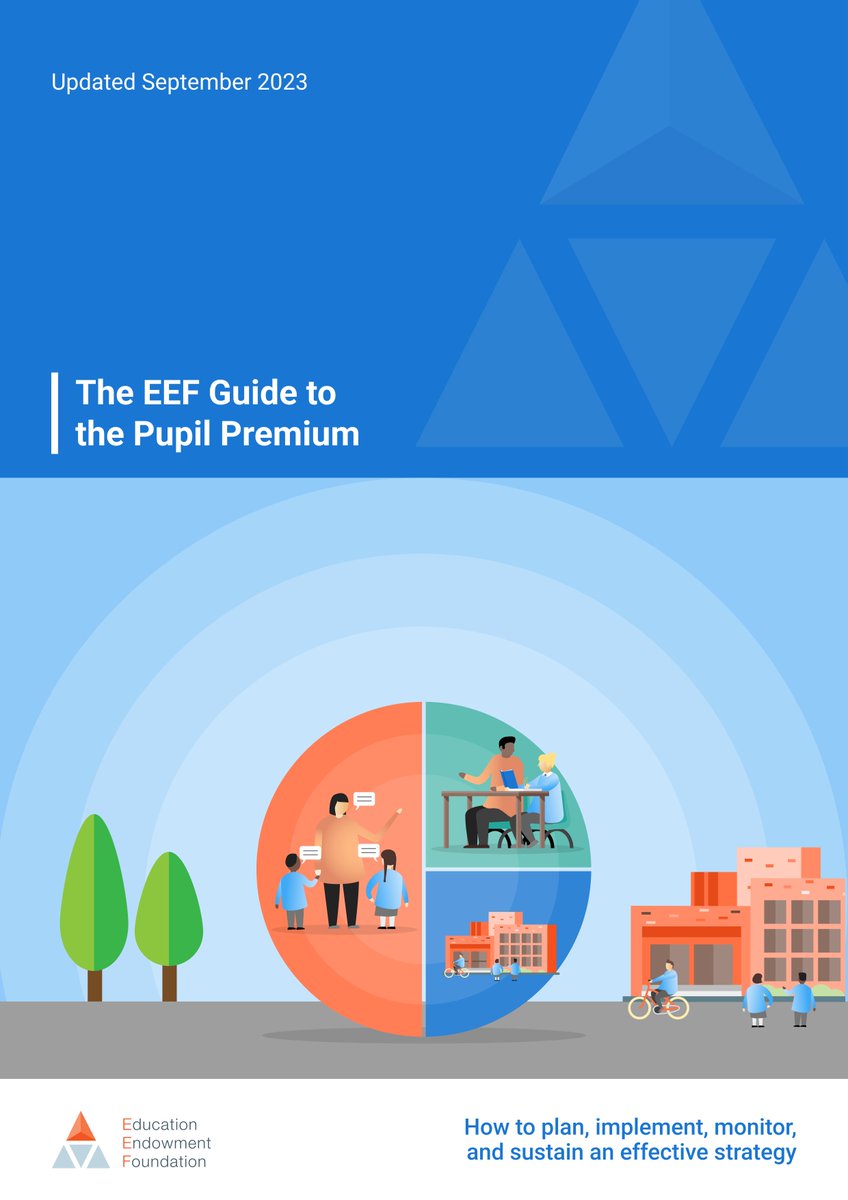
🌟 It’s the time of year when headteachers and leaders across the country consider their Pupil Premium plans.
We’ve launched our updated Pupil Premium guide to help you determine your school’s priorities.
Download now: https://t.co/KyF6jMwmRM
1/6
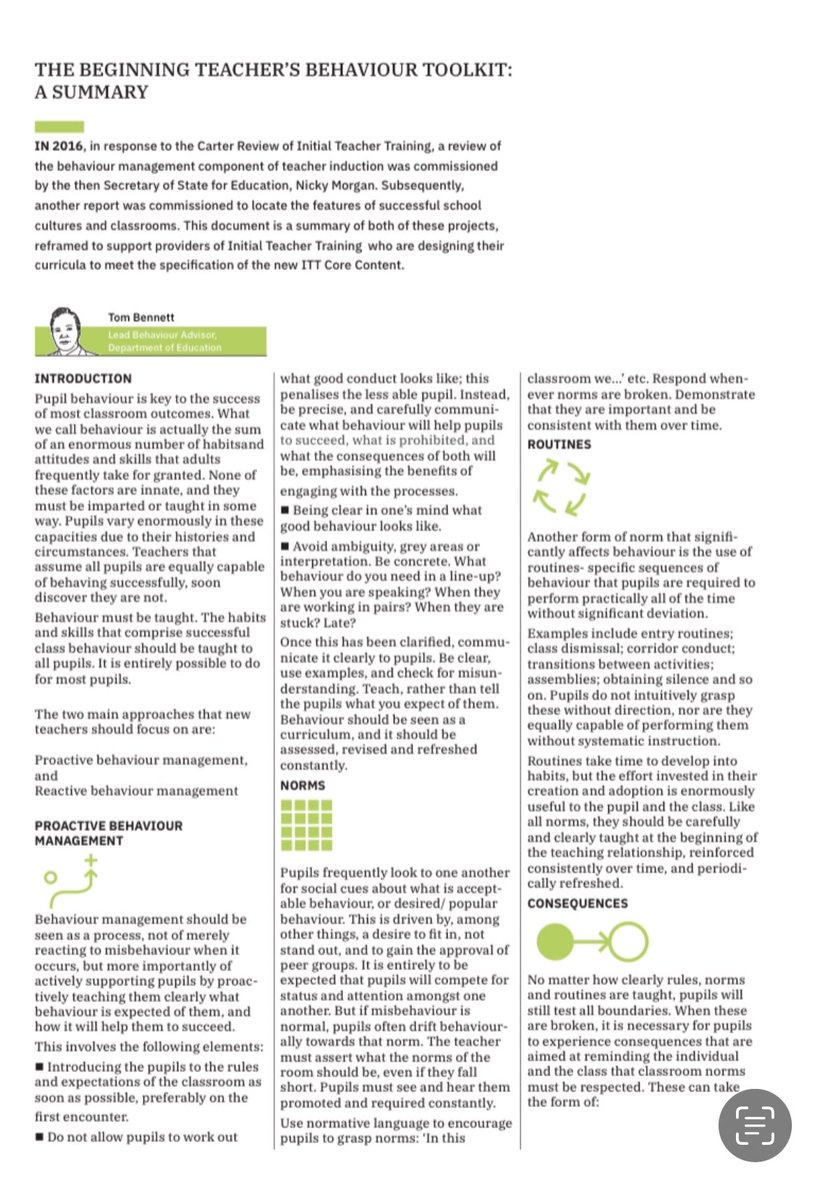
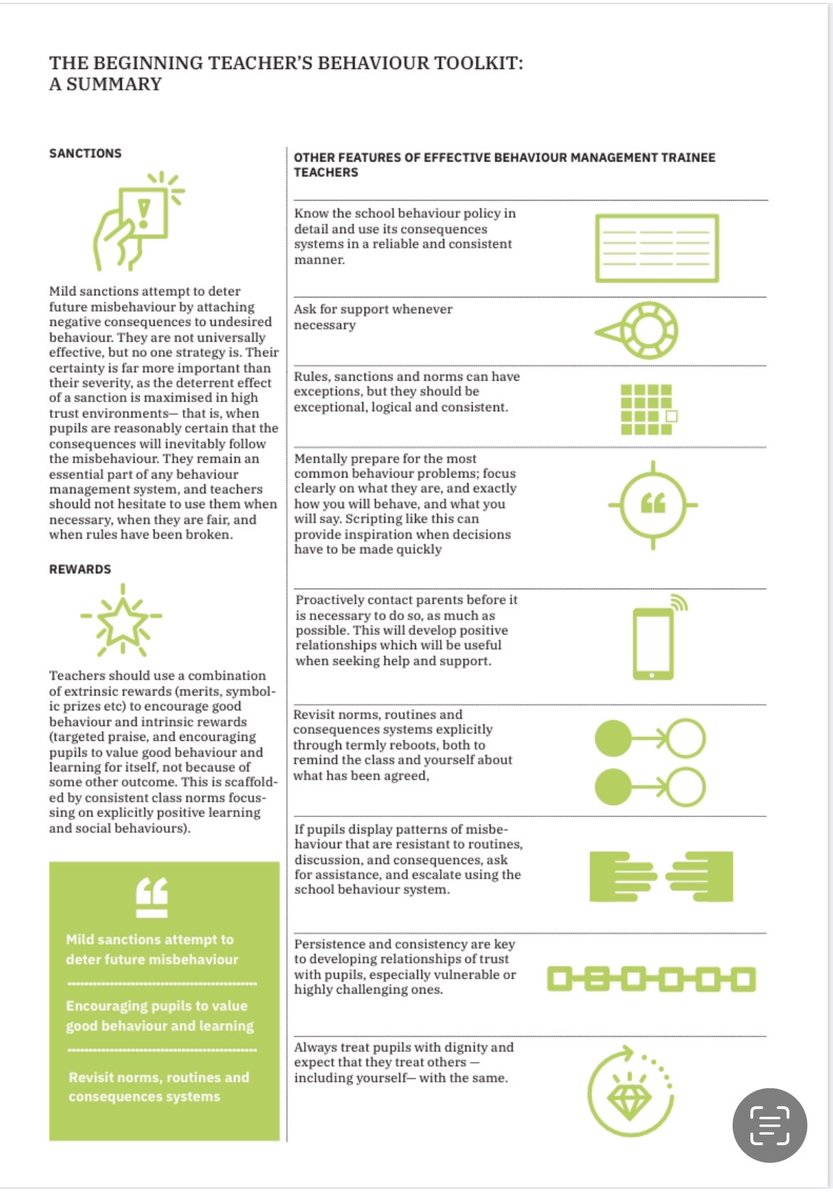
Free downloadable poster summaries of how to set/ reset behaviour at the start of the year. Please RT to anyone who might this useful https://t.co/seECpyWtC1
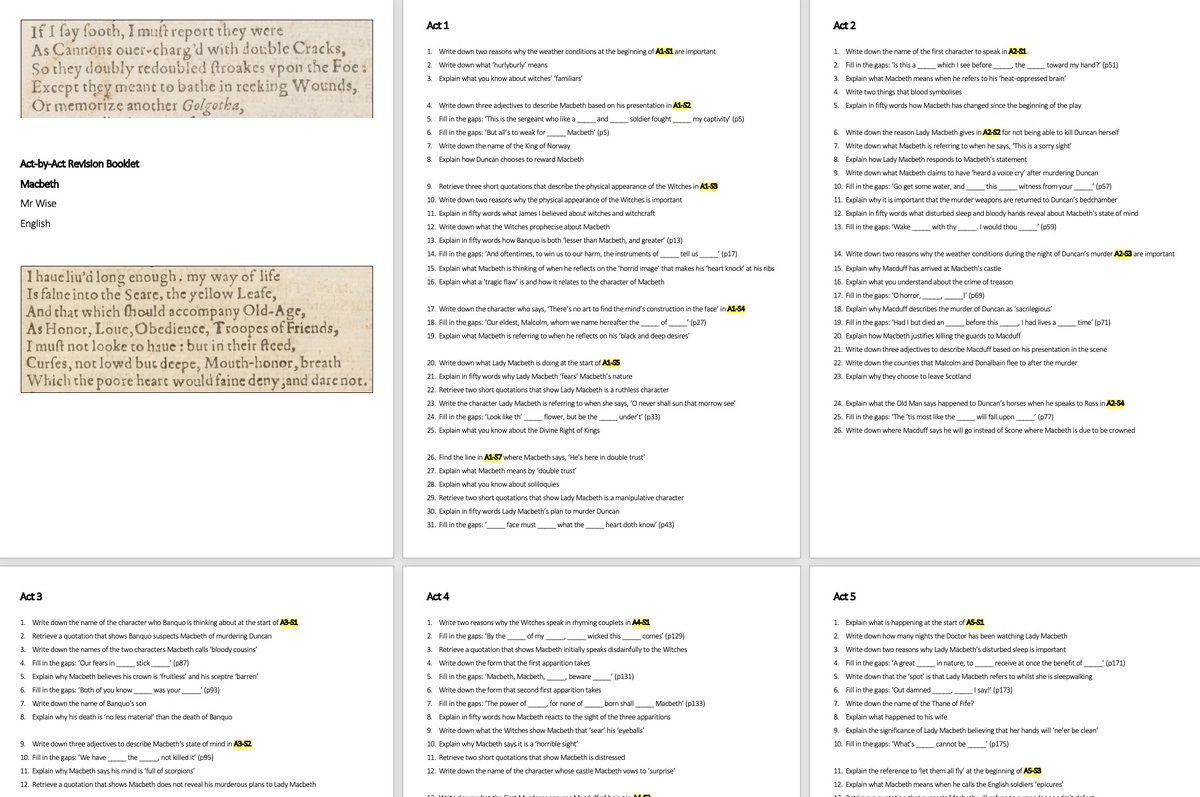
Retrieval and review tasks for Macbeth https://t.co/gII8a7qLYj
➡️ Quotation retrieval
➡️ Fill in the gaps
➡️ Identify the character
➡️ Explain a reference
➡️ Explain in fifty words
➡️ Explain the connotations
➡️ Explain the context
➡️ Summarise what happens
➡️ Define the word
🎉 Huge congratulations to everyone who has passed their leadership National Professional Qualification with Ambition and our partners. We're very proud of you!
It's wonderful to see everyone celebrating their success today 👇 #AmbitionNPQs
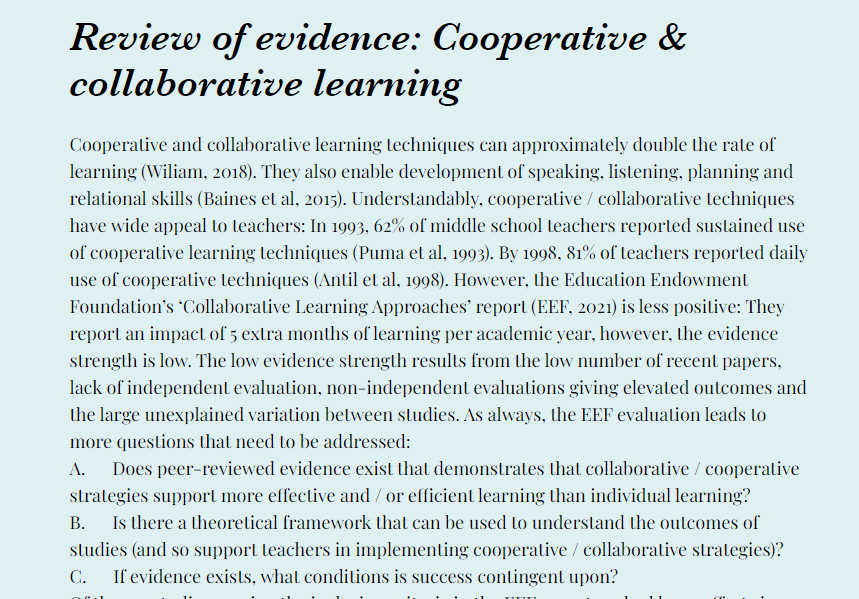
Evidence reviews are intensive but rewarding to do. The first one I have done for a while 🙂:
Collaborative / cooperative learning.
https://t.co/V9MshMrmwz
The short answer is that anybody considering using it should be very cautious (discussed in the review).
Every teacher needs to know how to teach students the literacy of their discipline. Read more in our blog ‘Teaching reading: it’s not as ‘niche’ as you think’ https://t.co/hUH04sCCGx (3 min read).
#EduTwitter
Interesting report by @EDSKthinktank on the value of written exams in assessment. Big issue in HE: we’ve long been over-reliant on essays, AI now making that untenable. We need a new assessment mix, and imo exams will be an important part of that.
@NRocks2023 is heading back to our campus on the 10th June. Join @debrakidd, colleagues from LBU @RachelCBoyle1 and @DrRLofthouse and many other contributors.
Book your tickets here: https://t.co/kZLIVxdbrT
Northern Rocks really does Rock!
While reading comprehension strategy instruction may be of limited value, specifically teaching students how to make inferences seems to improve general comprehension (d=0.58), inferential comprehension (d=0.68) and literal comprehension (d=0.28):
https://t.co/CFSkhb9QLn ($)