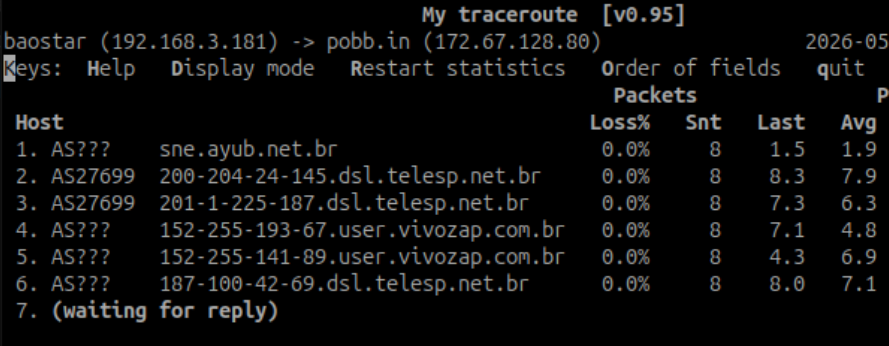
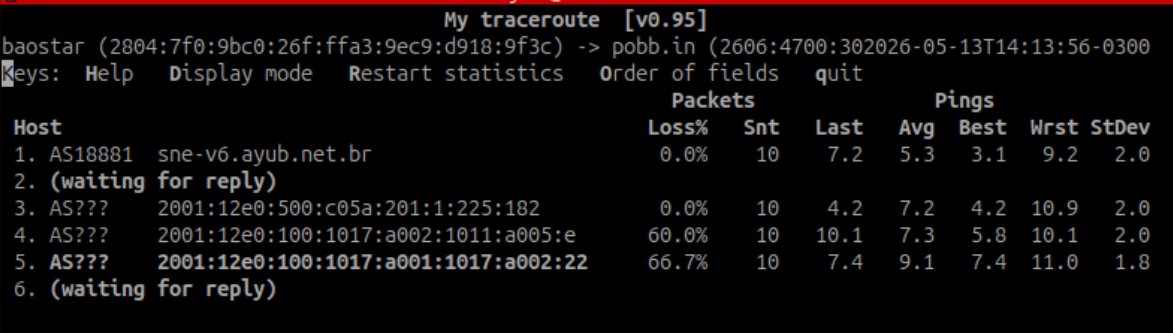
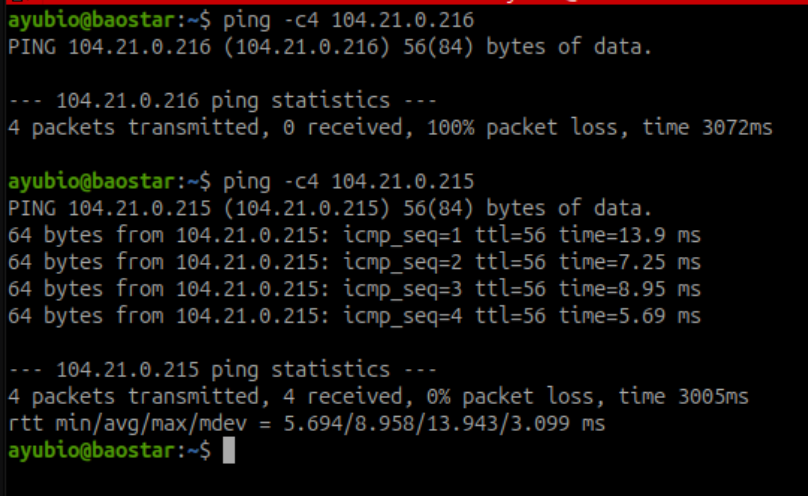
@vivobr Por que vocês estão bloqueando em todo o país os seguintes endereços IPv4 e IPv6 da @Cloudflare se não há ordem judicial ou administrativa de autoridade brasileira para que se faça tal bloqueio? São os IPs:
104.21.0.216
172.67.128.80
2606:4700:3033::ac43:8050
2606:4700:3033::6815:d8
Não há de se cogitar problema de rota ou defeito já que endereços IP do mesmo IPv4 /24 e mesmo IPv6 /48 respondem normalmente através de links do Vivo Fibra, o que prova que há conectividade, há rota. Vide evidências em anexo.
Também envio em anexo os traceroutes mostrando o bloqueio dentro do Sistema Autônomo de vocês. Na Claro, Nio e Live TIM não há tal bloqueio.
Fico no aguardo de vossa resposta.
Today Status Network's gasless execution moves to a larger stage.
After productive discussions among both ecosystems, Status Network will merge into @LineaBuild Mainnet!
Pre-deposit vaults will migrate to Linea Mainnet for withdrawal with a liquid reward pool of 20M SNT and 20M LINEA. Vaults remain fully backed and no action is required before the claim interface goes live.
Status Network will not launch as a standalone mainnet. The plan is to merge our gasless execution model and sequencer-level spam protection mechanism upstream to become native capabilities for every rollup built on the Linea stack. This move will unlock new privacy primitives for the whole ecosystem as removing gas eliminates persistent onchain funding trails and fingerprints, enabling ephemeral stealth accounts and free cover traffic.
Read more below 👇
@steren Most python projects I try to run are like this. Some have good documentation that gives guidelines to install the dev env, but most doesn’t. That’s the only reason I dislike python, however for personal projects it always works great.
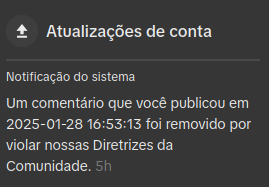
Dunning-Kruger é xingamento? Num corte publicado no meu Tiktok do último podcast que participei, um comentário me acusou de fake news e que a informação dita por mim carecia de fontes. Infundada acusação, pois a fonte da informação sou eu mesmo. Irei palestrar nessa quinta num congresso de provedores de internet em Maceió justamente sobre o tema que cito no corte. Meus pares tem referendado a mesmíssima informação e sou convidado a falar dela em espaços como esse: congressos e podcasts especializados.
Como resposta ao comentário, escrevi que o acusador não sabe o quanto desconhece sobre o tema e não sabe diferenciar quem sabe de quem não sabe sobre o tema e superestima o conhecimento que tem, semelhante ao efeito Dunning-Kruger.
O comentário foi instantaneamente removido. O algoritmo me mandou notificação dando a justificativa de que é uma violação às diretrizes da comunidade, ou seja, uma ofensa.
É isso que vai acontecer em toda a internet se o STF revogar o artigo 19 de nosso Marco Civil da Internet, como está previsto fazê-lo.
Como as plataformas serão juridicamente culpadas pelo o que nós dissermos, a mais diminuta suspeita de que algo possa ser controverso resultará no imediato bloqueio. Só veremos e leremos conteúdos pasteurizados. Nossa internet não será mais a aldeia global da troca de ideias e sim apenas uma câmara fofa de eco.
6. Content Removal and Relocation:
Users might find that a show or movie they enjoyed and wanted to revisit has gone from their subscribed platform, now available elsewhere. Such inconsistency incentivizes pirated copies, ensuring stable access regardless of licensing agreements.
In essence, rather than focusing on blunt technological blocks, we should address the core issues driving piracy—economic accessibility, platform consolidation, privacy concerns, and consistent availability of content.
5. Erosion of the Meaning of “Purchase”:
Companies sometimes remove or revoke access to content that users believe they have “purchased.” This erodes trust and fuels the sentiment that it’s not worth paying if the content can vanish without warning.
4. Geographical Restrictions:
Arbitrary regional locks prevent legitimate customers from accessing content they have already paid for when traveling. This encourages turning to piracy, where these constraints are nonexistent.
3. Privacy and Data Concerns:
Many streaming services collect and sell user data or expose it to third parties. Pirated content typically does not require personal information, appealing to users worried about data breaches or invasive marketing practices.
2. Fragmentation of Streaming Platforms:
Content owners often fragment media across multiple services, each demanding a separate subscription. Viewers end up paying for multiple libraries they don’t care about, just to access a handful of titles they truly want.
Deeper factors contributing to piracy:
1. Economic Limitations:
As highlighted by Game Developer @PirateSoftware, “Piracy is generally an issue of economics.” https://t.co/9XG3avZvfx))
When consumers cannot afford content, they seek alternatives that bypass traditional paywalls.
Bloqueio ativo de pirataria por autoridades na Itália - semelhante aos que a Anatel tem feito no Brasil - não elevou as assinaturas de streaming legalizados. https://t.co/JHGf0WJpP2
@Rothmus Income tax
Property tax
Social security
Car leases
Monthly payments on sneakers
Student loans
Public school
Frivolous college degrees
Having ads everywhere
Selling your data without consent
Health insurance
Paying for a driver's license that's legally required