فوری
خانواده چهار زندانی سیاسی کُرد و محکوم به اعدام به نامهای پژمان فاتحی، محسن مظلوم، محمد فرامرزی و سوران آذربار، امروز شنبه ۷ بهمن ۱۴۰۲ جهت ملاقات با فرزندانشان به زندان اوین فراخوانده شدهاند. بر طبق اطلاعات ههنگاو، قرار است فردا این چهار زندانی با خانوادههایشان در زندان اوین ملاقات داشته باشند.
از آنجایی که حکم اعدام این چهار زندانی سیاسی کُرد اخیراً توسط دیوان عالی کشور تایید شده است، احتمال اجرای حکم اعدام آنها طی روزهای آینده بالقوه است.
سازمان حقوق بشری ههنگاو از تمامی سازمانهای حقوق بشری میخواهد که صدای این زندانیان و خانوادههای آنها باشند و از مردم نیز درخواست میکند که خانواده این زندانیان را که هماکنون در حال رفتن به تهران هستند همراهی کنند.
خانوادههای #پژمان_فاتحی، #وفا_آذربار، #محمد_فرامرزی ، #محسن_مظلوم را که در روندی غیرشفاف و بدون دسترسی به وکیل و دادرسی عادلانه به اعدام محکوم شده اند، به اوین برای ملاقات فراخواندهاند.
احتمال اجرای حکم اعدام این چهار زندانی بسیار زیاد است.
از یاداشتهای روح الله زم:
«این حکومت با خونریزی سر کار اومد، با خونریزی هم باید بندازیمش بیرون از کشور»
مردم ایران بپا خیزید.
#فقر_فساد_گرونی#اعتراضات_سراسرى
جناب پهلوی
اگر ممکنه صدای چهار عزیز کُرد باشید که در خطر جدی مرگ و زندگی هستند🙏🏻
جمهوریاسلامی خانواده های #پژمان_فاتحی، #وفا_آذربار، #محمد_فرامرزی ، #محسن_مظلوم را که در روندی غیرشفاف و بدون دسترسی به وکیل و دادرسی عادلانه به اعدام محکوم شده اند، به اوین برای ملاقات فراخوانده و هممون میدونیم این موضوع چقدر خطرناکه
جمهوری اسلامی از زمان تاسیس، تروریستپروری را سرلوحه سیاست خارجی خود قرار داده است و با این تروریستپروری، تمام منطقه را درگیر جنگ و تنش کرده است.
پیش از فاجعه ۵۷، رابطه پاکستان و ایران بر اساس دوستی و احترام متقابل بود. ایران نه تنها میانجی صلح میان هند و پاکستان بود بلکه در موقع دشواریهای اقتصادی به کمک این همسایه شرقی میرفت. آن احترام، برآمده از اقتدار اقتصادی، نظامی، دیپلماتیک و فرهنگی ایران بود.
چهار دهه بعد، جمهوری اسلامی با ماجراجوییهایی منطقهای سپاه پاسدارانش و با بیکفایتی اقتصادی و سیاسی و امنیتی، ایران را دچار چنان فلاکتی کرده که پاکستان کیلومترها درون مرزهای ایران عملیات نظامی میکند و در صداوسیمای ضدملی بابت آن خدا را شکر میگویند.
موشکپراکنی دیوانهوار جمهوری اسلامی به کشورهای همسایه و ناتوانیش در محافظت از مرزها و شهروندان، حاکمیت ملی و تمامیت ارضی کشور، دو روی یک سکهاند و محکوم.
راه حل روشن است: مُهرِ پایان نهادن بر رژیمِ برآمده از فاجعه ۵۷، بازگرداندن قطار ایران به روی ریل ترقی و تمدن، بازسازی اقتدار اقتصادی، دیپلماتیک، نظامی و فرهنگی کشور و برقراری روابط صلح آمیز و دوستانه با همسایگان بر اساس منافع ملی، و بازگرداندن ثبات و آرامش به منطقه.
Since its establishment, the Islamic Republic has placed terrorism at the forefront of its foreign policy, and with this terrorism, it has devolved the entire region into war and tension.
Before the disastrous revolution of 1979, Pakistan's relationship with Iran was based on friendship and mutual respect. Iran was not only the mediator of peace between India and Pakistan, but also assisted our eastern neighbor in times of economic difficulties. That respect and relationship was a result of Iran's economic, military, diplomatic and cultural strength.
Four decades later, the Islamic Republic, with the regional adventurism of its Revolutionary Guards and with its economic, political and security incompetence, has caused Iran such a disaster that Pakistan conducts military operations inside Iran's borders for which the regime has the audacity to thank God on its anti-national radio and television.
The Islamic Republic's deranged missile attacks on neighboring countries and its inability to protect our borders and citizens, national sovereignty and territorial integrity are uniquely intertwined. We condemn each of these.
The solution is clear: putting an end to the regime that emerged from the disaster of 1979, returning the Iranian train to the track of progress and civilization, rebuilding the country's economic, diplomatic, military and cultural strength and establishing peaceful and friendly relations with our neighbors based on national interests, and restoring stability and peace to the region.
Iranians and our neighbors deserve better.
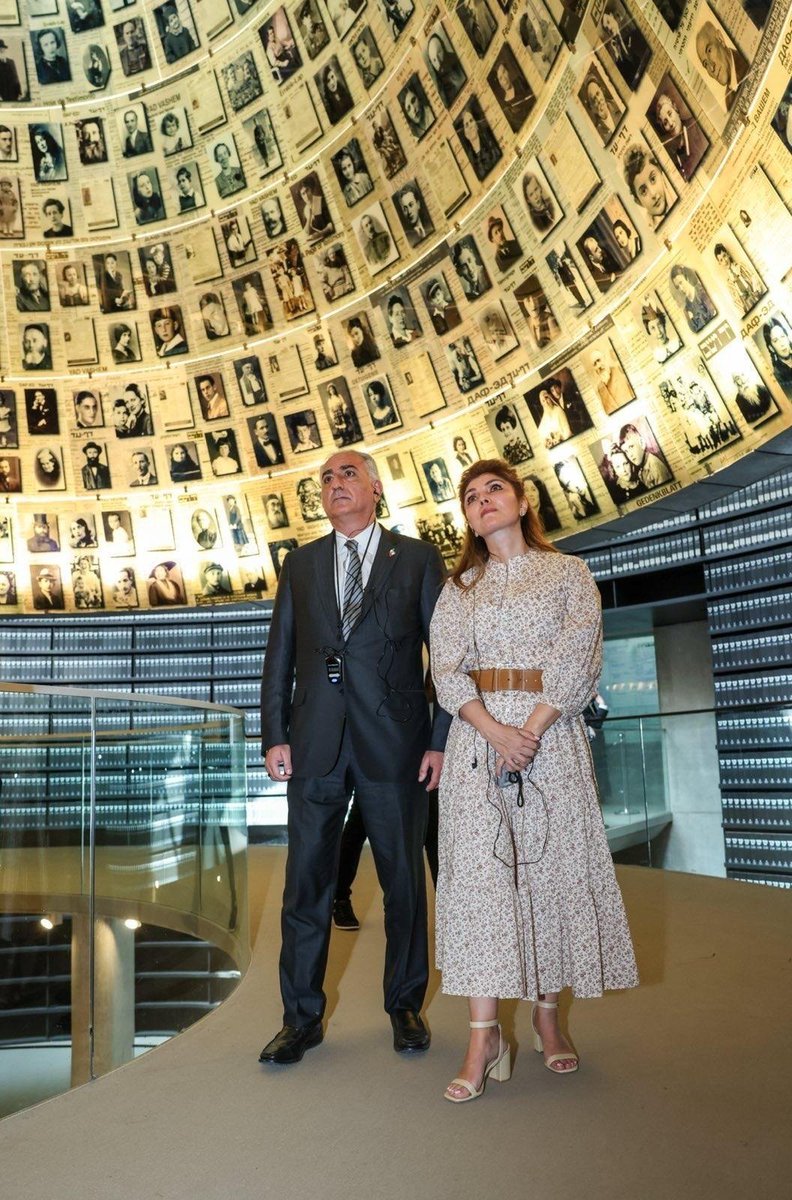
Yasmine and I, along with our compatriots and especially the Iranian Jewish community, mourn the 6 million Jewish victims of the Holocaust. May their memory serve as a reminder to never remain silent in the face of evil.
#HolocaustRemembranceDay
In an open letter, the mothers of four death-row political prisoners—Mohsen Mazloum, Pezhman Fatehi, Vafa Azarbar, and Hazhir Faramarzi—plead with @NadaNashif, UN Deputy High Commissioner for Human Rights, to call upon Iran's regime to halt the execution of their sons.
#Iran
Four political prisoners, #MohammadFaramarzi , #PejmanFatehi , #MohsenMazloum , and #VafaAzarbar (Soran Azarbar), are at imminent risk of execution by the Islamic regime in Iran.
Put pressure on the regime to Stop Executions In Iran.
از مردم شریف ونجیب ایران میخواهم صدای همسرم #محمد_فرامرزی ودوستانش باشید و خانوادهای این چهار زندانی را تنها نگذارید و به آنها جلوی زندان اوین بپیوندید از شما خواهش میکنم تنها امید ما شما مردم غیور هستید که همیشه یار و یاور ما بودید.
What is the MAHSA Act?
The Mahsa Amini Human Rights and Security Accountability Act (#MAHSAAct) (H.R.589/ S.2626) codifies existing human rights abuse and terrorism sanctions on the president and supreme leader of Iran, and their respective offices, into U.S. law. Current sanctions, issued through Executive Orders (EOs), can be revoked by the U.S. President without congressional approval. The sanctions include economic measures such as blocking bank accounts and visa revocation. The MAHSA Act mandates an annual report to Congress and the American people, detailing individuals sanctioned for human rights abuses and terrorism.
When did it pass in the House of Representatives? H.R.589 passed in the House on 9/12/23 with 410 bipartisan YES votes, marking it as the first Iran-related bill to gain such broad bipartisan support in recent history. It received 209 Republican and 201 Democratic votes in favor, with only 3 members voting against it.
Where is the MAHSA Act now in our Congress?
Both versions (H.R.589 and S.2626) are currently in the Senate Foreign Relations Committee (SFRC), chaired by Senator Ben Cardin (D-MD). The next step is for the MAHSA Act, preferably the House version (HR589), to undergo a "markup" process, where it will be reviewed and voted on by all committee members. However, Senator Cardin has not scheduled a markup session, despite numerous efforts from constituents and the public to move the bill forward. On 12/21/23, his office staff stated that they would not be moving forward with the bill, indicating an indefinite delay in the Senate's progress.
Why is this bill important for the American public?
The MAHSA Act ensures our National safety and security by revoking visas and blocking financial accounts of individuals linked to Iran's top two regime leaders, Ebrahim Raisi and Ali Khamenei, who are directly supporting terrorism and conducting gross human rights abuses.
The required yearly report, provided within 90 days of the bill’s enactment by the U.S. President, creates transparency for both the American public and Congress. This scrutiny assures the public and the government that individuals associated with Iran’s regime leaders responsible for terrorism will have their visas revoked and financial properties blocked. This transparency is crucial for the safety and security of the American public within the country's borders.
The bill sends a non-violent deterrence message to Iranian leaders, particularly after the 10/7 terror attacks in Israel, which the regime in Iran financed and supported through its terror proxies (i.e. Hamas, Hezbollah and the Houthis) in the Middle East.
The bill aims to hold terrorists accountable through property and visa blocking sanctions, enforced by U.S. law rather than Executive Orders that can be revoked at any time and without congressional approval. Supporting the MAHSA Act is a minimum effort for the American public, ensuring our own National security and aiding the people of Iran in their fight against the oppressive regime and promoting freedom and democracy in Iran.
What can I do to help?
To support the MAHSA Act, call senators and ask them to cosponsor S.2626. Repeat calls daily, and contact additional senators on the Senate Foreign Relations Committee (SFRC), urging them to schedule a markup session for HR589. Sign petitions (two are pinned to my profile), set up meetings with senators, follow social media for updates on call-lists, and visit https://t.co/BEzueS5oY1
for more information on this bill (HR589/S2626). Register to vote, and endorse political candidates who support democracy and our national security.
https://t.co/mtb9SZmt9i
@SenatorCardin@SenateForeign@SFRCdems@IranIntl_En@cnni@jewishinsider@AIPAC@aipacpac@SenBooker@ChrisVanHollen@ChrisMurphyCT@ChrisCoons@thehill@politico