Imaging EB1 in Chlamy (from Karl Lechtreck) with Cross lab @RockefellerUniv by gated confocal on the @AI_ontour Abberior system. L, no time gating, R, plus gating. Screams of excitement!
Opinion: We have no reason to believe 5G is safe. The technology is coming, but contrary to what some people say, there could be health risks https://t.co/RWAfwfes79
Hubble captured a new view of an interstellar comet! That's a comet that came from outside our solar system, in the mysterious region of space between stars. ☄️
Have questions? Join scientists later today from 2-4 p.m. EDT to get them answered!
https://t.co/Iqjnx5Xuod
A tiny spacecraft that weighs as much as a stick of gum soared more than 100,000 feet in the air during its first test flight. The ultimate goal is to send a fleet of such craft to another star. https://t.co/150ljTprB9
I have begun to screenshot all of the public sexual harassment tweets directed at me. On Dec 31 I will post a compilation with your beautiful faces. If you do not consent to this, do not sexually harass me publicly. Looking forward to the lineup for the 2019 wall of shame.
Can you guess what these @NASA_TESS light curves are? The categories are planet candidate, eclipsing binary, stellar variability, and instrument noise. See the poster by Ana Glidden at poster session 140! #aas233
You are made of star stuff. Elements in your body were forged in the heat of a star. So go on, be awesome, just like Zeta Ophiuchi here, a star traveling so fast it created a huge bow shock in space. https://t.co/2CFOpOOhFi
#TuesdayThoughts
A meteorite was found in Botswana’s Central Kalahari Game Reserve (CKGR) that is a fragment of asteroid 2018 LA. This small asteroid was discovered in space by the @UofA's Catalina Sky Survey on June 2, 2018, eight hours before hitting Earth. https://t.co/gPk8zNdgyl
1/Now available on arXiv: a review of machine learning techniques for integrating multiple data sources in biology and medicine. Led by @marinkazitnik, with contributions from @ACatGatAtATac, Bo Zhang, @jure, @nyulik, and me. https://t.co/Y5BH159gJy
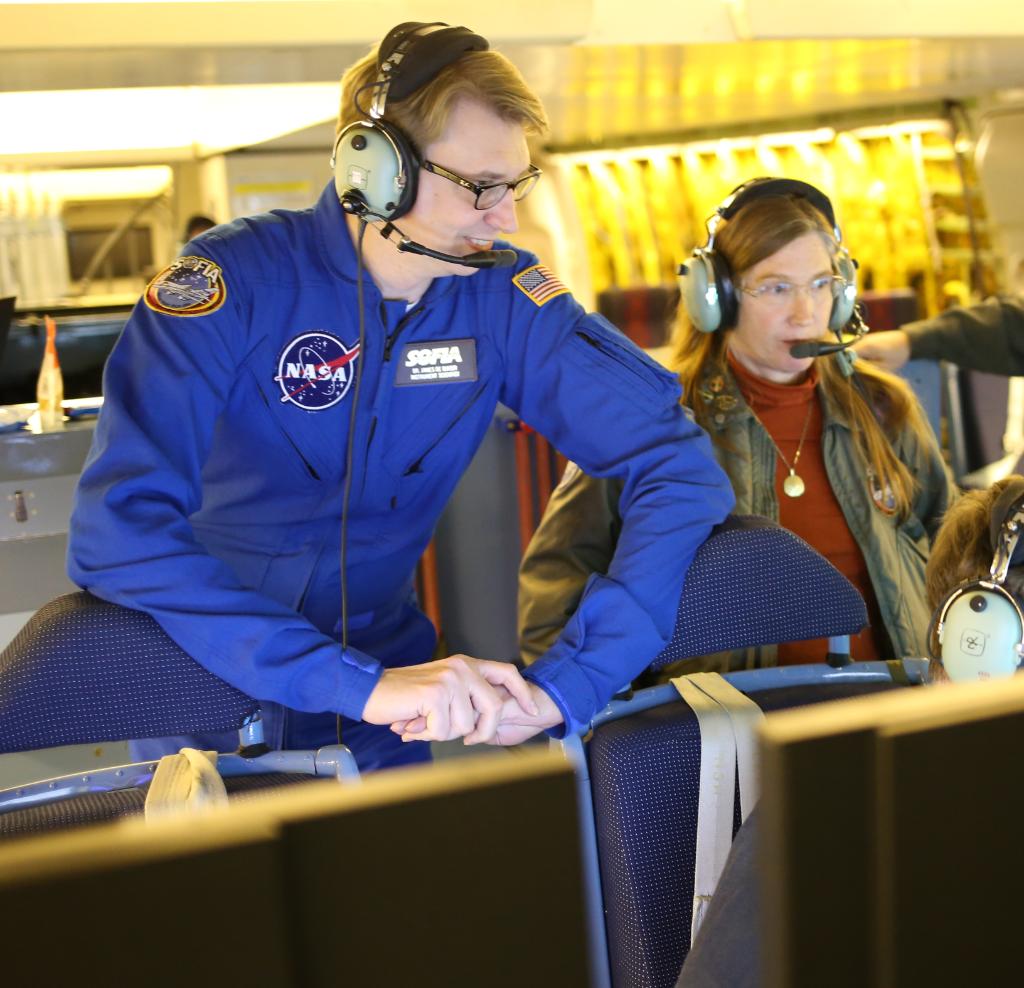
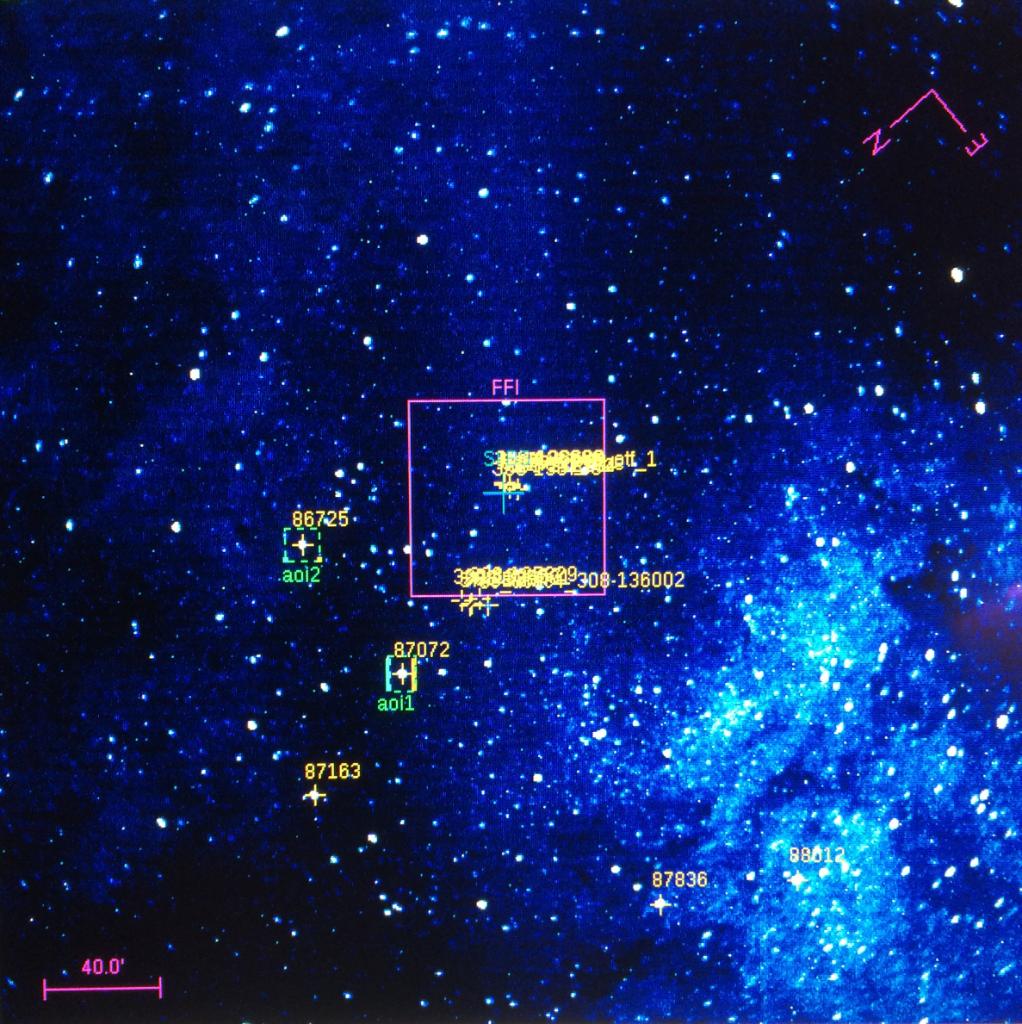
What are we studying from the skies over New Zealand? Galaxies, supernovae, Saturn's moon Titan and more! Jim De Buizer, science planning and instrument support manager, explains more on the latest #NASASiliconValley podcast: https://t.co/1QGMQRdQPz
2/ It might seem weird that the "maximally random" spectrum does not have an equal number of photons at every wavelength. For comparison, if you roll 6 million dice, you will get one million 1's, one million 2's, etc, an equal number in each possible state. Why not for photons?
This tech is cool. Photons (light particles) from a warm body tend to be maximally random. Very simple math proves that "maximally random" is when more photons are at one wavelength than another. It is the most probable spectrum. The shape of this spectrum tells temperature! /1 https://t.co/SmsNOalD29
New supercomputer gives the most detailed look yet how shock waves in the early universe gave rise to the first galaxies. (Bonus; It looks like a Van Gogh daydream.) https://t.co/ush1V9KkUc
How many worlds exist outside our solar system? We're launching @NASA_TESS TOMORROW to hunt for planets around some of the nearest & brightest stars. There's a 90% chance of favorable weather for the 6:51pm ET liftoff. Watch live starting at 6:30pm: https://t.co/4Dq3zpAUOR