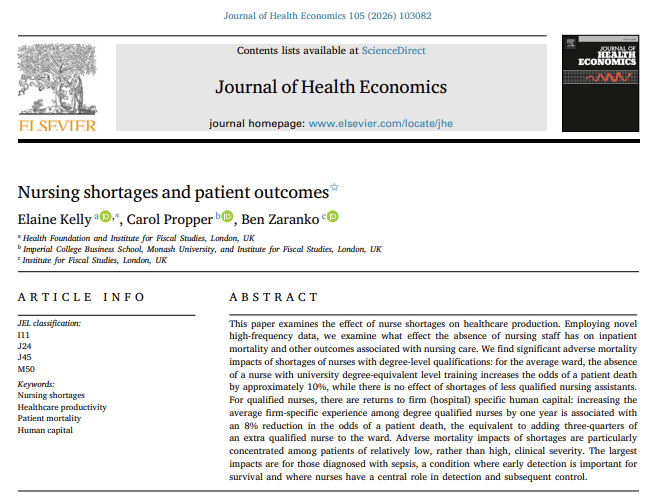
A short seven years (!) after I started writing the code, it’s great to see this paper published.
We use high-frequency NHS to data show that short-staffed, less experienced nursing teams deliver worse outcomes – with the largest mortality impacts for patients with sepsis.
Dear @David_Cameron
I know you mean well, but unfortunately screening for early disease may sound logical and sensible but can also be ineffective and harmful. Recommending a bad test leads to false reassurance, and harms through unnecessary or ineffective treatment that only /
DECAF trial: continued consumption of caffeinated coffee was associated with a 39% lower risk of AF/AFL recurrence at 6 months after cardioversion vs. abstinence from coffee. View the slides here: https://t.co/zHib2T5gL0
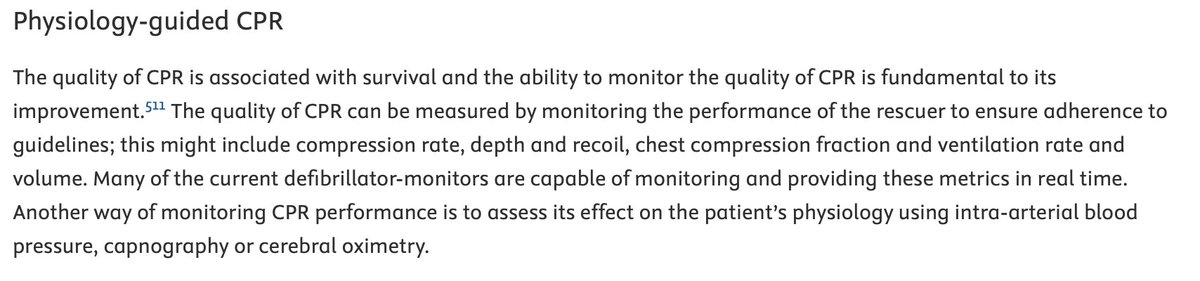
“Physiology-Guided CPR” 🚨🚨🚨
The inclusion of “physiology-guided CPR” in the ERC resuscitation guidelines marks a significant milestone in progress.
So here are my reflections on the journey we have undertaken and thoughts on the future directions
#SPEAR
🧵
Work out the maths. Evidence from England shows that for every 72 people who stay 8-12 hours before admission, there is one excess death. Not tackling this is a deliberate policy choice.
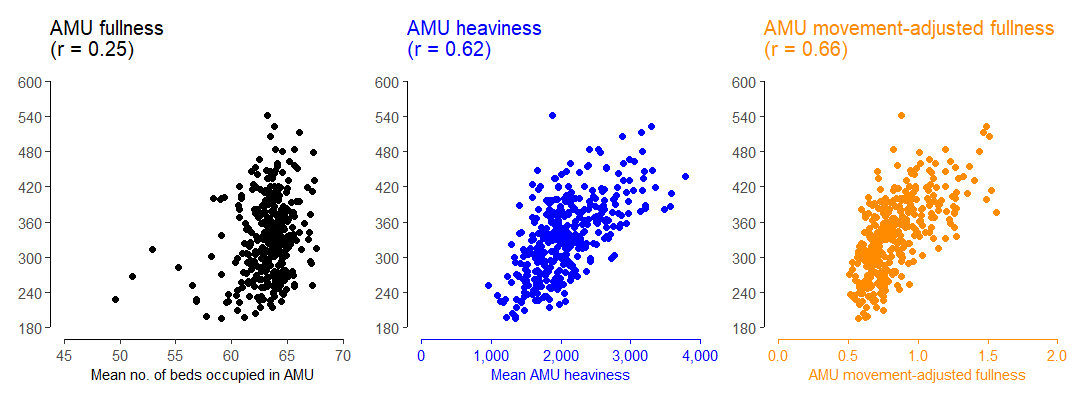
I think I might've found a metric that explains ED exit block a bit better than my previous attempts. The orange scatterplot compares - for each day in the year - ED length of stay (measured in minutes, on the vertical axis) with mean AMU 'movement-adjusted' fullness (arrivals into, and departures from, AMU).
Mannekin pictures of a cardiac arrest with the pathology as a dilated cardiomyopathy. What is the definitive treatment…? Where should refractory / recurrent VF in this context go for hospital interventions? What novel therapies are available on scene? 🤨
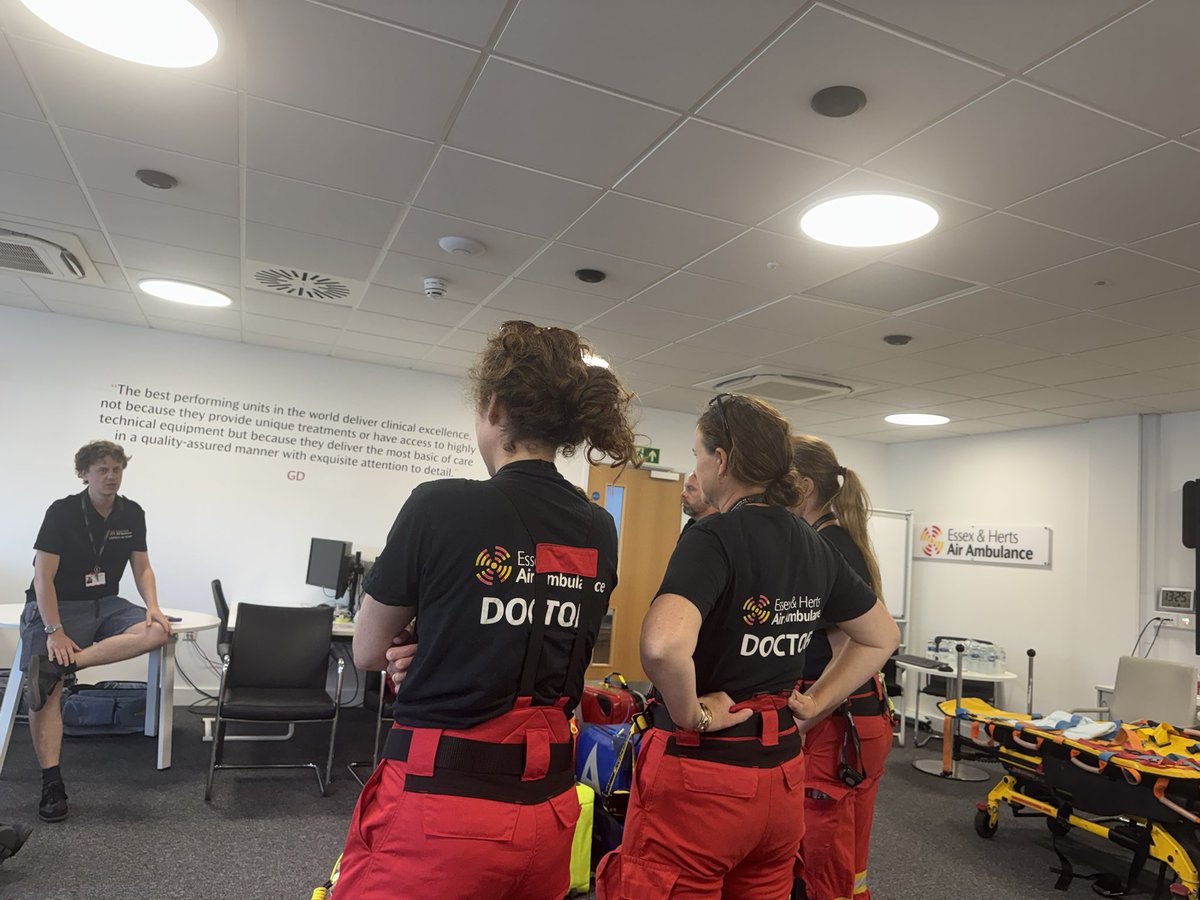
Yesterday, we were joined by @EastEnglandAmb & @HFRS crews for a day of training.
The day was a great opportunity to sharpen our clinical skills, improve team dynamics & enhance patient care under pressure
Thanks to all that attended & to Zoll for their sponsorship of the day
🚨 Meet the team: Dr Miles Gandolfi
“I get a great deal of satisfaction from volunteering as a doctor for BHECCS, where we provide advanced treatment for critically unwell patients. My favourite part of the job is the fantastic people I get to work with”
#VolunteersWeek
Key output from my PhD fellowship has been published in Resuscitation
TLDR:
🚨 Prehospital critical care teams were less likely to attend cardiac arrest patients in more deprived neighbourhoods.
🚨 No association with neighbourhood ethnicity
🧵...
https://t.co/PZy1viA1lg
Happy National Doctors’ Day!
Our pre-hospital doctors bring the A&E department to the roadside by providing advanced skills & expertise to the most critically ill and injured patients across the region. Thank you for everything that you do!
#NationalDoctorsDay#Beds#Herts
✨The Tale of the Equitable Resuscitation✨
Once, there was a man who had a cardiac arrest. 🚑
Unfortunately, he lived 20 minutes from the hospital—just too far to be a candidate for ECPR.
The end.
Already heard it?
Let’s talk about ECPR & equity.
Anecdotally, I think this is a relatively common issue in cardiac arrest care.
Take time to perfect the essentials when managing an arrest. Don’t accept anything less. If you’re a team leader, or team member, take time to notice these little things that make the big difference
🎬
🧵... This is my third and final thread about sodium bicarbonate in critical care 🧂
☝🏻If you missed the first and second part about 8.4% and 1.3% bicarb, I strongly recommend you to read them before moving on 🏃🏻.
https://t.co/Ctw2dO59Hy
https://t.co/JMoXTIw4hH
🎬 2nd chapter
...🧵This a thread about 1.3% sodium bicarbonate🧂 (aka isotonic bicarb drip) in critical care.
☝🏻 If you missed the first part about 8.4% bicarb, I would strongly recommend you to read it before moving on 🏃🏻.
https://t.co/pInsTgPXjg
...🧵This is a thread about 8.4% sodium bicarbonate (aka bicarb amp) in critical care.
This the first part in a series of three about sodium bicarbonate 🧂in critical care:
🧐I will get in deep to complexities, benefits, risks and clinical implications of this (overused) drug.