The spoof article we have been submitting to different journals has been now published in one of the journals. We did not pay any article processing fee. And all of a sudden we got to see this! https://t.co/XBvEmjKAF8
@fake_journals@stoppredatoryj@CabellsPublish
Wow, this is pretty brazen.
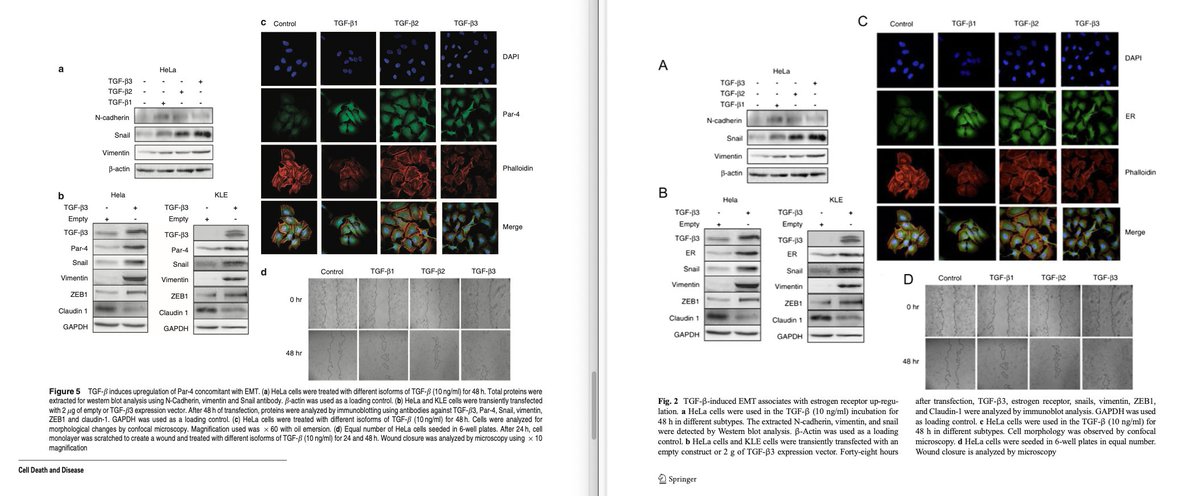
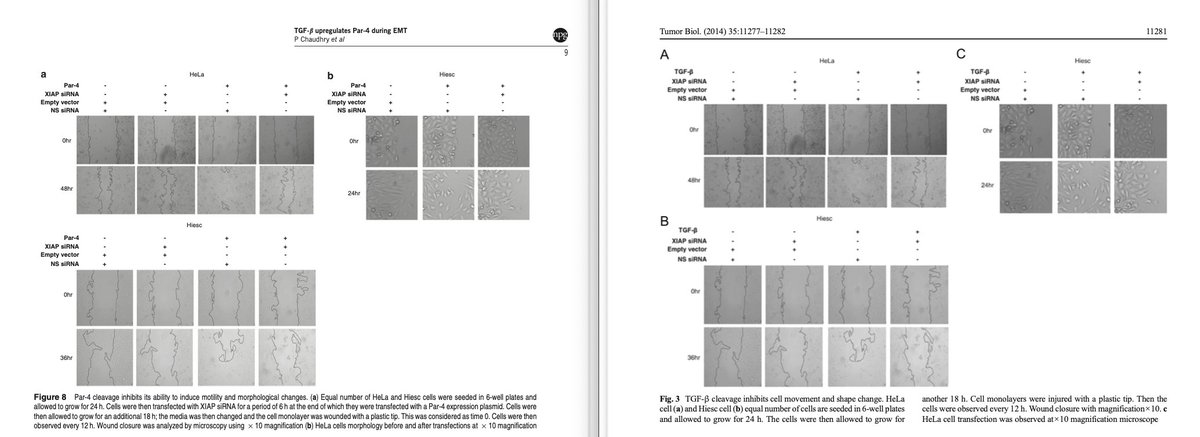
This article (right) from He'nan University of Science and Technology copied **all data** from an article by Université du Québec authors (left), released 2 months earlier.
Found by @ImageTwinAI#ImageForensics
https://t.co/xm9GXsyFAJ
This thread will expose some notable connections of the embattled Spanish "chemist" Rafael Luque.
It is a call to action to start rooting out the fraud network. It would be a mistake to treat Luque as a single funny case. Read about Luque here:
https://t.co/HcnATvWmhs
"Papers are being published not to be read, but in fact the researchers are hoping that nobody reads them, because if they do read them, they'll see that they're often filled with gibberish." Our Ivan Oransky on the BBC (starting at 40:00).
https://t.co/qt4wgz7ih7
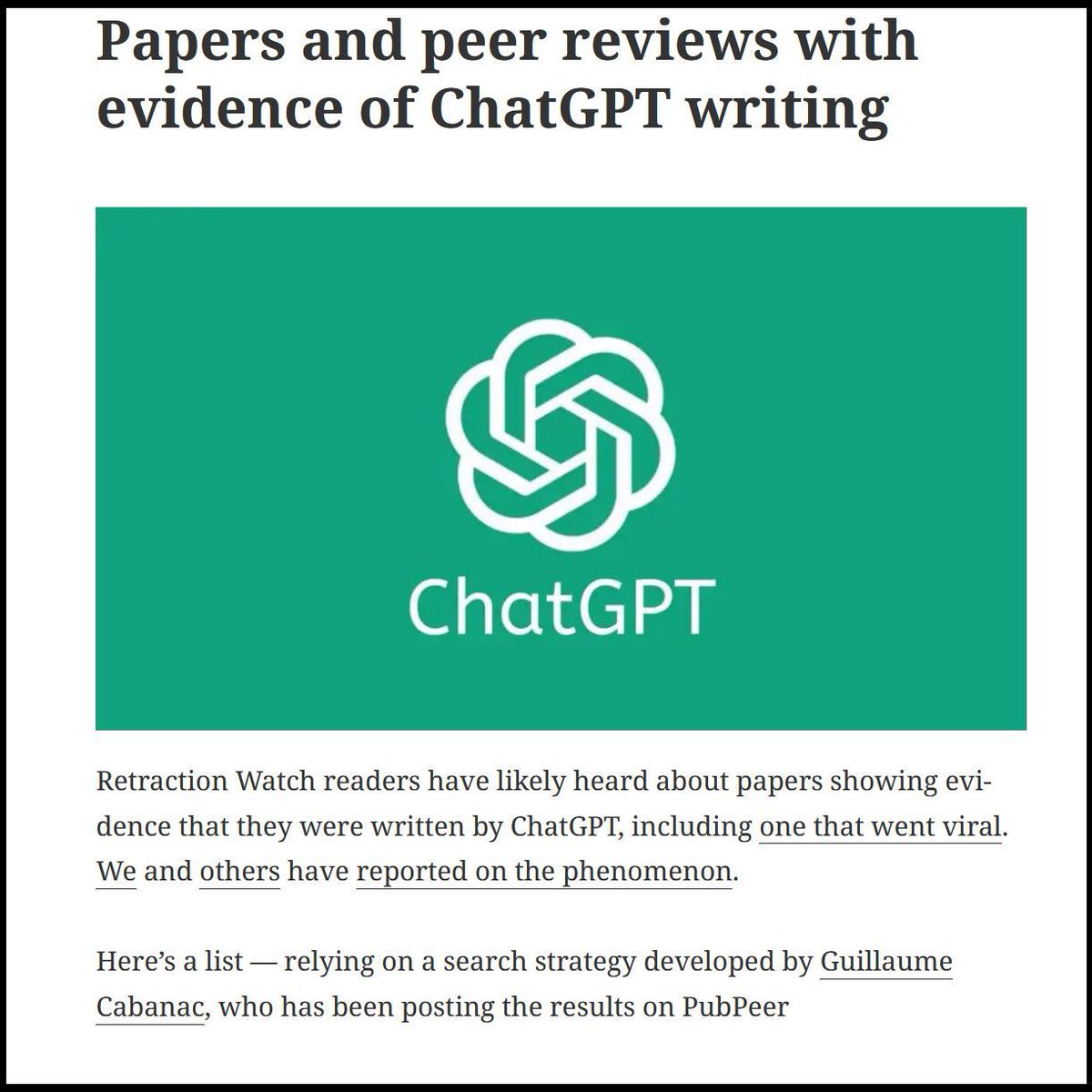
"Papers and peer reviews with evidence of ChatGPT writing" Great initiative by @RetractionWatch, with the real kudos going to @gcabanac https://t.co/oPLdCqnWlW
.
Exploratory analysis of text duplication in peer-review reveals peer-review fraud and paper mills
Interesting article from @ClearSkiesAdam that says #PaperMill articles can be detected by looking at peer review reports (see abstract). Could be a game changer?
https://t.co/CmMXTxr2G4
We also note that there is a @PubPeer report on this paper: https://t.co/WnpC0vJLa6
Abstract: "Comments received from referees during peer-review were analysed to determine the rates of duplication and partial duplication. It is very unusual for 2 different referees to submit identical comments, so the rare cases where this happens are of interest. In some cases, it appears that paper-mills create fake referee accounts and use them to submit fake peer-review reports. These include comments that are copied and pasted across multiple reviews. Searching for duplication in referee comments is therefore an effective method to search for misconduct generally, since the forms of misconduct committed by paper-mills go beyond peer-review fraud. These search methods allow the automatic detection of misconduct candidates which may then be investigated carefully to confirm if misconduct has indeed taken place. There are innocent reasons why referees might share template reports, so these methods are not intended to automatically diagnose misconduct."
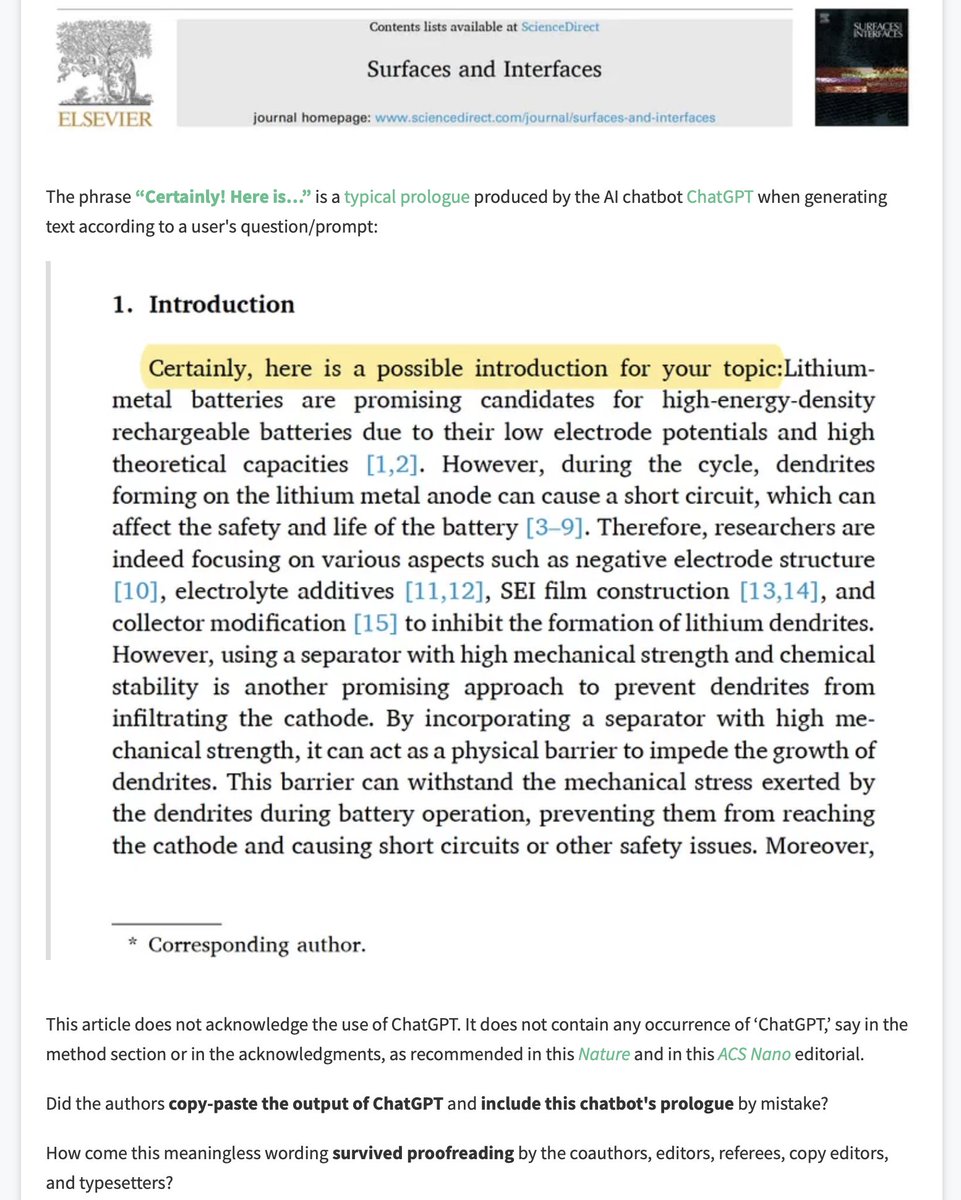
🤖 So #ChatGPT wrote the first sentence of this @ElsevierConnect article. Any other parts of the article too? How come none of the coauthors, Editor-in-Chief, reviewers, typesetters noticed? How can this happen with regular peer-review? https://t.co/C4vX317zYV
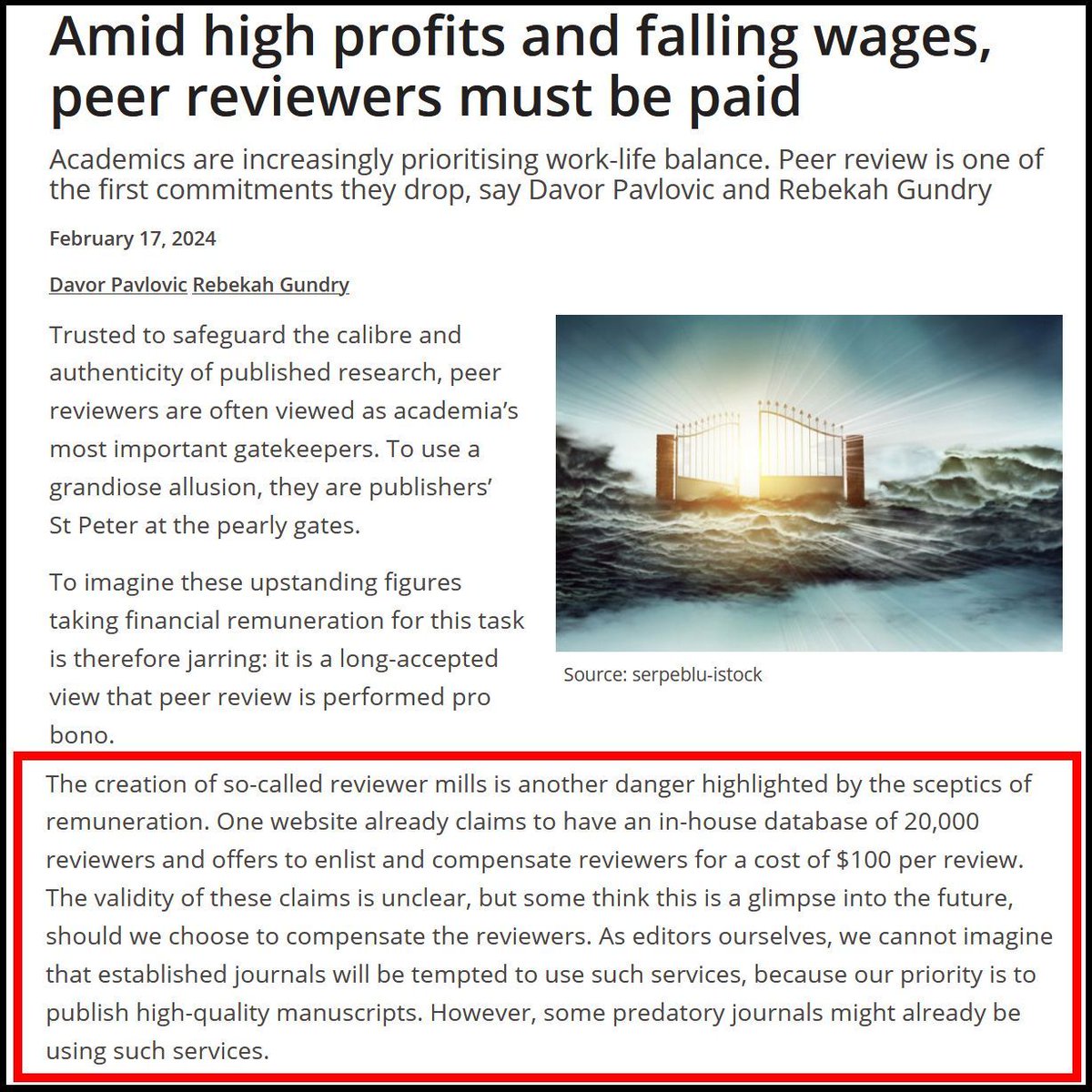
Really interesting article from @PavlovicDavor & @Gundrylab, writing in @TimesHigherEd. It makes a lot of interesting (and balanced) viewpoints. We found this one particularly interesting https://t.co/OSOpGcd1t2
IIT Madras is not immune to the race to the bottom. May they be as good as Lovely Professional University someday (which files more patents than all IITs combined this year)
Science integrity sleuths welcome legal aid fund for whistleblowers
A Silicon Valley investor has pledged $1 million to help pay the legal costs of scientists being sued for flagging fraudulent research
@HollyElse writes @ScienceInsider
https://t.co/TJqjjl0p3O
29 papers from a neurology professor at @RushUniversity@RushMedical have raised concerns on @Pubpeer. Papers involve research on cinnamon to treat brain disorders.
Leonid Schneider summarizes the concerns at @4BetterScience
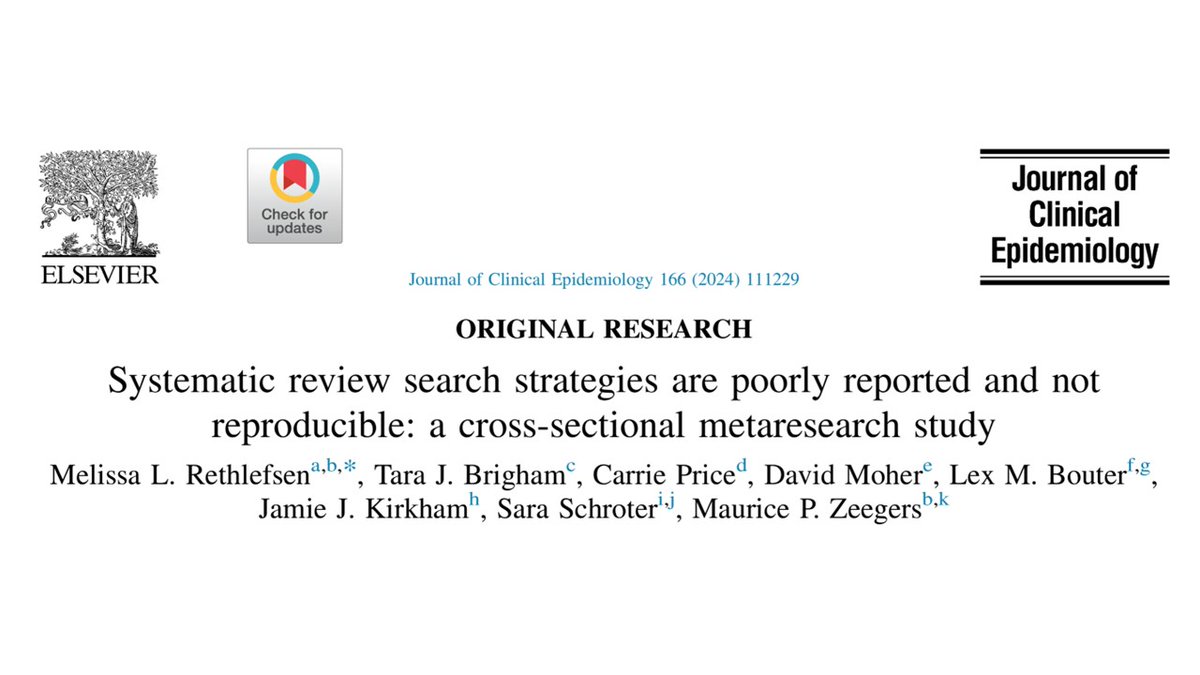
"Systematic review search reporting is poor...Only 22 (4.9%) database searches reported all six PRISMA-S items. Forty-seven (10.4%) database searches could be reproduced within 10% .."
https://t.co/hr0GUJByeS
@mlrethlefsen@cochranecollab@PRISMAStatement