🎉 Honored to have our paper selected as Paper of the Month by the International Cell Senescence Association! A huge thank you to @ICSA_senescence for this recognition—we’re thrilled to contribute to the field! 🔬 #CellSenescence
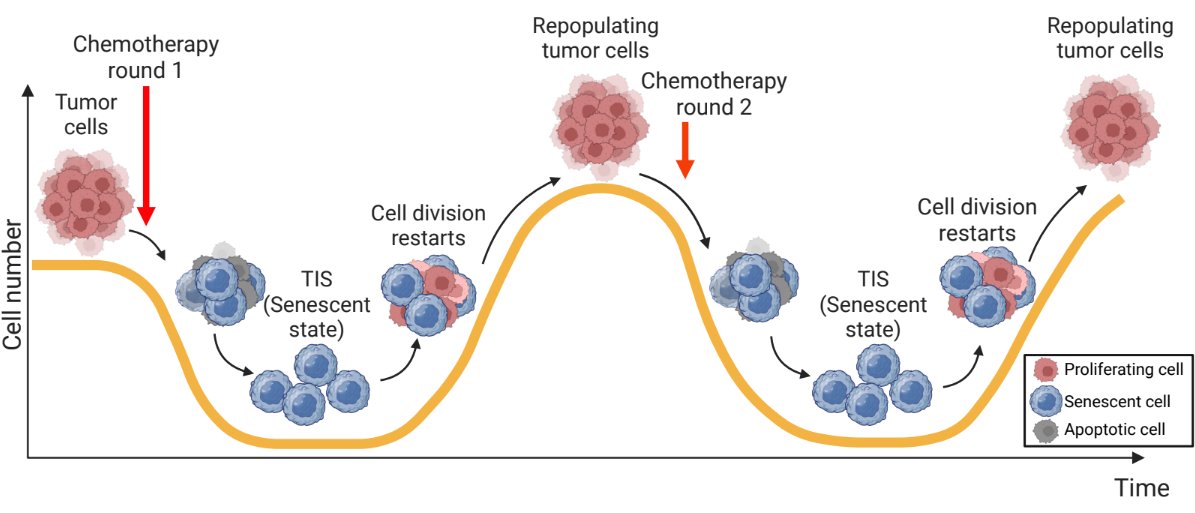
#ICSAPaperOfTheMonth Breast cancer cells resist chemotherapy by entering a transient senescent state and evading immune detection. Instead of dying, they persist and can later escape senescence to drive relapse. Disrupting this cycle could lead to new treatment strategies.
Hungarian scientists uncover how "#zombie" cancer cells resist chemotherapy and fuel relapse in breast cancer. https://t.co/2O8A9OGSpe #HUNREN#RCNS#TTK
Exciting news! Our paper on repositioning therapy-induced senescence as a full-blown drug resistance mechanism is now published in Molecular Cancer! Huge thanks to @eszterbajtai, @tantos_agnes, @ameplex, @ProtBioinfRG and others!
https://t.co/4wio9gw5Nr
Our paper on the unexpected role of P-gp in the protection of Drug Tolerant Persister cells against chemotherapy-induced damage is out in Drug Resistance Updates. Check it out at https://t.co/SqqpQWnSLN. #CancerResearch#breastcancer
If you are interested in cancer and drug resistance research than please check out our paper, describing a new therapeutic strategy for targeting Drug Tolerant Persisters in metastatic breast cancer.
Pint Of Science 2022 🧠🍺 is BACK! In Cambridge between 9-11th May? Then head over here https://t.co/UWxZCGpY4O to grab your tickets ASAP before they sell out! Very excited to be part of the organising team for the events at The Maypole! @PDandHDLab@LakatosLab@ReidLab_HSP
Proud to announce that Kornelia had been awarded the IBRO Return Home fellowship (back to Budapest). I am very grateful for her immense contributions to my lab in Cambridge. Looking forward to our further interactions in a different format. Time to crack the champagne open!
I am incredibly honored and grateful to receive the IBRO Return Home Fellowship! 🎉🎉🎉Thank you @ibroSecretariat for supporting the start of my independent research career! Also thank you @LakatosLab for mentoring me! ❤
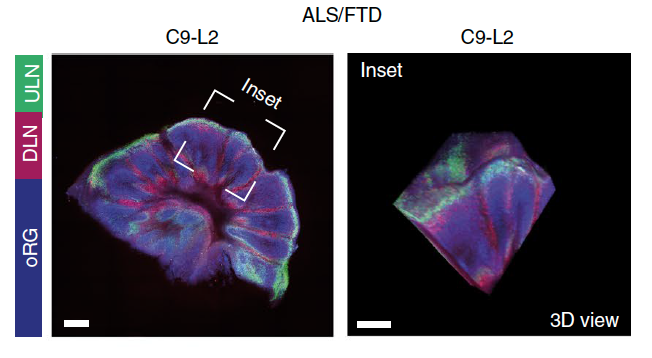
Development of our C9 ALS/FTD Brain Organoid Model - grown by Nelli Szebenyi in the @LakatosLab, revealing proteostasis disturbances with therapeutic relevance at single cell resolution. Illustrated by Lea Wenger using iDISCO-clearing in our fresh paper: https://t.co/8SbK9GmR1N
A new @NatureNeuro paper by Drs. @GabrielBalmus, András Lakatos (@LakatosLab), and colleagues finew that patient-specific iPSC-derived cortical organoid slice cultures are a reproducible translational platform to investigate preclinical #ALS/FTD mechanism.
https://t.co/X9vjJtnXlT