A new dataset of morphological features from all major lineages of early reptiles, early synapsids, and their close relatives shows how climate crises shaped the early evolution of reptiles. https://t.co/IXEolCEVBV @ScienceAdvances
“Not everyone can emotionally connect with data, but they will remember how a picture made them feel.”
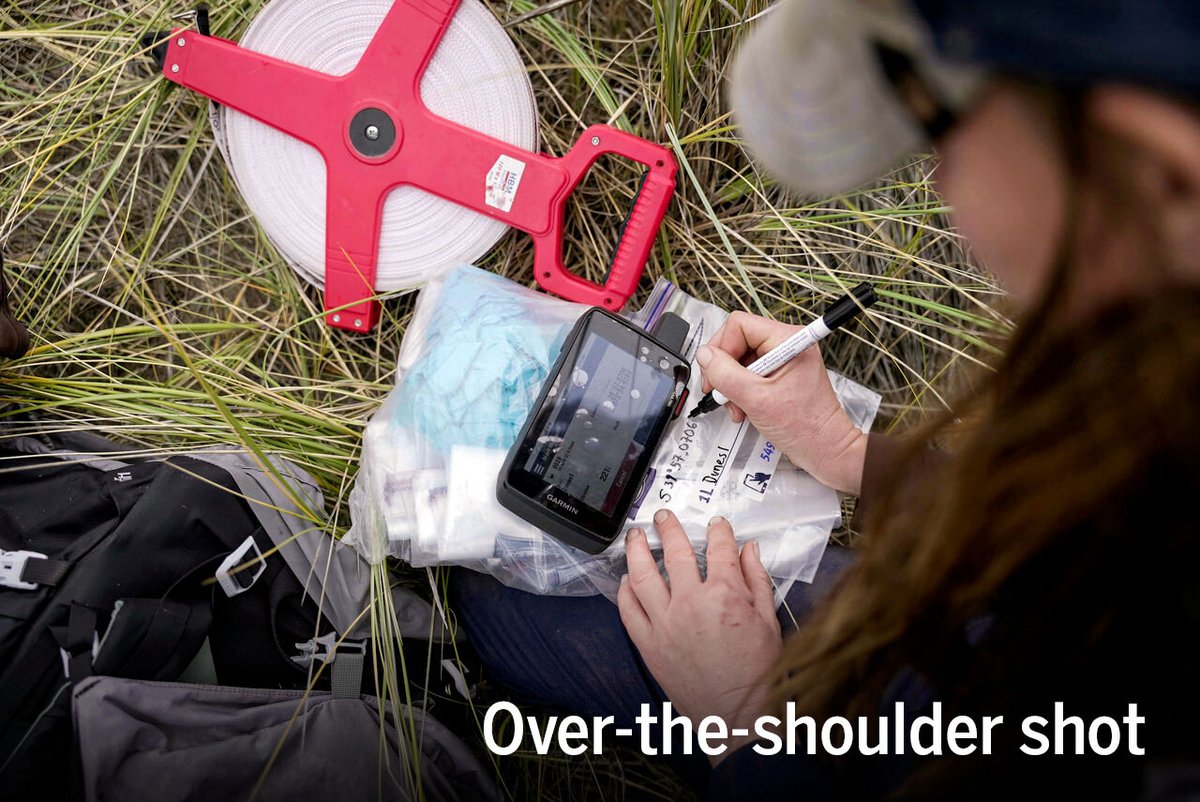
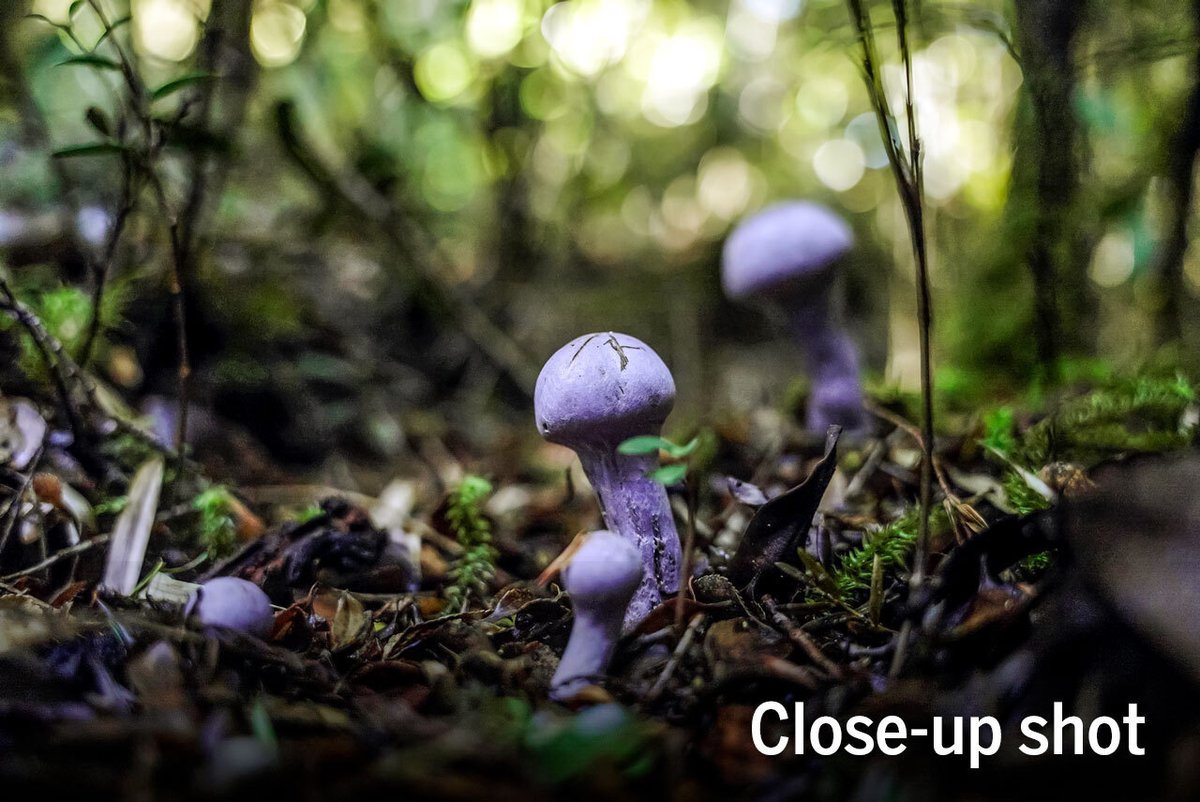
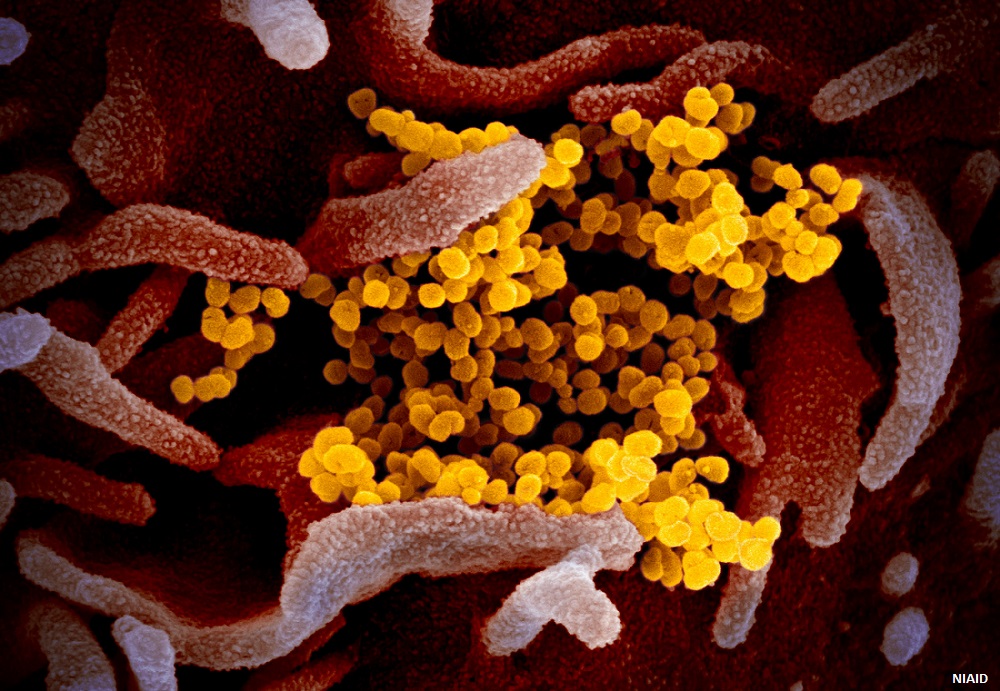
Check out this @ScienceVisuals blog for tips on how to use photography to get your science noticed. https://t.co/Ggpw5Pw5Du
#Tcell immunity may be critical for long-term protection by #COVID19 vaccines, according to a new #SciencePerspective that highlights the potential importance of T cell responses in achieving robust protection against severe disease. https://t.co/9wRCvh9PBb
Epstein-Barr virus can cause mono, the “kissing disease,” and put people at higher risk for certain cancers. Recent studies are highlighting its role in multiple sclerosis. https://t.co/6t305pMD0A
Research in @ScienceAdvances describes a #hydrogel that made microwave ablation treatment of tumors safer and more effective in animal tests. https://t.co/NF4Sb2oslY
Using an innovative probe to measure the mechanical properties of chromatin, a new study reports that #chromatin behaves like a fluid in the nucleus of a living cell.
Learn more in a new #SciencePerspective: https://t.co/BnXr9XhfrY
From the @SciRobotics archives: Scientists engineered a miniature soft continuum #robot that was able to slither with minimal friction through tortuous and compact environments—including a silicone model of brain 🧠 vasculature.
📄: https://t.co/UTPSvUCuQ3
A #nanotherapy for severe #COVID19 that targets inflammatory macrophages is safe and shows signs of alleviating neurologic injury and improving outcomes in hospitalized patients, shows a new phase 2a trial. @ScienceTM https://t.co/rqMPRILGLh
What’s been called a “murder hornet” or “Asian giant hornet” now has a somewhat official, maybe kinder, name. Meet the northern giant hornet.
https://t.co/k8lLAQMIGt
As climate change continues to crank up the temperature, scientists are working fast to understand the limits of humans’ resilience to heat extremes. https://t.co/R6yH1wh7oO