In Botswana, a geologist hunts for signs of the rifting that is tearing the continent apart.
Learn more in this @NewsfromScience feature: https://t.co/idhKmQZ4Zg
Centuries of selective breeding of Siamese fighting (betta) fish have made them popular pets. But their early domestication was focused on a different signature trait: aggression.
A new #ScienceVideo uncovers what puts the fight in these fish: https://t.co/FkHaJapX4M
Chimeric antigen receptor T-cell (CAR-T) therapy, already approved for certain blood cancers, is generating excitement in early tests against autoimmune diseases.
Learn more in this @NewsfromScience feature: https://t.co/e1jYvp0TWg
The Science Visuals team is looking for a temporary photo editor to assist in sourcing compelling high-quality imagery for publication in @ScienceMagazine and @NewsfromScience.
Apply by 30 November: https://t.co/P7UNef2Jdv
Disruptions between the brain’s master circadian clock and the liver’s internal clock, communicated via the hepatic afferent vagal nerve, can lead to unhealthy eating patterns and increased weight gain.
📄: https://t.co/KivsSkJv0U
#SciencePerspective: https://t.co/ZJYykdUL1s
Why do humans mature so slowly? A small-brained member of Homo that lived 1.8 million years ago may signal a step toward long, drawn-out childhoods.
Learn more: https://t.co/8SvfsERcg8 @NewsfromScience
A new @ScienceMagazine study reports how #COVID19 travel restrictions and social measures reshaped the global dispersal of influenza.
Learn more ⬇️
📄: https://t.co/q0n2rSKPb8
#SciencePerspective: https://t.co/JXnPqJDFwQ
In a new @ScienceMagazine study, researchers report a previously overlooked contributor to the meningeal immune landscape in early brain development: group 2 innate lymphoid cells (ILC2s).
Learn more ⬇️
📄: https://t.co/0kE18t5DNL
#SciencePerspective: https://t.co/x5Hq4px3xb
It’s either one of the cutest or most annoying things your dog does—depending on how far away you’re standing: the vigorous full-body shake that comes after a dip in a lake or a pool, one that flings off seemingly every last drop of water.
It turns out that these “wet-dog shakes” aren’t just an amusing quirk, researchers report; they’re a behavior hardwired in mammals—from bears to mice—all the way from the skin to the brainstem.
Learn more: https://t.co/59CXeYpuRN @ScienceVisuals
This elephant learned to use a hose as a shower. Then her rival sought revenge.
The behaviors reveal sophisticated tool use—and possible “pranking”—among pachyderms. Learn more: https://t.co/n2JAv435P6 @ScienceVisuals
Scientists studying the deep sea have built an underwater robot that can gently scoop up delicate fish, squid, and even jellyfish, with a folding container inspired by the Japanese art of origami.
Learn more on #OrigamiDay. ➡️ https://t.co/LxOe8UgqEr
@NewsfromScience
Are implantable, living pharmacies within reach?
A new #SciencePerspective investigates the potential of biohybrid-based medicine, where cell-based drug factories could produce therapies on demand inside patients. https://t.co/Zh9WkD4Fz6 @ScienceMagazine
By looking broadly for behaviors characterizing sleep in humans and other organisms, researchers are finding that most animals, even very simple ones, have a restful state.
Learn more: https://t.co/jw0oNiBGh4 #ScienceMagArchives
A new study in @SciRobotics describes the Fast Lock-On tracking system that can record a flying honeybee outdoors while keeping its antennae and wings in focus. https://t.co/sRpqzf7l1j
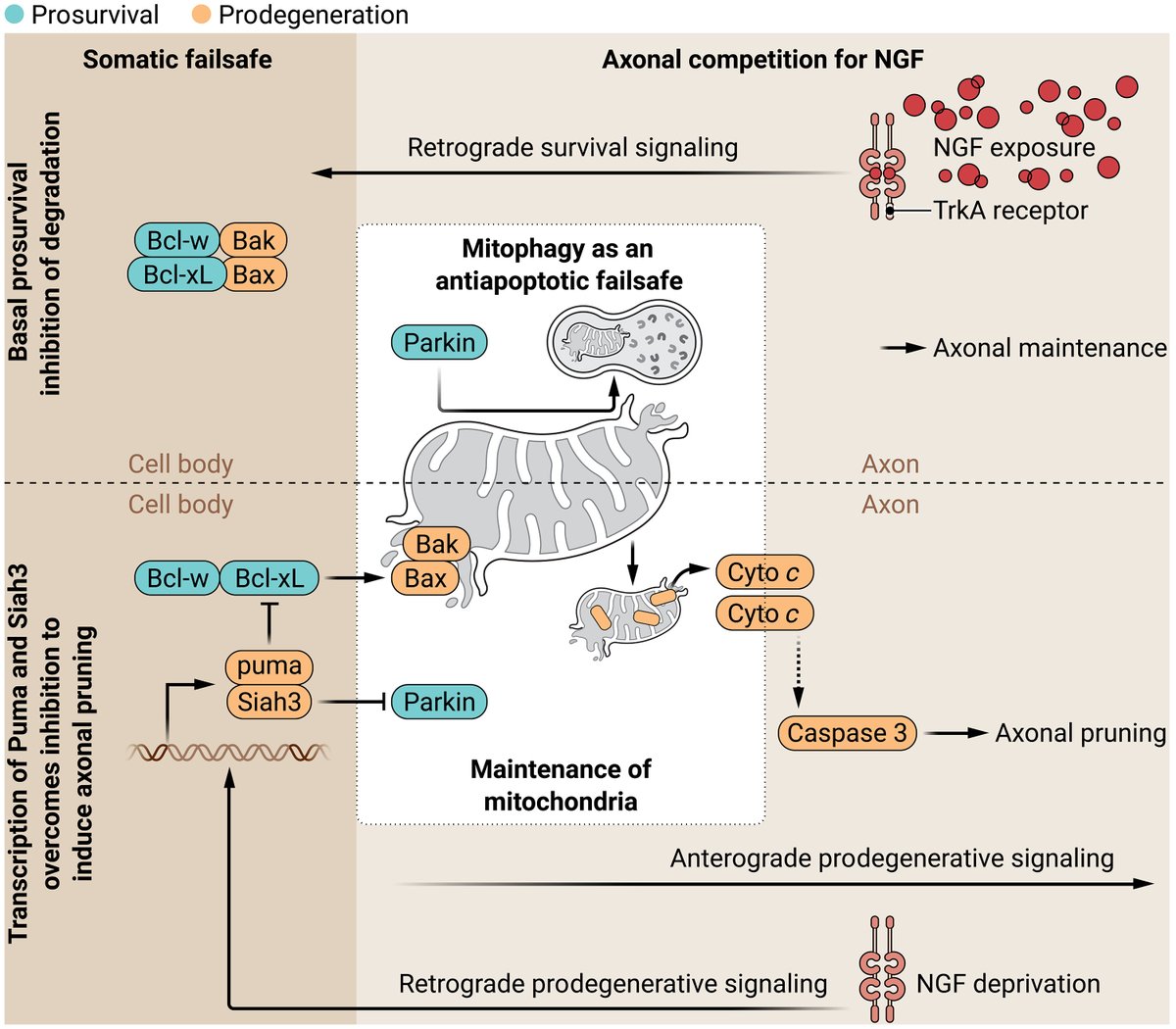
Scientists have discovered a pathway centered on #mitophagy—the breakdown of mitochondria—that helps “prune” tendril-like growths from neurons in the nervous system. @SciSignal
📄: https://t.co/UrR5MNN8nc
Focus: https://t.co/Gm97yC5Zlj
Centuries of selective breeding of Siamese fighting (betta) fish have made them popular pets. But their early domestication was focused on a different signature trait: aggression.
A new #ScienceVideo uncovers what puts the fight in these fish: https://t.co/FkHaJapX4M