We are at #OSM24, booth 436 (3pm Mon-1pm Thu)! We look forward to meeting you and sharing Argovis’ latest features. An expert can help you get started with accessing and colocating data on the web interface or via a Python notebook on the browser. #NSFfunded#CUBoulderATOC
A 🌞 spot in my week? Working with these curious local high school students on their research project! Using @ArgovisCU data + visual. tools, they want to know, 'what happens to the upper ocean when a storm barrels through?' @CUBoulderATOC@BVSDcolorado@NSF@EarthCube@NASAOcean
Nice use of Argovis, @OceansClimateCU! On a related note, the next Argovis viewer coming up will co-locate profiles in the ocean with tropical cyclones (currently possible for Atmospheric Rivers at https://t.co/HX76AqJ4ya).
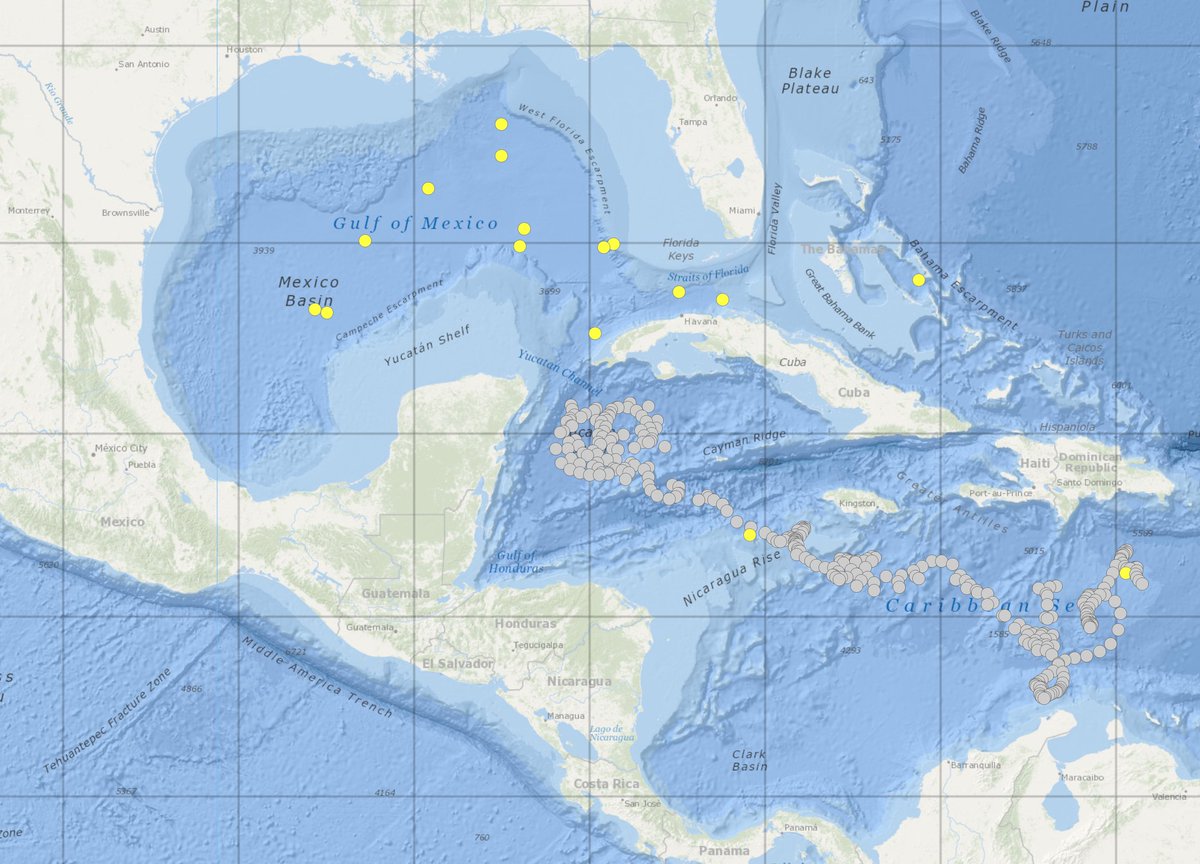
For a little Friday fun, check out some in situ measurements beneath the new storm brewing in the NW Caribbean using @ArgovisCU hosted by @DonataGiglio and @CUBoulderATOC! Can download the profiles as NetCDF, too. https://t.co/qDDmodiphZ
Today I want to give thanks to @tamu_codemonkey for bringing data from Argovis into the GCOOS GANDALF at https://t.co/nQh6dvMGyV. Its great to see these profiles criusing alongside gliders, keeping track of what the Gulf stream is up to!
Very thrilled to report Argovis's new API documentation page at https://t.co/xyK2bT7OXL. Come and see how the magic happens! Swagger-UI has made the process of documenting each function call so much easier, and dare I say fun?
Reminds me of an outstanding book by Holmes called The Secret Life of Dust: From the Cosmos to the Kitchen Counter, the Big Consequences of Little Things. Everything matters #leavenostoneunturned.
Annually, billions of tons of desert dust moves through the atmosphere. The pulses of nutrients entering the ocean from the dust, especially iron, is critical for ecologically important diatoms but can also provide favorable conditions for harmful algal blooms.
Annually, billions of tons of desert dust moves through the atmosphere. The pulses of nutrients entering the ocean from the dust, especially iron, is critical for ecologically important diatoms but can also provide favorable conditions for harmful algal blooms.
I'm glad to announce a summer break release of the #argofloat python library argopy. New features include: a new data source (#argovis), conda install, TEOS-10 variables: contributions from @ocefpaf@tylertucker202 @balemkevin and myself. Check this out at https://t.co/YAUi5KlZ2x
I'm glad to announce a summer break release of the #argofloat python library argopy. New features include: a new data source (#argovis), conda install, TEOS-10 variables: contributions from @ocefpaf@tylertucker202 @balemkevin and myself. Check this out at https://t.co/YAUi5KlZ2x
New or expert users of #argofloat data: please take some times to complete this online survey to help #EARISE project and @EuroArgoERIC to provide you with the most appropriate services !
@sheilasaia@ESIPfed An outstanding question, and one that isn't discussed often enough! Personally this Coursera course in Python helped me the most. https://t.co/Iipo55ZJEW. You learn the basics, with the added bonus of programming video games! It is so rewarding to see your games run bug-free.
I'm honored to be data expert at the Virtural #DataHelpDesk May 4th-8th. Ask me and my fellow Earth data lovers during #shareEGU20 (5/4-5/8) https://t.co/7ak3mPcUMQ.
I'm pleased to announce a new release of the argopy library, all details here: https://t.co/av7SaZ6xfP Now available: 2 data fetchers. But not sure Friday evening is the best time to tweet about this ;-), I'm lost in confinement !