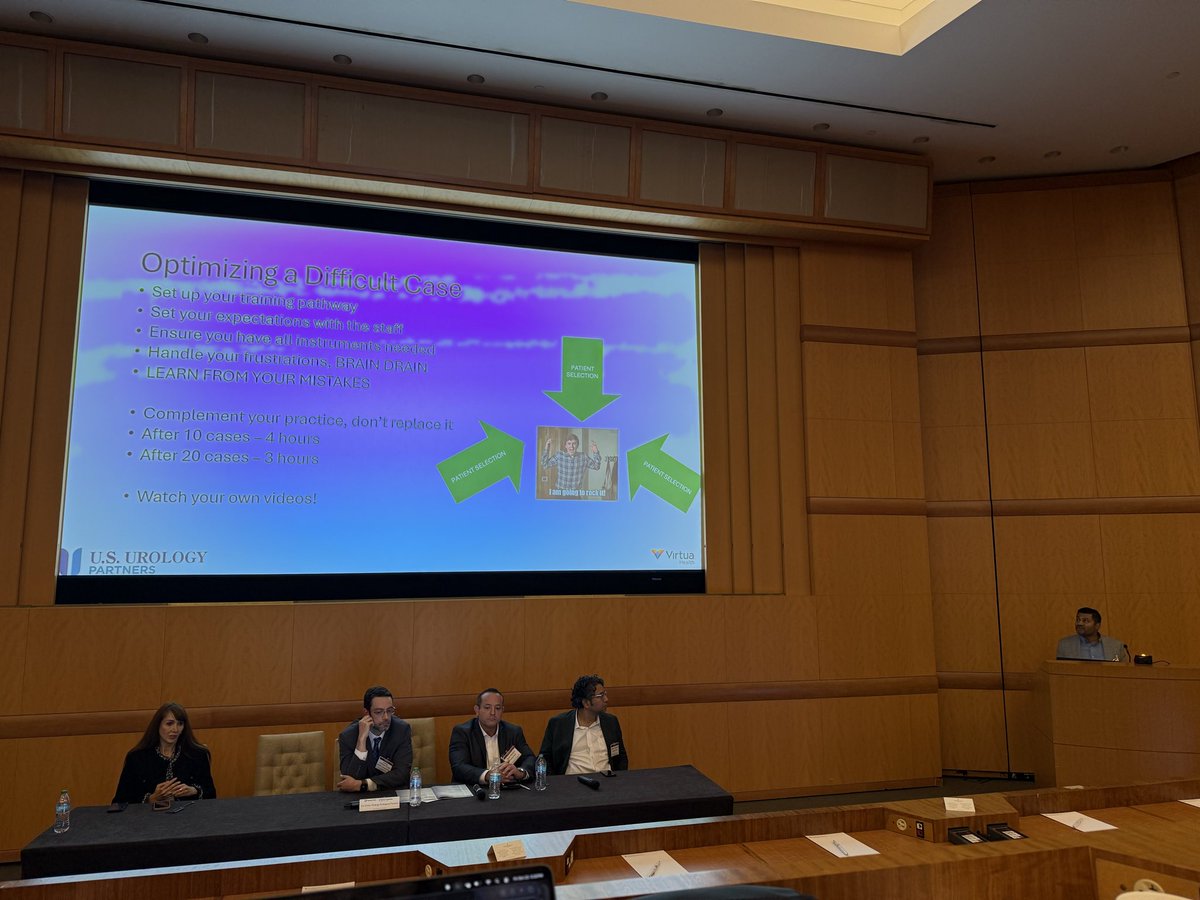
@LauraBukavinaMD —— LB- so good to be back at conference with you. Laying down her BC wisdom with all the SP robos. Yes we were paying attention. High risk NMIBC check the ctDNA. even if nodes are positive-leave bladder, remove nodes, save lives. Boom! @RyanNelson762@UroR_Pessoa@CleClinicUro
Presented at #ASCO26:
In high-risk localized prostate cancer, ADT plus apalutamide led to a pathological complete response or minimal residual disease and 5-year metastasis-free survival in a greater percentage of patients than ADT plus placebo. Full phase 3 PROTEUS trial results: https://t.co/UxXUkYwd8Z
Editorial: A Watershed Moment in the Perioperative Treatment of Prostate Cancer https://t.co/XgeWL3lqy6
@ASCO
ctDNA is an exciting and important advance but not a replacement for imaging for recurrence post-cystectomy.
IMvigor011 highlights an important biologic shedding pattern of ctDNA with nodal disease being missed. CtDNA should be considered complementary, not a replacement for standard imaging.
@UroDocAsh@IBCG_BladderCA@ResearchWyatt@carme_mir1
Pembrolizumab in combination with BCG yielded a 92% complete response rate at 6 months in patients with BCG-naïve “very high risk” T1 NMIBC who declined upfront radical cystectomy, according to results from a phase 2 trial presented at #AUA26. https://t.co/N5muizwBaT
#AUA26 International Prostate Forum
@KristineLacuna beautifully explaining to us urologists how to think about 1L mCRPC treatment based on:
-Previous ADT + ARPI
-No previous ADT + APRI
-Other/special sitations
@urotoday
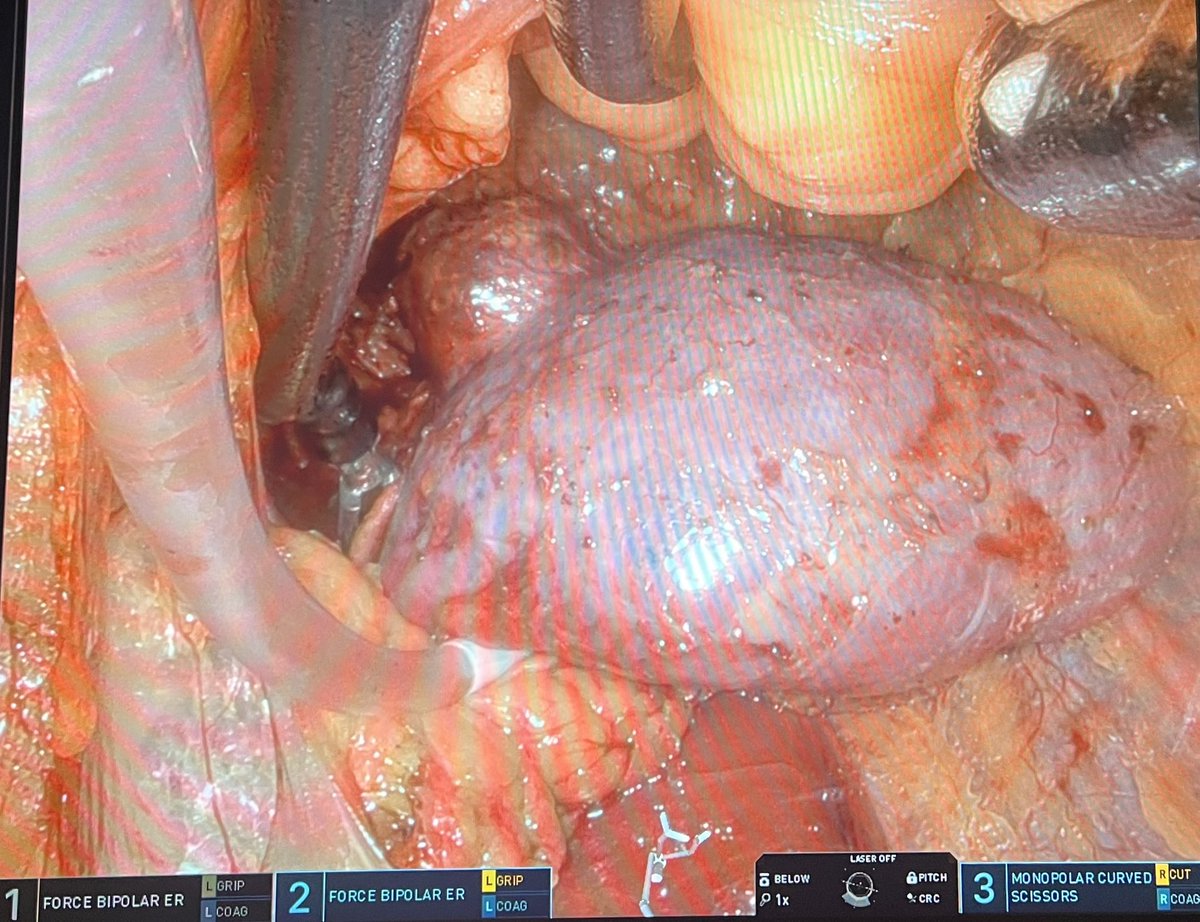
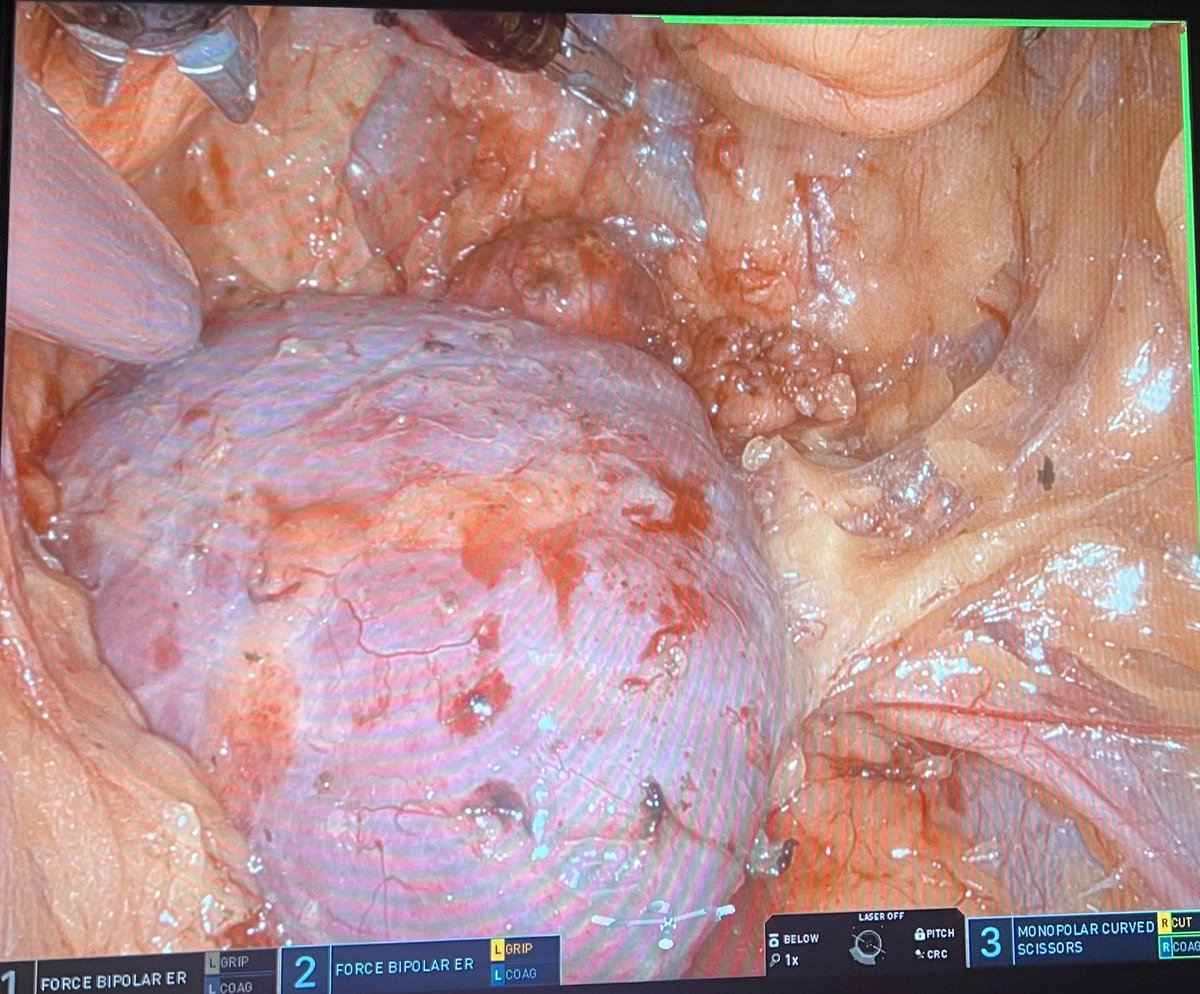
@RobertoANav great job today on your first SP cases - you are an amazing and talented robotic surgeon and your patients are fortunate to have you! Best of luck with your SP program at @AtlantiCareNJ
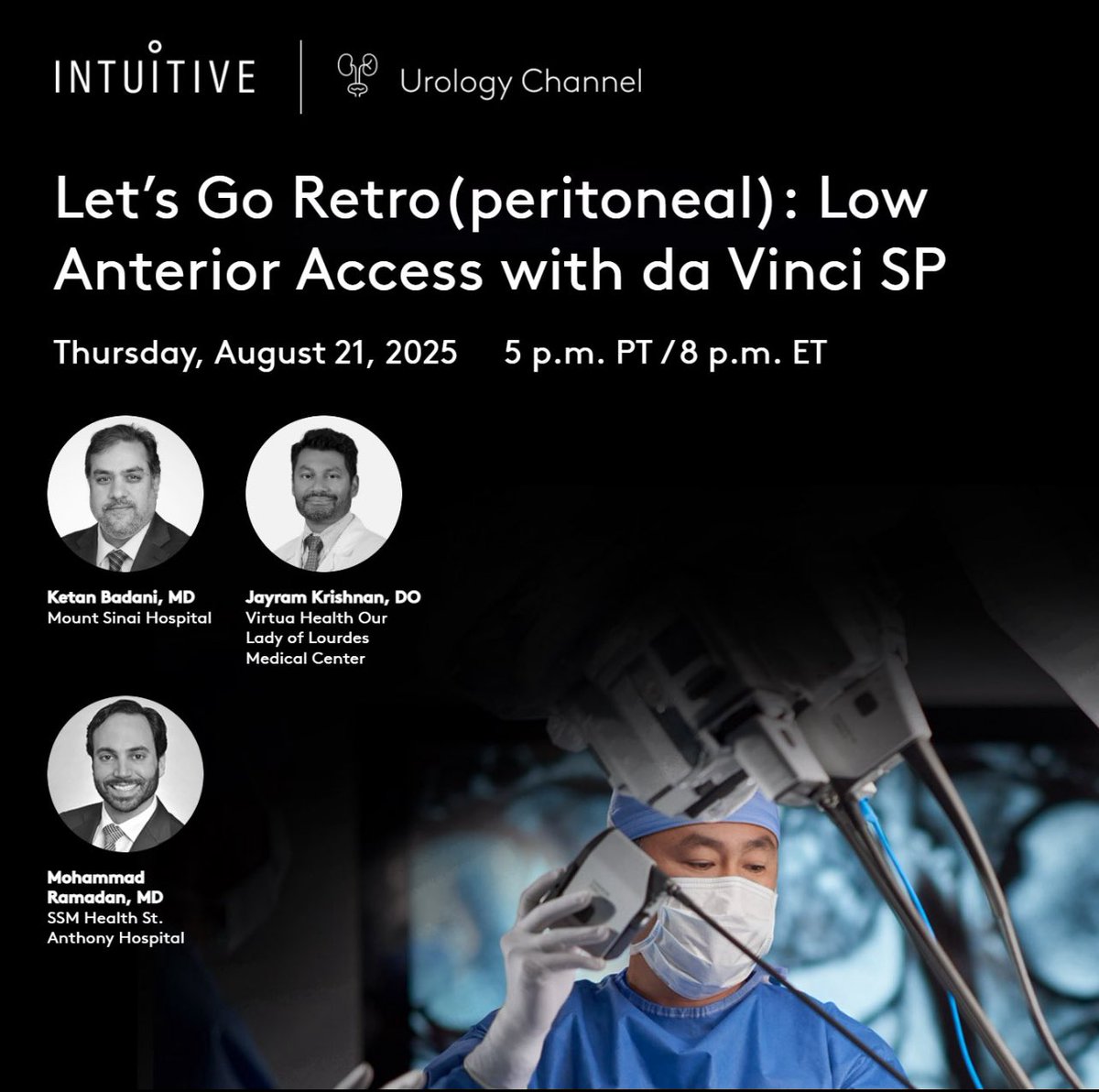
Exciting day! First SP cases at @AtlantiCareNJ, the only hospital system in South NJ offering DaVinci SP. Thanks to @AskDoctorJay for the tips & tricks and thanks to @IntuitiveSurg for the support.
Congratulations to my friend and colleague @RobertoANav for his first SP cases! The beginning of an amazing SP program at the Jersey Shore!@AtlantiCareNJ
@IntuitiveSurg
#AUA26 First indirect comparison of two FDA-approved bladder-sparing strategies for BCG-unresponsive NMIBC: NAI + BCG vs TAR-200.
After MAIC adjustment:
🎯 12-mo CR:
• NAI+BCG: 49.2%
• TAR-200: 45.9%
⚠️ TRAEs:
• 61.7% with NAI+BCG
• 83.5% with TAR-200
→ ~68% lower odds of treatment-related toxicity with NAI+BCG (OR 0.32)
🚨No head-to-head trial yet, but an important attempt to compare emerging bladder-preserving options in BCG-unresponsive NMIBC. @UroToday @AmericanUrological
📢Published in the August issue of @UrolOncol!
This study underscores the significant variability in postoperative care recommendations for RP and the urgent need for standardized, evidence-based guidelines.
🔗https://t.co/xtQ27ptvoz
Statin Use in Patients With Advanced Prostate Cancer in the TITAN and SPARTAN Trials
https://t.co/UHdtcRuM68
This cohort study analyzed individual patient data from the SPARTAN and TITAN phase 3 trials to examine the impact of statin exposure on outcomes in men with advanced #ProstateCancer treated with apalutamide. Among 2,187 patients, statin use was associated with significantly improved overall survival in apalutamide-treated patients but not in those receiving placebo, with 3-year survival differences of 14% in TITAN and 8% in SPARTAN favoring statin users. However, patients on statins also had a higher risk of grade 3 or greater cardiac adverse events, likely reflecting underlying cardiovascular comorbidities.
These findings suggest that statin exposure may confer a survival benefit in the setting of intensified androgen blockade with apalutamide, though cardiovascular risks require careful consideration.
@Soum_Roy_RadOnc@ziremozay@avirupguha@yilun_sun@WallisCJD@PBarataMD@AmarUKishan@angela_jia_@NicholasZaorsky@umangtalking@scserendipity1@DrSpratticus@neerajaiims@OncoAlert 🚨
@silkegillessen@AOmlin@nataliagandur@bavilima@yekeduz_emre
Long-Term Outcomes After Guideline-Recommended Treatment of Men With Prostate Cancer
https://t.co/ZEzR678ZtG
Article highlights that while #ProstateCancer (PCa) is the most common cancer among men in high-income countries, most men diagnosed with nonmetastatic PCa—especially those treated according to current NCCN Guidelines—are far more likely to die from causes other than their cancer. Using long-term, population-based data extending up to 30 years, the study found that men with nonmetastatic PCa were up to six times more likely to die of non-cancer causes, and even those with very high-risk disease and long life expectancy were still twice as likely to die of other causes.
Findings underscore the importance of factoring in life expectancy and competing health risks when making treatment decisions, and they provide valuable benchmarks for clinicians when discussing outcomes and reporting results.
@bratt_ola@OncoAlert 🚨
@silkegillessen@AOmlin@nataliagandur@bavilima@yekeduz_emre
Magnetic Resonance Imaging–led Risk-adapted Active Surveillance for #ProstateCancer
https://t.co/cPu9mlW6gv
This large cohort study of 1150 men on MRI-led active surveillance (AS) for prostate cancer shows that MRI visibility and baseline Gleason pattern 4 strongly predict outcomes. With a median follow-up of 64 months, five-year event-free survival (EFS) was highest for men with nonvisible Gleason 3 + 3 disease (91%) and lowest for those with MRI-visible Gleason 3 + 4 disease (44%). Histological upgrade to Gleason ≥4 + 3 was uncommon (67 patients), and metastases occurred only in men who declined recommended MRI or biopsy follow-up.
These findings support MRI-led AS as safe for most patients, while underscoring the prognostic importance of MRI visibility and Gleason pattern 4 in guiding risk stratification and monitoring intensity.
@CEnglman@DavideMaffei_MD@VStavrinides@dougpendse@ShonitP@navinram999@aimhaider@john_withington@Kazzawilk@veerukasi@EmbertonMark@giga_fra@mrsprostate@OncoAlert 🚨
@silkegillessen@AOmlin@nataliagandur@bavilima@yekeduz_emre