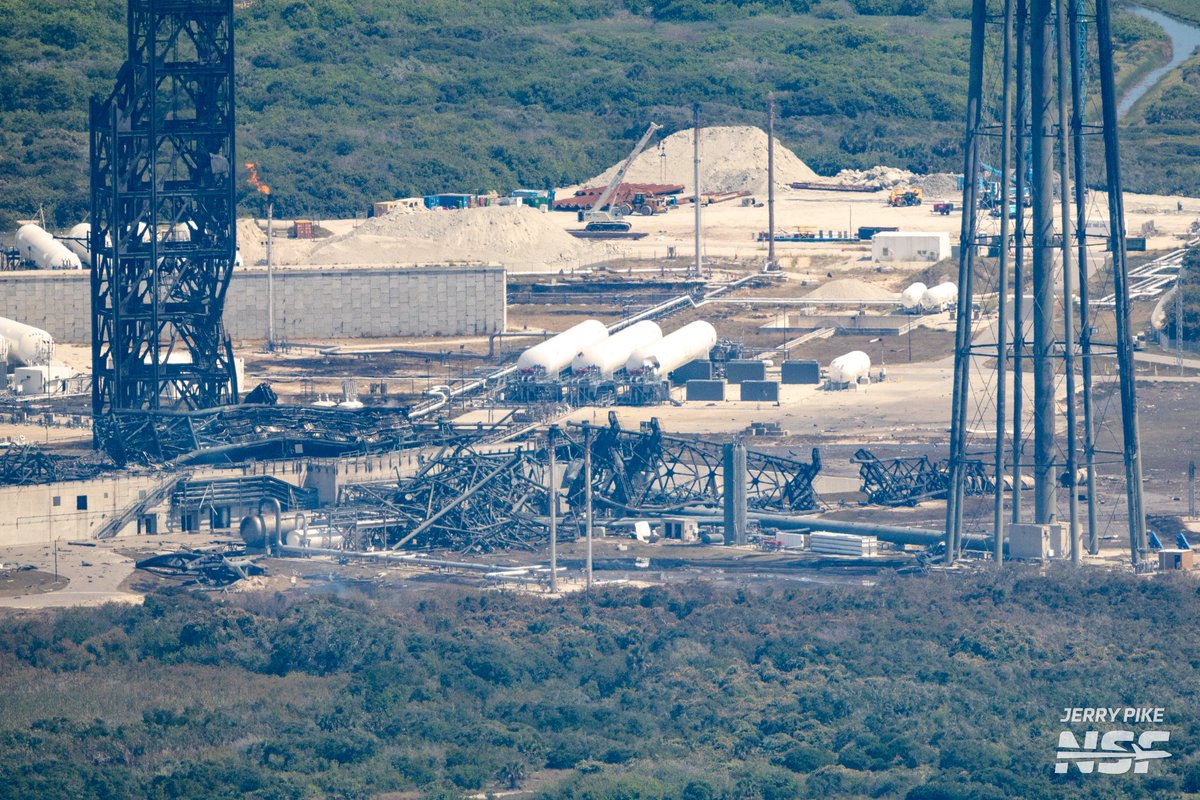
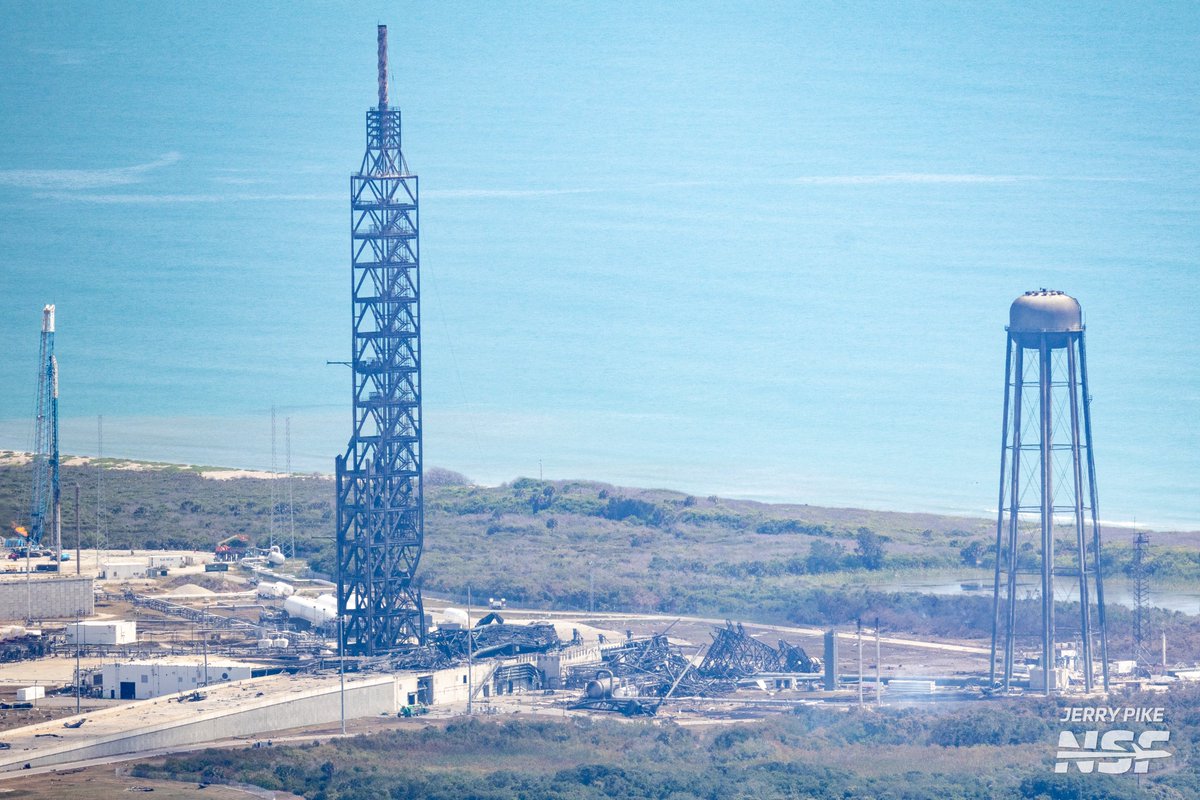
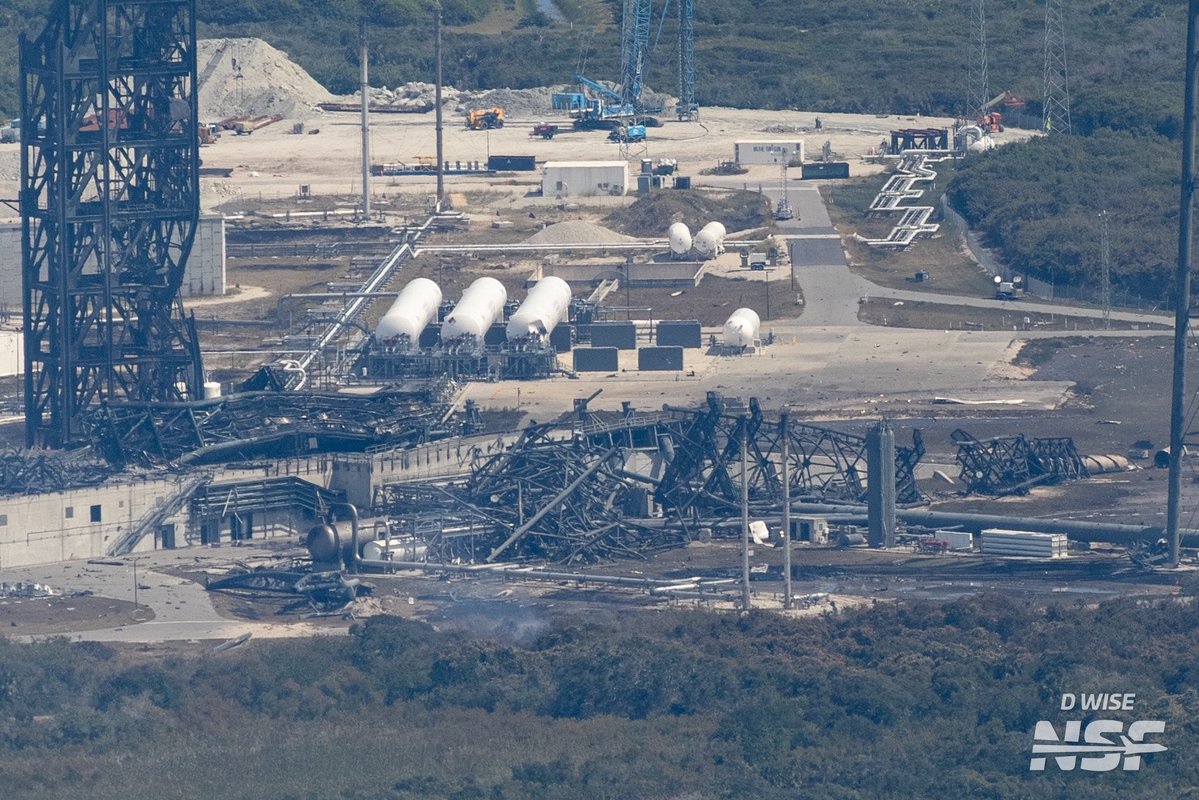
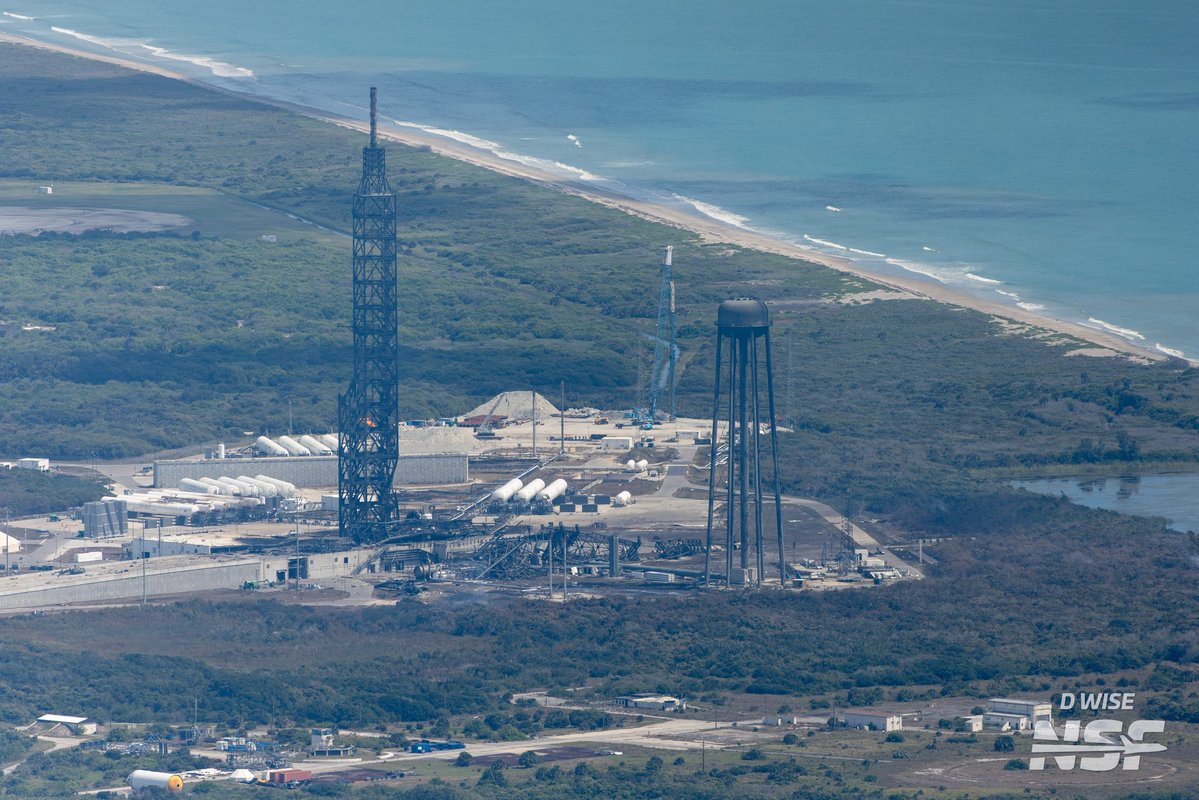
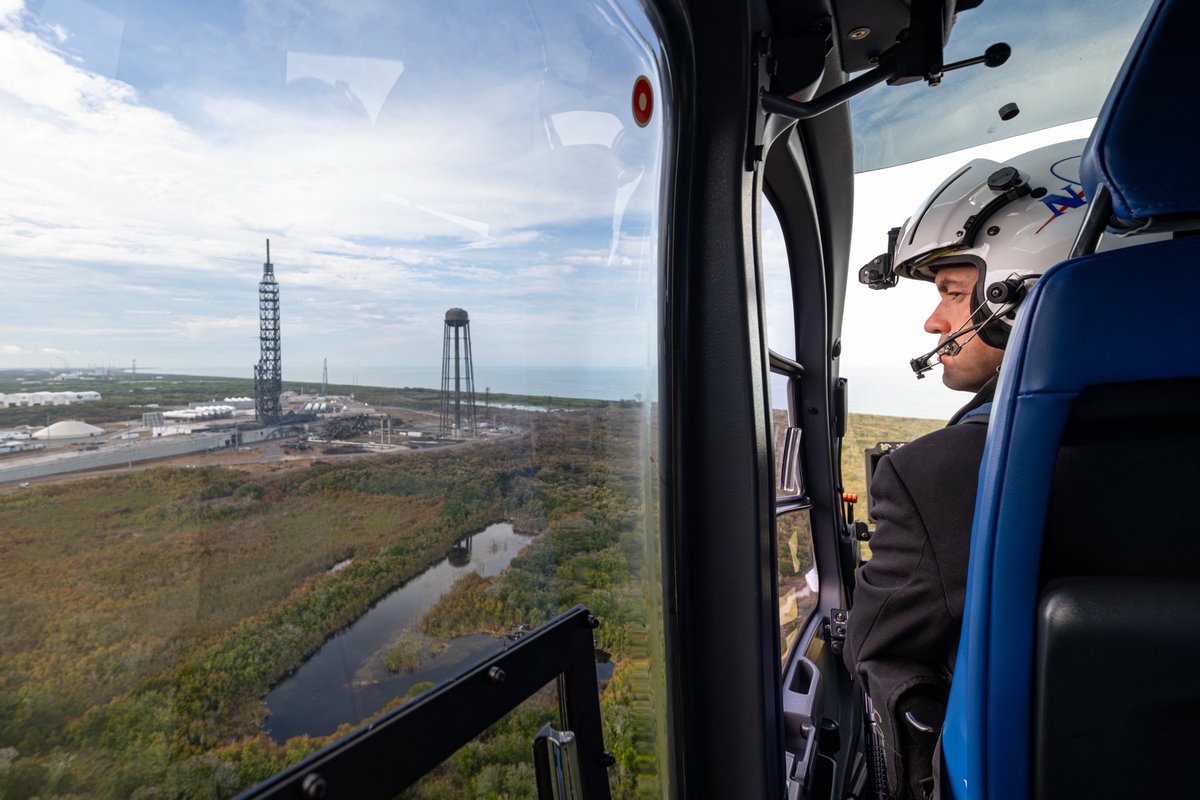
We go where we need to be, and today that was @NASAKennedy.
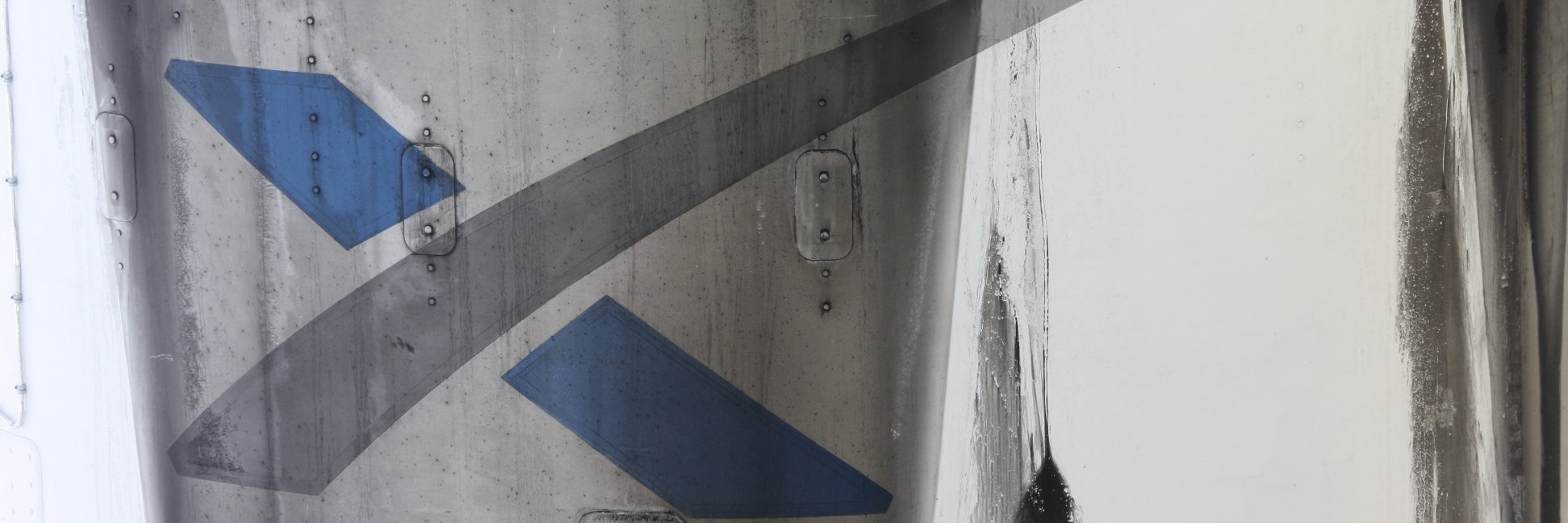
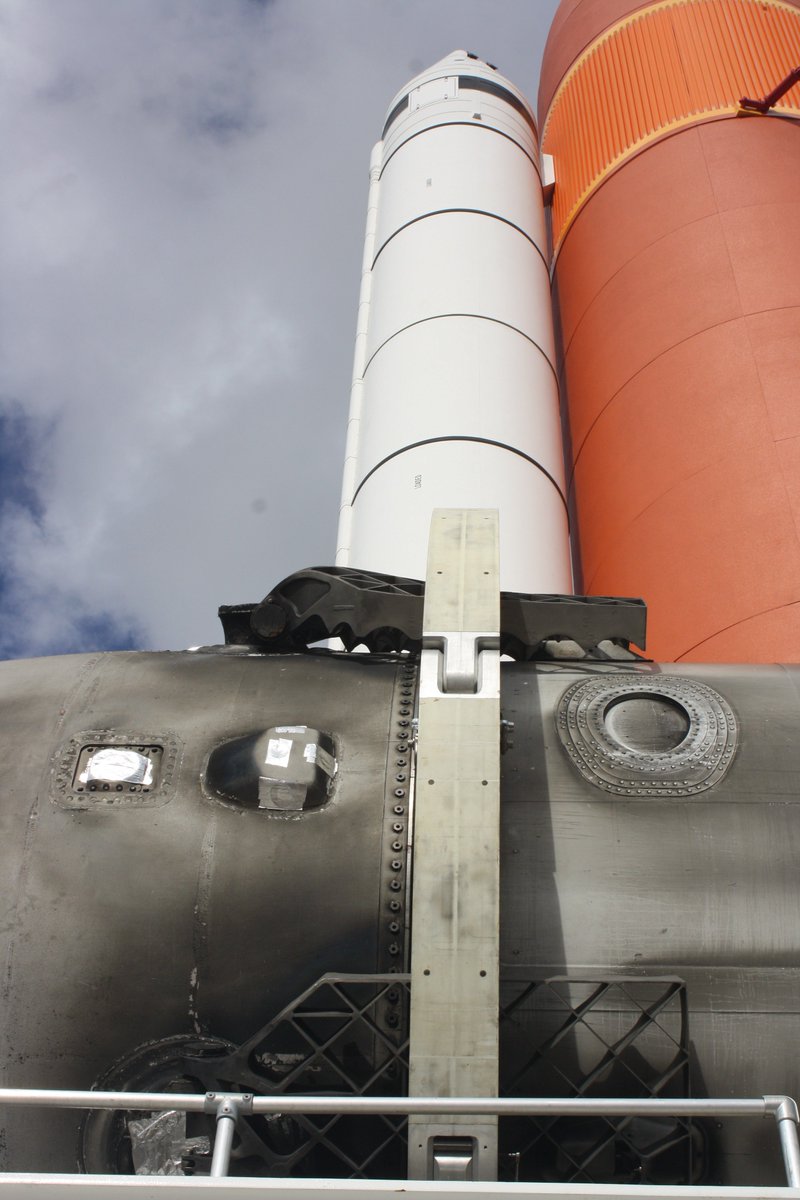
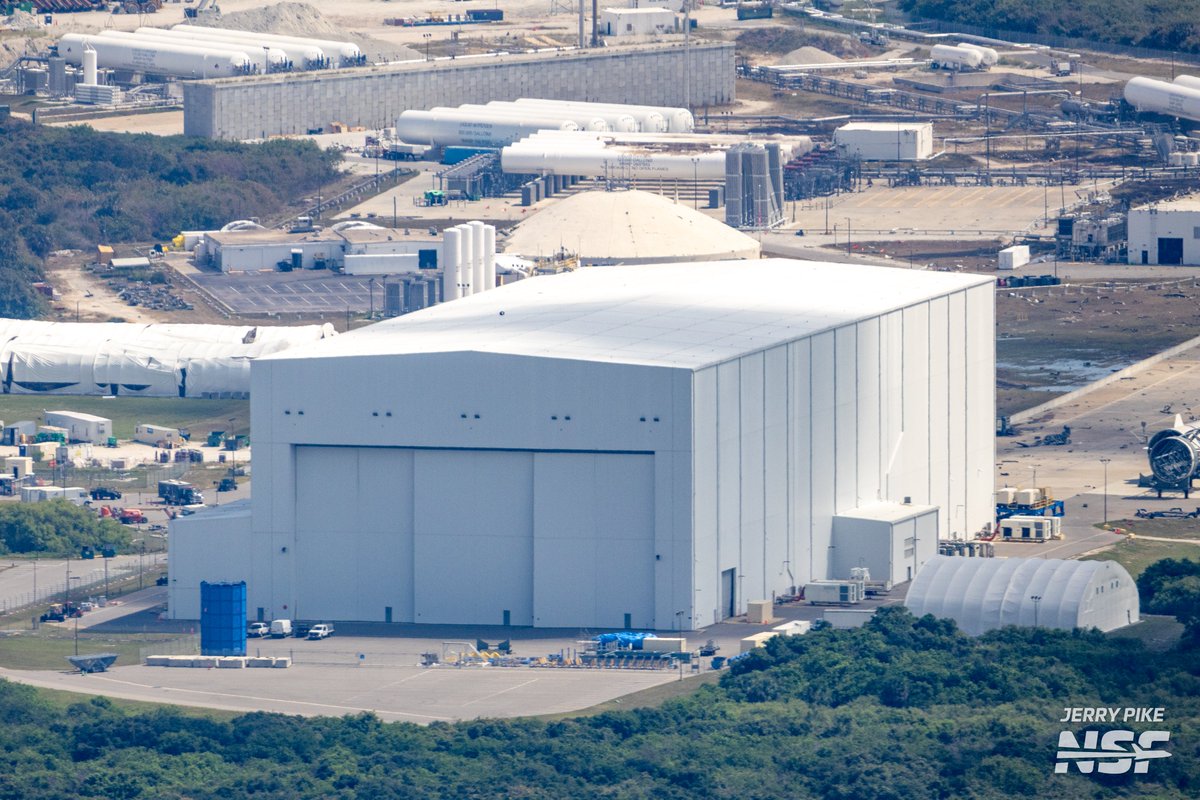
Some of my senior engineers and I spent time at @blueorigin with @JeffBezos and @davill, speaking with the workforce and seeing the damage at LC-36 firsthand. I appreciated the opportunity to hear directly from those working through the aftermath and better understand the challenges ahead.
There is a lot of work to do, but this is exactly why people choose careers in aerospace, whether at NASA, Blue Origin, or across the industry. The talent in this field thrives under pressure and performs at its best when solving the toughest problems.
We have been saying for months at NASA that we are not going to sit on our hands and wait for the capabilities necessary to achieve the nation’s most pressing objectives. We are going to take an active role alongside our partners, just as we did in the 1960s, to overcome setbacks, remove obstacles, and deliver the intended outcomes.
@NASA is committed to helping the Blue team recover, continue to advance their lunar lander and get New Glenn back to launching as soon as safely possible.
America’s greatest achievements in space were never the result of avoiding setbacks. They came from overcoming them. We have done it before, and we will do it again🇺🇸
From April 19th to May 29th 2026 from Cherie Down Park Cocoa Beach very sad to see the East lightning tower & strongback are gone on SLC-36 after last night's #BlueOrigin static fire test RUD!🔥🚀🔥
📸 by Scott Schilke for https://t.co/aE2RPsTD94 & https://t.co/TGuheUrBqZ
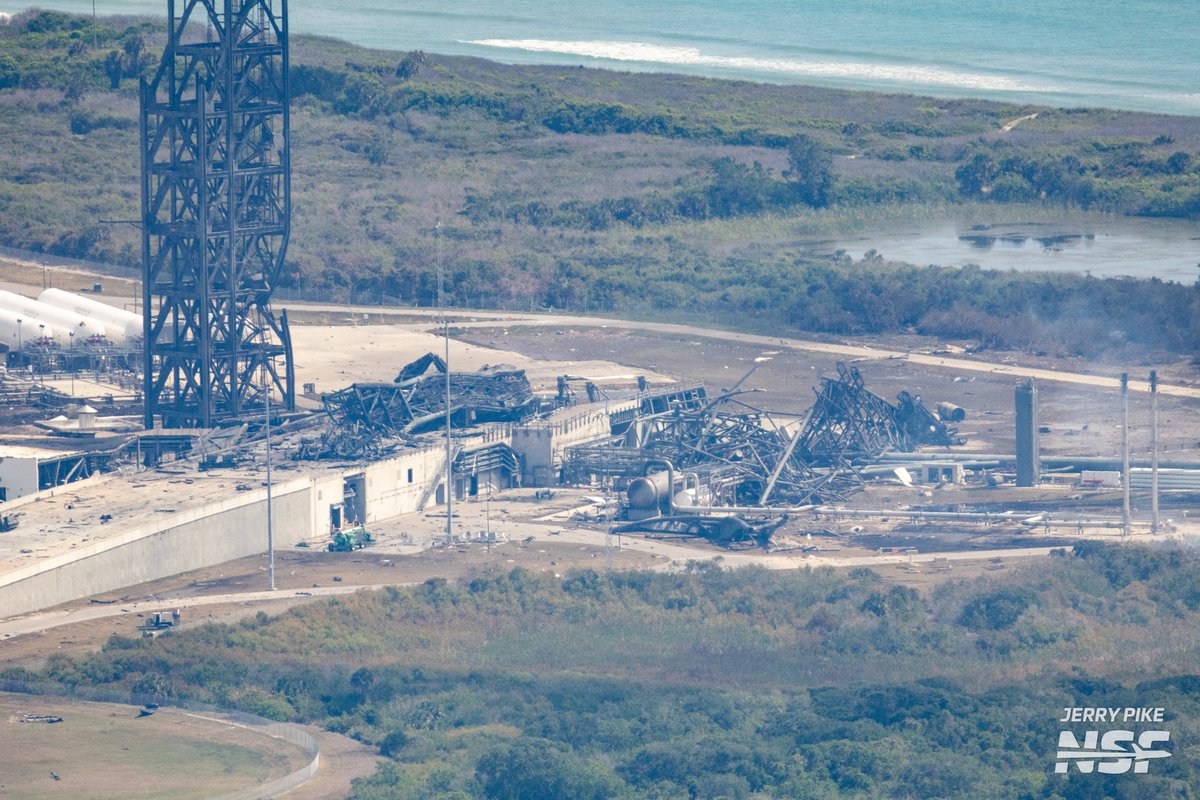
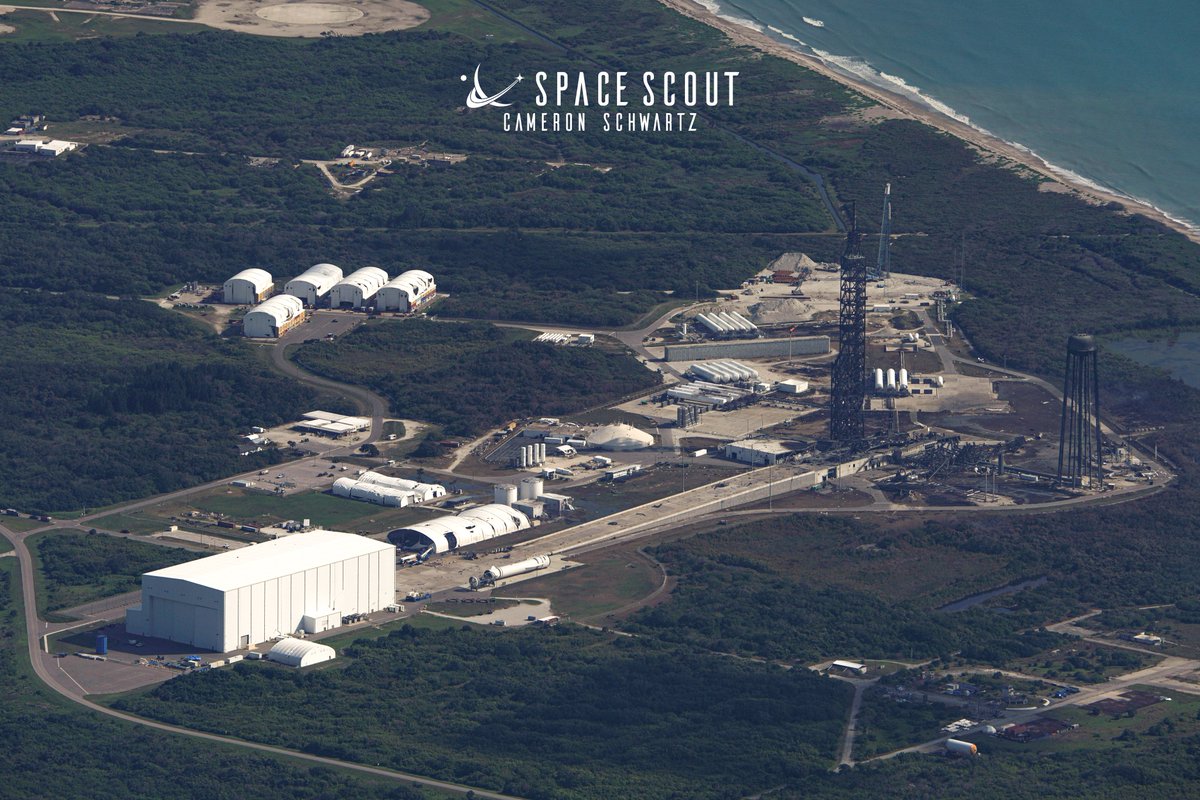
First look at SLC-36 after New Glenn's explosive anomaly last night.
The debris of the second tower appears to be spread across the right side of the pad and the entire area is scorched. The HIF appears ok. Absolutely insane.
📸 Me for @WeAreSpaceScout
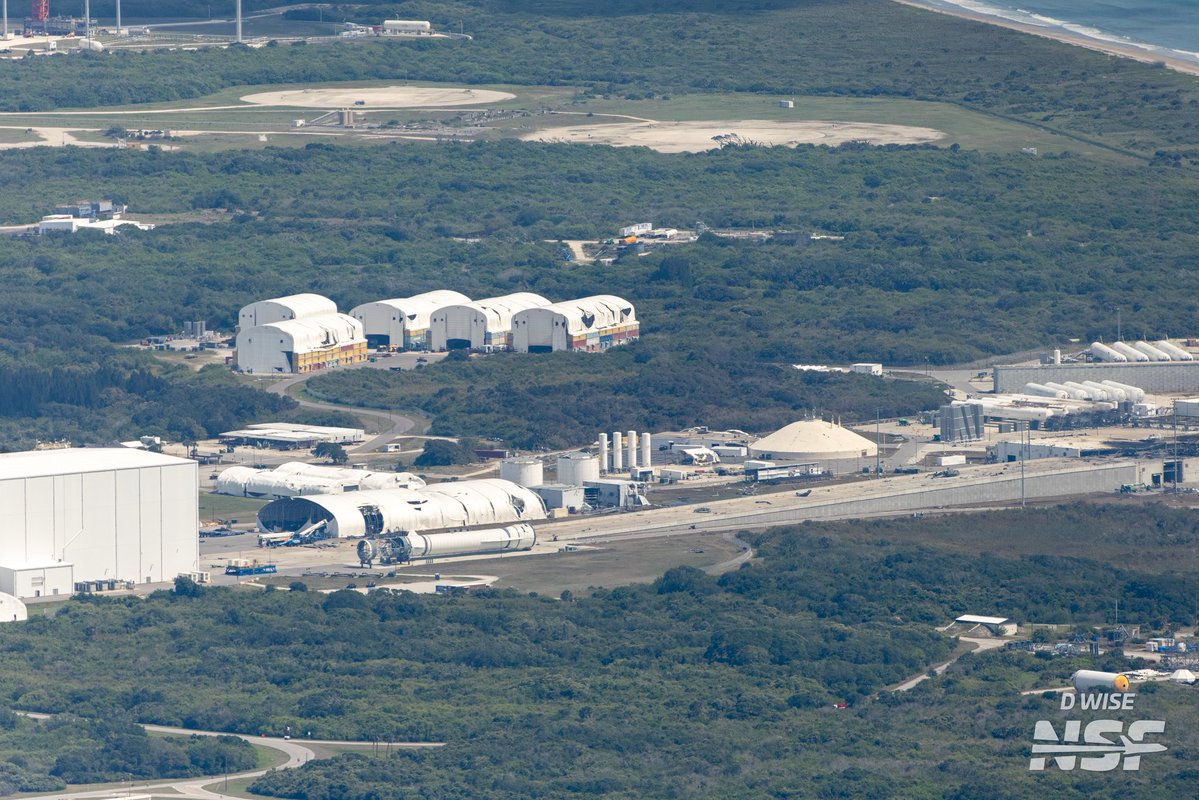
Grateful that all personnel were safe during last nights New Glenn anomaly. That’s the most important thing. Now, let’s send our best wishes to Blue Origin employees as they work to assess the situation, determine what went wrong, and with time, rebuild.
📸 @NASASpaceflight
NASA is aware of the anomaly that occurred tonight at Launch Complex 36 involving Blue Origin’s New Glenn rocket at Cape Canaveral Space Force Station. Spaceflight is unforgiving, and developing new heavy-lift launch capability is extraordinarily difficult. We will work with our partners to support a thorough investigation of this anomaly, assess near-term mission impacts, and get back to launching rockets.
We will provide information on any impacts to the Artemis and Moon Base programs as it becomes available.
All personnel are accounted for and safe. It’s too early to know the root cause but we’re already working to find it. Very rough day, but we’ll rebuild whatever needs rebuilding and get back to flying. It’s worth it.
🚨 🚨 BEZOS HAS 3 OPTIONS LEFT AFTER NEW GLENN'S LAUNCHPAD EXPLOSION. ALL 3 ARE CATASTROPHIC.
This is the moment nobody wants to talk about.
After years of development, a $1B+ heavy-lift rocket program, and a final ground test before Amazon's Kuiper satellite mission → Blue Origin is now boxed into THREE choices. And every single one is a nightmare:
⚠️ OPTION 1: REBUILD LC-36 FROM SCRATCH
– The only launchpad Blue Origin owns is now a debris field
– One 600-foot lightning tower toppled. Erector-gantry: gone. Ground equipment: destroyed.
– Pad rebuilds after a full vehicle explosion take 12–24 months minimum
– Amazon's Kuiper constellation — already years behind SpaceX Starlink — falls further behind
– Every month of delay costs Amazon market share it cannot get back
⚠️ OPTION 2: BORROW OR BUY LAUNCH CAPACITY FROM A COMPETITOR
– The only competitor with available heavy-lift pads is SpaceX
– Asking your direct rival for a launchpad is not a business negotiation — it's a surrender
– SpaceX has every incentive to slow-walk, overcharge, or simply say no
– Amazon would be funding the company that is actively destroying Kuiper's market window
– Jeff Bezos built Blue Origin specifically to avoid this dependency
⚠️ OPTION 3: ABSORB THE DELAY AND KEEP INVESTING
– New Glenn's first stage was enveloped in fire during a routine hotfire test — the final check before orbital flight
– The vehicle collapsed. The upper stage tilted and fell. Fires burned at multiple stories
– This wasn't a launch failure. This was a ground test. The hardest problems haven't even been attempted yet.
– Blue Origin has no second pad, no backup vehicle, and no timeline for the next attempt
– And Starlink already has 7,000+ satellites in orbit
Let that sink in.
There is no Option 4. There is no clean exit. There is no "we rebuild and catch up by Q4."
The media is showing you "rocket science is hard" and "no injuries reported."
They're NOT showing you that Blue Origin just destroyed its only launchpad — the single piece of infrastructure that connects years of development to an actual orbital mission — three hours before midnight on May 28, 2026.
This is the most consequential single test failure any American space company has faced since SpaceX's Pad 40 explosion in 2016.
Follow now → this story is moving fast. RT so others see what's really at stake.
Prepare accordingly. 🚨🚨🚨
I'll keep you updated. Turn on notifications. 🚨
At 7:48am ET this morning #SpaceX launched their Falcon 9 rocket from launch pad SLC-40. 53 seconds into the launch the rocket transited in front of the sun from the exact location I was setup at. Just as I captured this split second shot a shock collar around the rocket’s fairings formed.
#Starlink
This is probably the best look at the shockwaves I’ve seen from the latest Starship flight.
Captured from a GoPro I clamped onto a proper camera to record simultaneous video. (I’ll show you the photo the better camera took in the reply)