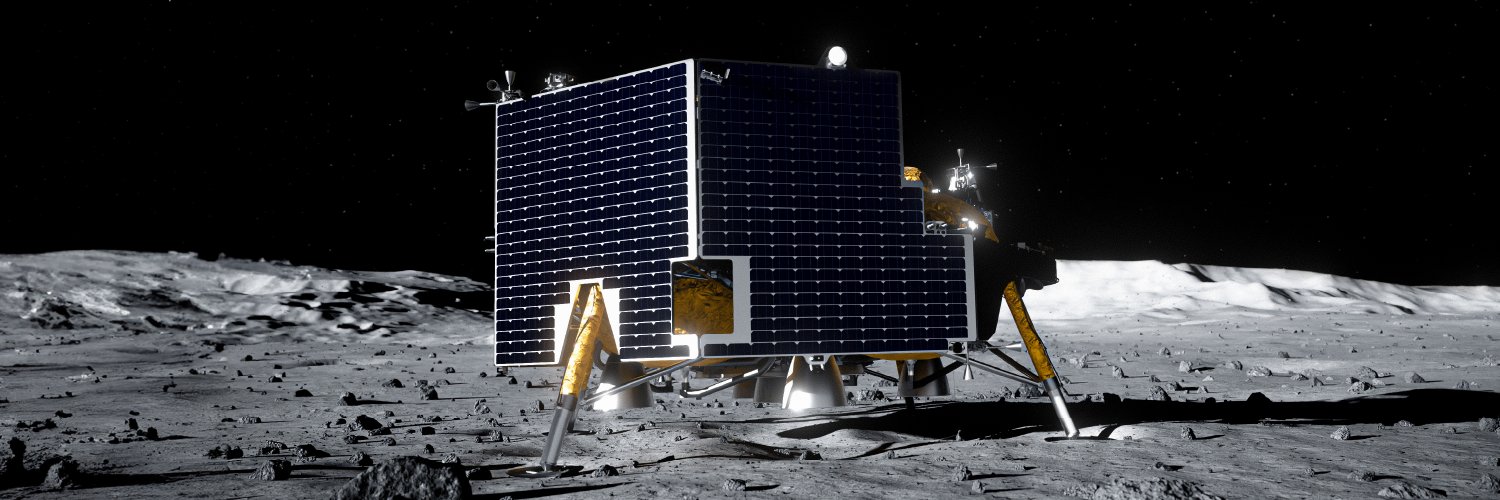
Breaking: Voyager to acquire @Astrobotic, combining lunar landers, surface power, habitats and cislunar operations into one integrated lunar platform. Griffin Mission One, targeting the lunar South Pole NET November 2026, will be Voyager’s first mission to the Moon.
Learn more: https://t.co/DlHHlwxd3t
$VOYG #MissionReady #AcceleratingtheAdvantage #Artemis
@NASAMoonBase@blueorigin@NASAAdmin The second @NASAMoonBase mission will fly cargo to the lunar surface aboard the @Astrobotic Griffin lander and the third will deliver payloads chosen through open competition as well as international partners.
Both missions are targeted to launch before the end of 2026.
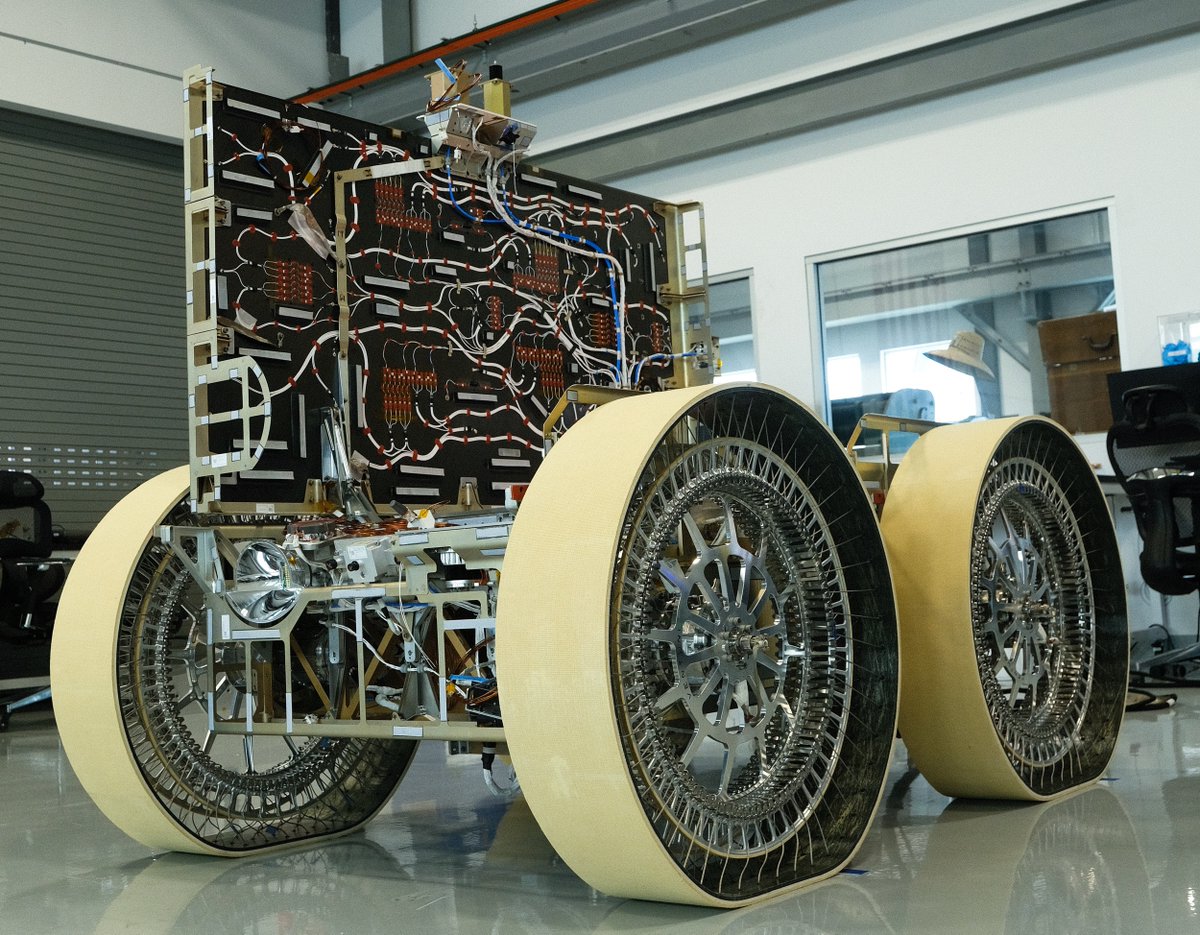
Aboard our Griffin-1 lander heading to the Moon late 2026, @Astrolab_Space's FLIP has a suite of payloads heading to the lunar surface! 🌙🧪 Check them out: https://t.co/hfIptiDAoy
We’re proud to introduce the payloads from 4 NASA centers flying aboard our FLIP rover in the second half of this year (2026)!
From a lunar dust experiment from @NASA_Johnson to a LiDAR demonstration from @NASA_Marshall, explore the FLIP NASA collaborations:
https://t.co/6zSsHZSlRz
Our team first sketched the idea for our FLIP rover on the flight back from meeting with @astrobotic in late 2024. In that meeting we agreed to launching a rover to the Moon aboard their Griffin Mission One (Griffin-1). Since then, we’ve pretty much stuck to the plan first inked on that whiteboard and have turned dry erase marker into space-ready hardware.
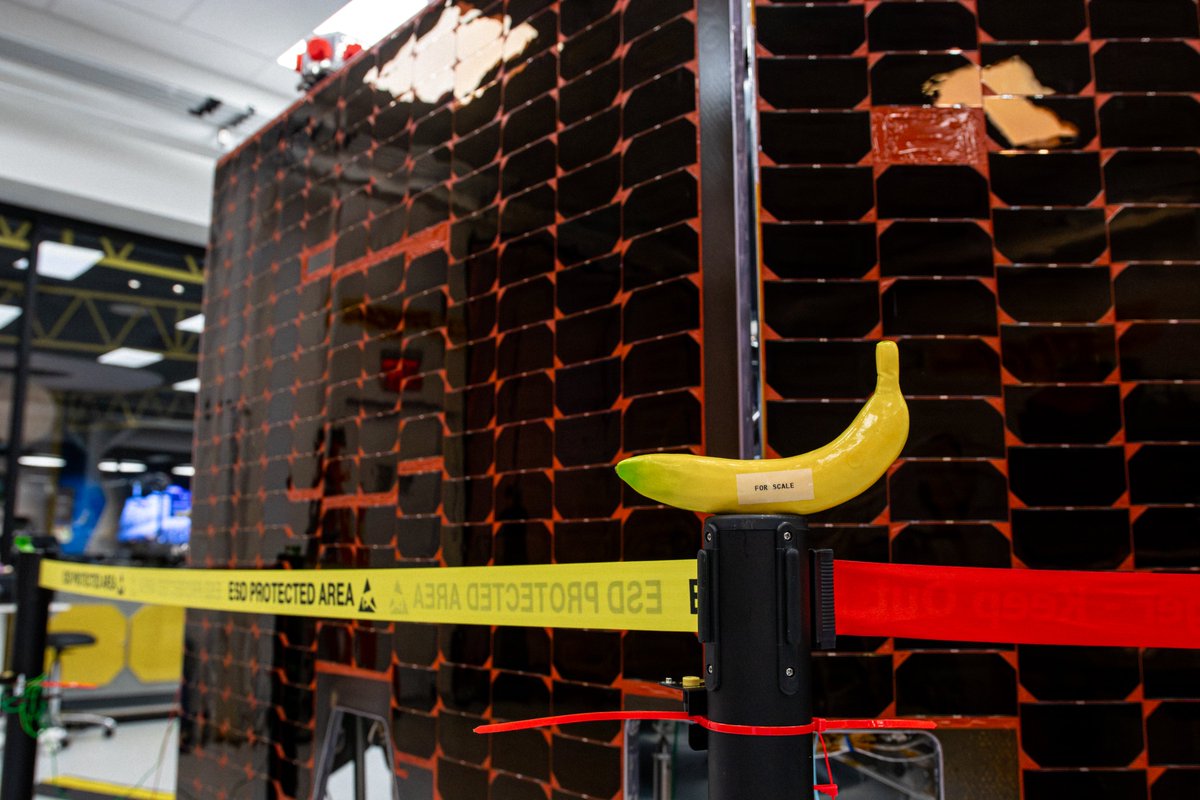
@BartoszEvin@GaryleeGray The solar arrays are also engineered to perform efficiently while using the lightest materials possible. In space missions, every ounce matters when it comes to overall performance and cost 🚀
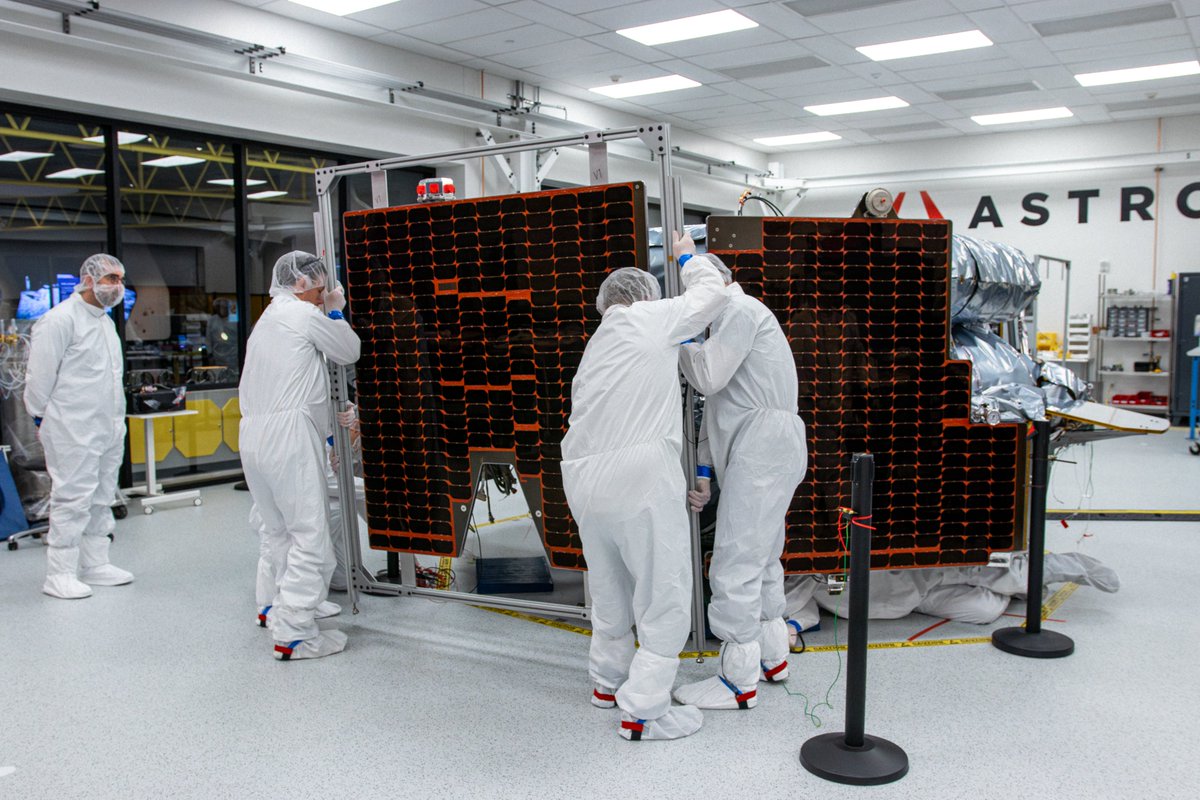
Three solar panels in, and the results are looking powerful⚡️(humans for scale). Griffin-1 is marching towards its departure for environmental testing, a critical phase that proves it’s ready to withstand the harsh conditions of launch and space.
.@astrobotic Technology reportedly broke a hotfire record on a more efficient rocket engine designed for cislunar and logistics missions.
https://t.co/lUhrZ78aUw
We fired a really cool rocket engine - and broke some records while we were at it. 🔥This Rotating Detonation Rocket Engine produced more than 4,000 pounds of thrust, and included a 300-second continuous burn, which is believed to have set the record for longest duration hot firing of an RDRE engine to date. Watch it fire:
https://t.co/dL1PgEplTQ
@GaryleeGray@SciGuySpace our eyes are set on our Xodiac and Xogdor rockets - plus, in the future, our lunar landers! We've got the imagination churning 😉
RDRE's use continuous detonation waves instead of steady combustion to extract more energy from the propellant & potentially reduce fuel consumption for the same thrust. This would help lower weight and improve performance. In aerospace, every ounce counts! More ounces available = send more science!