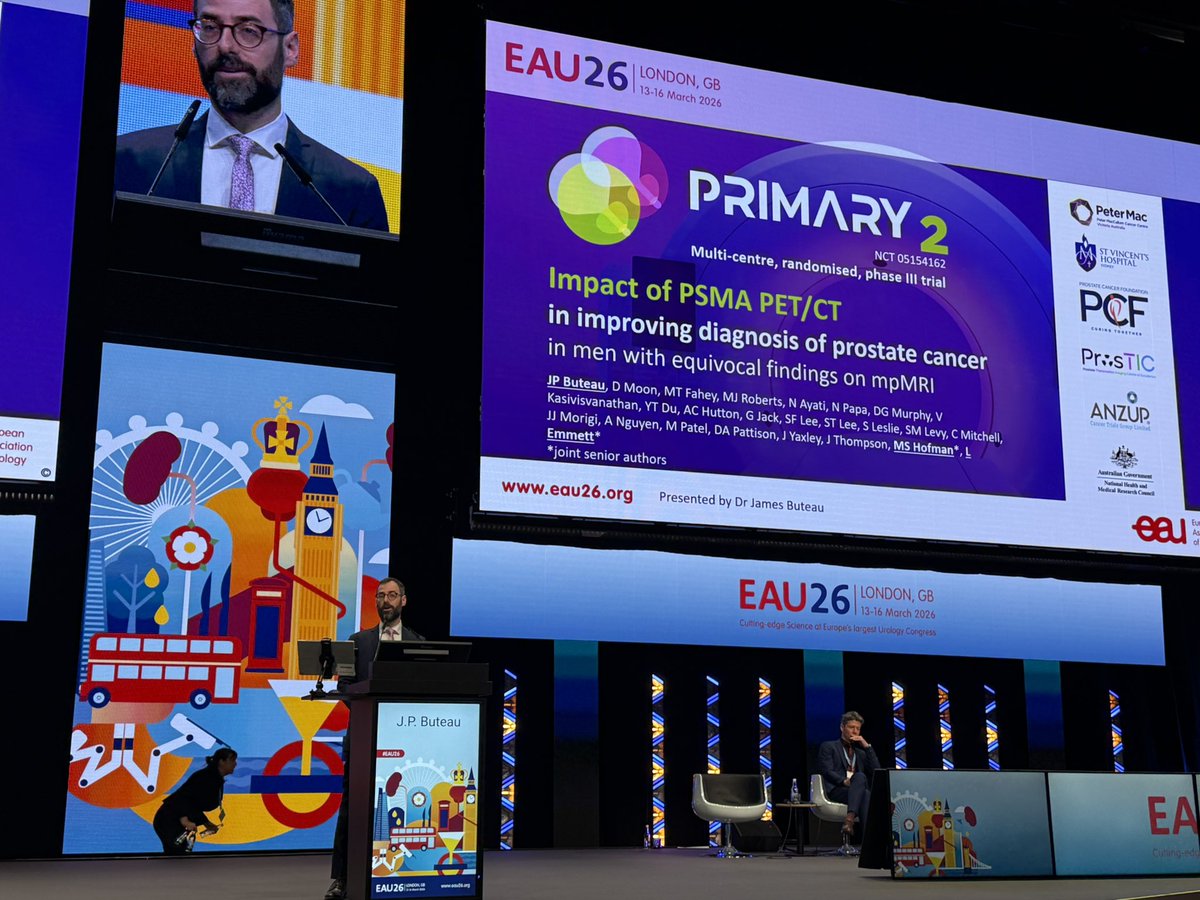
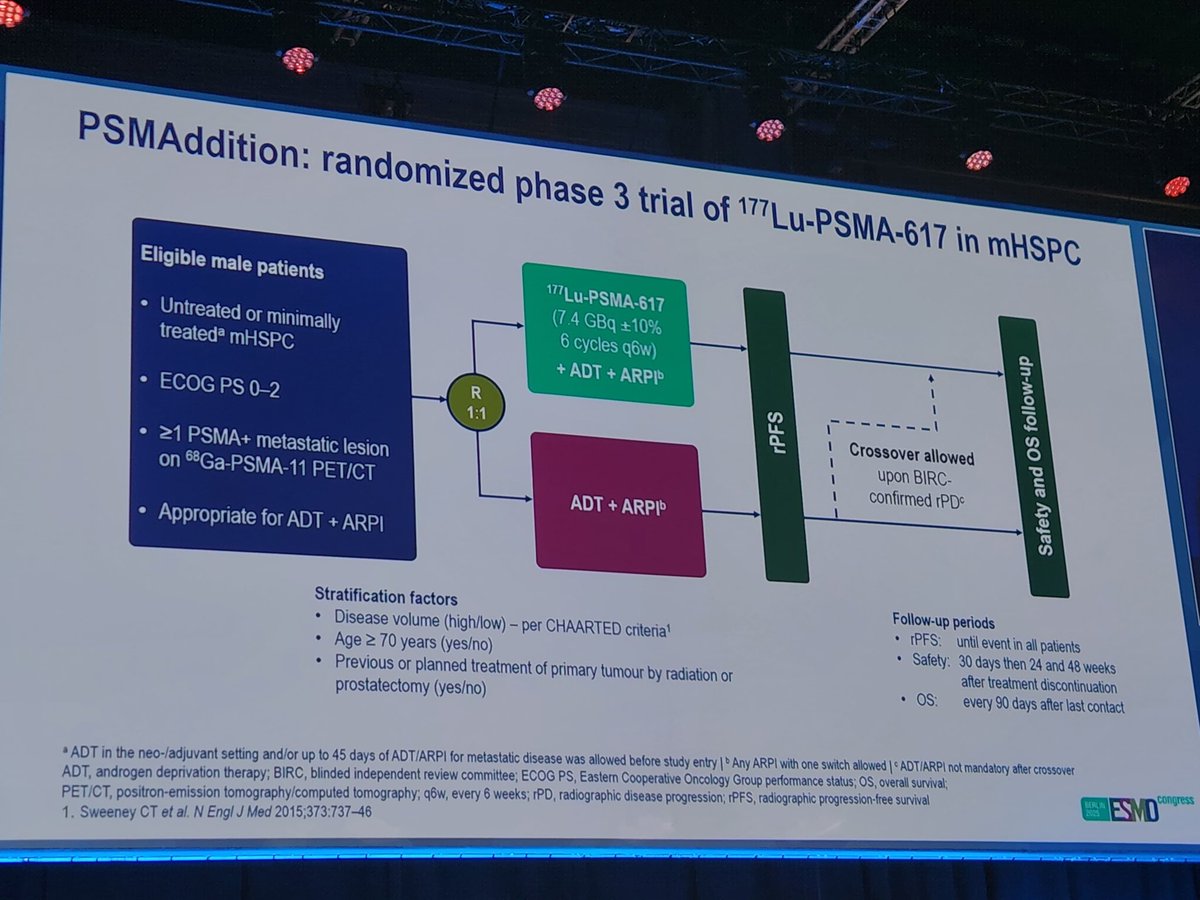
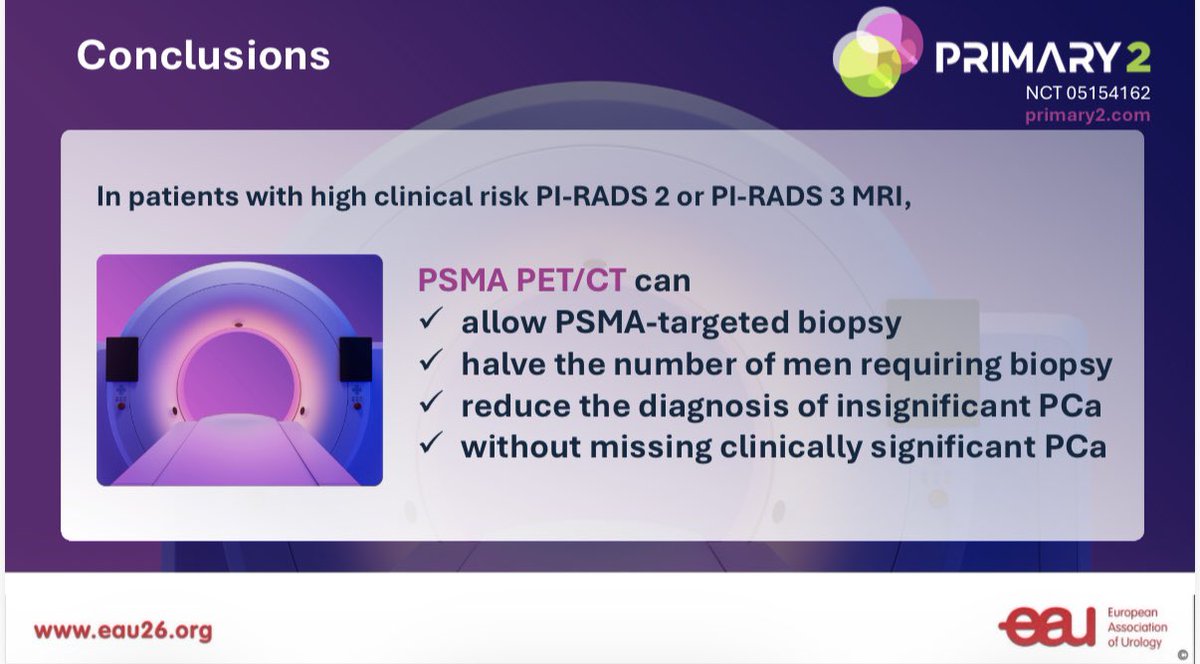
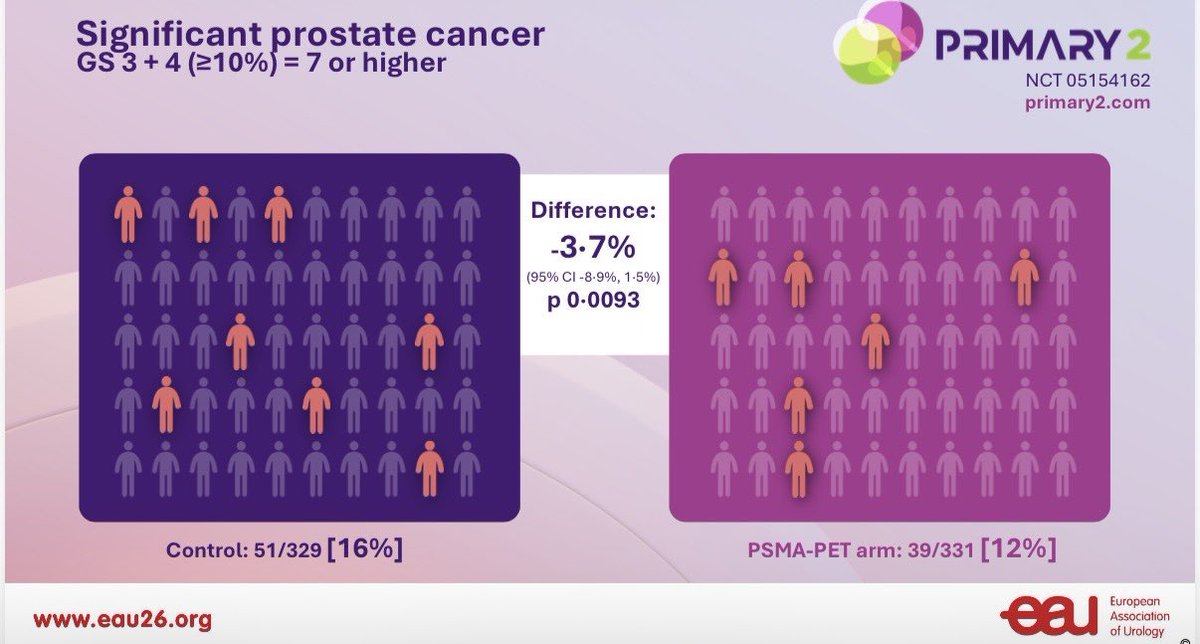
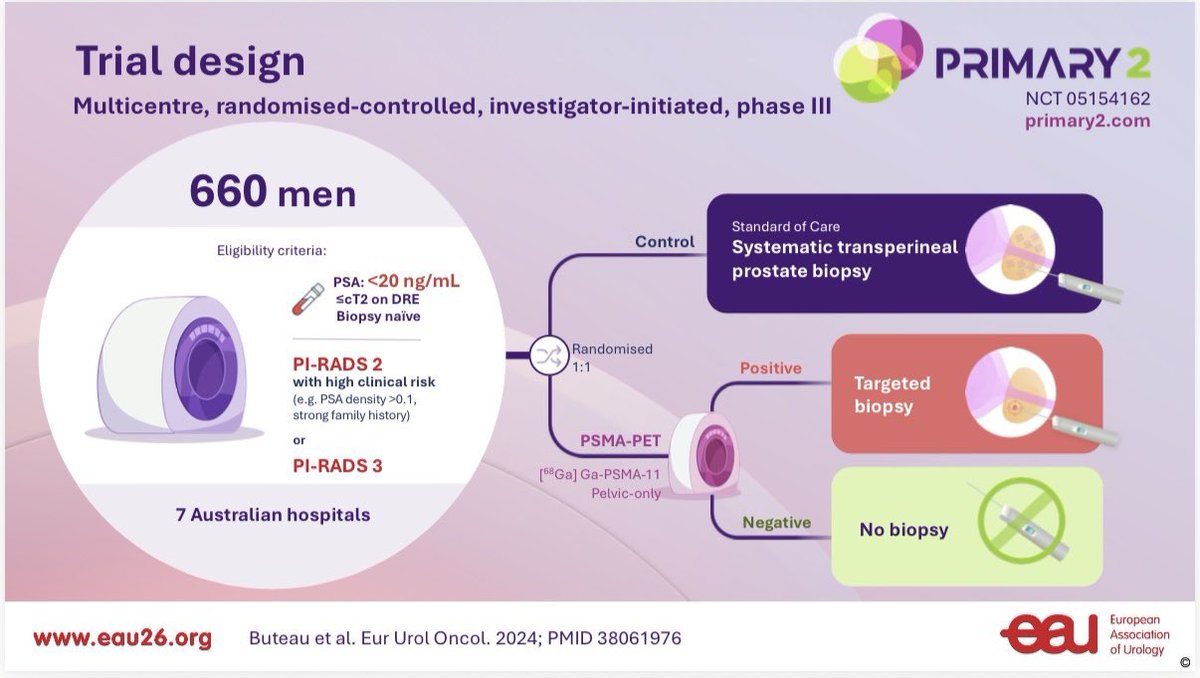
Thrilled to share #PRIMARY2 Trial Results. This is the first randomised trial to show that adding [⁶⁸Ga]Ga-PSMA-11 PET-CT to MRI can safely halve the number of men needing a prostate biopsy.
Hot off the press in @TheLancetOncol 🎉
In 660 men across Australian sites with PI-RADS 2-3 but high clinical risk, PSMA-PET:
- Avoided biopsy in nearly half (49%)
- Was non-inferior for detecting clinically significant cancer (12% vs 16%)
- Halved the overdiagnosis of insignificant cancer (32% to 14%)
Fewer biopsies, less overdiagnosis, whilst not missing clinically significant prostate cancer: a real step forward for the diagnostic pathway.
Enormous congratulations to @ButeauJames@PeterMacCC , who led this as the centrepiece of his PhD and presented it as a plenary at #EAU26 in London. And to my brilliant co-lead @drlouiseemmett - this was a true partnership across our two centres.
Thank you to the UROLOGISTS @DrDanielMoon@declangmurphy (& many others), nuclear medicine physicians, technologists, radiopharmaceutical scientists across every site, and to @AnnetteVDHeyden and the @pros_tic who held it all together.
We are grateful to our funders: @PCF_Science, @nhmrc, St Vincent's Curran Foundation, Peter MacCallum Cancer Foundation, and @ANZUPtrials
Most of all, thank you to the 660 men who took part.
Open Access article: https://t.co/S0c60VLPBM
Non-ASCO oncology news...
The randomized, noncomparative OCLURANDOM trial of Lu-177 DOTATATE vs. sunitinib is now out. As can be seen, the primary endpoint, PFS at 12 months, was 81% vs. 42% with sunitinib, the control arm. The ORR was 63% in the patients receiving PRRT, higher than seen in other studies and the ORR in the patients receiving sunitinib was 30%, much higher than the 9% seen in the NEJM 2011 trial.
This is a valuable addition to the literature but the trial design, randomized but noncomparative, needs to be kept in mind when comparing the arms.
https://t.co/73ufB50U7C
The AGITG CONTROL NETS is finally out in paper!
Does the CAPTEM-PRRT combo perform better than CAPTEM in patients with pancreatic NETs? Well, there is more in this paper than that but let's focus on the pNETs.
Bottom line: Complex trial, many moving parts, small cohort, does not and should not change practice.
More thoughts:
The study would suggest so with longer PFS in the PRRT/CAPTEM but the bigger question is how patients who got PRRT alone compare but that was not done here. Keep also in mind that the number of treated patients was very small.
The PFS in the PRRT/CAPTEM group was 59.4 months which is very impressive (For PRRT alone reference, it was 20.7 months in OCLURANDOM and 24.5 months in COMPETE).
There were only 2 patients (3%) among those who had PRRT who developed therapy-related myeloid dysplasia which is reassuring but also goes against what others have reported where the risk is as high as 10%.
Will this change anything for me? Absolutely not as I would need larger studies to be convinced and also, I am not sure the therapy sequencing matters that much as long as you get all the effective therapy during the illness.
But what this study does is to help revive the concept of chemo-PRRT and support the development of other trials looking at combining PRRT with systemic therapy and @AmanChauhanMD, I am looking at you now... 😉
https://t.co/jY7X4snvPq
Today in @Nature, we report MouseMapper: foundation-model AI to map disease perturbations across the entire mouse body cell-by-cell.
In obesity, it revealed body-wide inflammation & unexpected facial nerve damage. 🧵👇🔉
https://t.co/BERf5GQ10Z led by @Dorie00 & @yingchen733
🌟New study in Nature Cancer evaluates the clinical significance of early PSMA upregulation in patients with metastatic castrate-resistant prostate cancer treated with enzalutamide with or without 177Lu-PSMA-617.
by @drlouiseemmett & colleagues
https://t.co/j9sTmjhNbh
The PRINCE trial of Lu-177 PSMA-617 in combination with pembrolizumab has just been published @TheLancetOncol - see first comment for the link.
>50% decline in PSA was observed in 76%, with >90% decline in 46%.
There was more toxicity with the addition of immunotherapy including cases of colitis, pancreatitis , pneumonitis, type 1 diabetes, nephritis, myasthenia gravis, optic neuritis and mucosal pemphigus.
I think Lutetium-177 PSMA "combinations" is the future of radioligand therapy, but this combination has significant toxicity. Is there a subset of biologically susceptible cancer where this combination makes sense?
Thanks to @SandhuShahneen@PeterMacCC for leading this trial, and all the other investigators across multiple sites including @drlouiseemmett.
🧬 RECALIB RET
💊 Selpercatinib vs SoC (RWE EC, LIBRETTO-001) in RETmt MTC
📊 1L PFS: NR vs 26.1 mo 🔥 (p<0.001)
📊 ≥2L: signal lost post-PSM
📉 Matching attrition: −30% (1L) / −78% (≥2L)
🔎 RWE EC arms ↑ relevance
💡 Strong 1L support for selpercatinib
🔗 https://t.co/lhcOTKPx9X
@OncoAlert
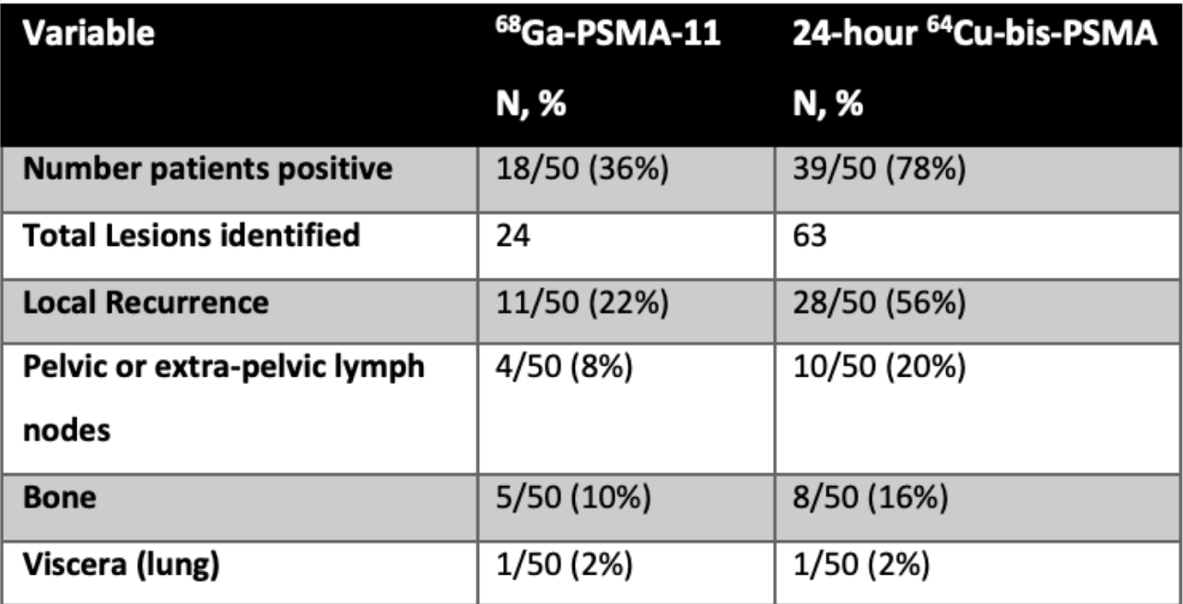
Co-PSMA trial #EAU26 ⁶⁴Cu-SAR-bis-PSMA PET/CT vs ⁶⁸Ga-PSMA-11 after RP (PSA 0.2–0.75 ng/mL) @urotoday@drlouiseemmett
• Detection: 78% vs 36%
• Mean lesions/patient: 1.26 vs 0.48 (p<0.0001)
• True positive rate: 71% vs 29%
Imaging changed management in 44% of pts
🚨 Gamechanger #PRIMARY2 RCT #EAU26, presented and in press @TheLancetOncol. PSMA-PET CT in men with equivocal or -ve MRI but red flags results reduces biopsy by 49% and has non-inferior csPCa detection to template biopsy in all. Proud to be part of this🚨
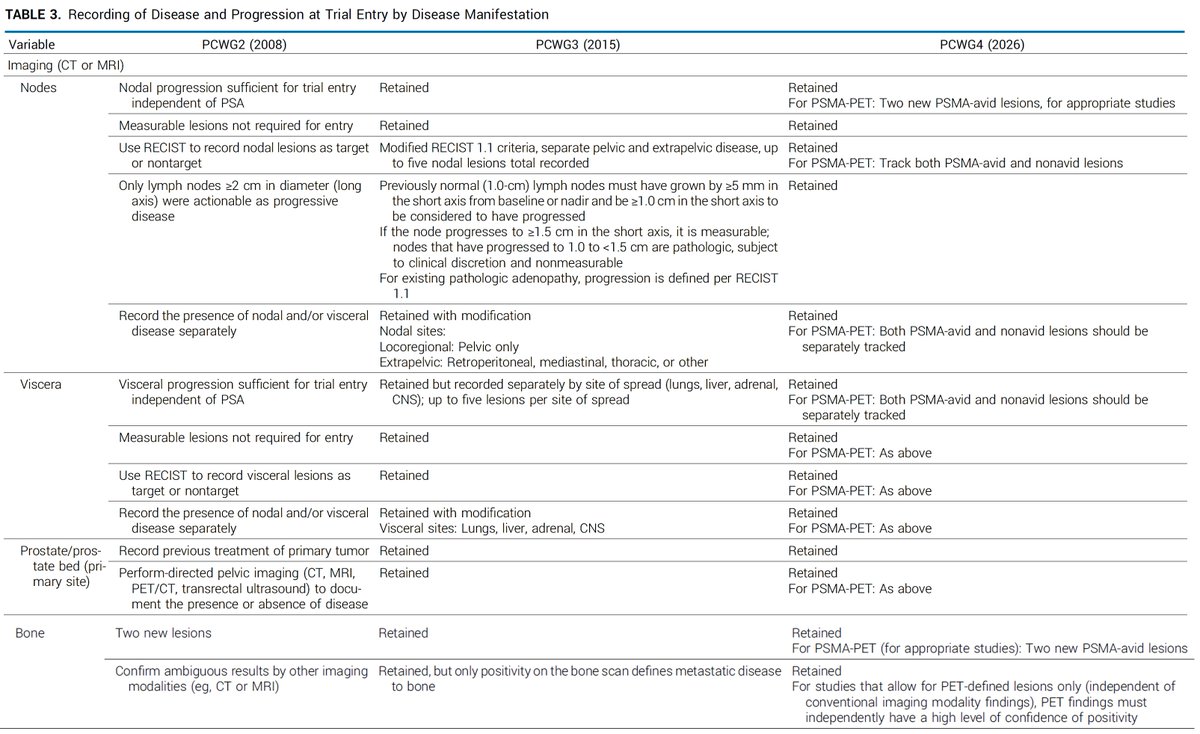
PCWG4 is launched: https://t.co/0IA8ltzxlG
Imaging response is expanded to include PSMA PET/CT.
In the future, patient may have 1 scan (PSMA PET with CT) rather than two scans (CT+ bone scan). All my nuclear colleagues will be happy to retire the bone scan.
@AarmstrongDuke
📢 Big win for @GrupoGetne !
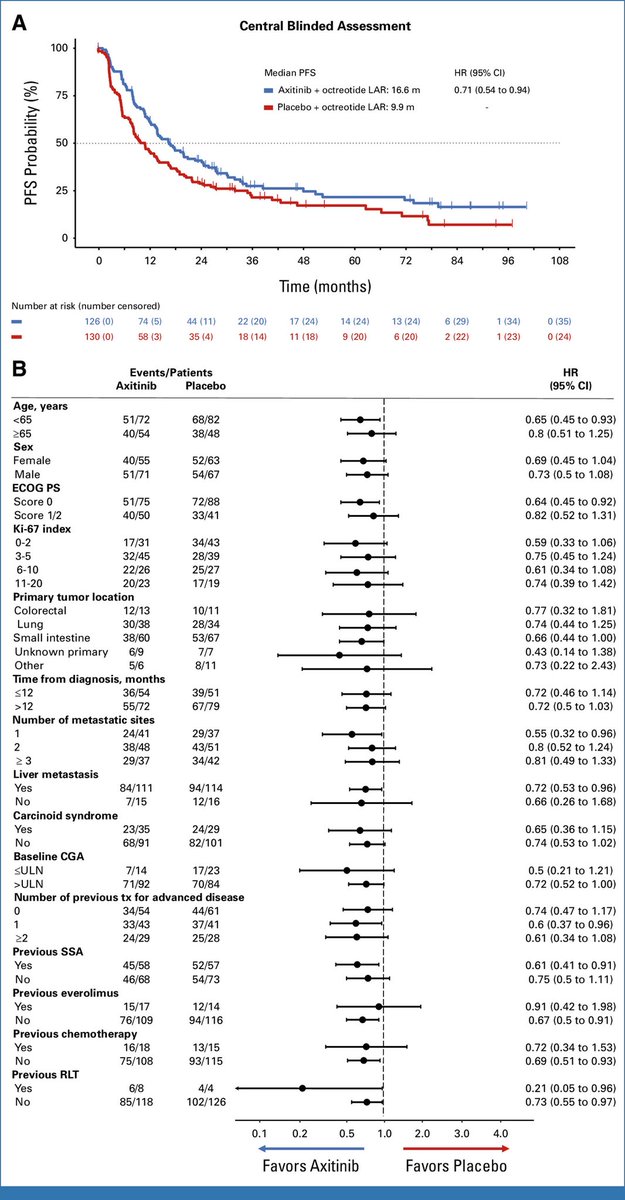
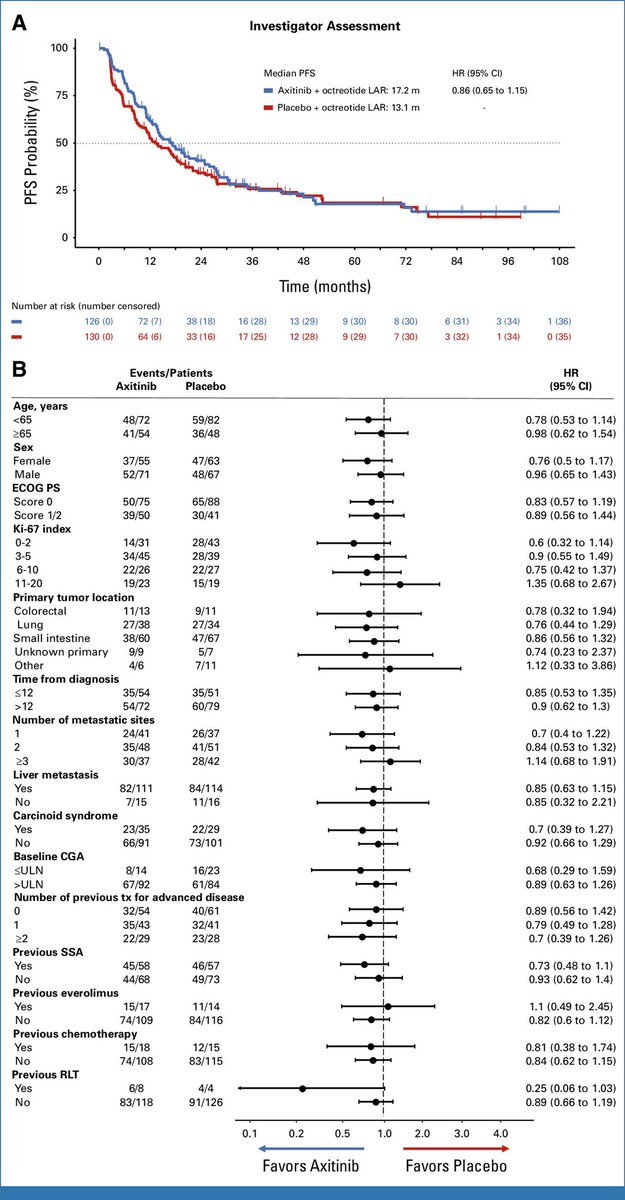
AXINET: Phase III in G1–2 epNETs (n=256)
🧬 Axitinib + oct LAR vs PBO + oct LAR
📈 INV PFS 17.2 vs 13.1 mo (HR 0.86, p=NS). BICR PFS 16.6 vs 9.9 mo (HR 0.71; p=0.017)
🎯 BICR ORR 12.8% vs 3.2%
⚖️ Manageable safety (G≥3 HTN 24%)
Advancing anti-angiogenic strategies in epNETs.
🔗 https://t.co/tJDQn057Ke
Presenting data from the largest integrated thyroid cancer single-cell sequencing atlas
Here, Matthew Loberg @LobergMatthew, Vivian L. Weiss @DrVivianWeiss & team @VUMChealth highlight stromal tumor-dynamics occurring across the spatial evolution of #thyroid #cancer from indolent to lethal disease, identifying a prognostic invasive cell subtype: https://t.co/j0falx3gSH
The figure shows two distinct patterns associated with anaplastic thyroid carcinoma.
🔊🔊 SEQTOR trial finally published!!! Amazing international effort led by @RamonSalazarS and our great @GrupoGetne 🙌🏼🦾 @VHIO@vallhebron@ICO_oncologia Streptozotocin plus 5-fluorouracil followed by everolimus or the rever... https://t.co/P3Pw8jy3Qx
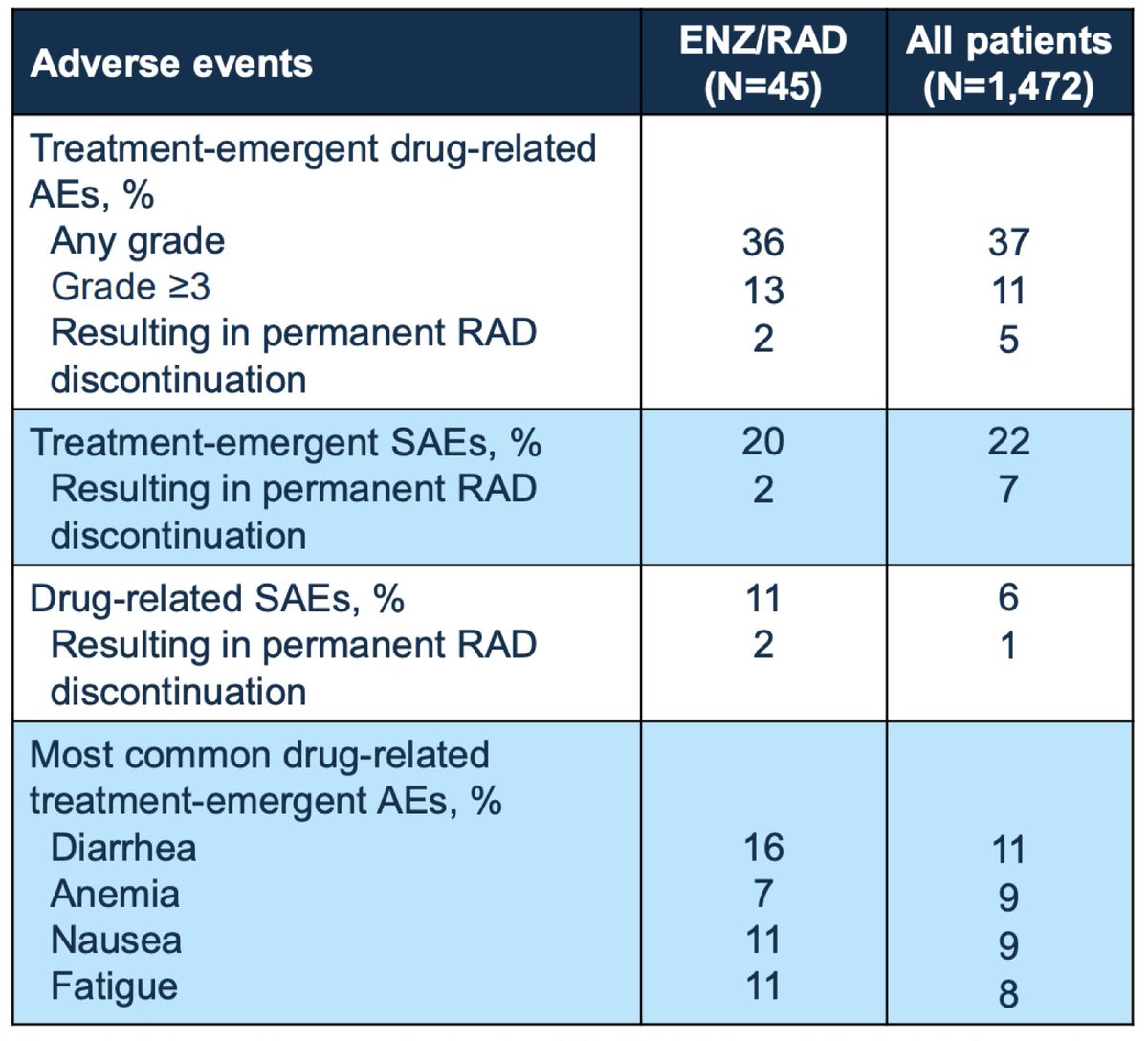
REASSURE: Combining Ra-223 + Enza in RW mCRPC pts @urotoday#ESMO25
🌀n=1,472; n=45 Ra-223 + Enza (within 30d)
All pts vs Ra-223 + Enza:
🌀Any Gr AE: 37% vs 36%
🌀TE sAEs: 22% vs 20%
🌀Drug-related sAEs: 6% vs 11%
🌀mOS: 15.6 vs 19.3 mos












![DrMHofman's tweet photo. Thrilled to share #PRIMARY2 Trial Results. This is the first randomised trial to show that adding [⁶⁸Ga]Ga-PSMA-11 PET-CT to MRI can safely halve the number of men needing a prostate biopsy.
Hot off the press in @TheLancetOncol 🎉
In 660 men across Australian sites with PI-RADS 2-3 but high clinical risk, PSMA-PET:
- Avoided biopsy in nearly half (49%)
- Was non-inferior for detecting clinically significant cancer (12% vs 16%)
- Halved the overdiagnosis of insignificant cancer (32% to 14%)
Fewer biopsies, less overdiagnosis, whilst not missing clinically significant prostate cancer: a real step forward for the diagnostic pathway.
Enormous congratulations to @ButeauJames @PeterMacCC , who led this as the centrepiece of his PhD and presented it as a plenary at #EAU26 in London. And to my brilliant co-lead @drlouiseemmett - this was a true partnership across our two centres.
Thank you to the UROLOGISTS @DrDanielMoon @declangmurphy (& many others), nuclear medicine physicians, technologists, radiopharmaceutical scientists across every site, and to @AnnetteVDHeyden and the @pros_tic who held it all together.
We are grateful to our funders: @PCF_Science, @nhmrc, St Vincent's Curran Foundation, Peter MacCallum Cancer Foundation, and @ANZUPtrials
Most of all, thank you to the 660 men who took part.
Open Access article: https://t.co/S0c60VLPBM](https://pbs.twimg.com/media/HKfTz0oWkAAqe31.jpg)