🚨 NEW ASCO 2026 Living Guideline: HR+/HER2− Stage I–III Breast Cancer
A few recommendations worth bookmarking 👇
🔹 Endocrine therapy remains the backbone of systemic treatment.
🔹 Low ER expression (<10%), stage II–III: neoadjuvant treatment may follow a TNBC-style regimen with taxane + carboplatin + anthracycline + pembrolizumab.
🔹 Neoadjuvant CDK4/6 inhibitors: insufficient evidence for routine use.
🔹 Adjuvant CDK4/6:
• Abemaciclib × 2 y for monarchE-eligible patients
• Ribociclib × 3 y for NATALEE-eligible patients
📌 ASCO suggests using absolute risk to guide CDK4/6 treatment:
25% 10-y breast cancer mortality risk → recommend
10–25% → consider
<10% → generally do not recommend
⭐ If eligible for both, the Panel favors abemaciclib over ribociclib, citing shorter treatment duration + demonstrated OS benefit.
🧬 High-risk germline BRCA1/2 or PALB2 → offer 1 year adjuvant olaparib; ASCO prioritizes olaparib over CDK4/6 inhibition when both apply.
Verdict: Early HR+/HER2− breast cancer management is becoming increasingly risk-adapted, genomically informed, and targeted.
@ASCO@OncoAlert #BreastCancer #Oncology
🧬 Should TP53 co-mutation push us toward upfront chemotherapy in EGFR-mutant NSCLC?
A randomized phase III trial suggests YES: in EGFR + TP53 co-mutated advanced NSCLC, adding chemotherapy to osimertinib more than doubled median PFS.
📌 Study
294 treatment-naïve patients with stage IV/recurrent nonsquamous NSCLC, EGFR Ex19del/L858R + concurrent TP53 mutation.
🔹 Osimertinib + carboplatin/pemetrexed ×4 → osimertinib + pemetrexed maintenance
vs
🔹 Osimertinib alone
📊 Key results
🔥 mPFS: 34.0 vs 15.6 months
HR 0.44 (95% CI 0.32–0.60), P<.001
🎯 ORR: 82.9% vs 71.6%
⏳ Duration of response: 32.7 vs 15.3 months
👀 Interim OS:
48.4 vs 36.5 months
HR 0.57 (95% CI 0.38–0.88)
But OS remains immature at only 30.6% maturity.
⚠️ The price: toxicity
Grade ≥3 TRAEs: 62.4% vs 14.9%
1 treatment-related death occurred with combination therapy.
💡 Why it matters
This is prospective randomized evidence that TP53 may help identify the high-risk EGFR-mutant population most likely to justify upfront treatment intensification, rather than giving chemotherapy to every patient with EGFR-mutant disease.
⚠️ Limitations
Single-region Chinese study, open-label design, immature OS and additional genomic/resistance analyses still pending.
✅ Clinical verdict: PROMISING & potentially practice-informing
EGFR alone tells us what to target.
TP53 may increasingly tell us how aggressively to target it.
@ASCO@oncoalert
#LungCancer #NSCLC #EGFR #Oncology
ATOMIC finally published, bringing immunotherapy into the non-metastatic MSI-H adjuvant CRC setting.
We’ve been treating these patients with FOLFOX because we had to. Not because anyone wanted to (Sargent et al showed 5-FU alone is downright harmful).
But at the same time, the rest of the field is moving fast… and not necessarily in the same direction.
Here’s what ATOMIC shows:
Population
• Resected stage III dMMR/MSI-H colon cancer
• More than half high-risk (T4 and/or N2)
Design
• FOLFOX + Atezo VS FOLFOX alone
Efficacy
• 3-year DFS ~86% vs ~76%
• HR ~0.50
• About a 10% absolute improvement
Toxicity
• Higher grade 3-4 events with the combination
• More immune-related tox (duh)
Overall survival maturing
On its face, this is practice-changing. IO plus chemotherapy is the new TEXTBOOK default for stage III MSI-H disease.
But things are moving very fast in the MSI-H space.
We now have two competing signals:
• ATOMIC: adding IO improves DFS after surgery
• Neoadjuvant MSI-H data: some patients may not need chemo, or even surgery
And one major elephant in the room:
Atezolizumab has consistently underperformed compared to PD-1 agents in MSI-H CRC.
Bottom line
ATOMIC changes practice today.
But most people are moving to neoadjuvant.
And if they aren't? Well, they probably should be looking very carefully at their PD1/PDL-1 choice in CRC...
@TheGutOncLab@OncoAlert@Onco_Nexus
https://t.co/yaIzhCLmjh
1/n
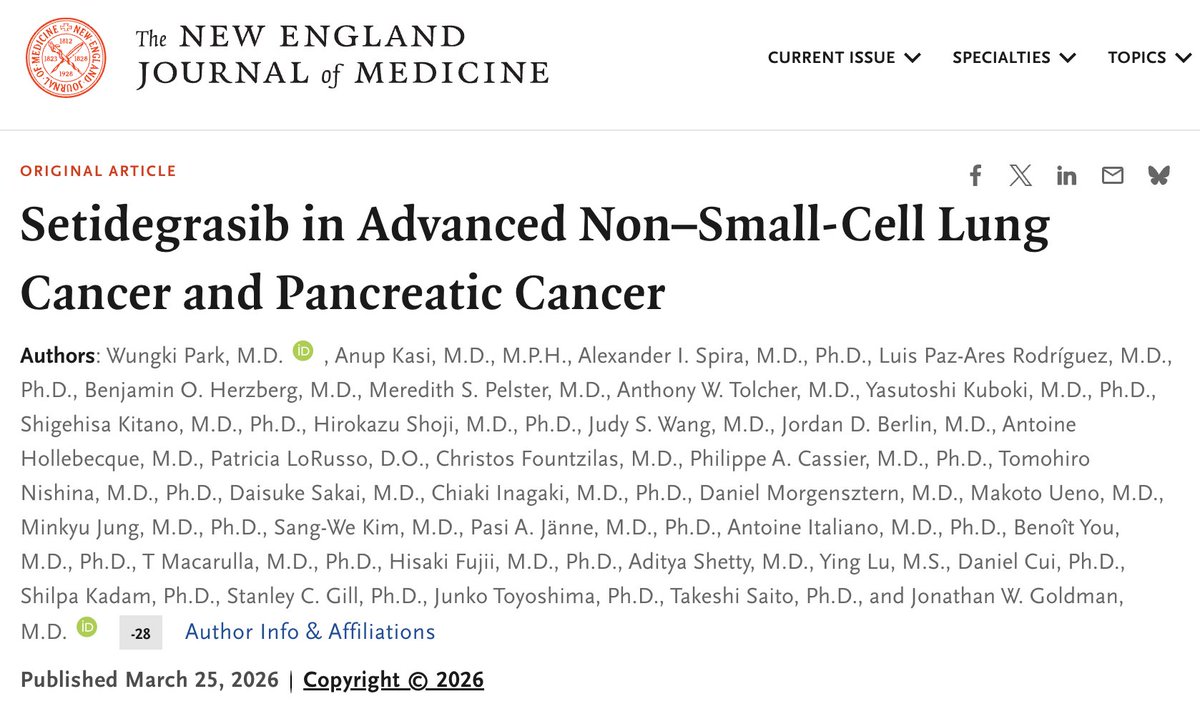
Setidegrasib the first-in-human, first-in-class, KRAS G12D-targeted protein degrader #TPD
Our KRAS G12D degrader study is now published in the New England Journal of Medicine @NEJM
https://t.co/8Juil6VN42
A new way to target KRAS G12D - one of the most common oncogenic drivers across cancers.
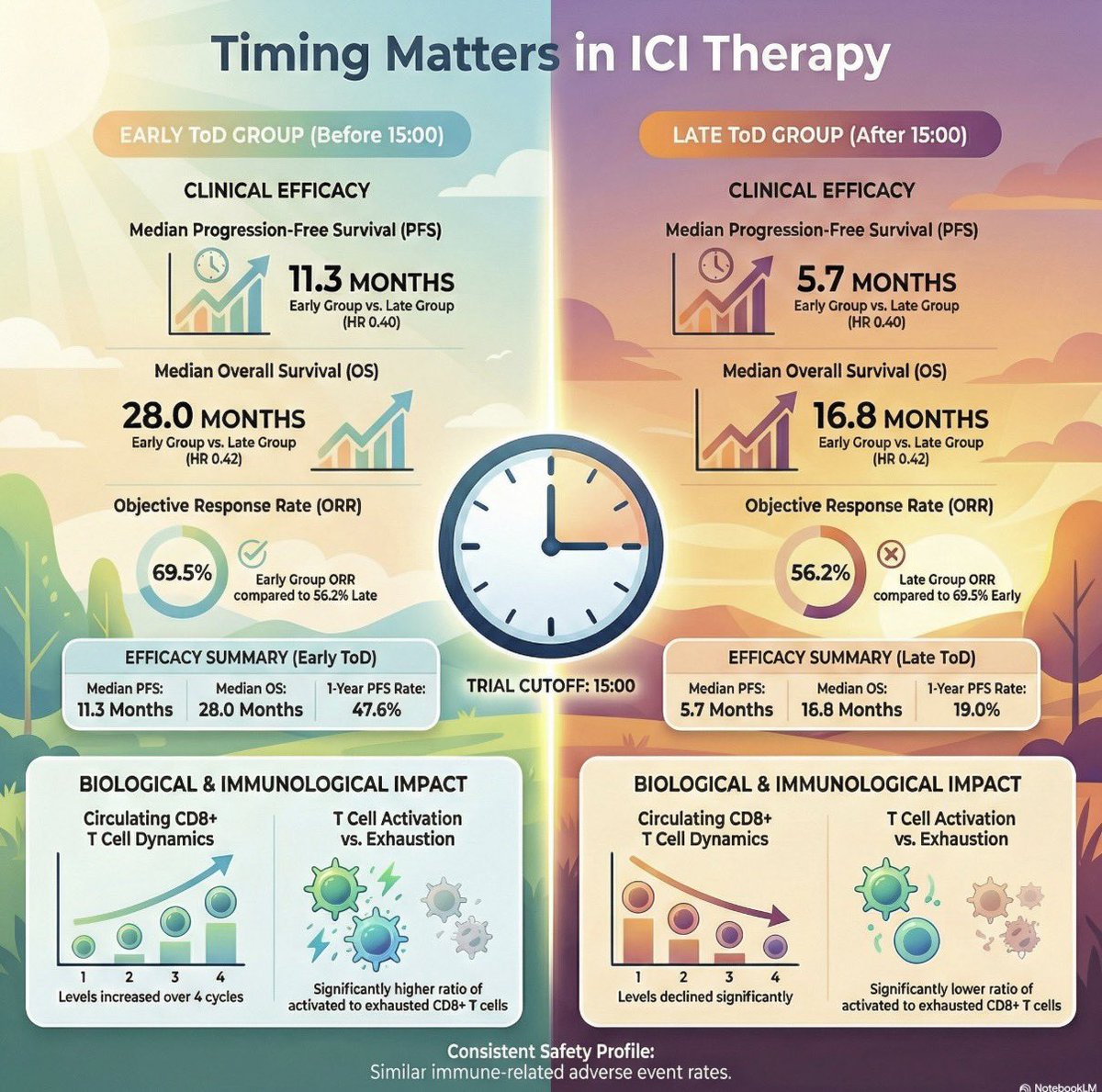
【🌞 Timing Matters in ICI Therapy🌛】
⏰Immunotherapy before 3 PM doubles PFS in NSCLC patients
🇨🇳Phase Ⅲ Lung TIME-C01 Trial
📚Nat Med 2026
https://t.co/xmgdwGJPDc
🔑Key Results
📈 Morning/Early afternoon ICI infusions (<3 PM) doubled median PFS (5.7 to 11.3 mos)
📊 OS improved from 16.8 to 28.0 mos (HR 0.42)
🔬Enhanced anti-tumor CD8+ T cell profiles observed in the early ToD group
💰A cost-neutral strategy with no new safety signals
🤔 Practice-changing?
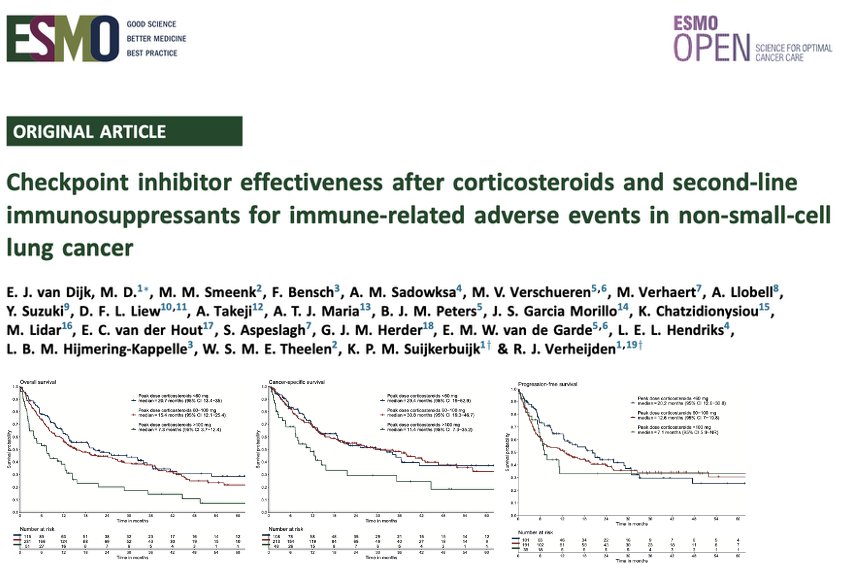
Checkpoint inhibitor effectiveness after corticosteroids and second-line immunosuppressants for irAEs in NSCLC in @ESMO_Open. High steroid peak dose associated with reduced survival, but not cumulative dose/2nd line immunesuppression. https://t.co/36GhbzCHlc
HER2+ eBC: Do we still need carboplatin in neoadjuvant TCHP?
New phase III neoCARHP suggests: maybe not 👀
🧠 Core idea:
Taxane + trastuzumab + pertuzumab (THP) can achieve similar pCR to TCHP, with less toxicity.
🧪 Trial snapshot (stage II-III HER2+ early BC, n=774)
🟦 THP × 6 cycles (taxane + H + P)
🟥 TCHP × 6 cycles (taxane + carbo + H + P)
📌 Primary endpoint: pCR (noninferiority met)
✅ pCR 64.1% (THP) vs 65.9% (TCHP)
Δ -1.8%, OR 0.93, P(noninferiority)=0.0089
🧬 Subgroups stayed consistent
HR+ 👉 56% vs 59%
HR- 👉 78% vs 78%
⚠️ Safety win (biggest headline)
Grade 3-4 AEs: 20.7% (THP) vs 34.6% (TCHP)
Serious AEs: 1.3% vs 4.7%
Less anemia, N/V, neutropenia, thrombocytopenia with THP ✅
🎯 Clinical takeaway:
For lower or moderate-risk HER2+ disease, carboplatin-free THP may be a strong de-escalation strategy…
…but we still need EFS/OS maturity, especially for stage III.
🔖 Save this for tumor board debates.
📖 Full paper in comment ⬇️
#OncoTwitter #MedTwitter #BreastCancer #HER2positive
@OncoAlert@myesmo@esmo_open@ASCO
Adjuvant chemotherapy works in colorectal cancer… right? 🤔
When it comes to resectable colorectal liver metastases, the answer may be more complicated than we like to admit.
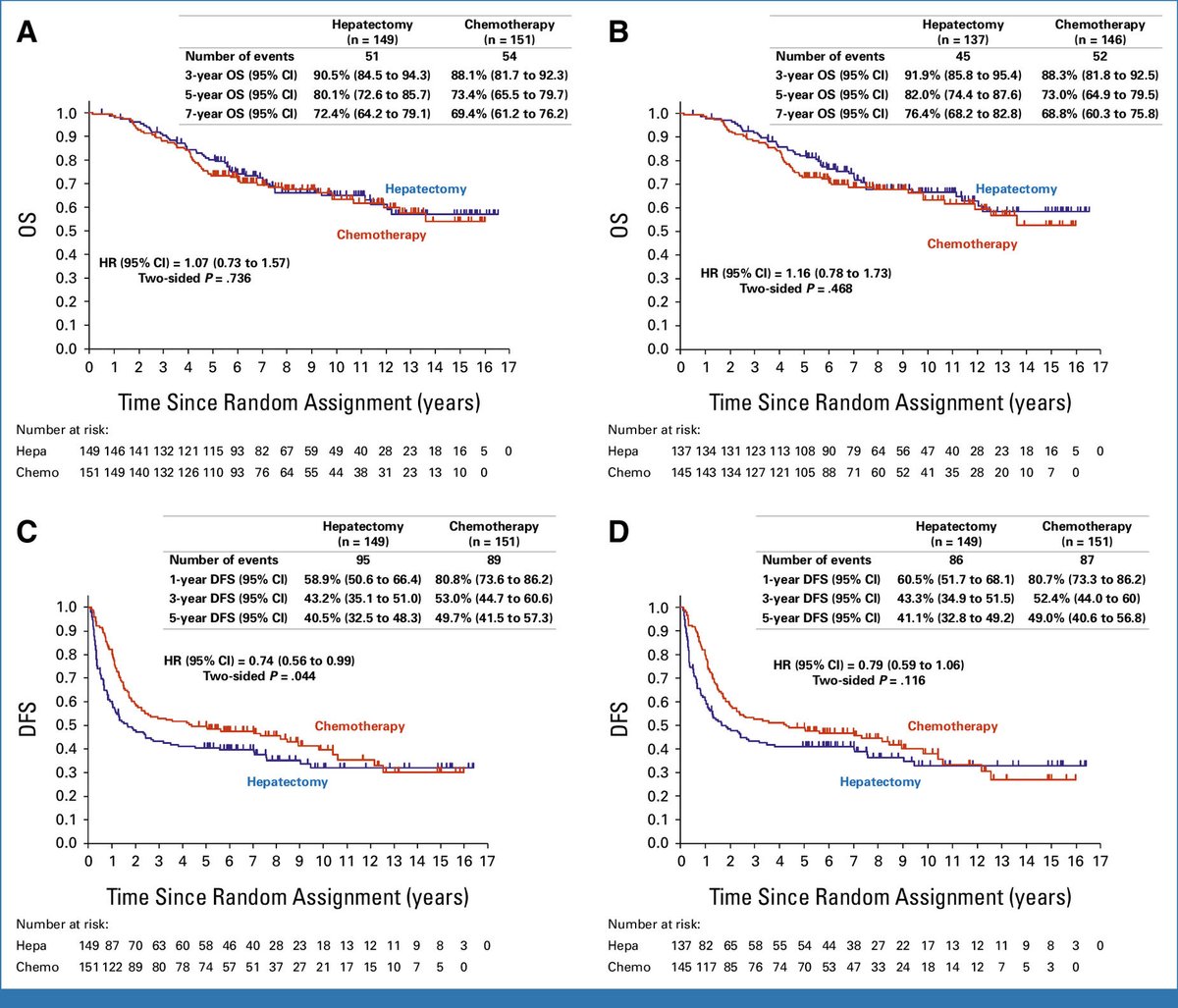
JCOG0603 was the first randomized trial to test adjuvant doublet chemotherapy after hepatectomy in CRLM. The headline result was familiar: adjuvant mFOLFOX6 improved disease free survival. But with long term follow up, overall survival has told a different story. There was no OS benefit compared with surgery alone, despite years of additional follow up. This mirrors what we have already seen with EORTC 40983 and New EPOC.
Why the disconnect?
• The trial was powered for DFS, not OS
• Oxaliplatin alters liver parenchyma, making CT based DFS a potentially unreliable surrogate
• Patients in the surgery only arm had more effective salvage surgery and greater reuse of oxaliplatin at recurrence
• Toxicity mattered, with high rates of severe neutropenia, poor chemotherapy completion, and even rare treatment related death
The bigger lesson is uncomfortable but important. In resectable colorectal liver metastases, delaying radiographic recurrence does not necessarily translate into living longer or living better. Post recurrence management, surgical salvage, and tumor biology may matter far more than perioperative chemotherapy intensity.
For me, this argues against routine adjuvant mFOLFOX after hepatectomy and toward more selective, biology driven decision making 🧬
At the same time, this is not an easy “don’t treat” scenario. We lack clearly superior alternatives, and choosing not to give systemic therapy in a high risk disease is hard for clinicians and patients alike.
If anything, JCOG0603 highlights the real unmet need in CRLM: better studies, better biomarkers, and better drugs. This disease keeps surprising us, and this is one of the most important reminders why.
@OncoAlert@TheGutOncLab
https://t.co/dbCFtf1Zft
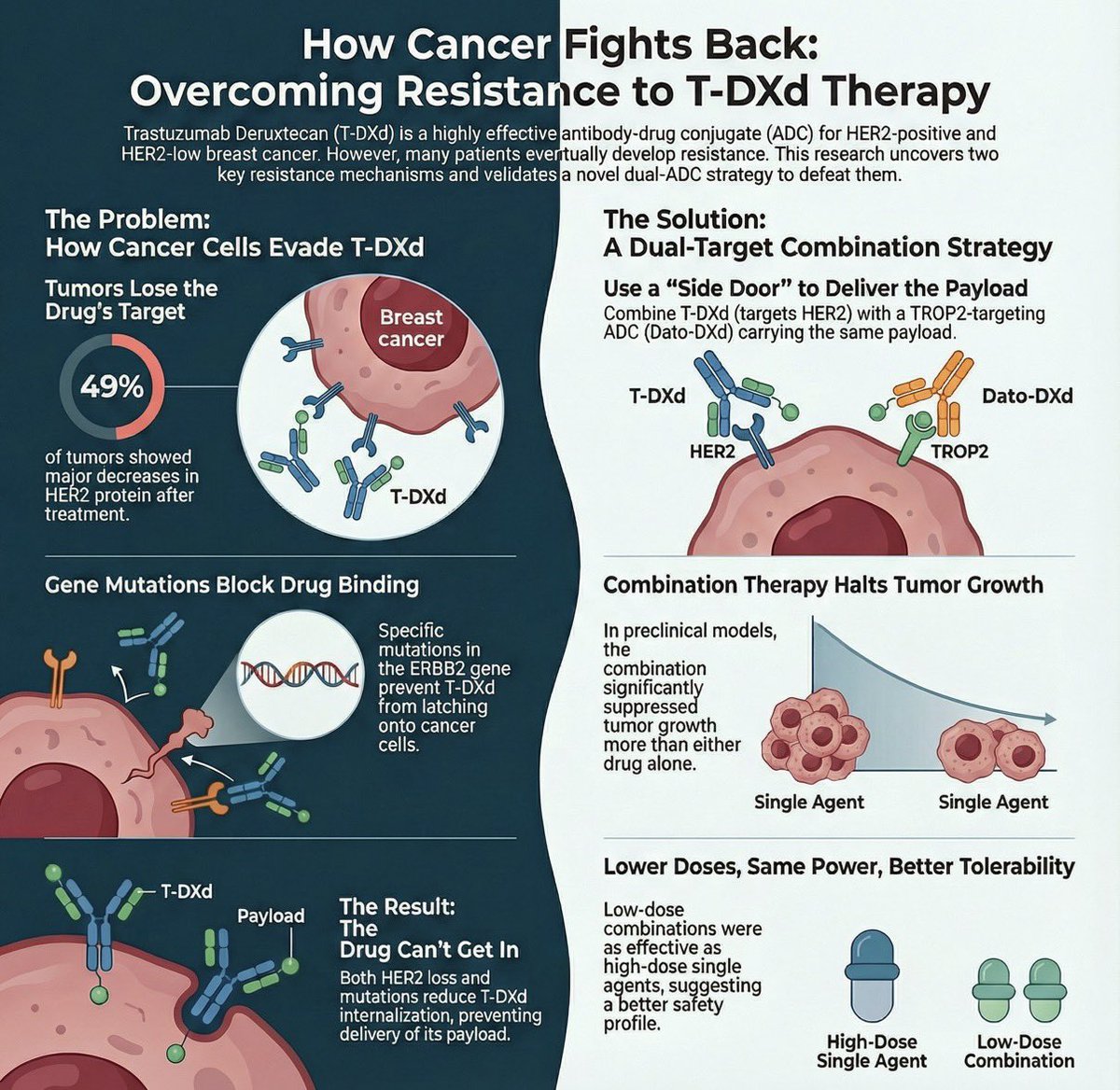
【T-DXdの耐性メカニズム】
🔍Mechanisms of T-DXd resistance unveiled: HER2 loss & binding mutations, overcome by dual-ADC combo.
📚Cancer Discov 2025
https://t.co/i60pXhYpLy
🔑Key Results
🔬 Major decrease in HER2 expression observed in 49% of T-DXd resistant cases; 52% of those had complete loss
🧬 Rare ERBB2 extracellular domain mutations (e.g., V597M) impair T-DXd internalization
📈 Low-dose combo of T-DXd + Dato-DXd (shared payload) outperformed high-dose monotherapy in models
🗣️Discussion
🤔 HER2 loss is driven by selective pressure, esp. in HER2-low tumors
⚠️ Binding mutations are rare but critical for intrinsic resistance despite high expression
💡 Combining ADCs with distinct targets but shared payloads offers a strategy to enhance delivery & limit toxicity
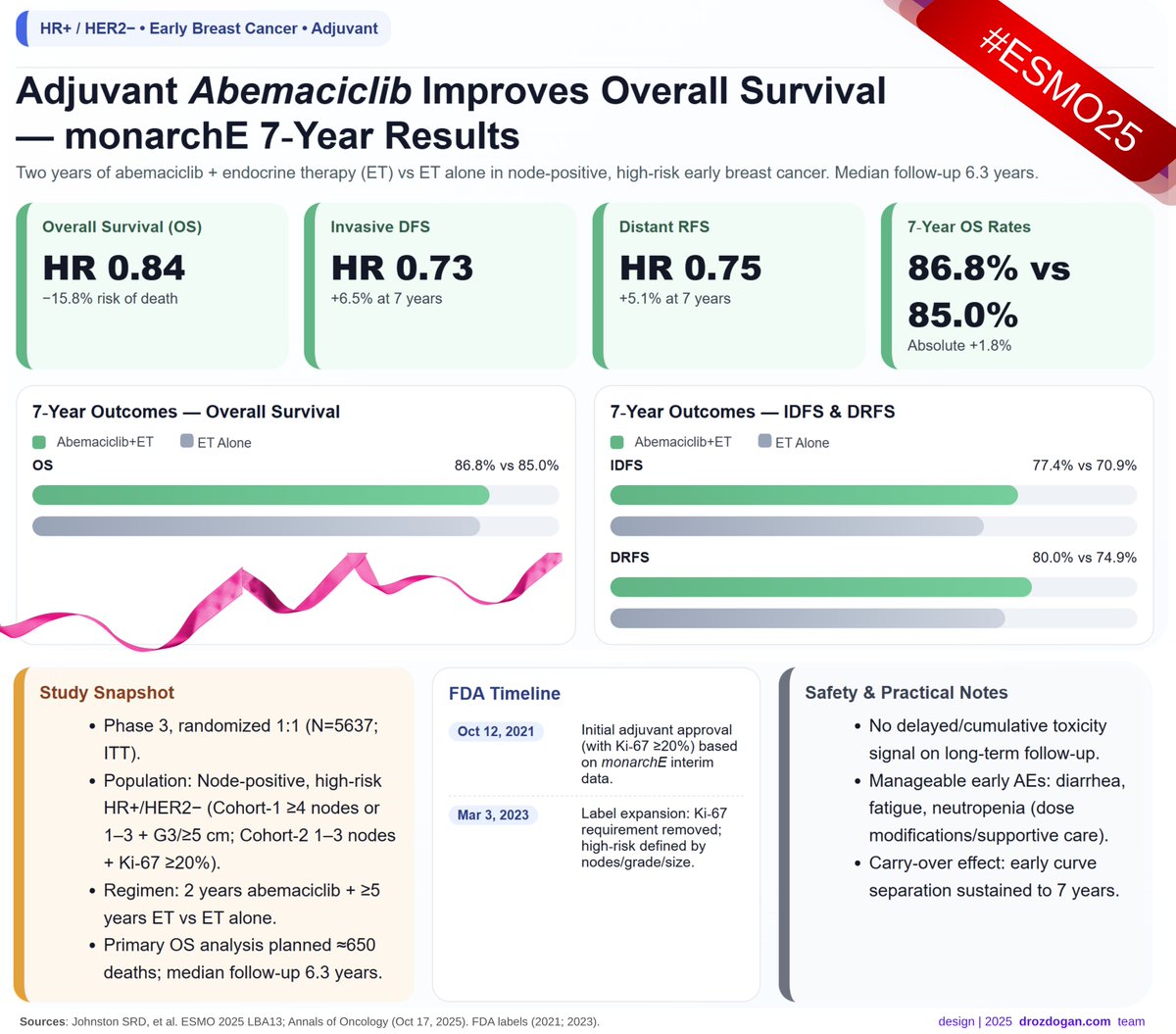
For the first time, a CDK4/6 inhibitor shows a statistically significant and clinically meaningful OS benefit in the adjuvant setting.
Adj CDK4/6 inh in HR+/HER2– early breast cancer is here to stay — but not for everyone.
Both monarchE (abemaciclib, 7-year OS benefit) and NATALEE (ribociclib, 5-year iDFS benefit) have reshaped the adjuvant landscape.
✅ monarchE: HR for OS 0.84; sustained IDFS/DRFS gains → early micrometastatic suppression with a durable carry-over effect.
✅ NATALEE: HR for iDFS 0.71; broader inclusion (N0–N+), lower dose (400 mg × 3 years), favorable tolerability.
Yet, these are not “treat-all” signals.
🔹 The absolute benefit remains modest for lower-risk or node-negative cases.
🔹 Long-term toxicity, adherence, and cost-effectiveness data will define real-world value.
Bottom line: Adj CDK4/6 inhibition should be selective, not universal — guided by pathological risk, biology, and patient preference.
#ESMO25 #BreastCancer #Abemaciclib #monarchE #CDK46 #Oncology #ClinicalResearch
💬 Editorial: Patients with limited nodal disease after neoadjuvant therapy may avoid axillary lymph node dissection by using limited axillary surgery and radiation. https://t.co/PRKATDpalm
The DESTINY-Breast09 trial of first-line T-DXd +/-P vs THP, by @stolaney1 et al, is now published in @NEJM. With over 40 months of mPFS, DB09 brings a new SoC in the frontline setting. The key question to address: what is the optimal duration of treatment? https://t.co/MnUEIgSyIC
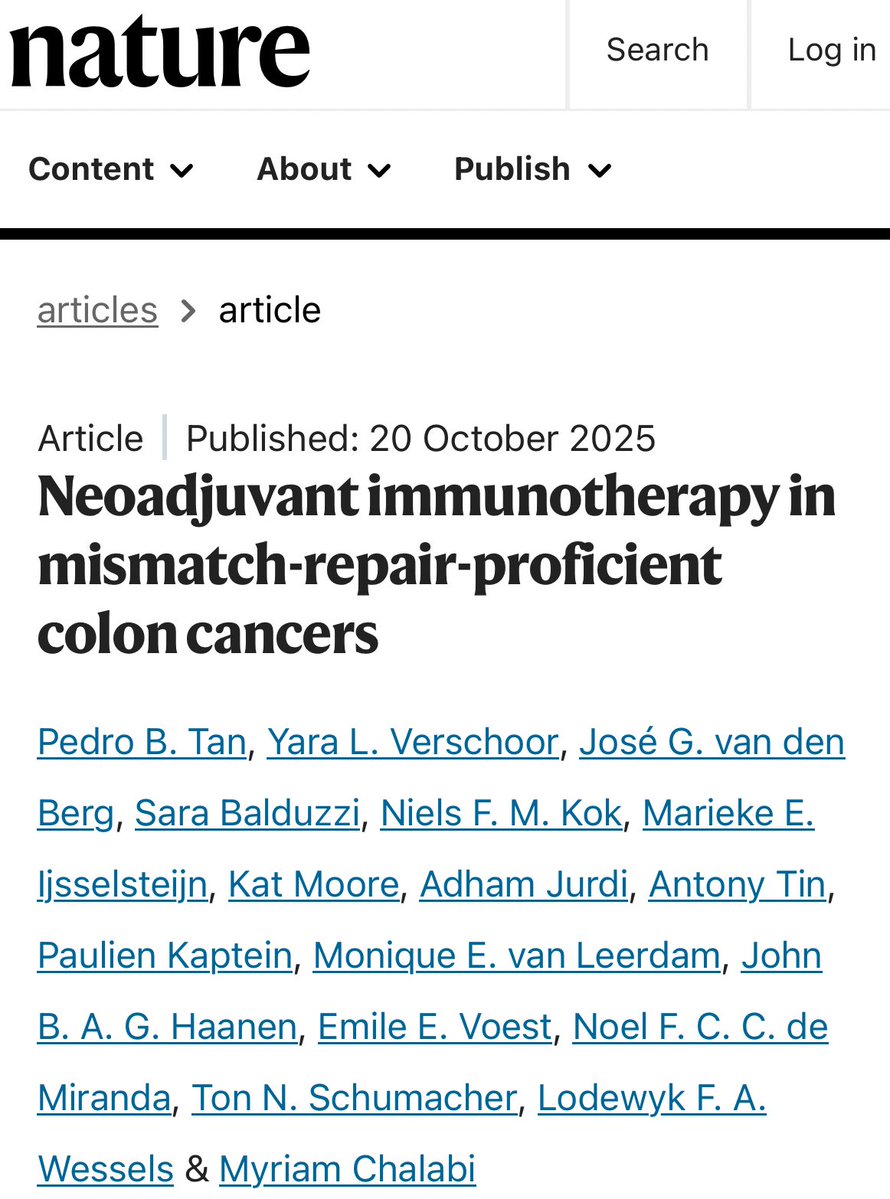
Very proud and happy to share that our work on neoadjuvant IO in pMMR colon cancers has been published online in @Nature after presentation @myESMO#ESMO25. Preview: https://t.co/KR6mBytwV3 Read on how genomic instability, P53mt and proliferation may aid in predicting responses.
Now for the fun - we are likely to have multiple options in 1L HER-2+ #bcsm.
1L THP->TH + tucatinib (HER2CLIMB-05)
1L THP->TH + AI + palbo (PATINA)
1L TDX-d->+/- maintenance? (DB-09)
Desire for maintenance strategy I think remains high (efficacy, QOL, tolerability)!
#ESMO25
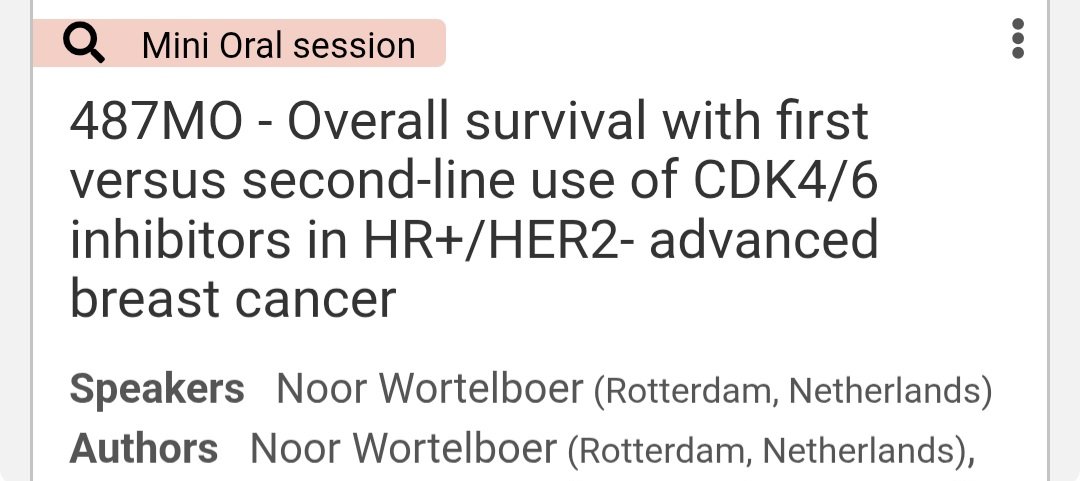
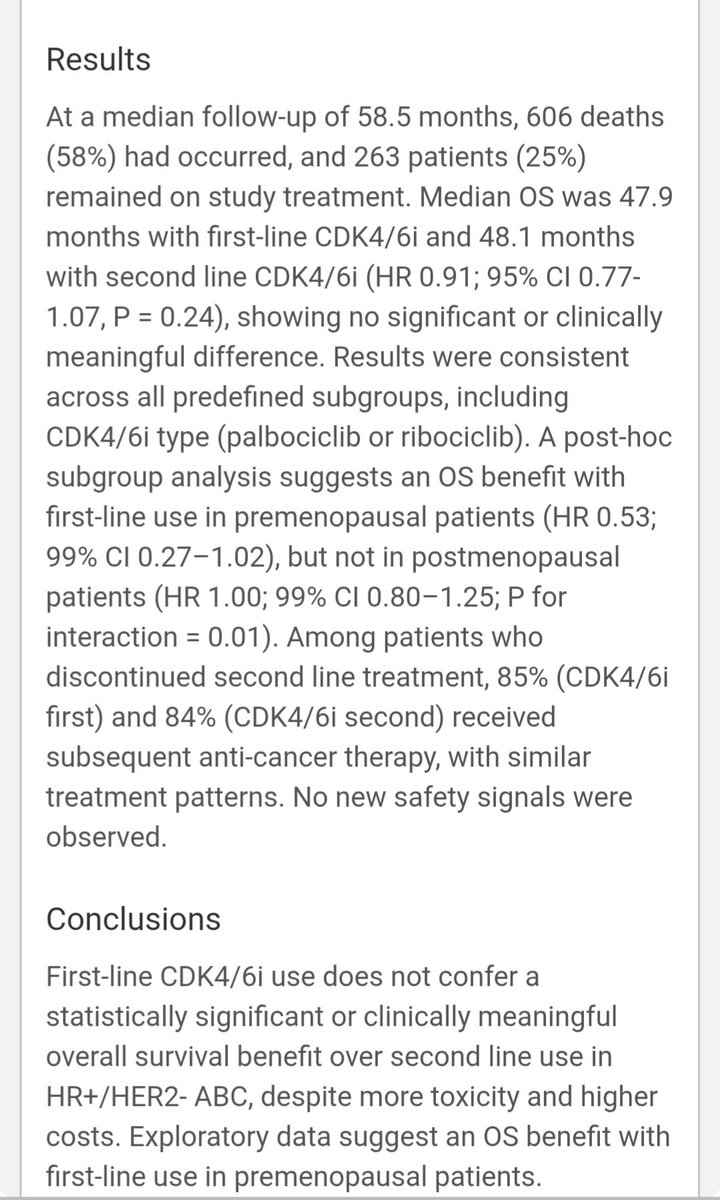
OS with first- vs second-line CDK4/6i in HR+/HER2– ABC (SONIA trial)
🔹 mFU 58.5 mo
🔹 OS: 47.9 mo (1L) vs 48.1 mo (2L)
🔹 Trend favoring 1L only in premenopausal pts (HR 0.53)
💬 No significant OS difference — similar outcomes, more toxicity & cost with 1L CDK4/6i?