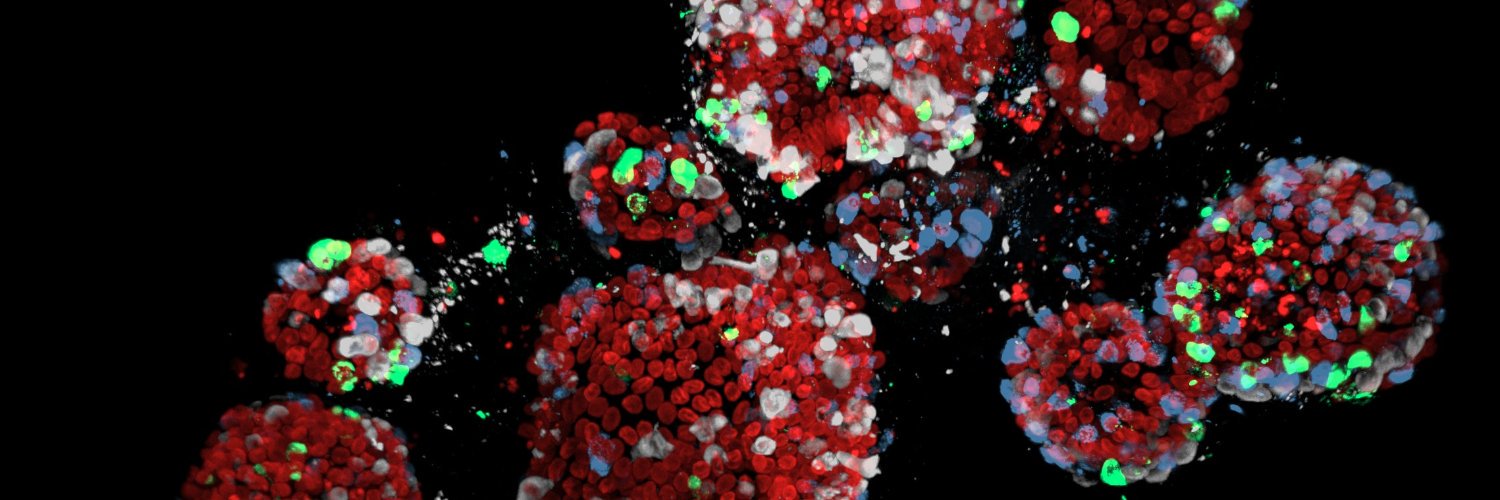
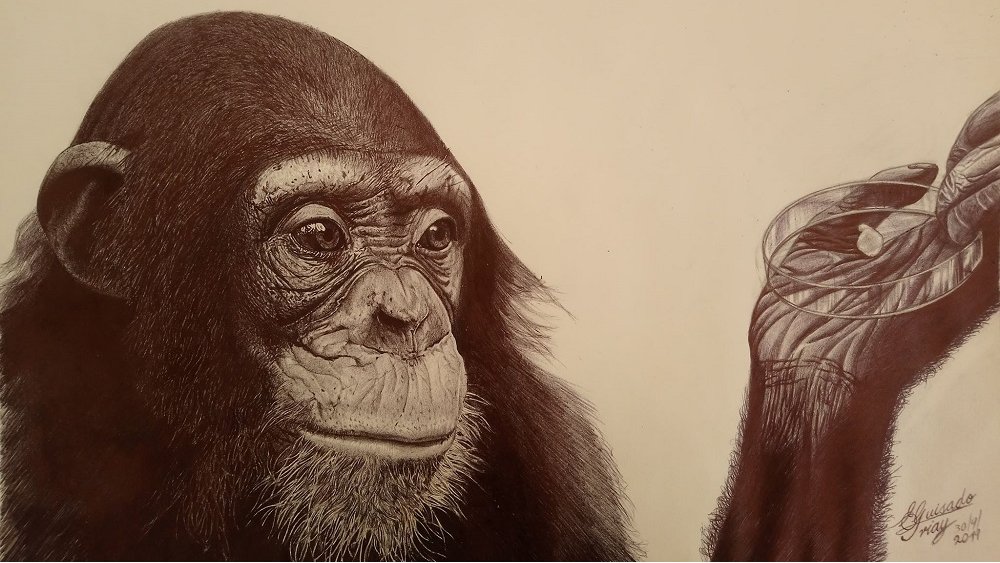
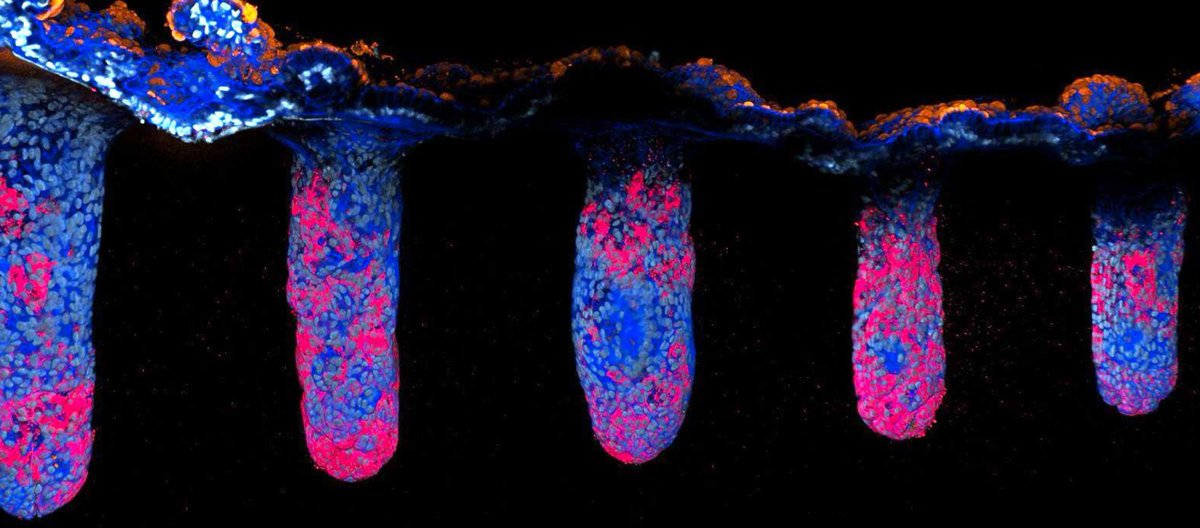
Thanks to @Dani_Pellicer and National Geographic @natgeoesp and for highlighting our recent work on Intestinal inflammatory memory
https://t.co/s2AHmKU4Al we did at @p_cmrc@idibell_cat
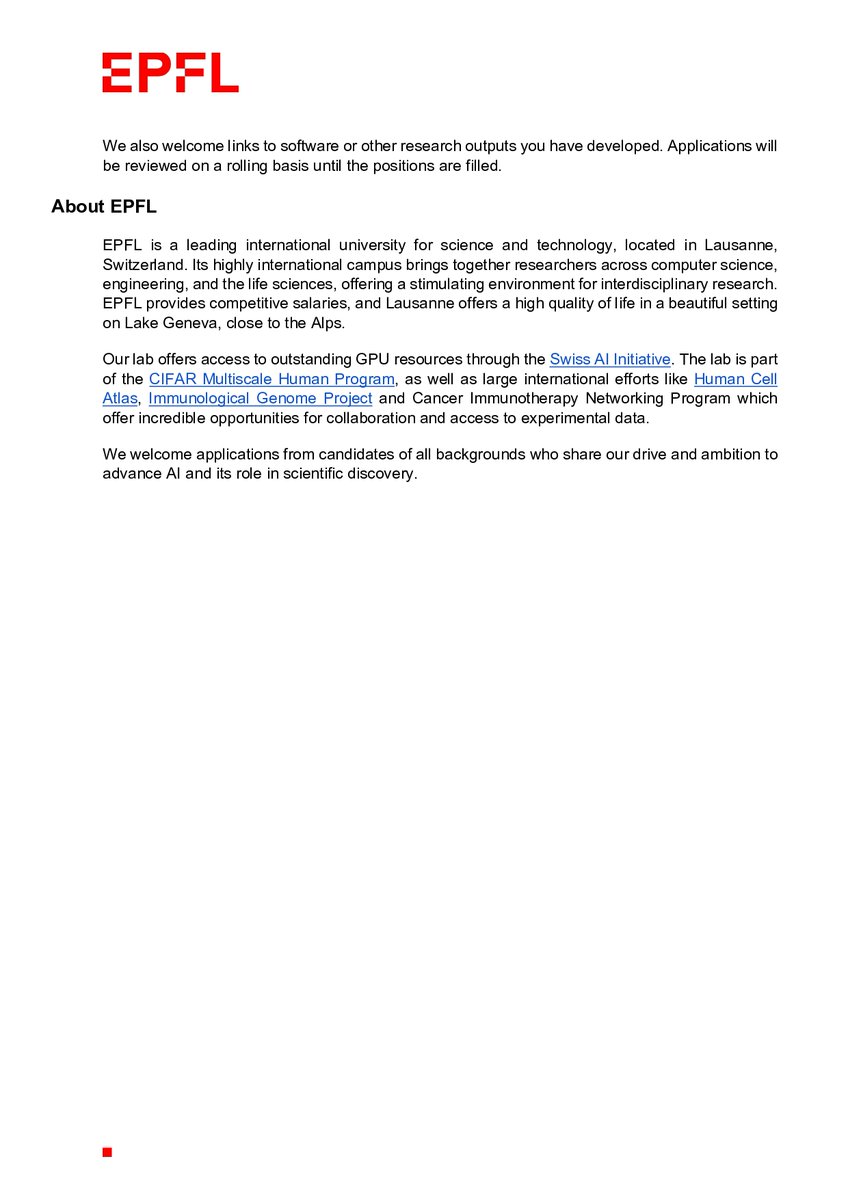
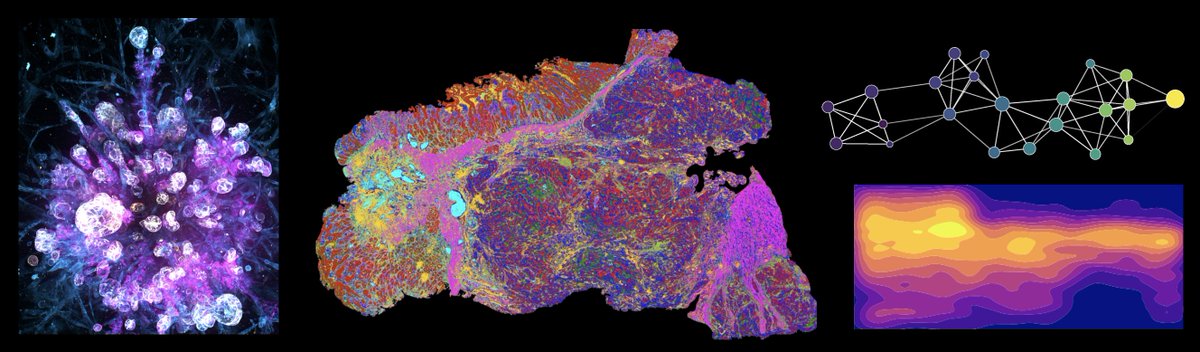
We have several postdoc positions available in my lab at @EPFL_en to work at the intersection of AI and biology, spanning foundation models for single-cell biology, spatial biology, multimodal AI and AI agents for scientific discovery.
Consider applying, more details here: https://t.co/yZG0AzI2cK
This is the person to whom @UAntwerpen, @ugent, and @VUBrussel awarded an honorary doctorate.
Not only does she advocate boycotting the lone democracy in the Middle East, surrounded by groups that want to wipe it off the map; she also opposes military support for Ukraine, that other existentially threatened liberal democracy today: “I agree with those who think that we need to stop sending weapons to Ukraine.”
She never found a war she didn’t end up on the wrong side of. Congratulations, Flemish universities.
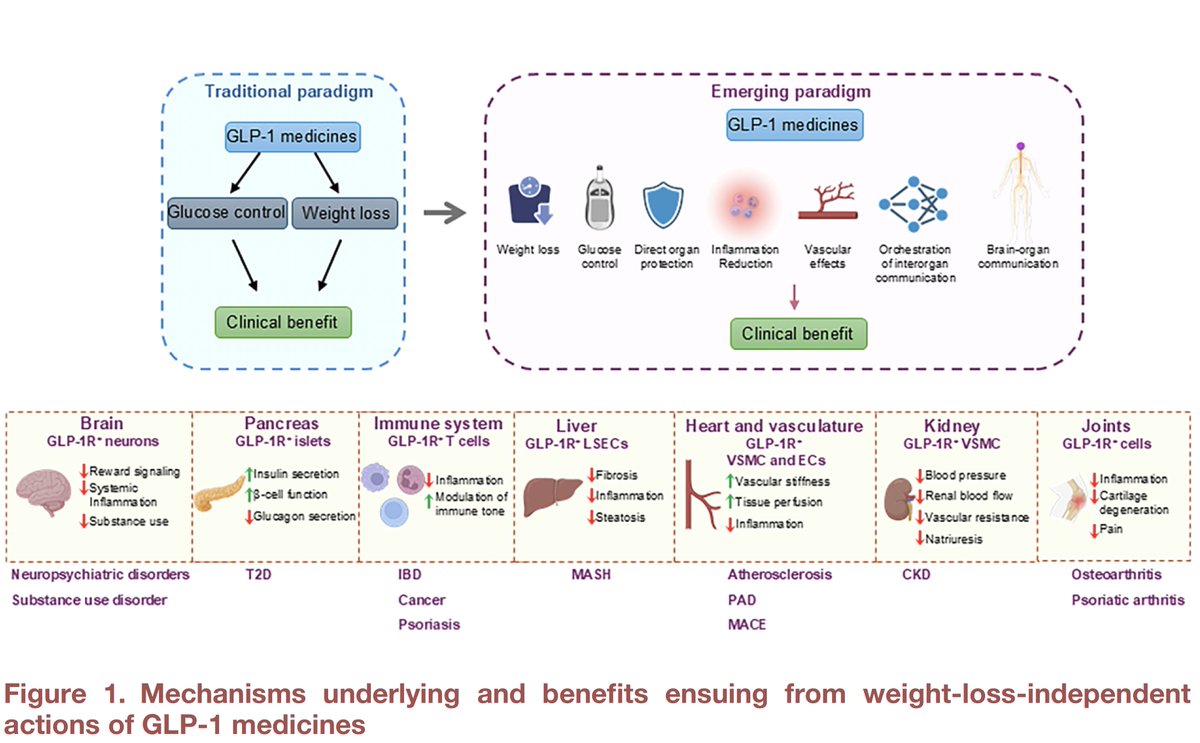
The GLP-1 drugs have evidence for beneficial impact— heart, kidney, liver, joints, immune system, and brain—that are independent of weight loss
@Cell_Metabolism@DanielJDrucker
https://t.co/ApB9ptjDL2
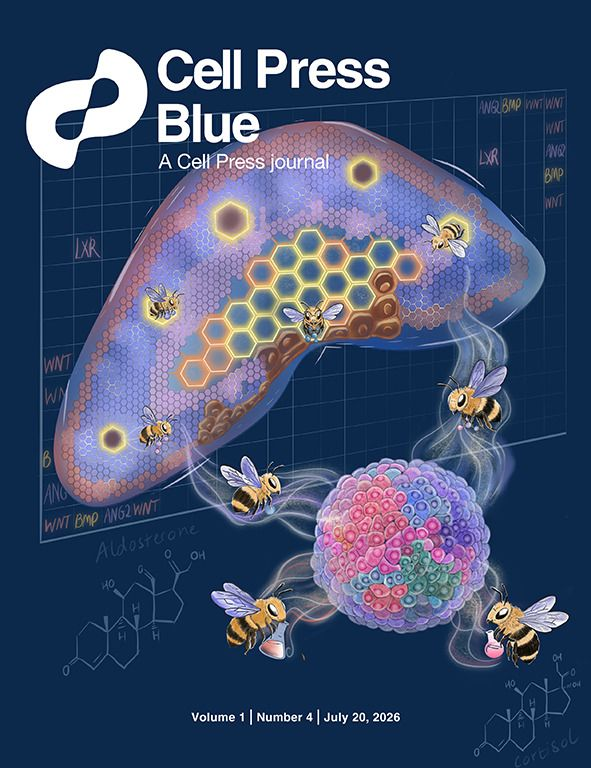
@NinoukAkkerman In collaboration with Quan Xu and @GrayCampLab , we used this model combined with spatial transcriptomics to establish a key role for WNT, ACTH and BMP in regulating functional zonation.
Huge congrats to the talented @NinoukAkkerman who drove the development of this organoid model of the human adrenal cortex. Accompanied by a great perspective by Pierre Val: https://t.co/UPOk5ruXj4
Ninouk drafted this beautiful cover that was selected by the editorial team!
Online now! An organoid model of the human adrenal cortex identifies drivers of steroidogenesis and zonation. A study by @BeumerJoep & colleagues in @cellpressblue#ISSCR2026 https://t.co/WdAUKZEmdV
@NinoukAkkerman While being able to expand for more than a year, these organoids recapitulate the key function of this endocrine organ by producing all of its steroid hormones, including cortisol and aldosterone.
We are searching for computational PhDs and Postdocs to join our group in collaboration with @TreutleinLab . We have exciting single-cell technology projects that incorporate bioengineering, computation, biology, translation. Send CV to [email protected]
Thank you everyone for the congratulations and the large number of applications! I want to specifically encourage applications for these positions:
* Postdoc in structural biology (cryoEM, ideally with X-ray too)
* Full time lab manager/technician with wetlab experience
Diet/microbes place the gut epithelium as a nexus for evolutionary change. With @TheSpenceLab@genomeCraig, we use #organoids to explore how evolution prepared the developing human intestine for exposure to the environment. @ScienceMagazine#evodevo 🧵1/11 https://t.co/VKQtZ3LMaW
Thrilled to see #SAVANA out in @naturemethods🥳 SAVANA detects haplotype-resolved somatic SVs and copy number aberrations (SCNAs) and infers tumour purity & ploidy in clinical samples using long-read sequencing with or WITHOUT a matched germline control 👇https://t.co/AdZhqHUsDb
Modular integration of epithelial, microbial, and immune components to study human intestinal biology. Amazing team project with @_RubenL_, Marius Harter, @CY_Qianhui_YU, @mike_nikolaev, @TheLutolfLab, Nikolche Gjorevski, and many others @IHB_Research https://t.co/TUGJDzn93f
We are searching for 2 talented MSc students to join the group! If you are interested in using advanced organoid models to study regulators of intestinal differentiation or nutrient uptake, please apply! https://t.co/Wiz3VmYiDg and https://t.co/YQ3yG8KBek
@IHB_Research
A new peptide, BRINP2-related peptide (BRP) administered pharmacologically, reduces food intake and exhibits anti-obesity effects in mice and pigs without inducing nausea or aversion.
https://t.co/ZCT27ETW37
Great pleasure to host @SItzkovitz at @IHB_Research. Exciting talk & discussions on spatial transcriptomics of adult tissues. Including promising translational applications of using shed intestinal cells for longitudinal profiling of homeostatic and diseased cell states!
A big thanks to @SItzkovitz of @WeizmannScience visiting #TeamIHB! We were fascinated to learn how spatial and shed cell transcriptomics of the human digestive tract can illuminate how single cells in mammalian tissues collectively achieve physiological goals.
We are searching for a Master's Student/Intern to join the group for 6-12 months to work on large-scale bioimage analysis of complex human model system data!
Please send your CV to: [email protected]#IHB