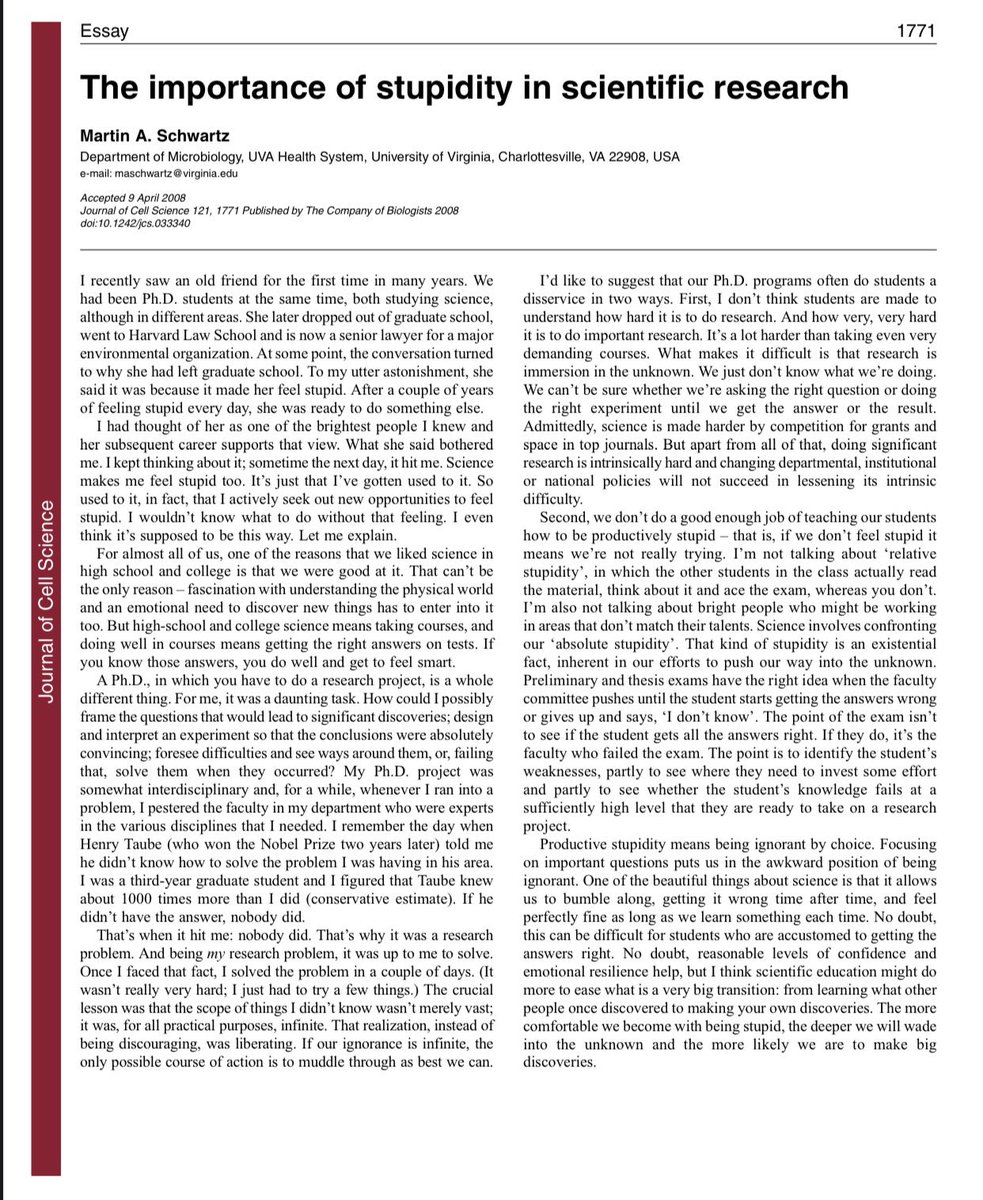
A valid epistemological framework should be both analytical and interpretational so as to allow one to intuitively track information flow in any system
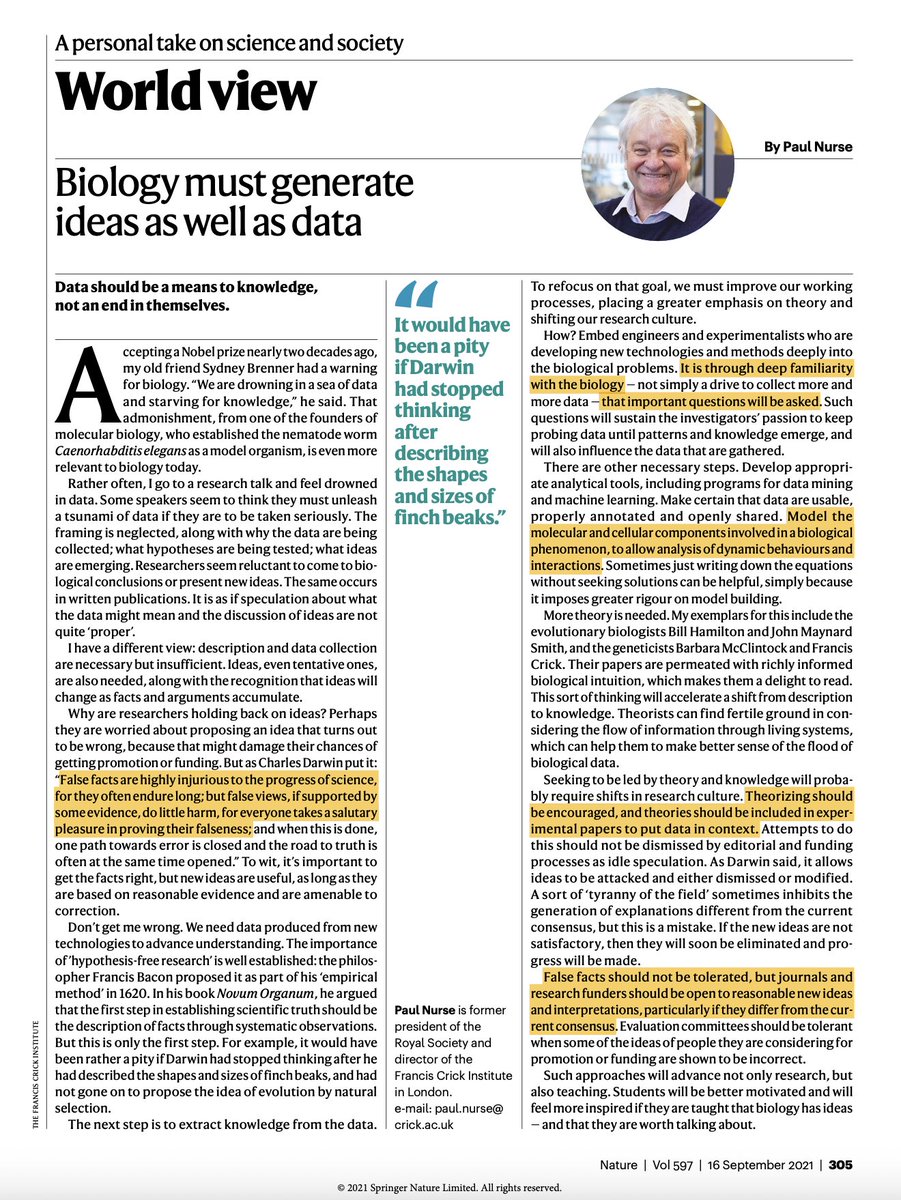
Another great short essay, by Paul Nurse, 2021:
"Theorizing should be encouraged, and theories should be included in experimental papers to put data in context."
Income Inequality and the Erosion of Democracy
In this study, Rau & Stokes conclude that “income inequality is a strong & highly robust predictor of democratic erosion”
A reminder that problems of democracy are related to the social context
Open Access: https://t.co/uw3tD1hLYe
Major preprint just out!
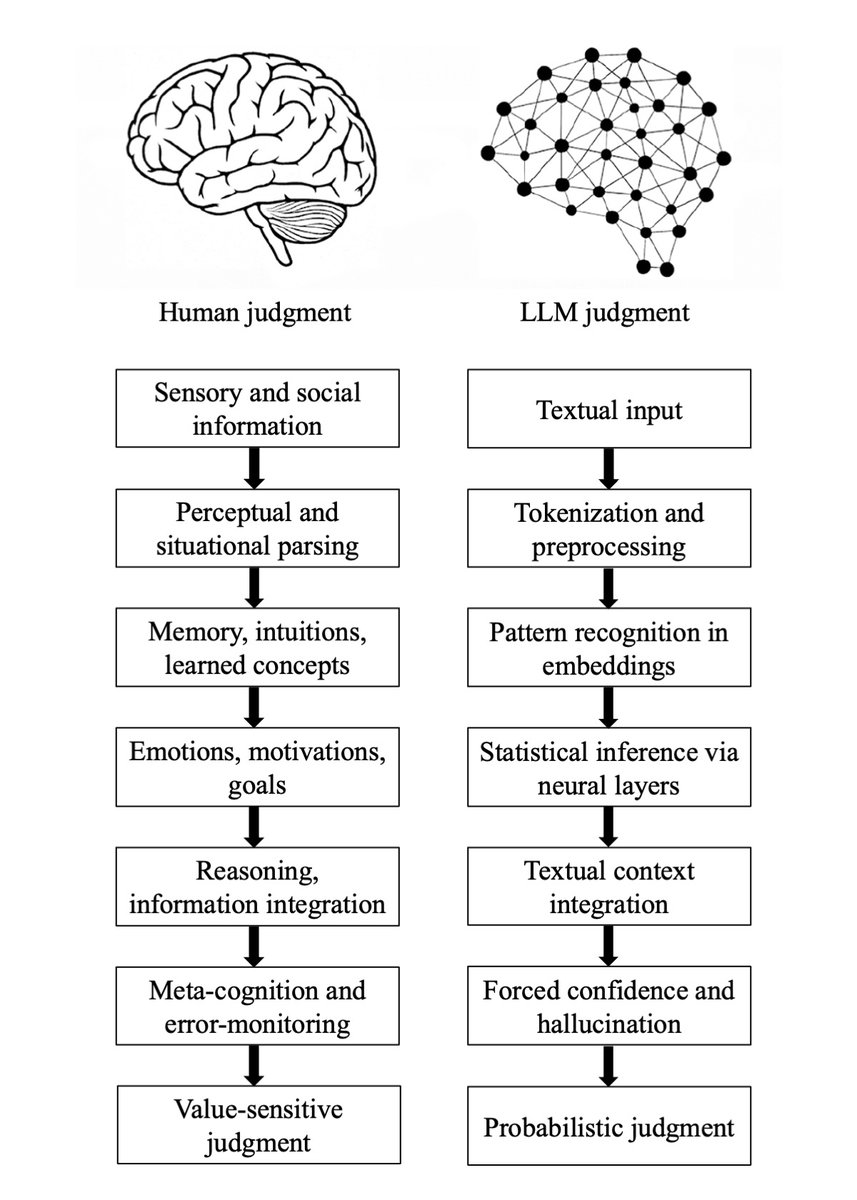
We compare how humans and LLMs form judgments across seven epistemological stages.
We highlight seven fault lines, points at which humans and LLMs fundamentally diverge:
The Grounding fault: Humans anchor judgment in perceptual, embodied, and social experience, whereas LLMs begin from text alone, reconstructing meaning indirectly from symbols.
The Parsing fault: Humans parse situations through integrated perceptual and conceptual processes; LLMs perform mechanical tokenization that yields a structurally convenient but semantically thin representation.
The Experience fault: Humans rely on episodic memory, intuitive physics and psychology, and learned concepts; LLMs rely solely on statistical associations encoded in embeddings.
The Motivation fault: Human judgment is guided by emotions, goals, values, and evolutionarily shaped motivations; LLMs have no intrinsic preferences, aims, or affective significance.
The Causality fault: Humans reason using causal models, counterfactuals, and principled evaluation; LLMs integrate textual context without constructing causal explanations, depending instead on surface correlations.
The Metacognitive fault: Humans monitor uncertainty, detect errors, and can suspend judgment; LLMs lack metacognition and must always produce an output, making hallucinations structurally unavoidable.
The Value fault: Human judgments reflect identity, morality, and real-world stakes; LLM "judgments" are probabilistic next-token predictions without intrinsic valuation or accountability.
Despite these fault lines, humans systematically over-believe LLM outputs, because fluent and confident language produce a credibility bias.
We argue that this creates a structural condition, Epistemia:
linguistic plausibility substitutes for epistemic evaluation, producing the feeling of knowing without actually knowing.
To address Epistemia, we propose three complementary strategies: epistemic evaluation, epistemic governance, and epistemic literacy.
Full paper in the first reply.
Joint with @Walter4C & @matjazperc
I mean Innovation is essentially merging ideas from separate disciplines.
Multipotential humans stand a better chance than reductionistic humans at peaking.
Intriguing the first reference by the article is from Francis Galton the eugenicist.
What does it take to achieve the highest level of human performance? Across athletics, science, chess, and music
@ScienceMagazine
https://t.co/e9EFbJyXQ5
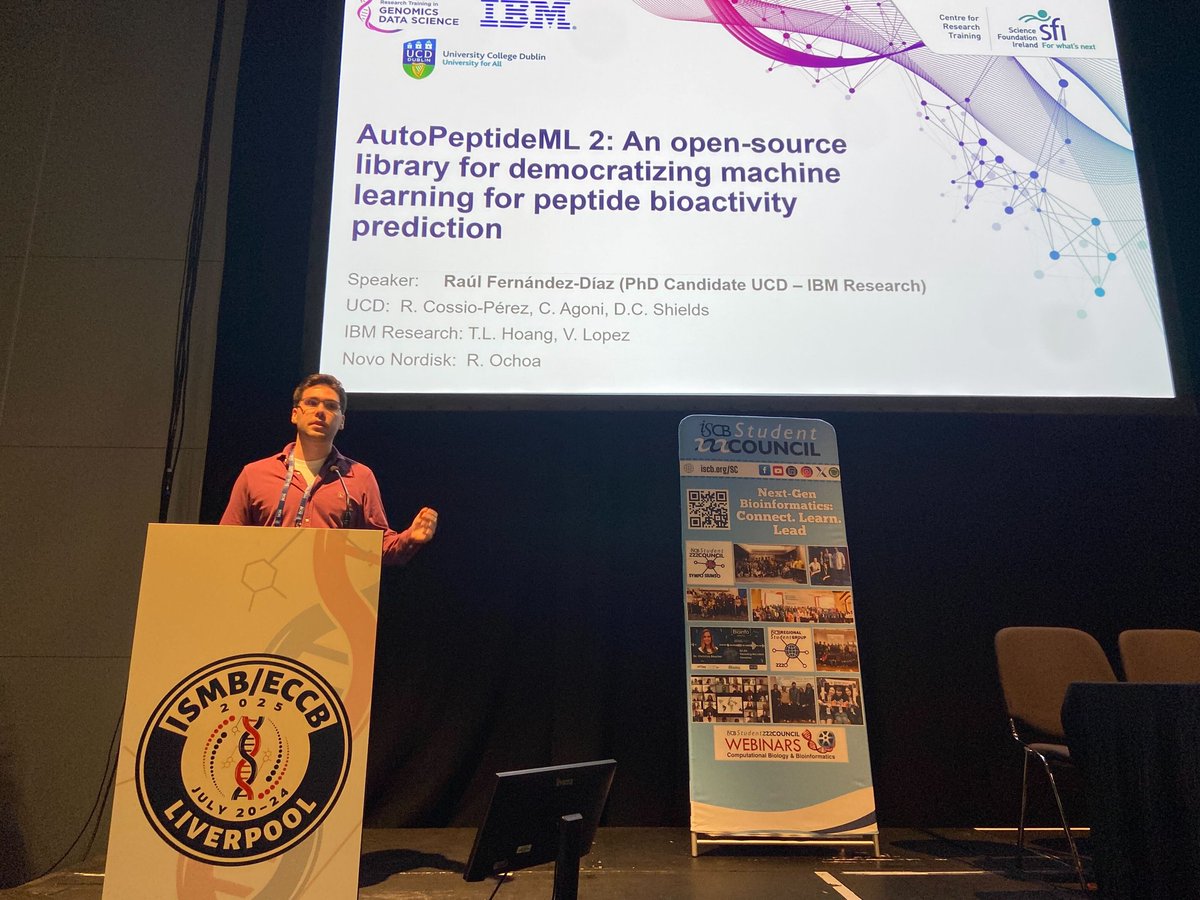
Thanks to Raül Fernández-Díaz (PhD Candidate, UCD–IBM Research) for presenting his work at #SCS2025, on developing of an open-source library, ⭐ AutoPeptideML 2,that marks a significant stride in accessible genomics and peptide science 🙌🏻
#ISMB2025#Genomics#MachineLearning
Had to share the most heartwarming use of AI I’ve seen yet.
A teacher made AI-generated images of her students as adults living their dream careers (ex: astronaut, football player, cartoonist, veterinarian) 🫶
Great video on whether or not to proxy in collectable card games. I'm an evolutionary biologist by training and I think a lot about technological arms races in this context. The interesting thing that you speak to here is the tension between elite technologies and media for the masses, and how every major media revolution suddenly and hugely lowers the barrier to entry in some previously restricted area but within a generation, stratification is back... I'm watching a lot of people fall on one of those three locations in the curve you mention, where either they're investing enormous assets in AI or are deliberately sitting out of the competition or are working to make AI something available to everyone...but then if and when it becomes commonplace to have the same competitive advantage as the elites available to everyone and suddenly the world has ratcheted up to "now we ALL play ‘CEDH’" you get people walking out and saying, "you know what? money doesn't matter, I'm going to be a homesteader..."
https://t.co/asm0v0nlBw
cc @wizards_magic
𝐀 𝐏𝐫𝐚𝐜𝐭𝐢𝐜𝐚𝐥 𝐞𝐱𝐚𝐦𝐩𝐥𝐞 𝐨𝐟 𝐮𝐬𝐢𝐧𝐠 𝐭𝐡𝐞 𝐂𝐲𝐧𝐞𝐟𝐢𝐧 𝐅𝐫𝐚𝐦𝐞𝐰𝐨𝐫𝐤 & 𝐄𝐬𝐭𝐮𝐚𝐫𝐢𝐧𝐞 𝐌𝐚𝐩𝐩𝐢𝐧𝐠
🏥 Scenario: Transforming a Public Health Campaign in a Local Government. You are the Director of Community #Health Initiatives in a mid-sized city. Your team is tasked with increasing vaccination rates for a new flu strain in underserved neighbourhoods. Historically, these communities have shown vaccine hesitancy due to mistrust in institutions, cultural beliefs, and misinformation.
🌟𝐀𝐩𝐩𝐥𝐲𝐢𝐧𝐠 𝐭𝐡𝐞 𝐂𝐲𝐧𝐞𝐟𝐢𝐧 𝐅𝐫𝐚𝐦𝐞𝐰𝐨𝐫𝐤:
At first, your team plans a "𝐂𝐥𝐞𝐚𝐫" domain solution: roll out awareness campaigns using pamphlets and set up free clinics. The assumption is that access and information are the only barriers. However, data shows low engagement within weeks, and residents report confusion and scepticism. You've misdiagnosed the context — it's not a "Clear" problem.
You now recognise it's a "𝐂𝐨𝐦𝐩𝐥𝐞𝐱" domain issue, involving social dynamics, emotional resistance, and historical mistrust. The cause-and-effect relationships aren’t obvious. Instead of prescribing solutions, you probe:
➡️ Partner with local influencers and community leaders
➡️ Hold small listening sessions to understand concerns
➡️ Experiment with mobile vaccine units at community events
You act, sense, and respond — slowly shaping interventions that build trust and adapt to feedback.
🌟 𝐀𝐩𝐩𝐥𝐲𝐢𝐧𝐠 𝐄𝐬𝐭𝐮𝐚𝐫𝐢𝐧𝐞 𝐌𝐚𝐩𝐩𝐢𝐧𝐠:
Now, you introduce Estuarine Mapping to build a strategic plan grounded in complexity thinking. You and your team list key system-shaping factors:
➡️ Trust in government health programs
➡️ Cultural attitudes towards vaccines
➡️ Local influencer support
➡️ Accessibility of vaccine clinics
➡️ Misinformation on social media
➡️ Funding availability
🌟 You assess each factor against two axes: 𝐓𝐢𝐦𝐞 𝐭𝐨 𝐜𝐡𝐚𝐧𝐠𝐞 vs. 𝐄𝐧𝐞𝐫𝐠𝐲 𝐭𝐨 𝐢𝐧𝐟𝐥𝐮𝐞𝐧𝐜𝐞. With this Estuarine Map, you
➡️ Prioritise low-energy, short-term wins
➡️ Begin slow, more profound shifts
➡️ Monitor tipping points where small changes may unlock larger systemic shifts
🤝 𝐓𝐡𝐞 𝐒𝐲𝐧𝐞𝐫𝐠𝐲
#Cynefin helps you recognise the nature of the problem and adapt your leadership approach. Estuarine Mapping helps you strategically shape the environment in ways that allow new solutions to emerge without trying to control the outcome.
Together, they offer a coherent complexity-informed #strategy: You’re not just trying to “fix a problem” — you’re working to nudge a living system toward resilience and emergence.
👉 Begin learning the Cynefin Framework with our official training here: https://t.co/mX64nnkRAY.
👉👉 Estuarine Mapping training, register for upcoming sessions here: https://t.co/E04W80gLGy.
#leadershipdevelopment #organizationaldevelopment #consultants
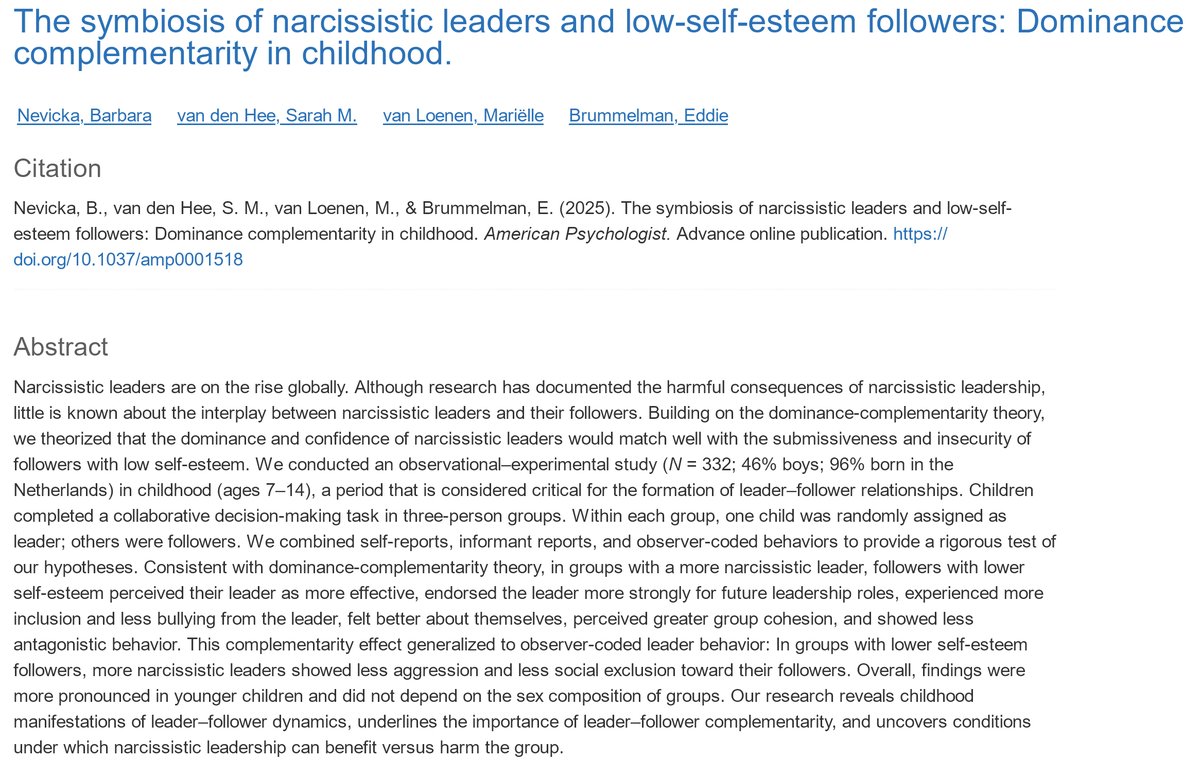
Narcissistic leaders are more appealing to young people with low self-esteem.
When we’re insecure, we often gravitate to big egos to fill the void. Supporting them makes us feel special—and makes them feel less threatened.
It's time to stop mistaking confidence for competence.
“suggest that people tend to get extreme and dogmatic about an issue when they consult abundant unbiased information. The cause for this extremization is a hardening confirmation bias”
Your biggest enemy isn’t someone else.
Your biggest enemy is the version of yourself that doesn’t take action, refuses to learn how to communicate effectively, and won’t take any risk.