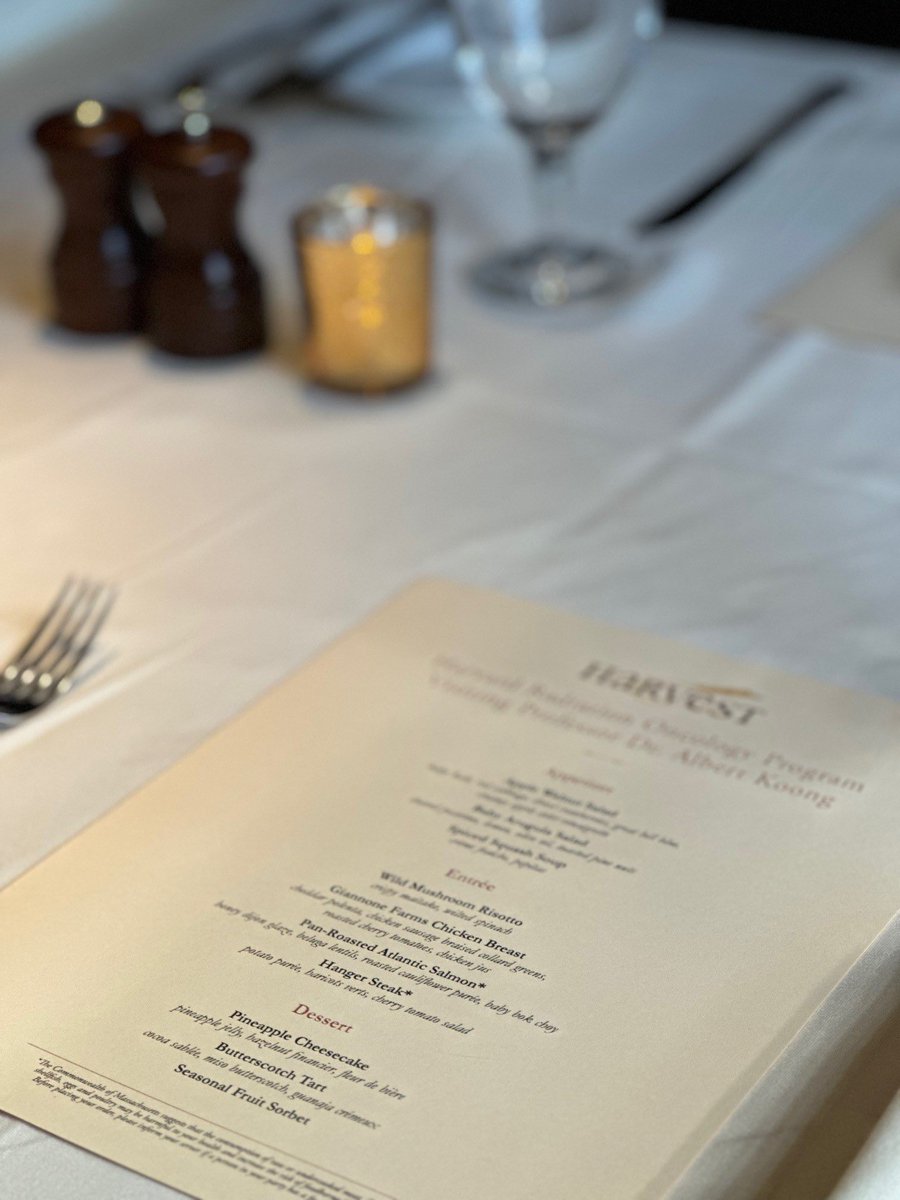
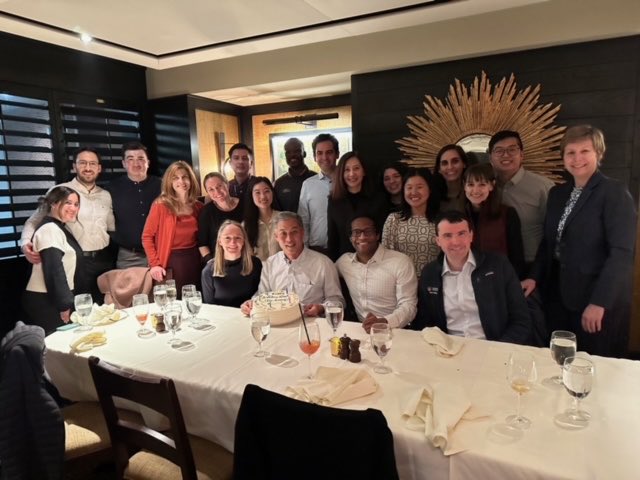
Thank you @HarvardRadOnc for dinner the surprise birthday cake last night! Looking forward to spending the day with you today as a visiting professor. #radonc#meded
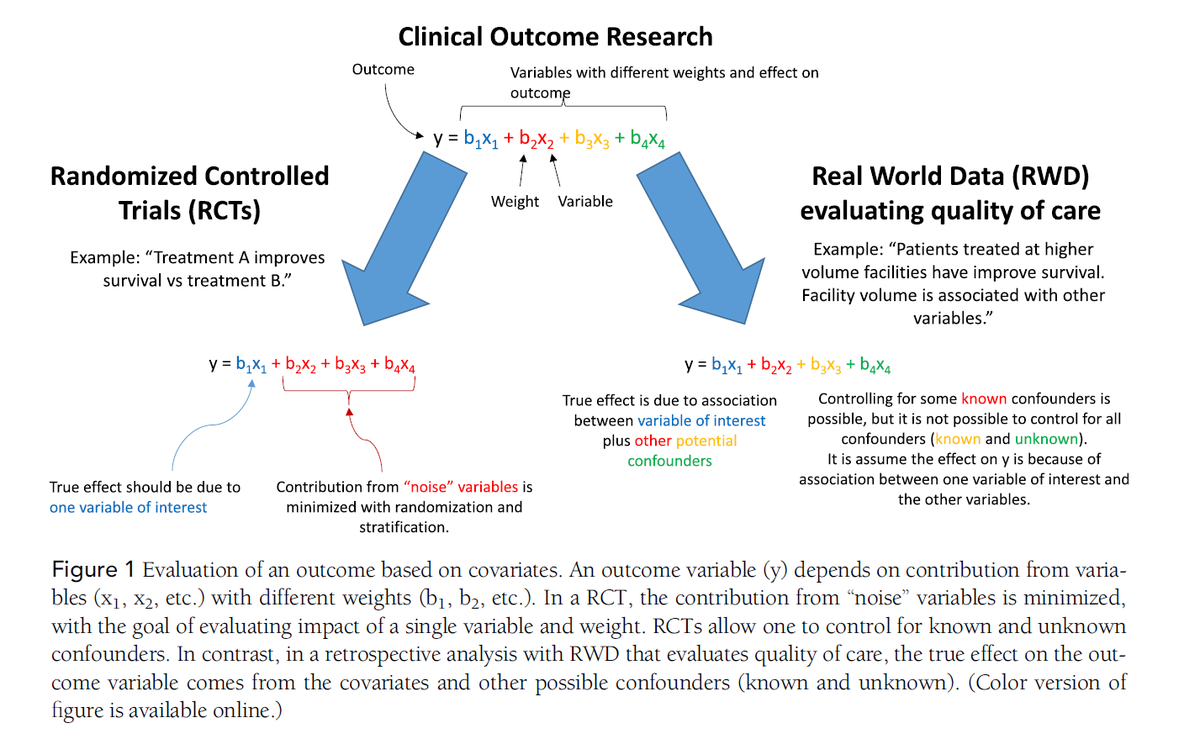
It was fun to synthesize some of the latest ideas and innovations in trial design. I think there is still a lot to learn, particularly using data-driven methods in a way that actually identifies the most important levers we can pull. I think we can innovate trial designs further!
Really excited to see our Q&A on Clinical Trial Disparities with me and @smoertelt published in @NatureComms. https://t.co/wjXgaPcz5y
Many thanks to @andyjobbins for assembling this team and for putting it all together.
Even word count, maybe should coalesce around a few buckets of sizes for "types" of manuscript first submissions (e.g. Research letter vs manuscript vs meta analysis, etc) https://t.co/XtnH1sEF9j
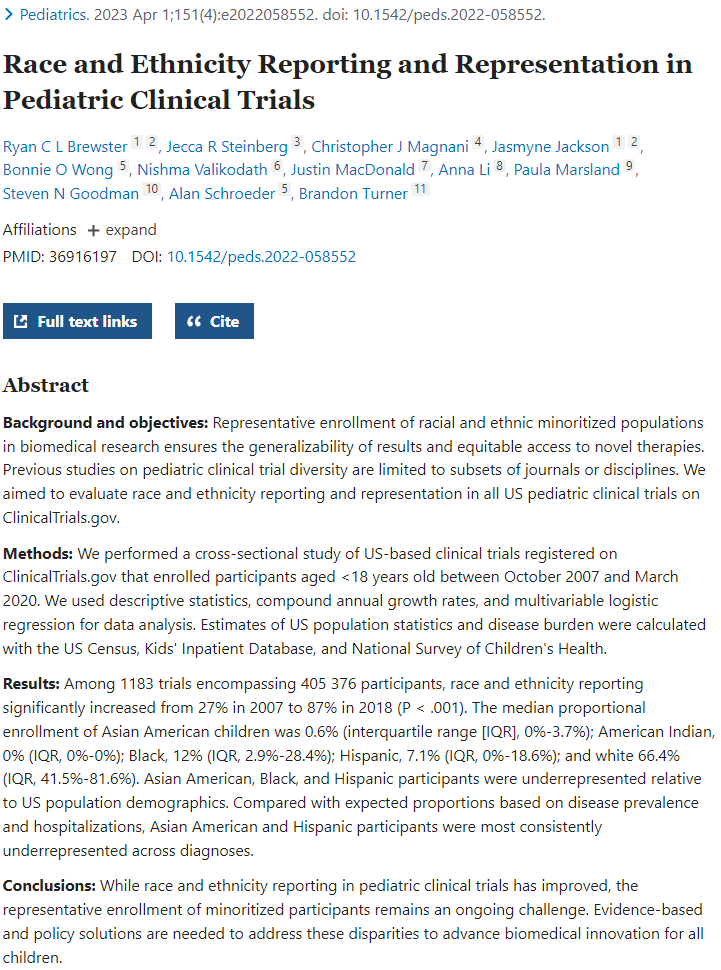
🆕Check out this interview with @HarvardRadOnc resident @BrandonTurnerMD, senior author of a new study "Race and Ethnicity Reporting and Representation in Pediatric Clinical Trials," published in @AmerAcadPeds
🔗https://t.co/NhdWsEofYd #HROP
Especially as the research community becomes larger and larger (most of my review requests come from journals I didn't even know existed) and competition for jobs and grants becomes fiercer.
Peer review takes a fair amount of time if done well. It often feels thankless, I frequently don't hear back from editors after I have reviewed a paper, or the whole thing can feel "automated" and lacks a personal touch. https://t.co/cV25IGaxu5
It takes away from the limited time for my own work as well, and eventually this will not be sustainable for the system. We can't make the academic review process dependent on researchers' willingness to sacrifice for an abstract good--we need more compelling direct incentives.
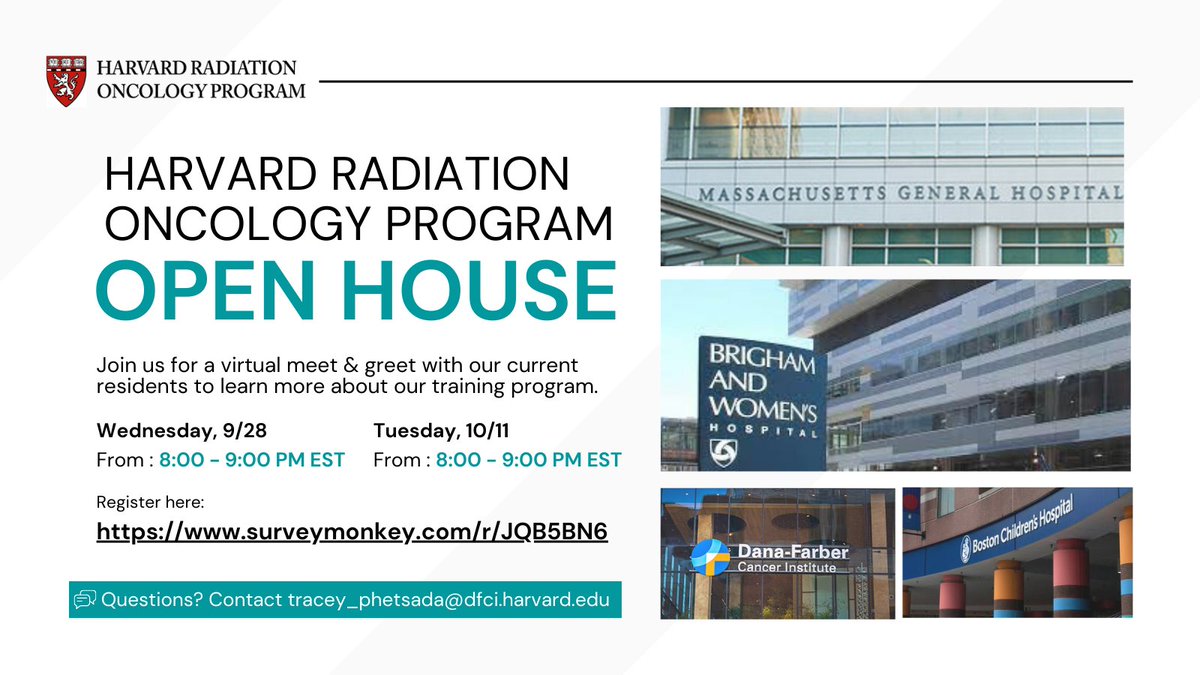
Interested in Oncology? Final year of Med School? Come check out our first open house of the season on 9/28! Final one will be 10/11. @HarvardRadOnc@ASarafMD2@kevinxliu
This is a cool study. They found no difference between Intermittent Fasting (IF) with an 8-hour window (called "time-restricted eating" vs Ad libidum dieting (you can eat whenever you want), with both diets having the same level of calorie restriction. A few caveats to consider:
Overall, I think this is a great study and mostly asserts the dominance of the Calories In, Calories Out model for weight management. Hopefully people interpret the findings with some nuance, and hopefully it leads to more well-designed and rigorous trials. /end
This is a cool study. They found no difference between Intermittent Fasting (IF) with an 8-hour window (called "time-restricted eating" vs Ad libidum dieting (you can eat whenever you want), with both diets having the same level of calorie restriction. A few caveats to consider:
In a yearlong study, scientists found no benefits from time-restricted eating, a popular diet strategy, in people trying to lose weight. But some experts aren’t ready to give up. https://t.co/bnpV6E2c2b
An innovative study would be to conduct psychologic assessments of participants and assign dieting regimens based on behavioral/physical characteristics that match with the people who successfully utilize specific trials.