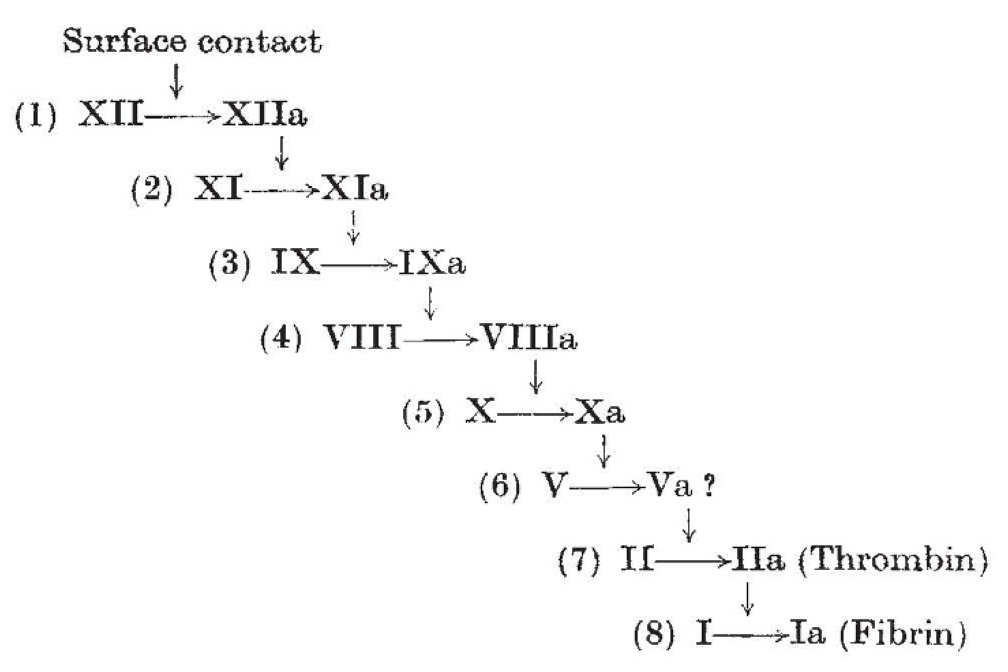
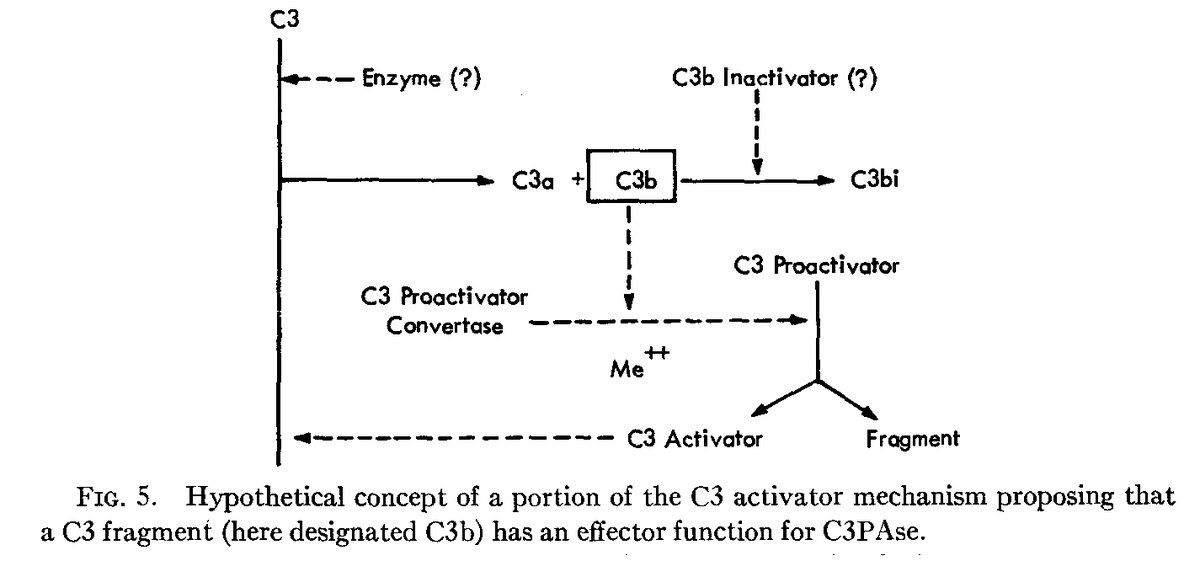
“from one stage to the next a greater amount of proenzyme is activated, and it may be suggested that the need to link the minute physical stimulus of surface contact with the final enzymatic explosion has resulted in the evolution of a biochemical amplifier” -RG Macfarlane, 1964
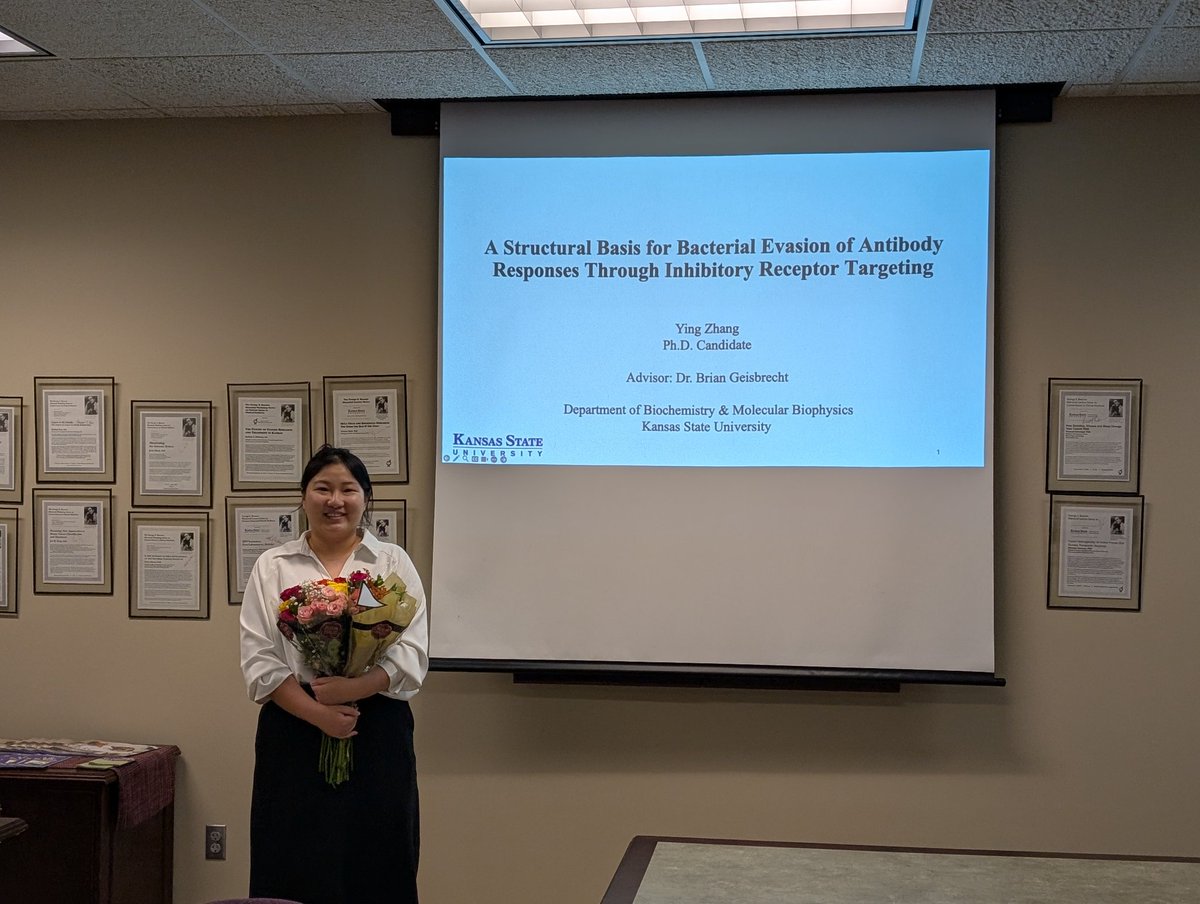
Did you know pathogenic bacteria can target inhibitory receptors to evade phagocyte responses? A recent study from our lab and that of Alex McCarthy (Imperial College) shows how Group B strep hijacks neutrophil LILRB3 to evade antibody-mediated immunity. 👇https://t.co/NCKQKXTpLv
In a #TopRead from @bvglab at @KStateResearch, data show that Efb-C binding to C3b exerts additional inhibitory effects on the central complement components beyond blocking formation of the C3 proconvertase alone. Learn more: https://t.co/hREXydH0dS.
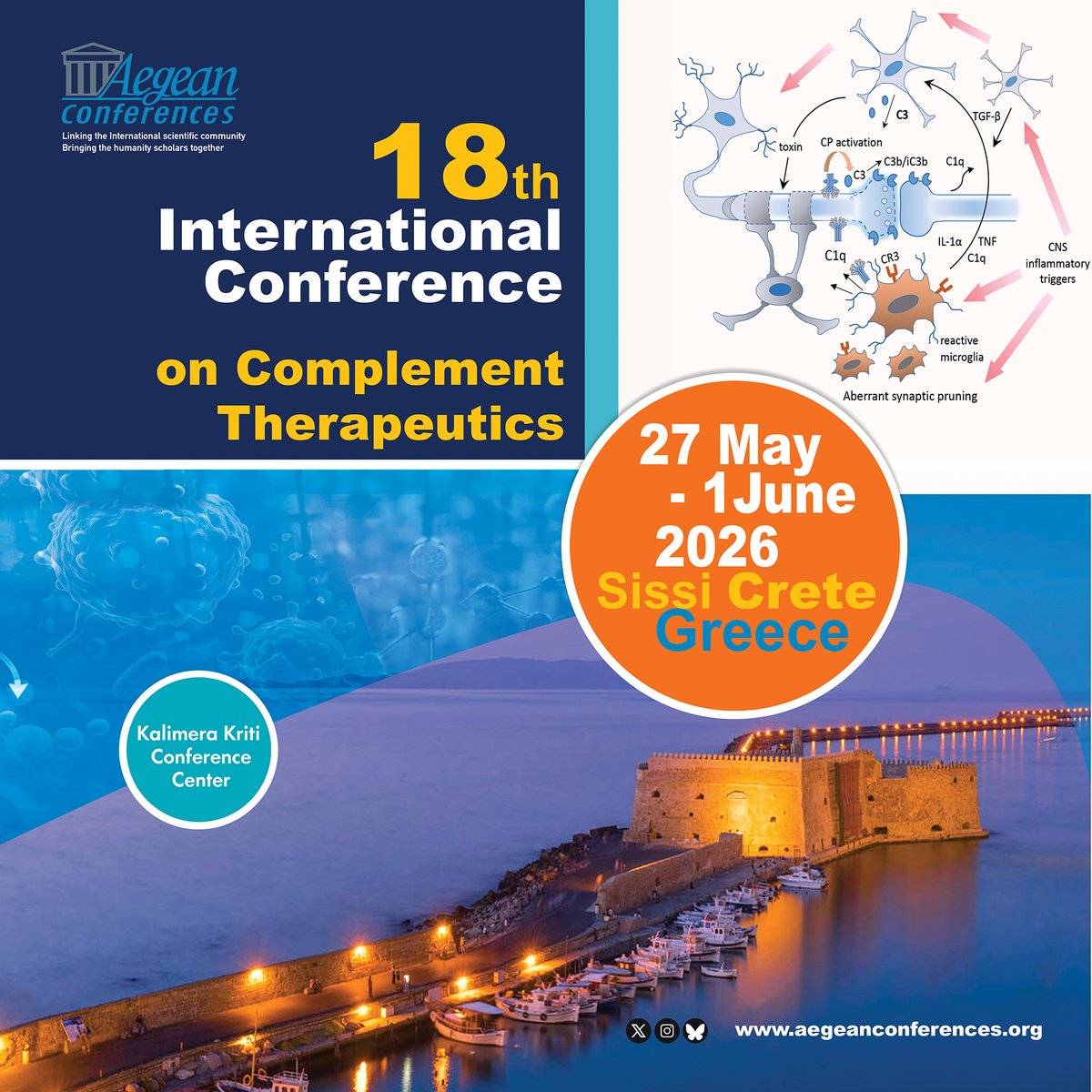
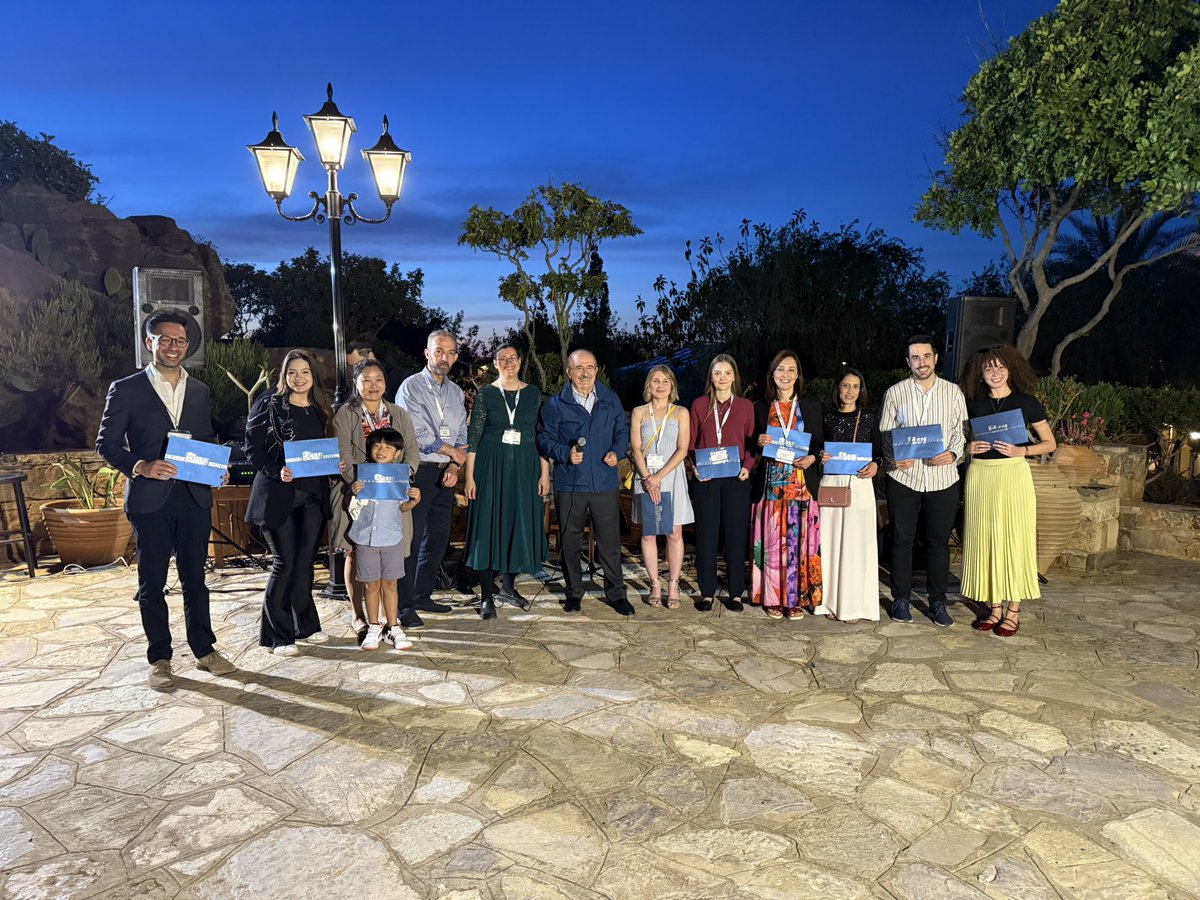
Excited for the 18th Int'l Conference on Complement Therapeutics in Sissi, Crete, Greece 🇬🇷
A big thank you to our sponsors for their support. Your contribution helps bring together the complement community to share the latest advances in therapeutics and research.
There are still registration spots available at the early fee. Late-breaking abstract submissions are open, and trainees and young investigators are encouraged to apply for travel awards by April 15.
See our sponsors: https://t.co/15S9p574w5
#Complement #Therapeutics #Immunology #Conference #Crete #Greece #TravelAwards #CallForAbstracts
New work from our lab published in @J_Immunol!
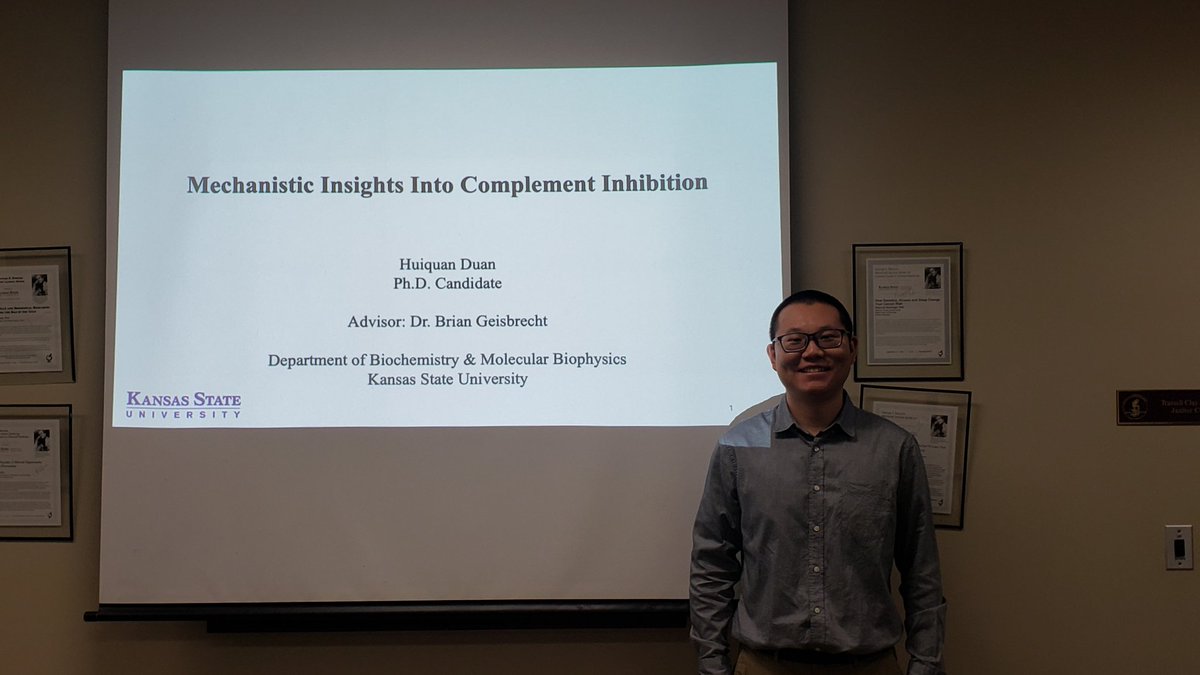
In a study led by @HuiquanDuan, we found that conformation-dependent recruitment of FHR-2 to the complement component C3b leads to synergistic inhibition of the terminal pathway. Link below 👇
https://t.co/75kmhxN2pE
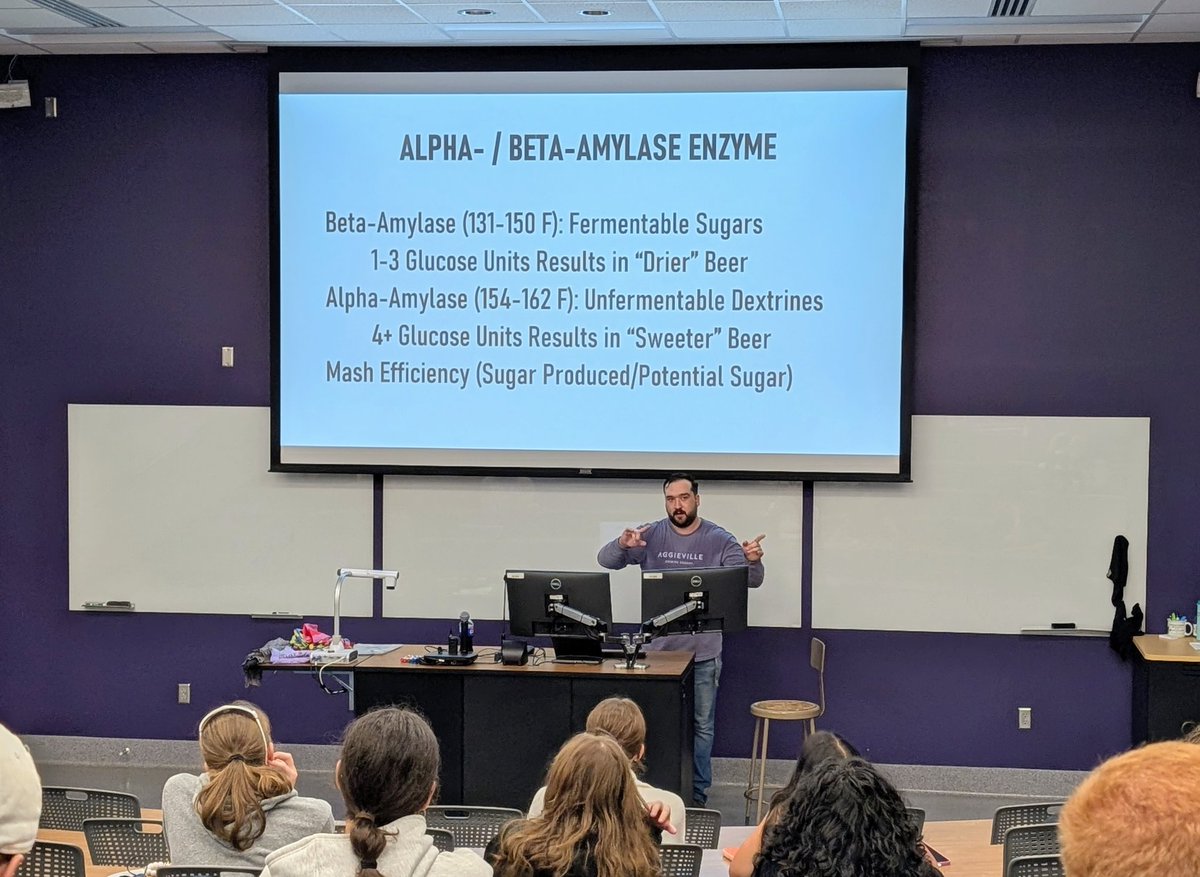
Many thanks to Jacob, Brewmaster of @aggievillebeer in #MHK for sharing his knowledge of the science behind beer making with @KStateBMB#Biochemistry and Society students this morning!
Zymogen activation is a ubiquitous strategy for regulating enzyme activity. In our @jbiolchem paper led by @HuiquanDuan, we show that blocking this fundamental process is used to inhibit the first proteolytic event of the classical #complement pathway 👇
https://t.co/DT6LtvaCB4
It's clear that many do not understand what @NIH-funded research does to improve health. It's time to revive a study published 10 years ago that provides incredible information about this. link in the comment
Every single new drug approved by the FDA from 2010–2016 was built on NIH-funded research—that’s all 210 drugs. But what the public sees is just the tip of the iceberg.
Pharma takes credit for the final product, but beneath each drug developed, there are ~20 years of basic research, and 90% of the cost is from basic research funded by the NIH, which discovers drug targets, understands disease mechanisms, and creates life-saving treatments.
Figuring out how cancer evades the immune system, how addiction rewires the brain, and how heart disease develops is the role of the NIH, creating the foundation for the breakthrough drugs that come 20 years later, and the NIH does all that with only 0.8% of the US budget.
Without NIH, there would be no cancer immunotherapy, no anti-overdose medication, no anti-heart attack or stroke medication, no cutting-edge treatments.
If NIH funding is cut, the iceberg will melt. That means fewer cures, more suffering, and more lives lost.
The science beneath the surface keeps us afloat.
Invest in NIH. Invest in life
Yesterday a Nobel prize was given for alpha fold. Alpha fold could not exist without the Protein Data Bank (PDB), a public database funded by US taxpayers. Every structural biologist in the world that deposited their structure to the PDB indirectly helped train alpha fold.
New work from our lab published in @jbiolchem!
👇
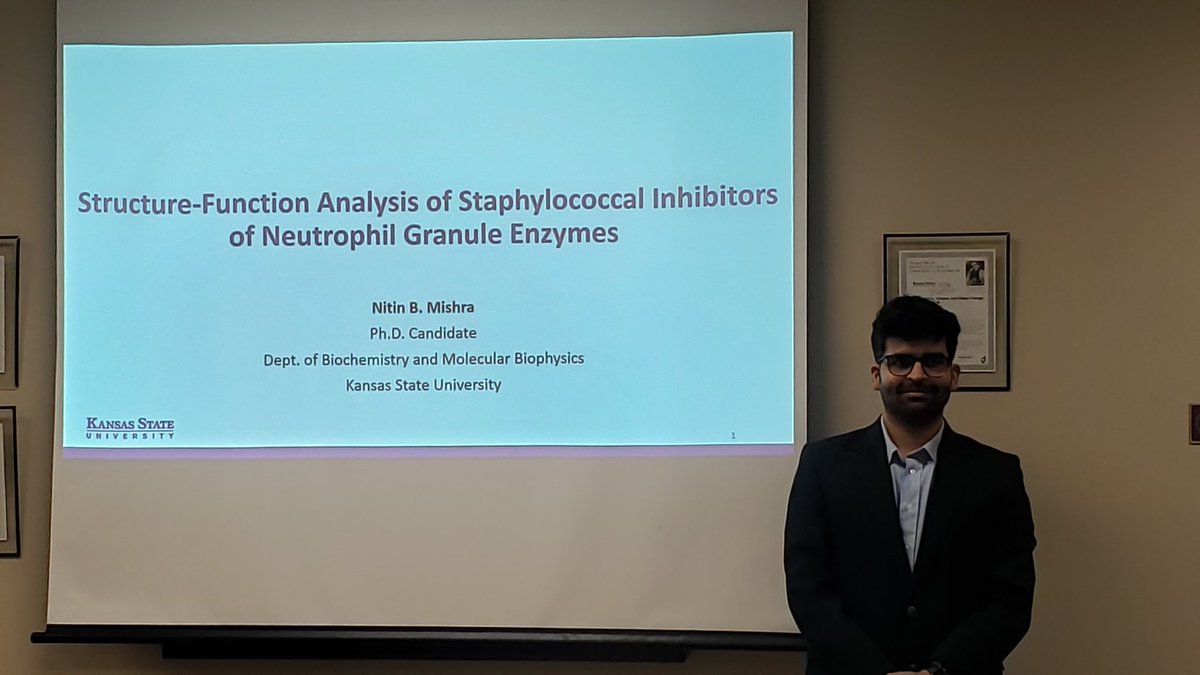
S. aureus Eap is a polyvalent inhibitor of neutrophil serine proteases - Journal of Biological Chemistry https://t.co/86U5TwE8Nf
Kudos to @Nitin_B_Mishra , @carsongido, and Tim Herdendorf for leading this effort! @KStateBMB