Ischemic ECG Patterns — STEMI Equivalents & Beyond
De Winter Sign as an Anterior ST-Segment Elevation Myocardial Infarction Equivalent https://t.co/5f4vJ1lNo4
Non–ST-Segment Elevation Myocardial Infarction in a Patient With Dextrocardia https://t.co/q5xGSoEloG
Aslanger Pattern as a Manifestation of Inferior STEMI in Multivessel Coronary Artery Disease https://t.co/XWII7TS7SS
Acute ST-Segment Elevation Myocardial Infarction Secondary to Neoplastic Infiltration of the Left Anterior Descending Artery https://t.co/6HkYig1ALv
Pseudo-Wellens Syndrome Caused by Myocardial Bridging https://t.co/J3JmtWNyCD
Successful Emergent Surgical Repair of Post–Myocardial Infarction Ventricular Septal Rupture With Cardiogenic Shock https://t.co/cZgnyMYv3R
Identifying Inferior ST-Segment Elevation Myocardial Infarction in the Presence of Left Bundle Branch Block: Seeing Through the Block https://t.co/1tXYFNXywS
Oscillating Wellens Syndrome: Multiple Transitions Between Type A and Type B Patterns Preceding Anterior Myocardial Infarction https://t.co/u411pNuAoj
The ECG in Congenital Heart Disease
Editor's Page
The ECG in Congenital Heart Disease: What Is Beyond the Tracing? https://t.co/26peRPd2zW
An Unusual Cause of Diffuse T-Wave Inversion: Coronary Arteriovenous Fistula https://t.co/x4v2VhBBMk
When Ebstein Meets Fallot: A Right-Sided ECG Puzzle https://t.co/lpShYAt3XF
Left P-Wave Axis Deviation: A Clue for Cardiovascular Malformation? https://t.co/9eKXGQhbLK
An Unexpected Electrocardiogram in Congenital Heart Disease: A Rare Variant of a Common Cyanotic Syndrome https://t.co/3dqPdAFwye
Cardio-Oncology — ECG as Early Warning
Editor's Page
When the ECG Speaks First: Early Electrical Signals in Cardio-Oncology and Infiltrative Heart Disease https://t.co/g9H7CsDeQV
Progressive Conduction Disease on Serial ECGs Revealing Immune Checkpoint Inhibitor-Associated Myocarditis and Myositis https://t.co/iz2lcmMPWu
ECG-Facilitated Detection of Light Chain Cardiac Amyloidosis in Long-Standing MGUS https://t.co/k6RxBwJNaP
Brugada Phenocopy Associated With the Tyrosine Kinase Inhibitor Avapritinib During Febrile Illness https://t.co/6x8CBZUE3Y
Author’s handles:
@KaczmarekMD@JakeReadMD@NSA0123@CraigBasman
@PWengrofsky
@RyanKaple
@JRodriPalomare
@J_Francisco_EP@EZancanaroMD@NuriaVallejo4@sofivilasanjuan@mnobremenezes@MdTakumi@enad1998@kumar_rk@kappanayil@DrJMarine@RWeinstein12@doctor_roig@DoctorSharmaMD@anjali_md1@KrityaMangesh@wonderingpcmkr@corneliaghea@TimVanPuyvelde@CompagnucciMd@CompagnucciMd@FahedAhmad05@CarlosVergaraMD@DrBridgetLee@vardar_md@Rajiv_EP@JFMundisugih
CHAMPION-AF: My thoughts, especially in the context of CLOSURE-AF.
A quick summary of the trial and main findings:
1. 3000 patients randomized in 1:1 DOAC vs Watchman Fix, mean age 71, avg CV2 3.5.
2. Primary efficacy endpoint composite of CVD, stroke/SE
Atrial Fibrillation is a chronic and progressive disease, with progression being associated with worse clinical outcomes.
@KarimBenali42@CHRS_SCR@CardioUBC@VGHFdn @UBCDoM
https://t.co/PrT0aWWtt7
Check out our discussion on a very important analysis from NOAH-AFNET 6 and ARTESiA.
Many thanks to @PassmanRod and @True_EP for the invitation.
@NMCardioVasc@HRSonline
+1. Exciting news from #HRS2024!
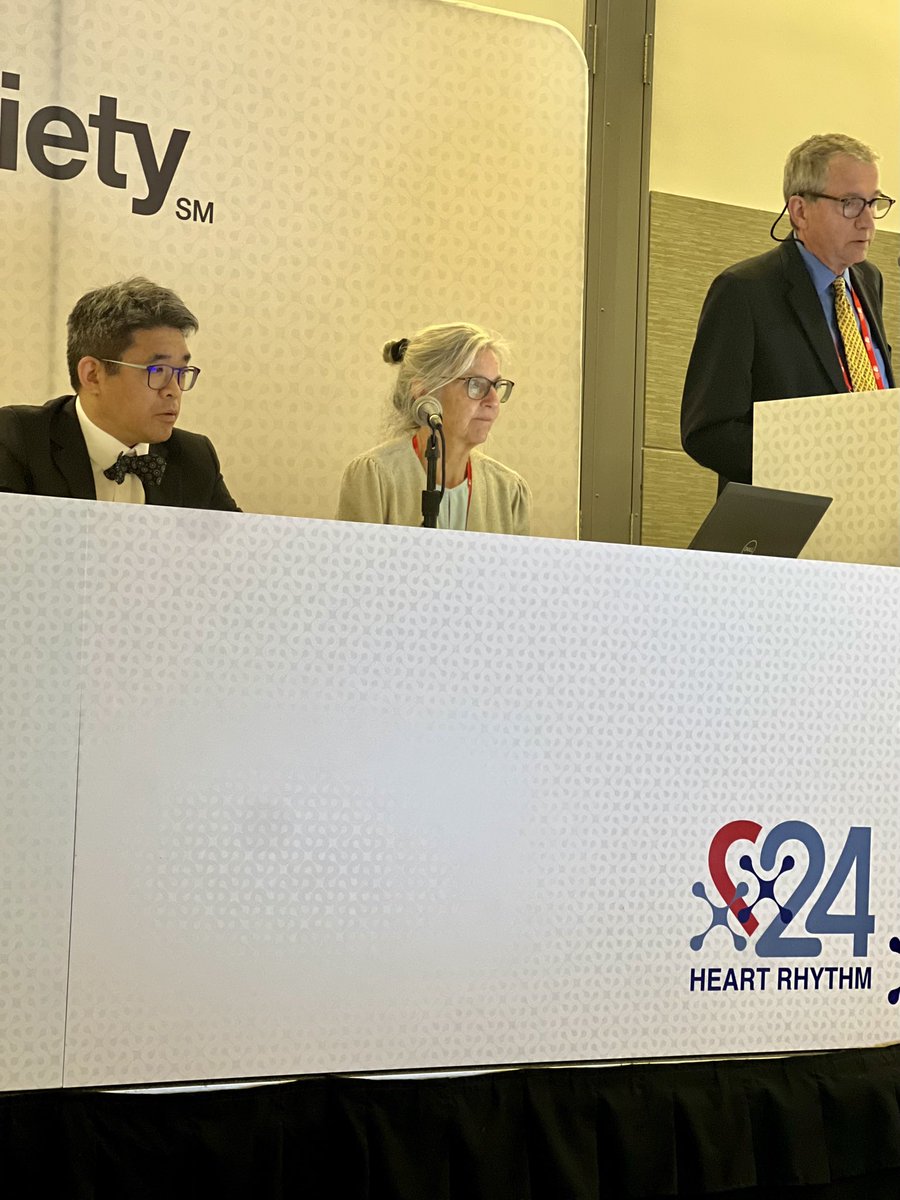
Today, Dr. @eugenechung01, Director of Sports E.P. @MassGeneralNews , alongside Dr. Rachel Lampert (Yale), unveiled the new HRS guidance on arrhythmia management in athletes.
Take a look 👉🏾 https://t.co/C2Uo9SqABc
#SportsCardiology#HRS2024
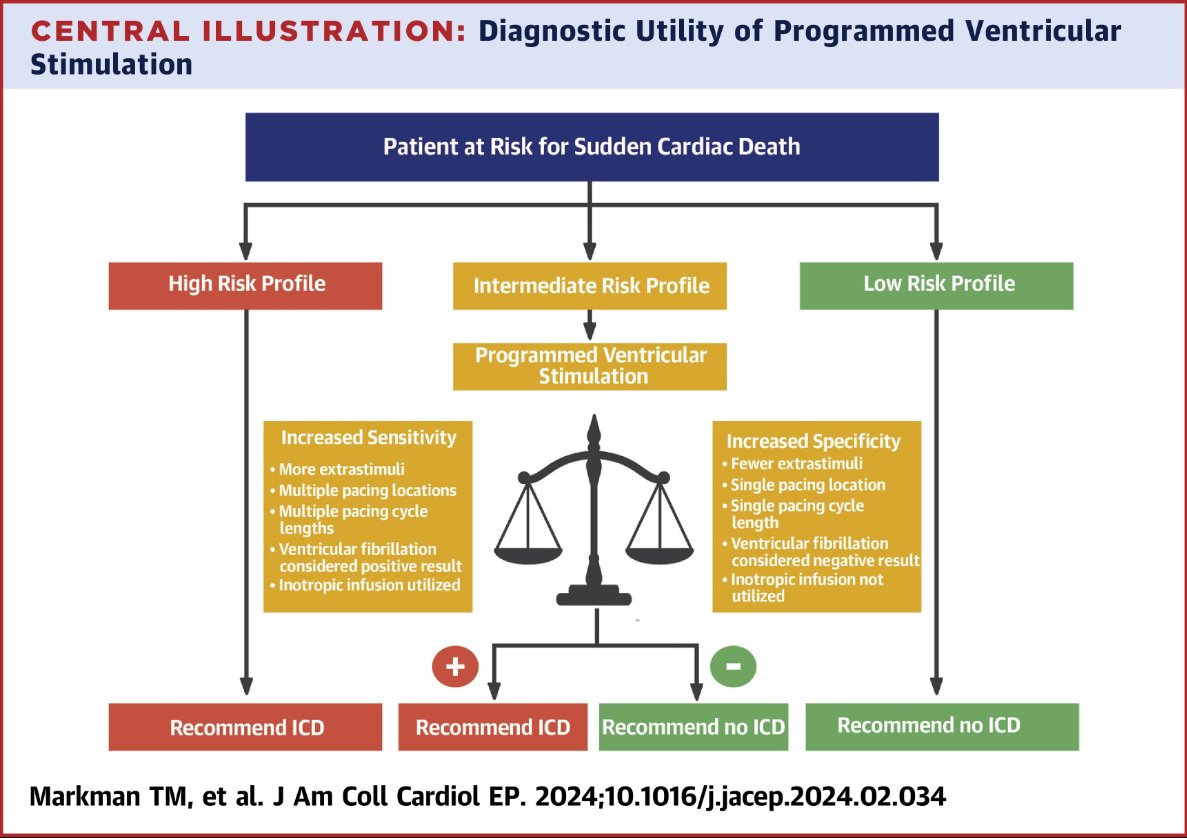
For all @CardioNerds who want to understand what #EPeeps mean by 'EP study' for risk stratification, our review in @JACCJournals covers the complicated history of ventricular programmed stimulation & how it is/can be applied today.@PennEPFellows https://t.co/PKNP0EELAV
1/12 - Mystery #1
You are seeing a patient recently diagnosed with heart failure and started on GDMT. You notice that their hemoglobin (HGB) has increased (12 → 13 g/dL) in the intervening weeks.
🤔Which medication is the likely cause of this increase in HGB?
Ticagrelor monotherapy following one month of #DAPT outperforms 12-month DAPT (aspirin & ticagrelor) post #PCI for reducing clinically meaningful bleeding with no increased thrombotic risk.
Read more from ACC News Story: https://t.co/fOjEl13c5z
#ACC24
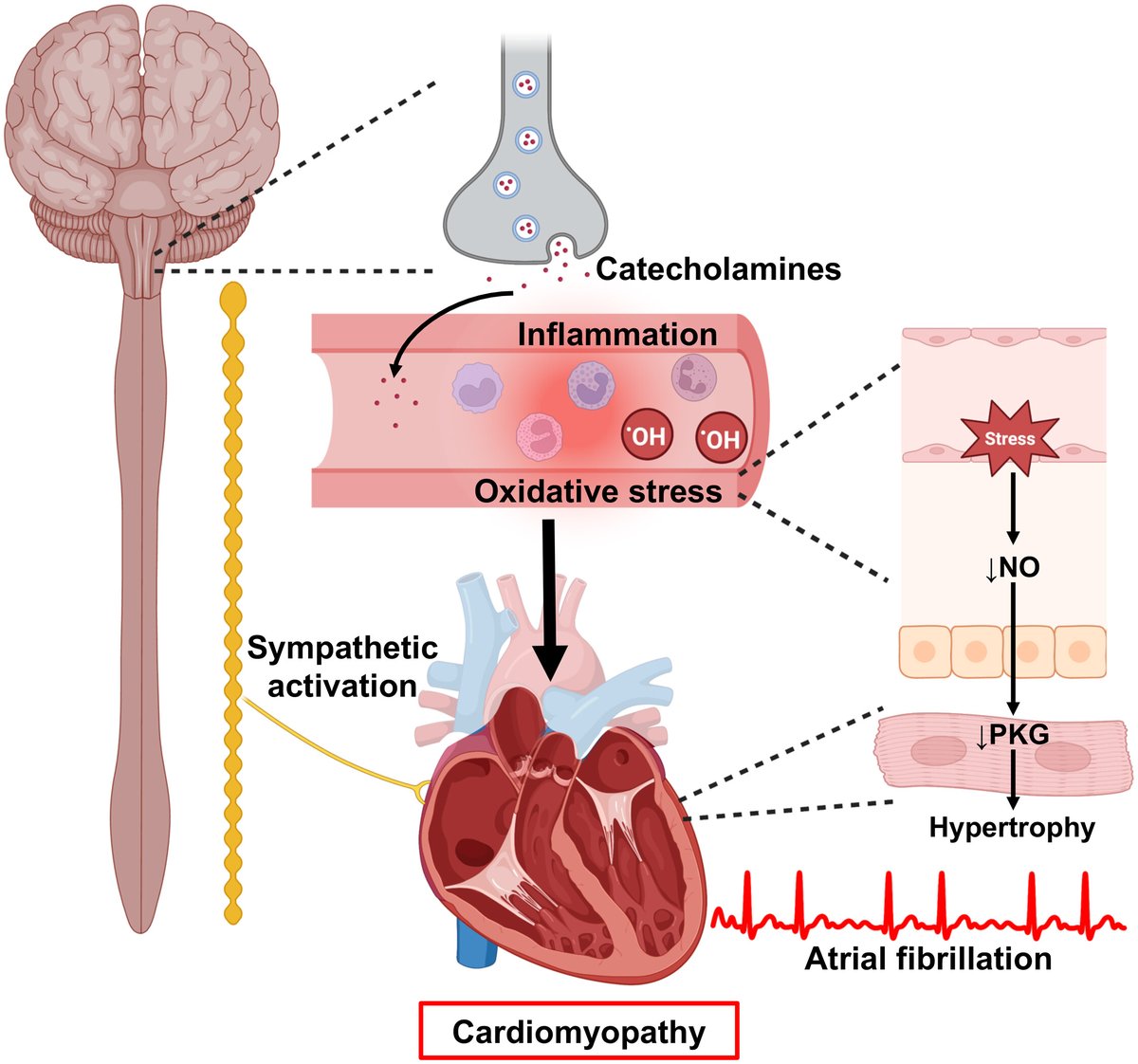
#AFib can impair ventricular function over time in up to 50% of patients
#AF-induced #cardiomyopathy mechanisms include systemic inflammation, oxidative and metabolic stress, cardiomyocyte calcium mishandling, and structural remodeling
More in JACC HF: https://t.co/dopKXx54C5
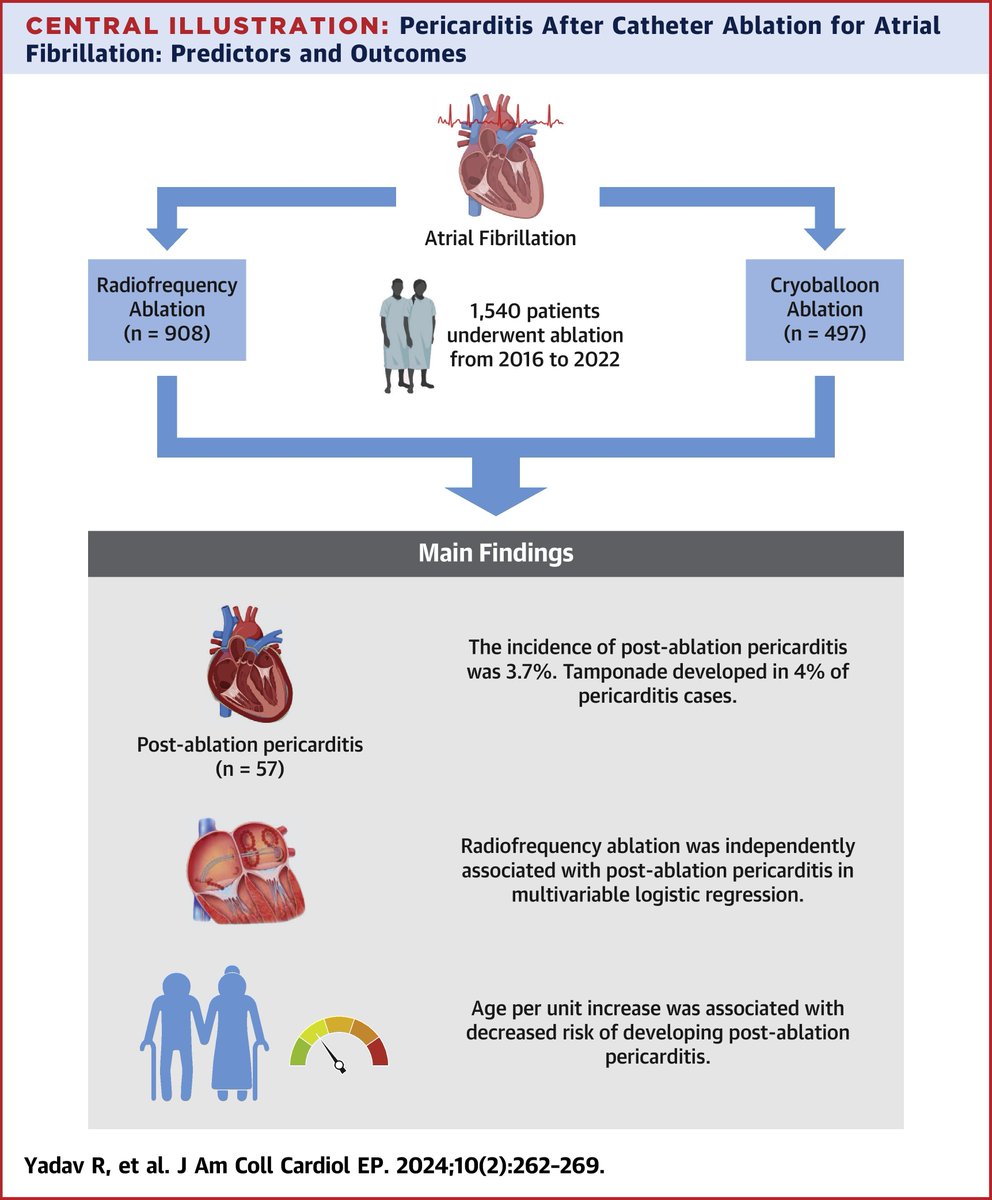
The incidence of acute #pericarditis after catheter ablation in this #JACCCEP study population was 3.7%. Radiofrequency ablation and younger age were independent risk factors for postablation acute pericarditis. https://t.co/77WE8fB4Wj
#epAblation#EPeeps#AFib
Relationship between Sex, Body Size, and Cardiac Resynchronization Therapy Benefit: A Patient Level Meta-Analysis of Randomized Controlled Trials
@DanFriedmanMD
https://t.co/BQaxi6OtLL