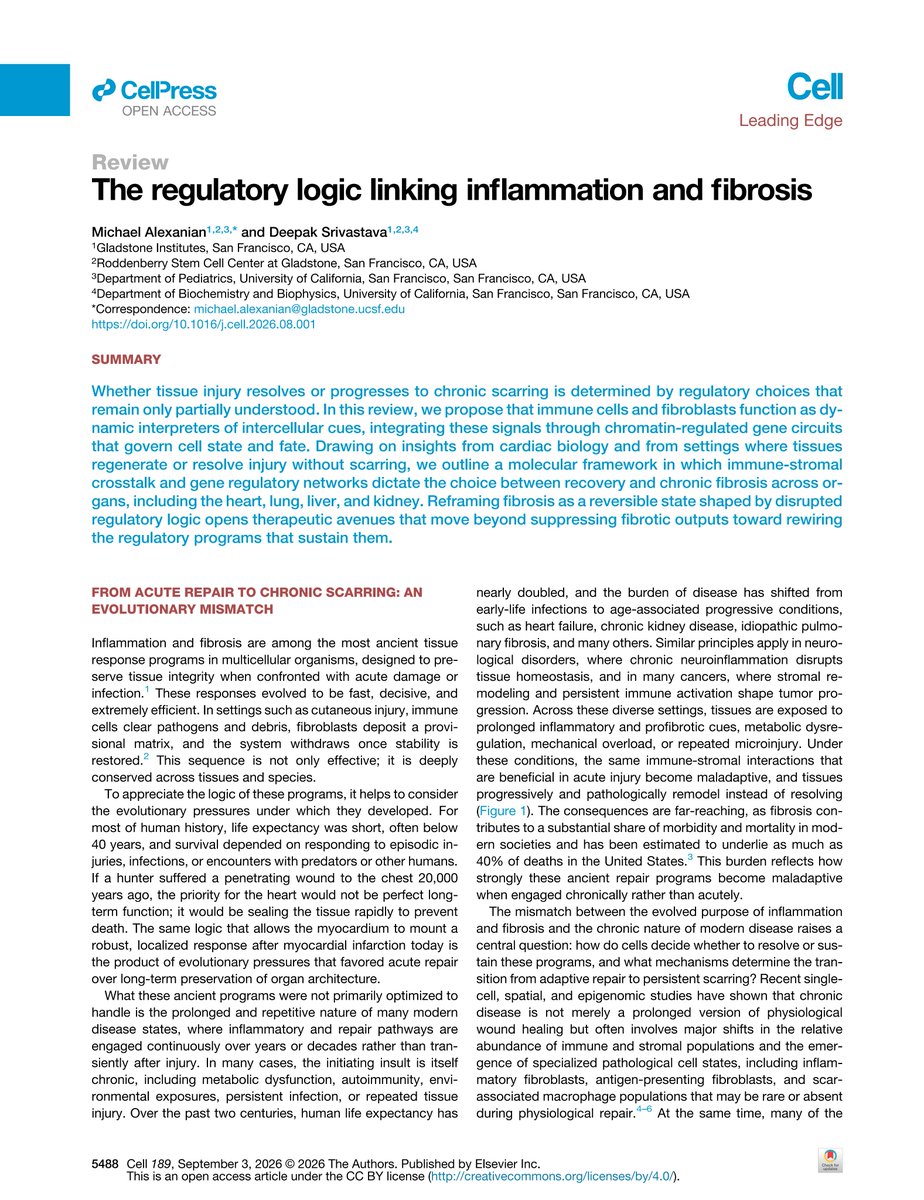
Excited to share our new review in @CellCellPress. We propose fibrosis is a reversible state encoded in chromatin circuits shaped by immune-stromal crosstalk, and that rewiring this logic may offer durable therapeutic paths. @GladstoneInst
https://t.co/PseOOQY93h
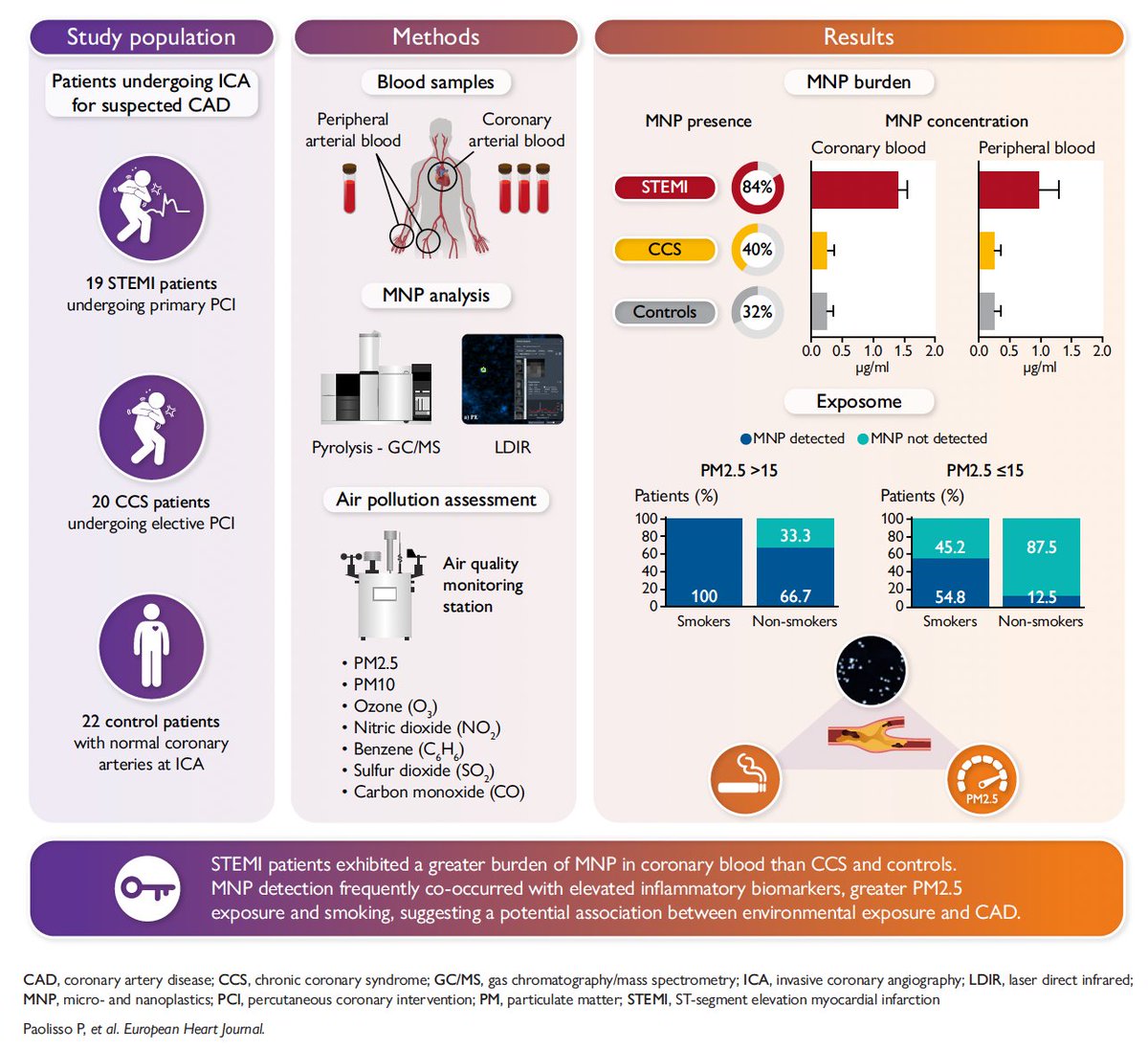
🚨1/ New in @ESC_Journals European Heart Journal: Micro & nanoplastics (MNPs) are detectable in the human coronary circulation and are higher in acute MI.
🔥2/ In patients undergoing coronary angiography, MNPs were found in 84.2% of STEMI vs 40% of chronic coronary syndromes & 31.8% of controls (P=.002), with higher concentrations & greater polymer diversity in STEMI. Polyethylene predominated (97%).
🔥3/ MNP detection co-occurred with ↑IL-6 & TNF-α, greater chronic PM2.5 exposure & smoking. Smoking was an independent predictor of MNP presence (OR 5.69). MNP detection independently predicted obstructive CAD.
🎯4/ A call to action to reduce exposure to MNPs, highlighting the cardiovascular exposome as an emerging frontier in cardiovascular risk.
👉Micro- and nano-plastics in the coronary circulation and air pollution exposure in ischaemic heart disease presentation https://t.co/627h2EUSUV
#Cardiology #MicroplasticsAndHealth #AirPollution #STEMI #CardiovascularDisease #Exposome #EuropeanHeartJournal #ESC
Obesity doesn't just affect the waistline—it reshapes the brain. Emerging evidence suggests chronic metabolic overload disrupts neurovascular coupling, blood–brain barrier integrity, cerebrospinal fluid dynamics, and myelination, creating conditions that may accelerate neurodegeneration. As obesity and neurological disorders rise in parallel, understanding these interconnected pathways could reveal new strategies to protect brain health across the lifespan. #Neuroscience #Obesity #BrainHealth
https://t.co/jb4TtNV1xu
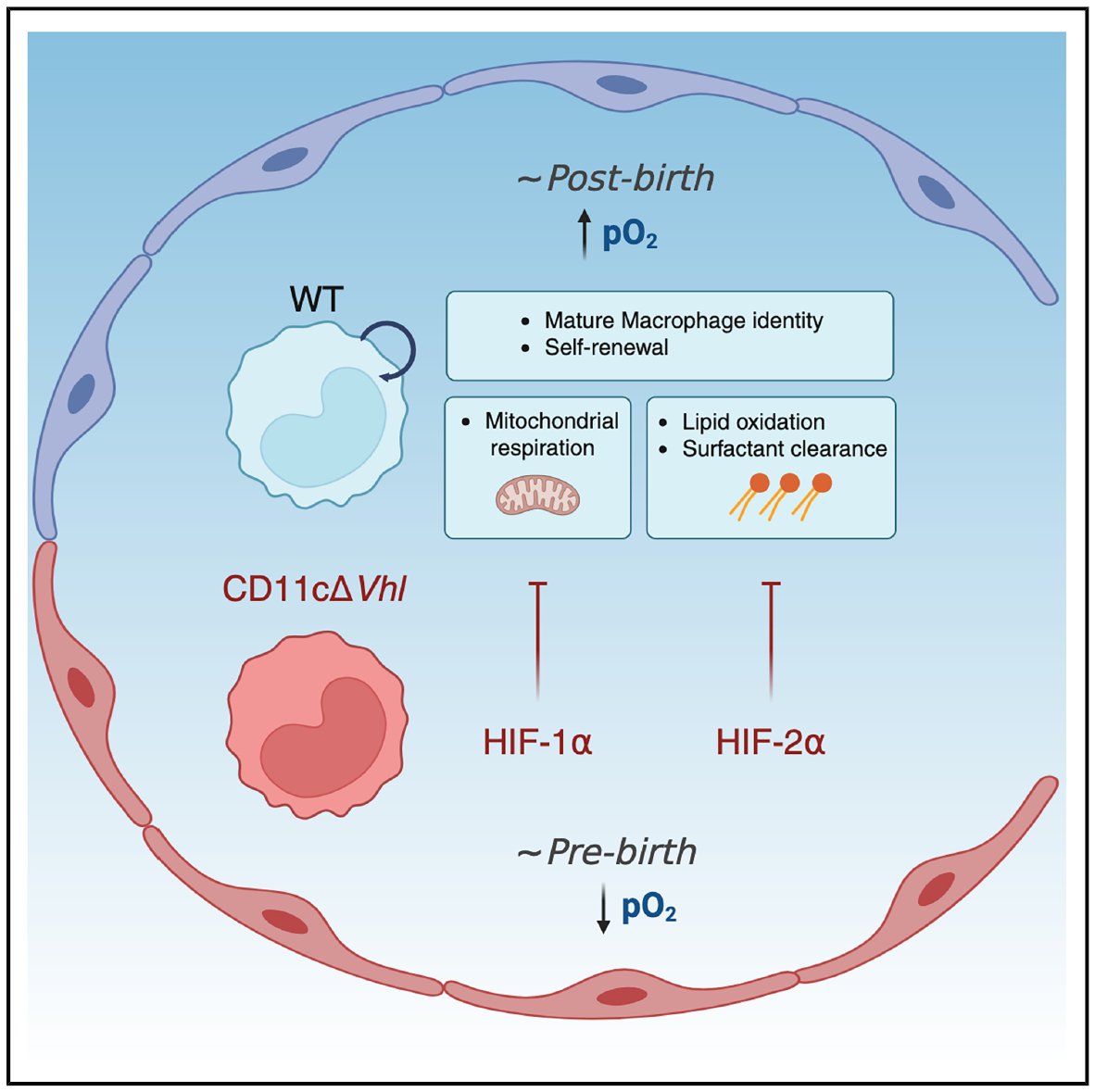
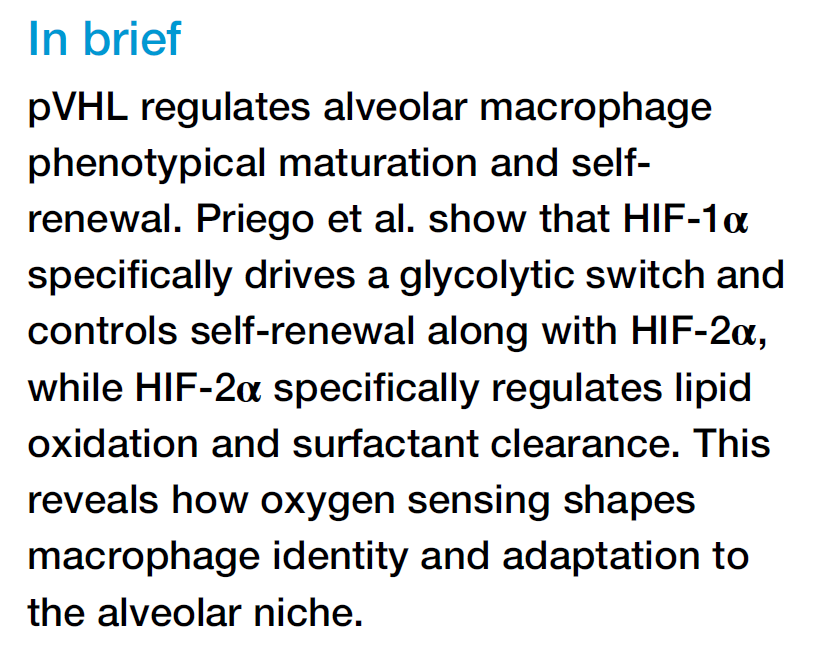
How does oxygen sensing shape alveolar #macrophage (AM) identity?
In our new @CellReports HIF-1α and HIF-2α play distinct, non-redundant roles in AM maturation & function
A #metabolic split that defines macrophage biology in the lung.
OPEN: https://t.co/1pxnHMUWgZ
@CNIC_CARDIO
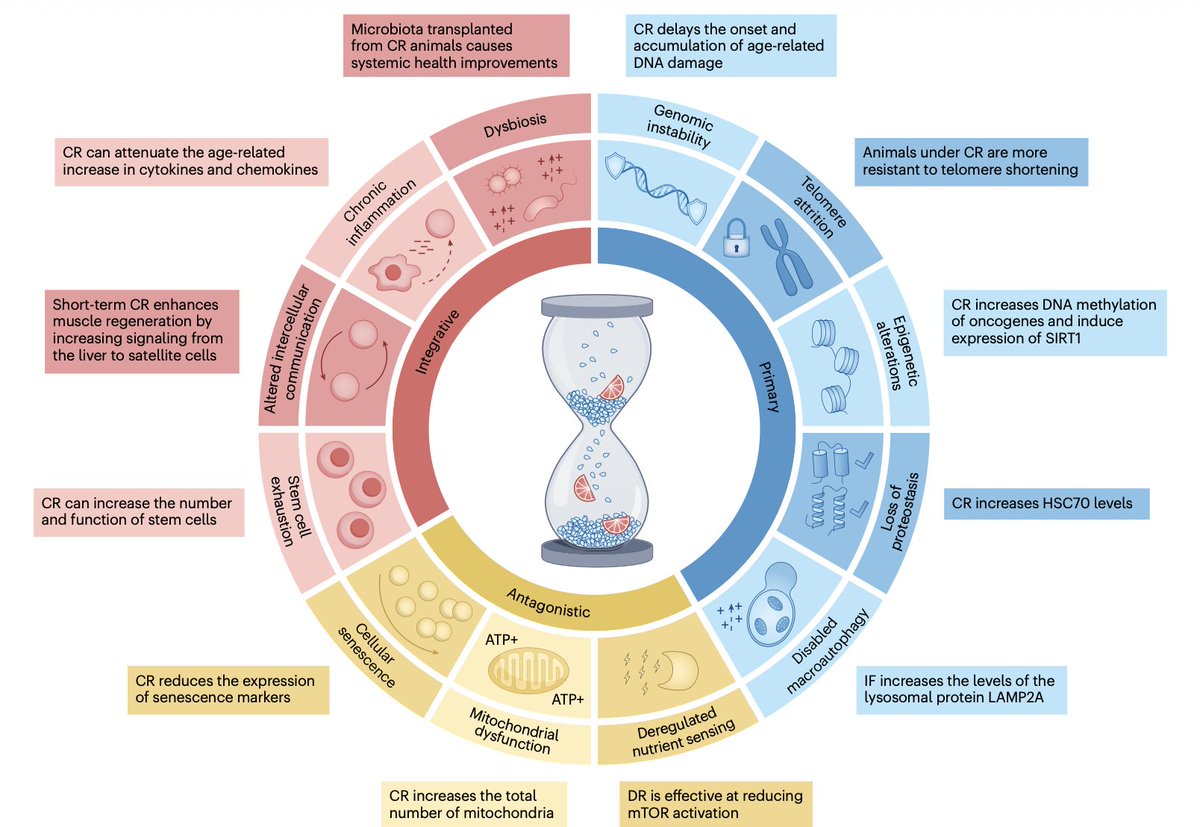
Dietary (caloric) restriction has so many salutary effects for slowing the aging process in animal models, but whether that can be simulated in some way in people remains unclear. This new comprehensive review @NatureAging is outstanding
https://t.co/xw5bmK3NaW
Honored and truly grateful to have received the Guido Tarone Award 🏆 for the Best Selected Abstract at the Heart Failure Association (HFA) Winter Meeting 2026 in Berlin 🇩🇪.
Our work, “Fibroblast–Endothelial Crosstalk in Cardiometabolic HFpEF–PH” .
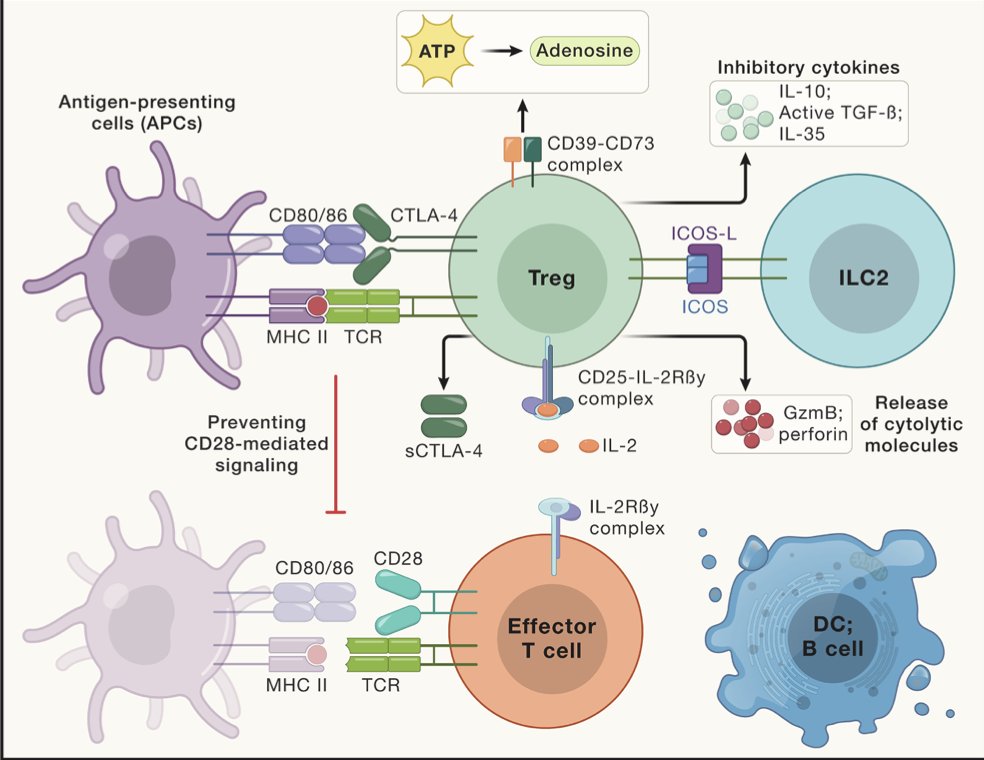
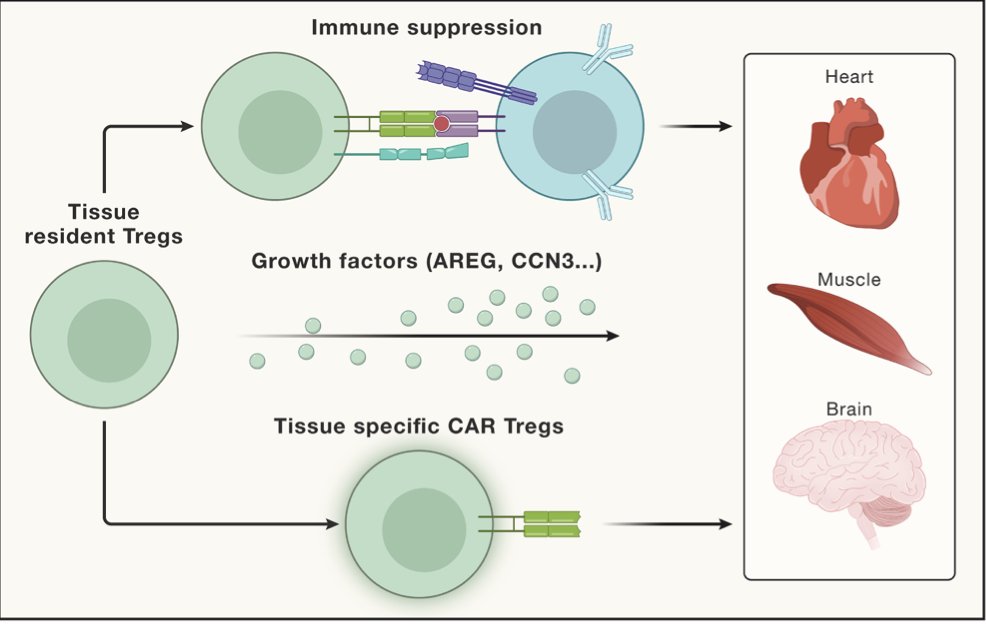
The science of regulatory T cells (Tregs) got the @NobelPrize last year. Now a first-rate review of where they are headed in the clinical arena
https://t.co/4xjNAeG3MV
I am thrilled to announce that I received an #ERC Consolidator Grant! This marks the very first #ERC grant in the history of our Cardiology Department, and I am extremely proud of this achievement. @CTECresearch@UZH_en @CardioZurich @PaneniLab
https://t.co/KGQvQCspxs
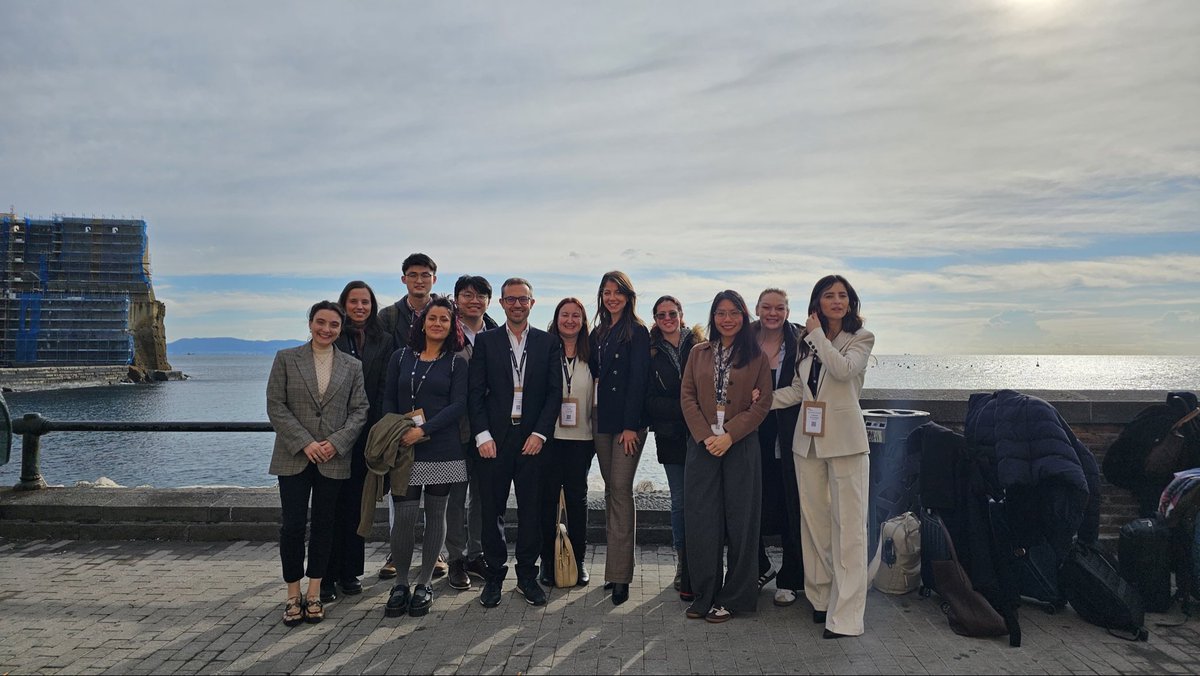
What a success for our Center at the #CBHF meeting in Naples! Congratulations to @LDiVenanzio and #ValeriaMasciovecchio for their awards! Celebrating great science with friends from all around the world💕
#CardiovascularDiabetology@BioMedCentral
Awards Associate Editors of the Year 2025 🎉🏅
Cardiovascular Diabetology is delighted to announce the Associate Editors of the Year 2025:
✨ Prof. @DidacMauricio
✨ Prof. @FrancescoPaneni
This recognition highlights their outstanding dedication, leadership, and invaluable contributions to advancing scientific progress in cardiovascular health and diabetes research 👏👏👏.
https://t.co/MHO8ne62Oj
Two days left to submit an abstract for oral presentation or poster for the New Cardiobiology at EMBL Heidelberg. Don’t miss it. Engineering and Cardiovascular is the future! Deadline extended to Nov 17th!
Amazing conference on gut microbiota as both a window and a lever for cardiovascular aging. Gut microbiota as a modifiable driver of cardiovascular aging, highlighting causal microbial pathways & metabolites & discussing strategies to therapeutically target them #FBRLectureSeries
🎥 Here’s another episode of the #KnowTheAuthors series by #CardiovascularDiabetology@BioMedCentral aimed at highlighting the brilliant scientists behind the research.
📺In this episode, Dr. Ruijie Xie presents key insights from their study on cardiovascular risk prediction in patients with type 2 diabetes using metabolomics.
📄 Read the full article: https://t.co/wp9V6lU19U
📺 Watch his research summary in the video below 👇
👏 Senior author: Ben Schöttker
🏥 Division of Clinical Epidemiology and Aging Research, German Cancer Research Center, Heidelberg, Germany
@VHentschke@fcowester@ZviFisman@FrancescoPaneni@CTECresearch
#CardiovascularResearch #DiabetesResearch