Two missions, two massive data releases, all in one place to explore them: @NASA_IRSA!
@NASA’s SPHEREx’s all-sky survey and @ESA_Euclid’s 900+ million galaxies are hosted at IPAC, with tools available to map, mosaic, and extract spectra from newly reprocessed data 🔭
This video is an overview of how to use IRSA Viewer to explore the all-sky SPHEREx HiPS map to explore the first year of SPHEREx data in DR1. As always, the video is in HD and has English subtitles. https://t.co/FLHOw93pFz
SPHEREx Data Release 1 (DR1) is now available at IRSA. DR1 includes reprocessed spectral images that form a uniformly processed dataset with Quick Release 3 (QR3). It includes an all-sky spectral cube covering 102 spectral channels from 0.75 to 5.0 um. https://t.co/ag6RCZO0Xm
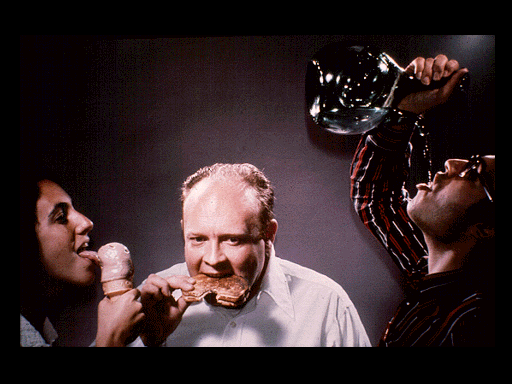
Did you know? IPAC’s own George Helou is on Voyager’s Golden Record! That’s him on the right, demonstrating how humans drink liquids 🥤
Today, Voyager 1 will be one light-day from Earth: the distance a particle of light can travel in 24 hours, or about 16 billion miles 🤯
This video is an intro to the Euclid Data Explorer, now using DR1 data. As always, the video is in HD and has English subtitles (click on the 'cc' button in the lower right of your YouTube window to turn on the closed captioning). https://t.co/O6hetlQKwk
The first installment of Euclid Data Release 1 (DR1) is now available at IRSA! ~1.8 PB of imaging, catalogs, and spectra covering ~1,900 square degrees of the Euclid Wide Survey, as well as observations of the Euclid Deep Fields and other fields. https://t.co/nIqdcShfAr
Today’s dataset (below) only covers about 14% of the total sky area Euclid will survey.
The full Data Release 1, to come in mid-2027, will build on today’s release and add more crucial parts to the cosmic puzzle, including observations of weak lensing, among others.
Stay tuned!
15/15
🕵️ The #DarkUniverse detective just dropped its biggest case file yet 📁
Observations of more than one billion objects.
Today's data release lays the foundation for @ESA_Euclid ’s best-ever 3D map of the Universe 👉https://t.co/9y7XHPSmC6
1/15
First light, first hello! ✨
IPAC Director Tom Greene and other IPACers met @Caltech's 10th president, Ray Jayawardhana. His inauguration honored the spirit of “First Light,” a telescope’s very first observation. Welcome, fellow stargazer! 🔭
#CaltechFirstLight
Cold, dark, and keeps to itself? 🖤
Brown dwarfs are “kind of goth,” says @caltechipac's Zafar Rustamkulov. Using NASA’s SPHEREx, scientists studied 37 of these cosmic loners and found water, methane, and clouds that today’s models struggle to match.
https://t.co/oKmBuiww1W
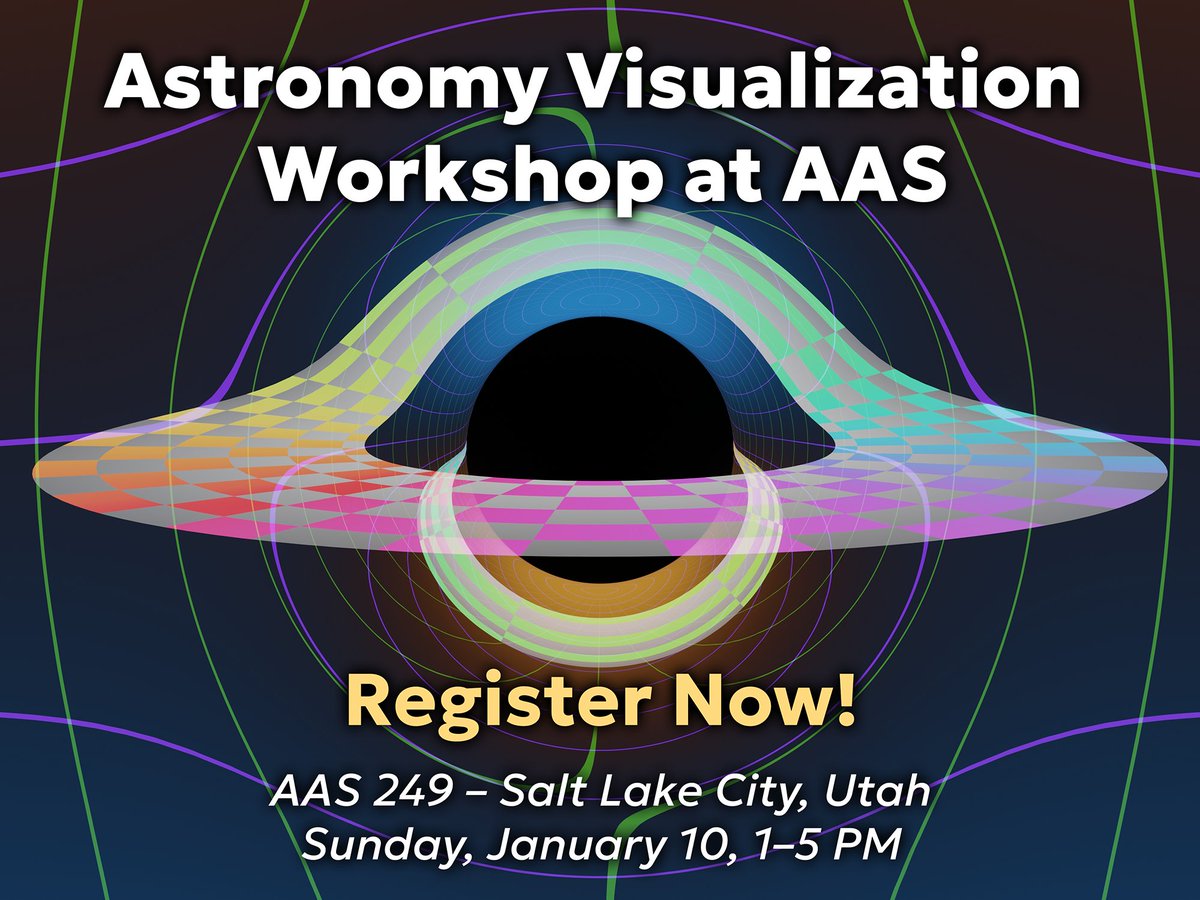
Register for the #AAS249 workshop “Effective Astronomy Visualizations for Engagement, Learning, and Research” Sunday Jan. 10, 1-5 PM!
The workshop will cover visual storytelling fundamentals and a hands-on demo. All AAS attendees are welcome!
https://t.co/Fp7BdQWJWL
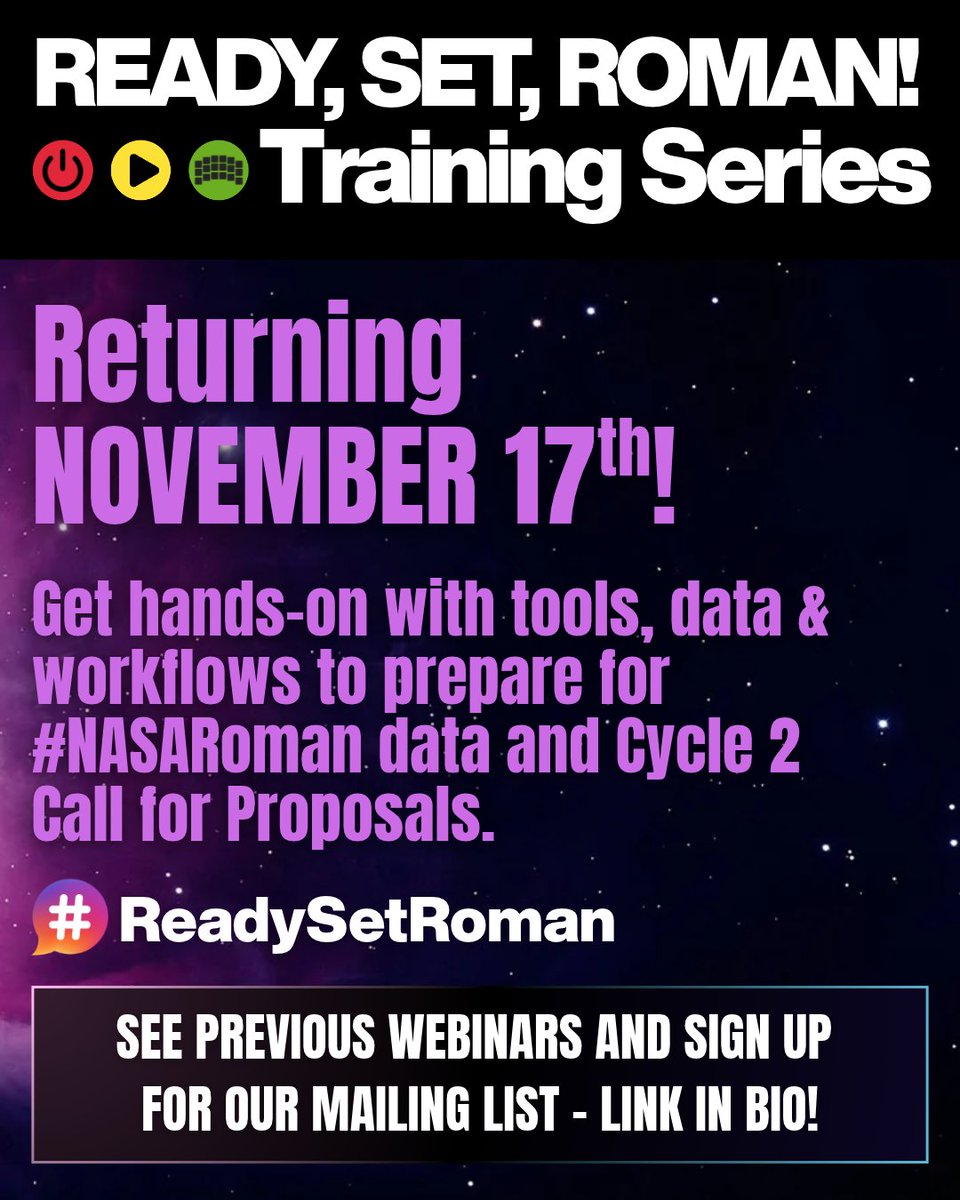
Ready, Set, Roman! Training Series restarts this November! 🚀
Get hands-on with tools, data, & workflows to prepare for #NASARoman data and Cycle 2 Call for Proposals.
🔗 See previous webinars and sign up for our mailing list: https://t.co/ZsZkQrL5HY
#ReadySetRoman
Exciting news! 🌌
We're thrilled to announce Dave Cook as the new Project Scientist for the NASA/IPAC Extragalactic Database (NED)! His expertise in extragalactic astrophysics will lead NED into a new era of cosmic discovery.🚀
https://t.co/hGN4P3wXb4
🌟After 37 years of exploring the infrared frontier, Joe Mazzarella retired last month! As a long-time IPACer and lead for the NASA/IPAC Extragalactic Database (NED)—widely known as the "Google for Galaxies"—Joe's impact on astronomy is immeasurable.🌌🔭
https://t.co/aq5ppUZBM9
UVEX will be the first-ever telescope to make deep maps of the entire sky in ultraviolet light, and will provide new insights into some of the most powerful blasts in the cosmos.
Read more: https://t.co/8KobOFBFy1
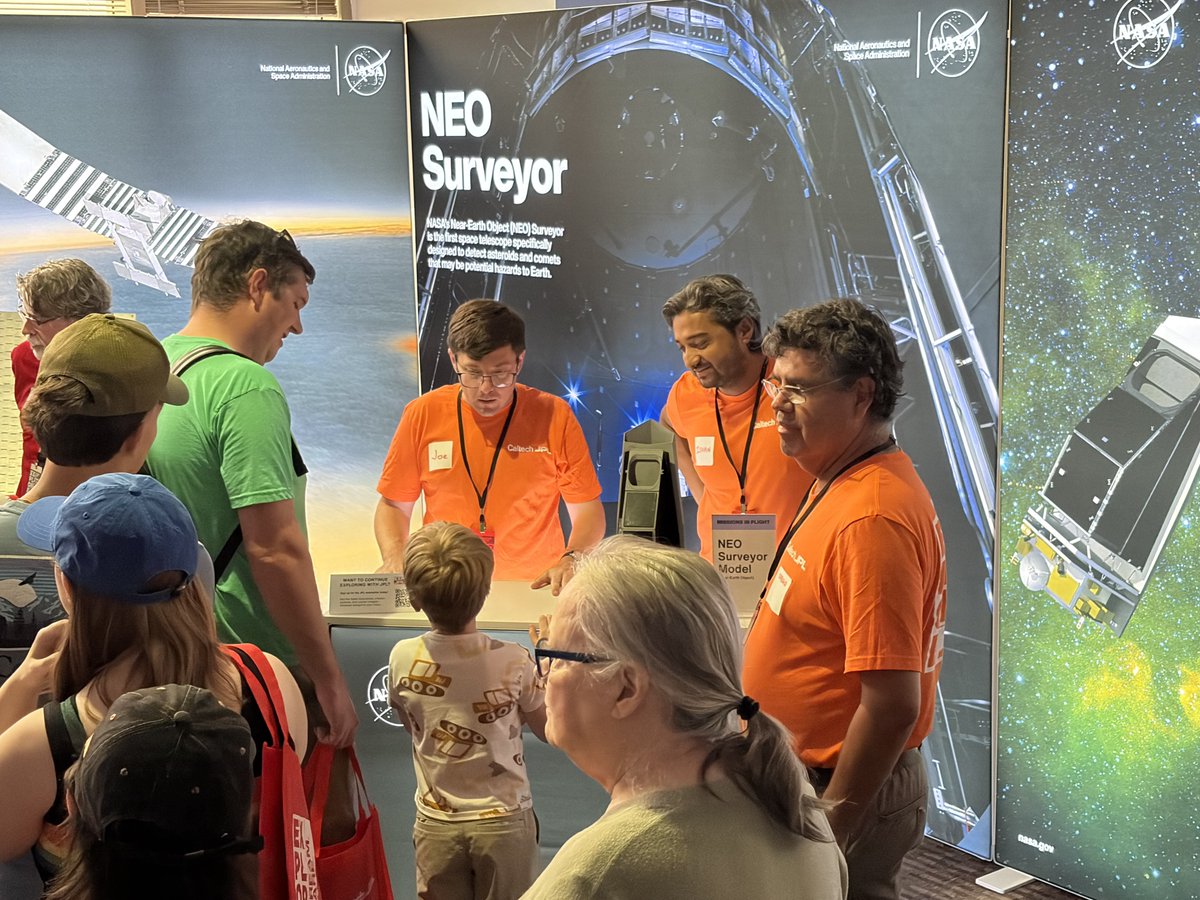
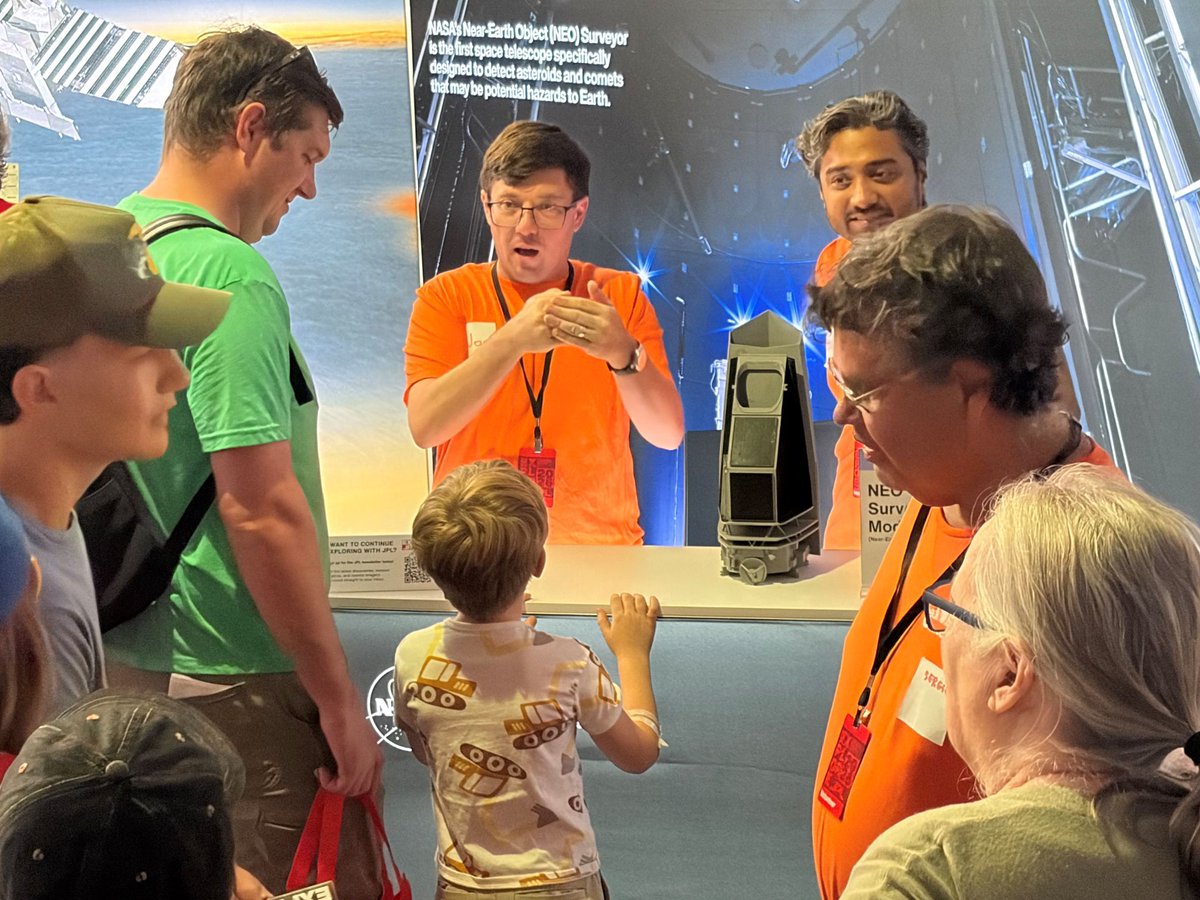
IPAC scientists brought asteroid hunting to Explore JPL! ☄️
Ishan Mishra, Sergio Fajardo-Acosta, and Joe Masiero showed @NASAJPL visitors NEO Surveyor, a space telescope designed to find potentially hazardous asteroids and comets.
https://t.co/MgfYCNI97G
First observation: SUCCESS!
@NASARoman's Coronagraph Instrument has taken its first observation, and “we're all extremely pleased with how well things are working,” said Alexandra Greenbaum, Coronagraph Data Management System Lead at IPAC.
https://t.co/uhbBISVZon
Over One Thousand TESS Planets Discovered!
This week's 70 planets mark a new milestone: over 1,000 planets have been discovered with data from NASA's Transiting Exoplanet Survey Satellite (TESS)! These additions bring the archive's total confirmed planet count to 6,445. 🧵
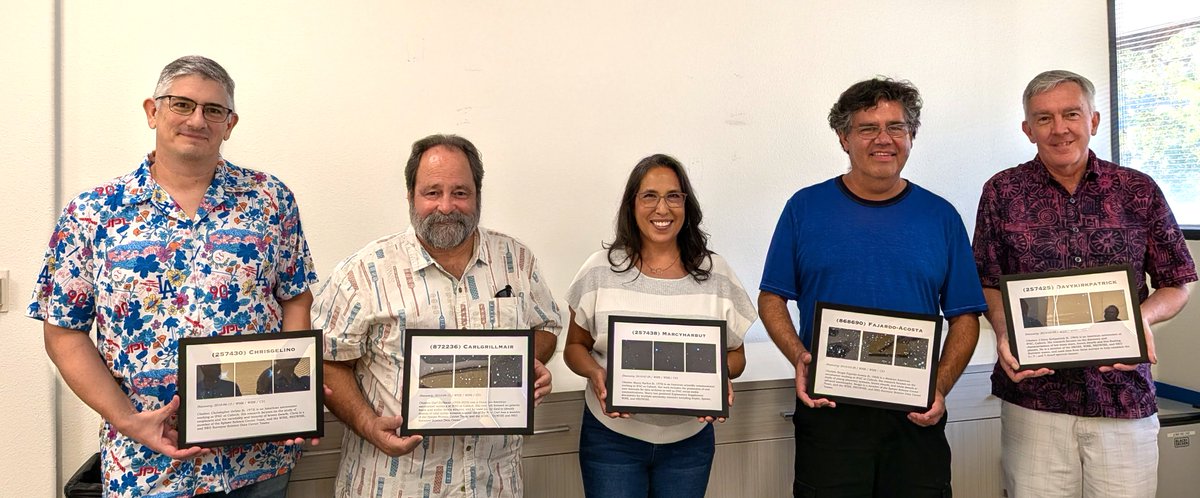
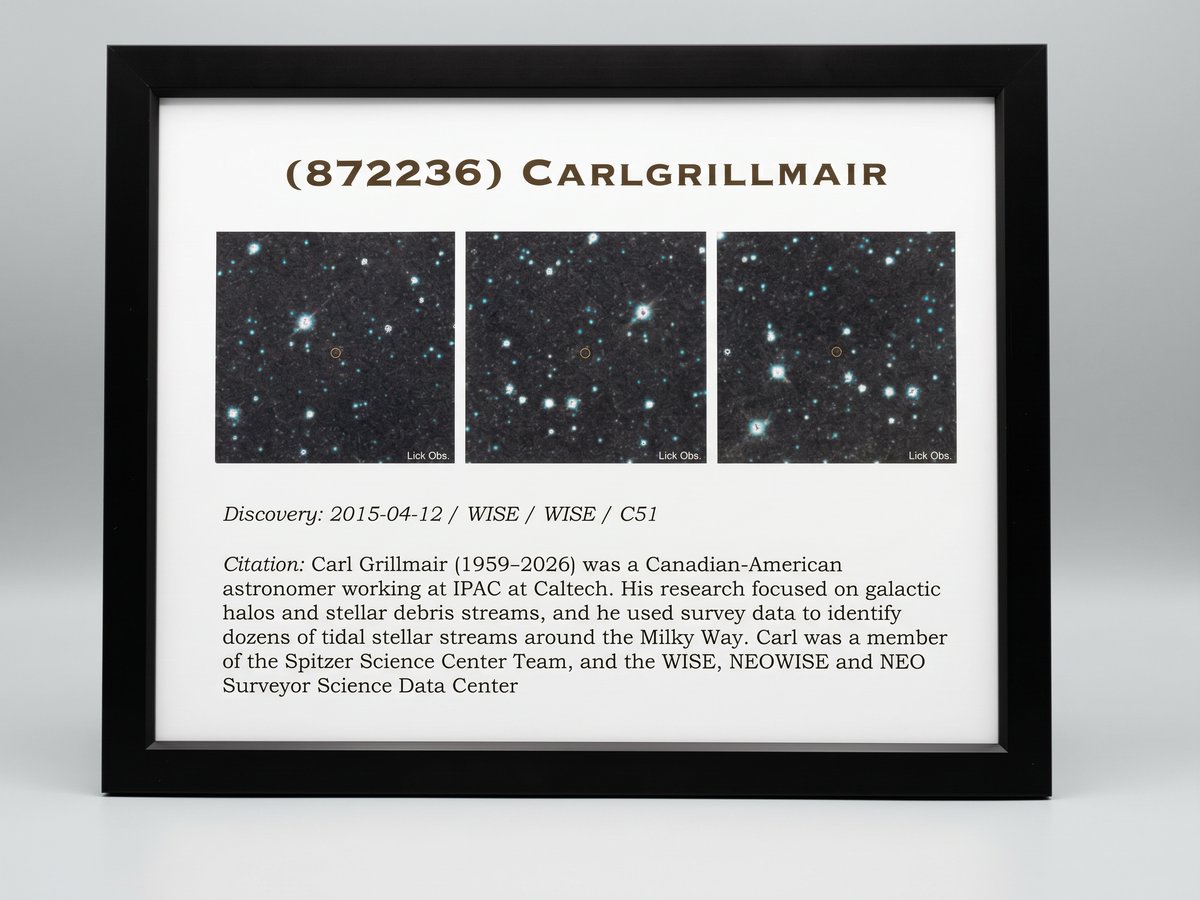
The NEOWISE mission may have ended, but our team’s work lives on in space forever. 🚀
Some IPAC staff members have been officially designated as minor planets! ☄️ It's an honor to celebrate this milestone and carry forward Carl Grillmair's legacy. ✨
https://t.co/ufBbQAgqqZ