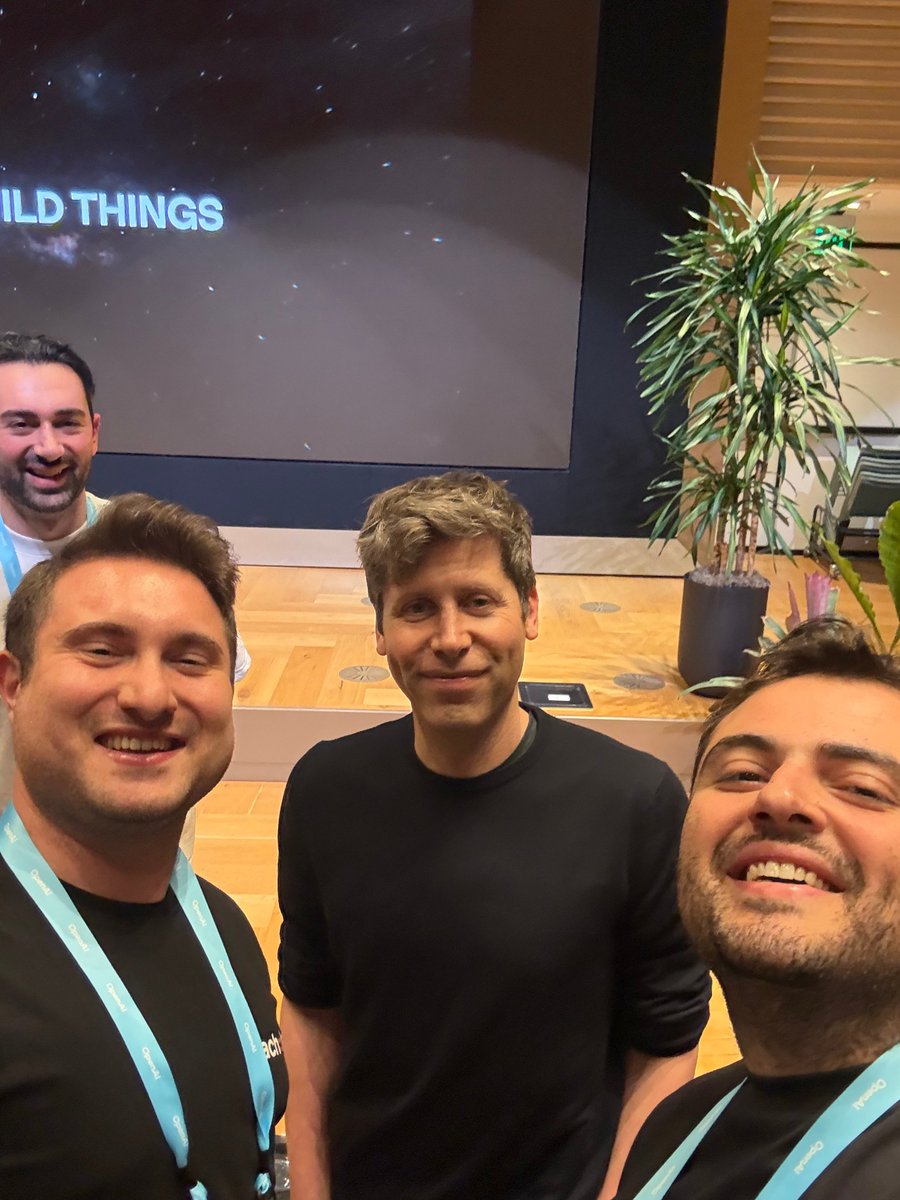
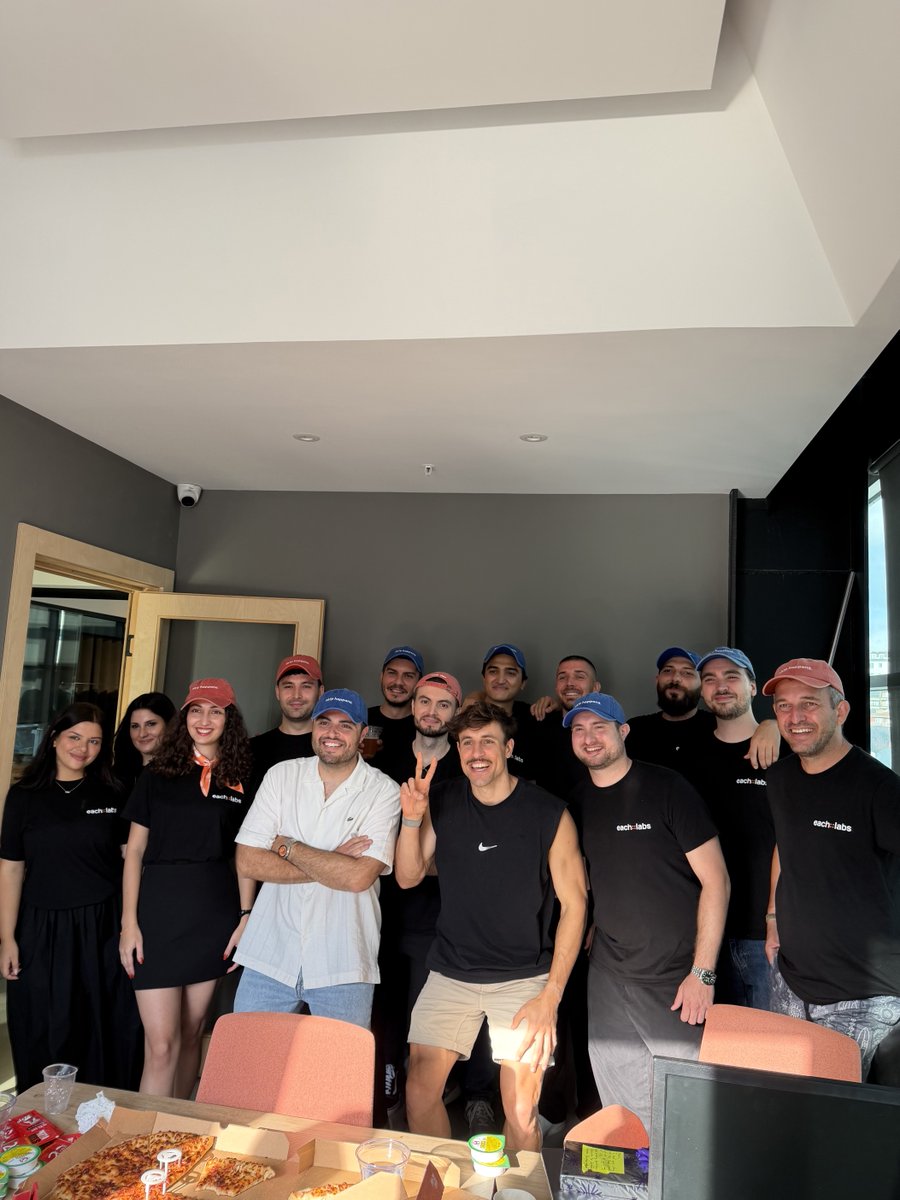
Proud of our @eachlabs team for bringing Istanbul’s builders together. We spend our days building tools for this community; getting everyone in the same room makes it personal.
Thank you @marclou & @alexwestco. Always welcome here, baklava included 🇹🇷
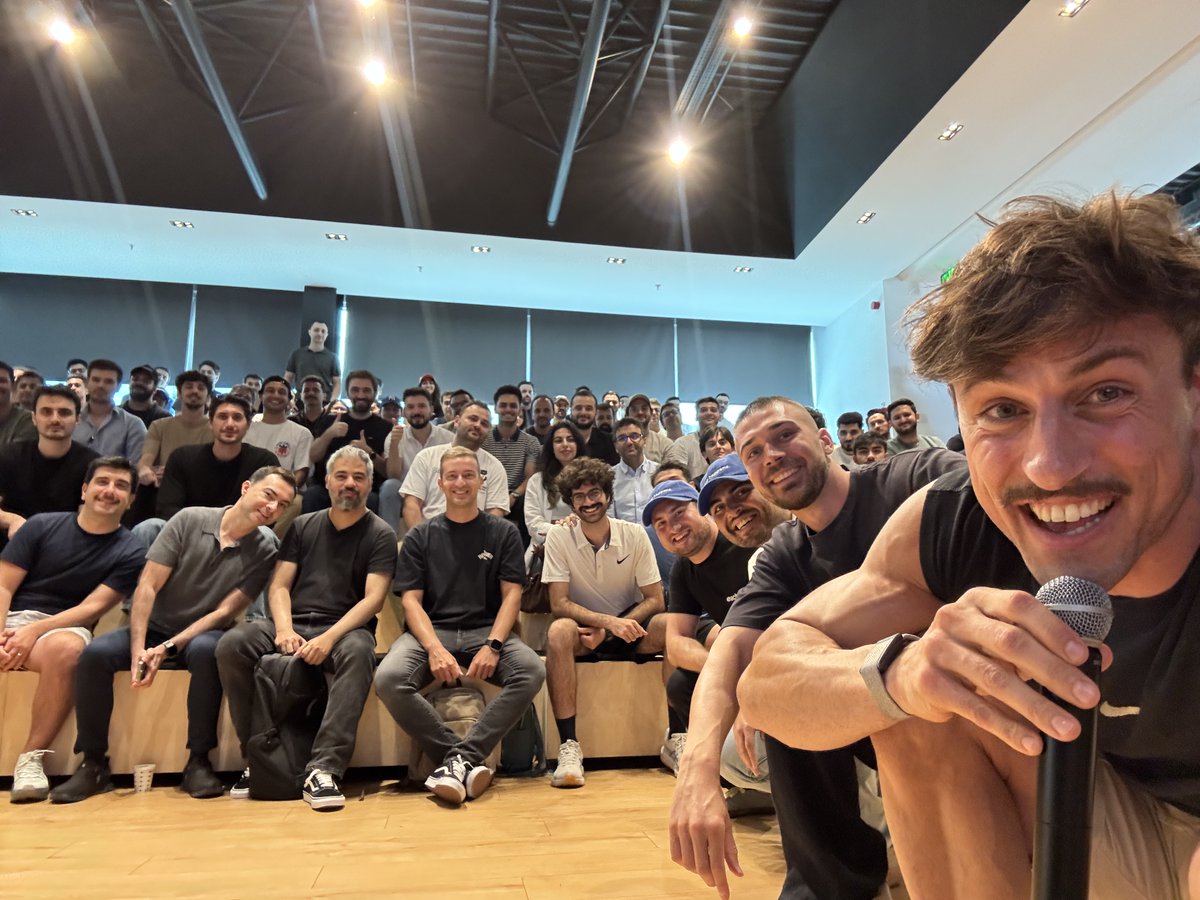
Istanbul meetup sold out in 2 hours!
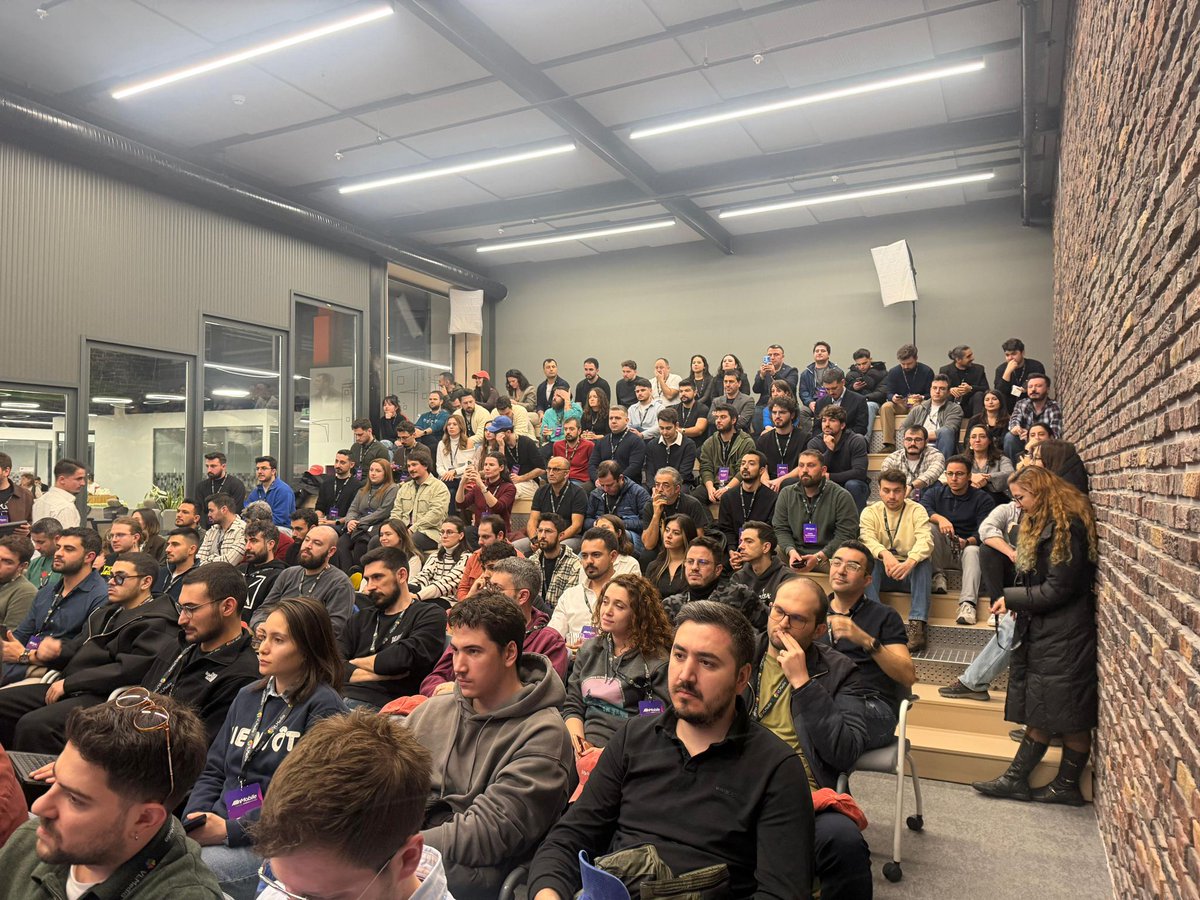
~150 people came. The team at @eachlabs booked a wonderful venue and organized everything!
They even brought baklava, and I ate one on stage 😅 Tip: Twist the baklava upside down so it's doesn't drip.
My dear friend @alexwestco flew from Cyprus to give a little speech too. He's been going from 0 → $1M → 0 again. He summed up 10 years in a 10-minute speech.
I've been humbled by how welcoming Turkish people are. Everybody is just so kind and warm!
Thanks to everyone who joined yesterday, it was awesome seeing you ❤️
🔥 This Flint Image Edit.
Finally, the edit model you wanted, but cheaper.
Still editing one version at a time?
Flint Image Edit takes up to ten reference images and one prompt, and returns four edited versions in a single call.
This is Flint Image 🔥
Still generating images one by one?
Generate four images from a single prompt for 67% less than standard generation.
Same quality. More options. One generation.
The math speaks for itself.
Try it now!
Agents are part of a massive, interconnected ecosystem. But how do they find and trust each other across different platforms?
Today, we’re proud to announce the Agentic Resource Discovery (ARD), an open specification alongside industry partners (including Cisco, Databricks, GitHub, GoDaddy, Hugging Face, Microsoft, NVIDIA, Salesforce, ServiceNow, and Snowflake). ARD gives any agent a secure, decentralized way to discover and verify capabilities (like tools, skills, MCP servers, and other agents) anywhere on the web.
Read the full announcement and get started: https://t.co/1I9WsT0tyH
Introducing the Open Knowledge Format (OKF), an open specification that formalizes the LLM-wiki pattern into a portable, interoperable format.
AI is only as smart as the context we give it. As we build more advanced, agentic AI systems, they need accurate metadata and context to be useful. But in most organizations, that context is locked inside fragmented data catalogs, isolated wikis, scattered code comments, or the minds of senior engineers. Every time a new AI agent is built, teams are forced to solve the exact same context-assembly problem from scratch.
To solve this, we've announced OKF, a vendor-neutral, open specification that formalizes the "LLM-wiki pattern" into a portable, interoperable format. It provides a standardized way to represent the enterprise knowledge that modern AI systems rely on.
— Just markdown: readable in any editor, renderable on GitHub, indexable by any search tool
— Just files: shippable as a tarball, hostable in any git repo, mountable on any filesystem
— Just YAML frontmatter: for the small set of structured fields that need to be queryable: type, title, description, resource, tags, and timestamp
We’ve also shipped reference implementations to help you hit the ground running, including an enrichment agent for BigQuery, a static HTML visualizer, and live sample bundles on @github → https://t.co/ilhAMCrcTc
➕ Knowledge Catalog can now natively ingest OKF!
Stop reinventing data models and building bespoke integrations for every new AI tool. Here's more about how OKF works → https://t.co/FR4kJRsgEH
Intelligence should be open, accessible, and ready to build with, empowering every developer, everywhere.
GLM-5.2 is now available to all GLM Coding Plan users, including Lite, Pro, Max, and Team plans.
https://t.co/AedZACyzej
As our new flagship model, GLM-5.2 delivers powerful coding capabilities, usable 1M-context support, and continued strengths in long-horizon tasks.
API and Chatbot services will launch next week. The model will also be officially open-sourced next week under the MIT License.
The future of AI is open, and it belongs to the people.
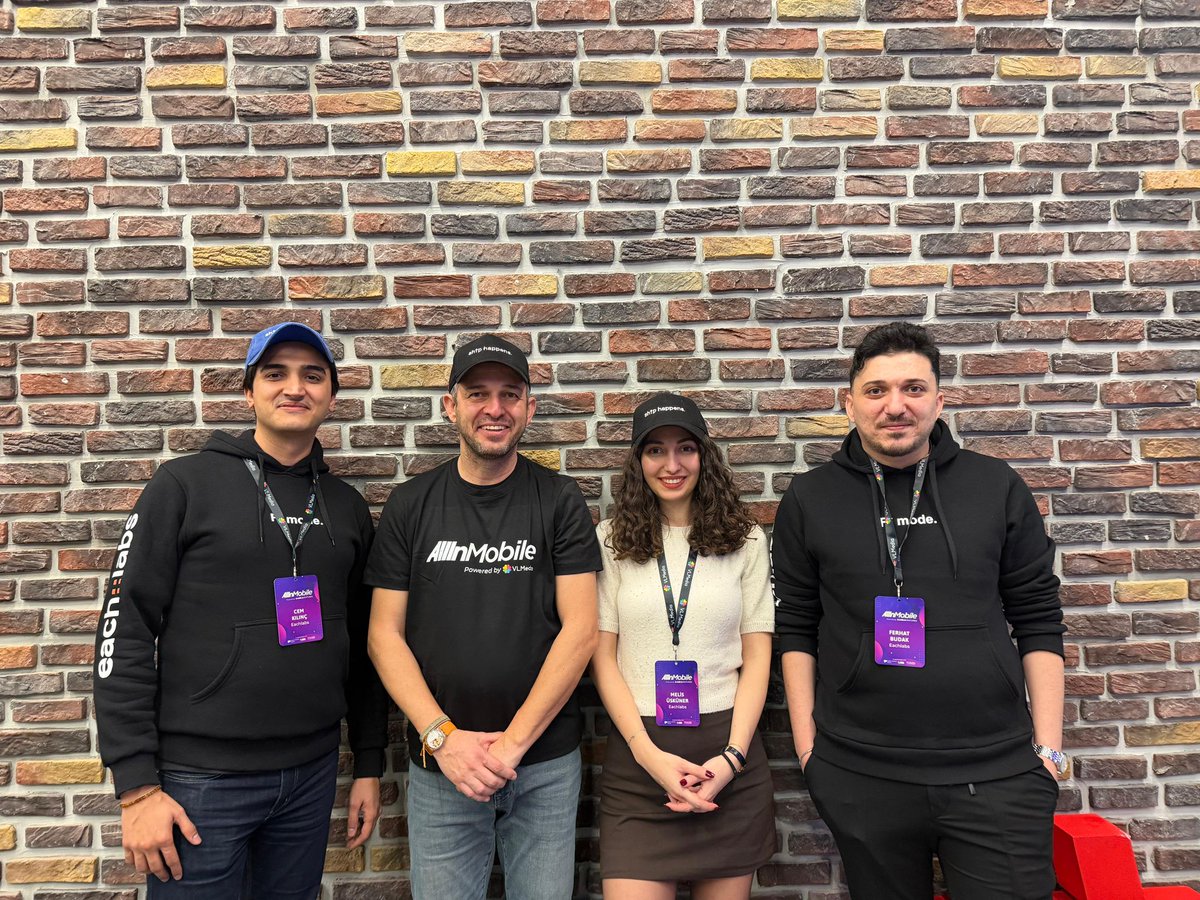
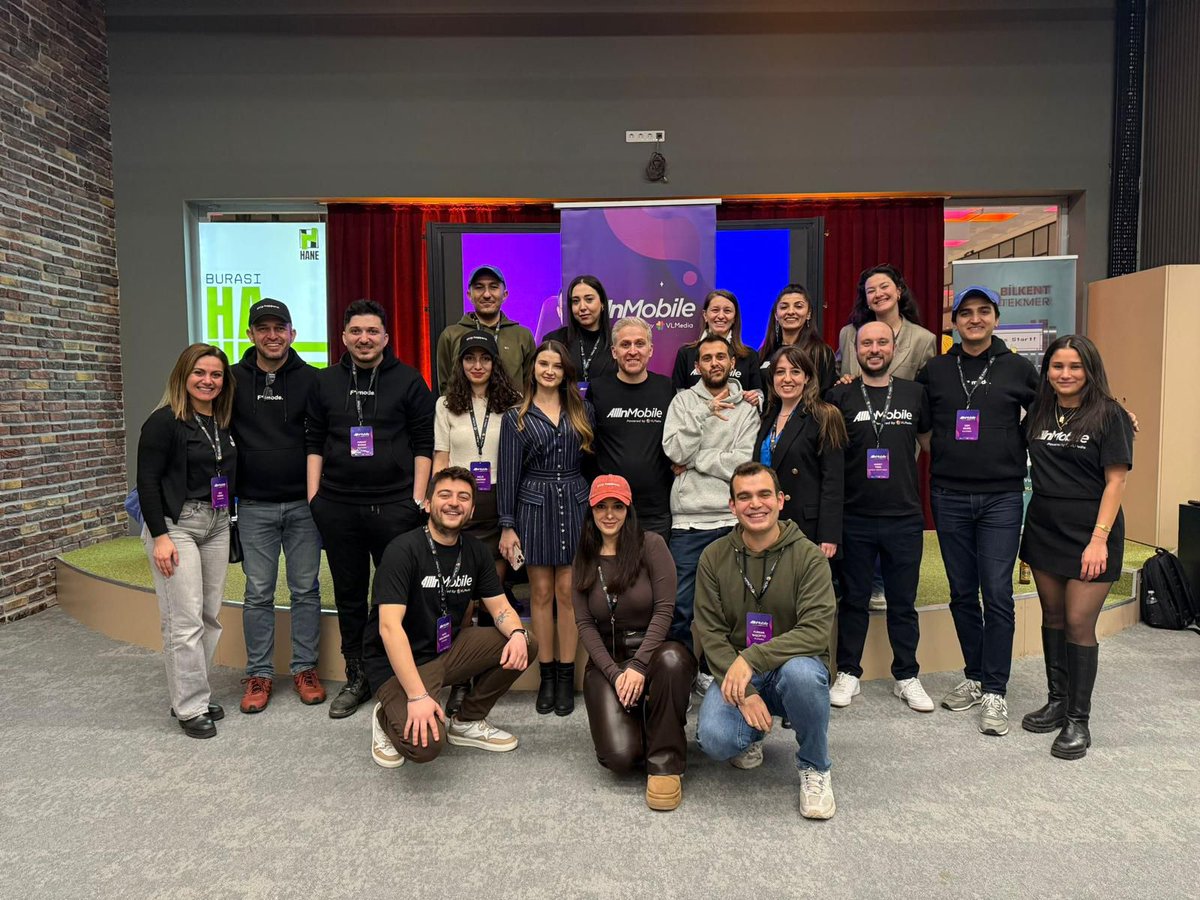
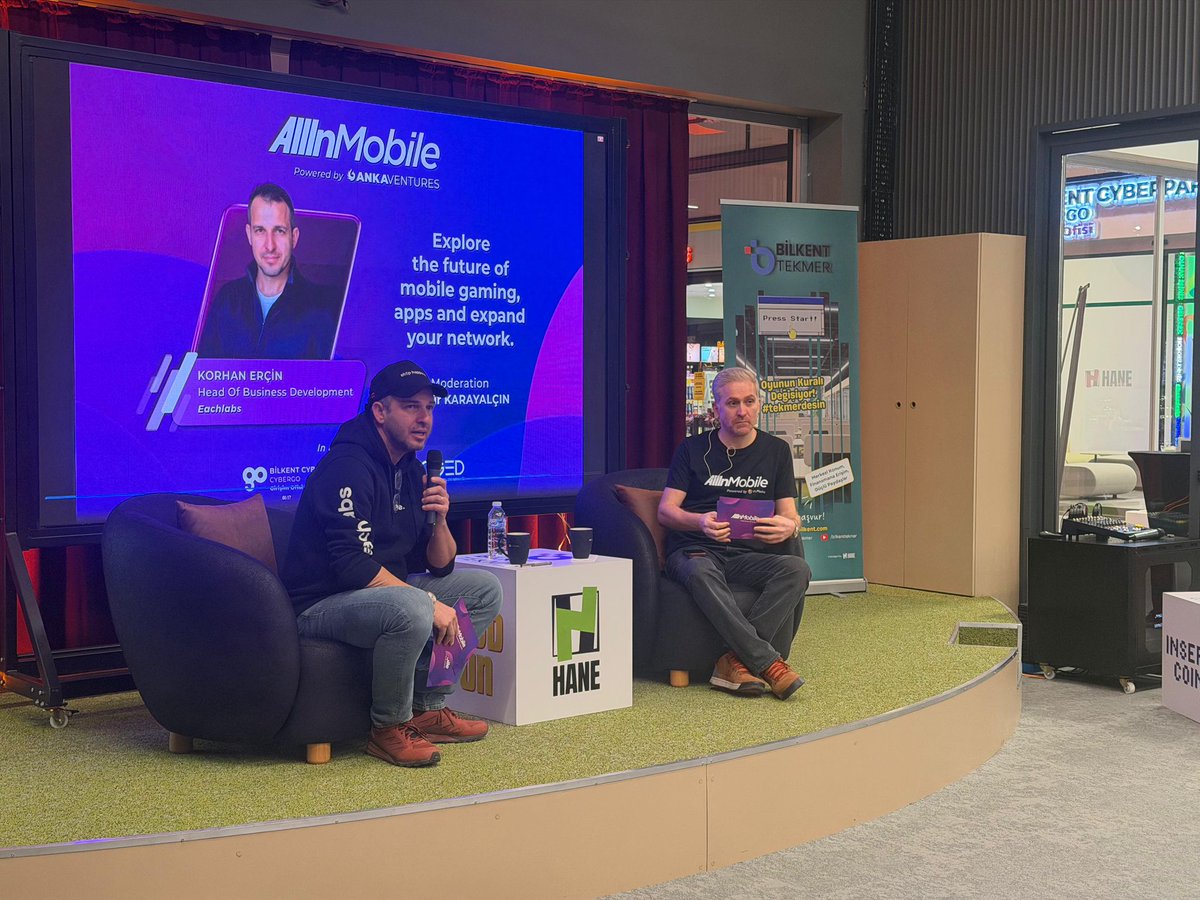
🚀 The app world looks very promising for Türkiye.
@KorhanErcin shared insights on new trends in the app ecosystem and how to identify investment opportunities.
Thank you to everyone who joined the event, and special thanks to @VLMediaCo for the invitation.
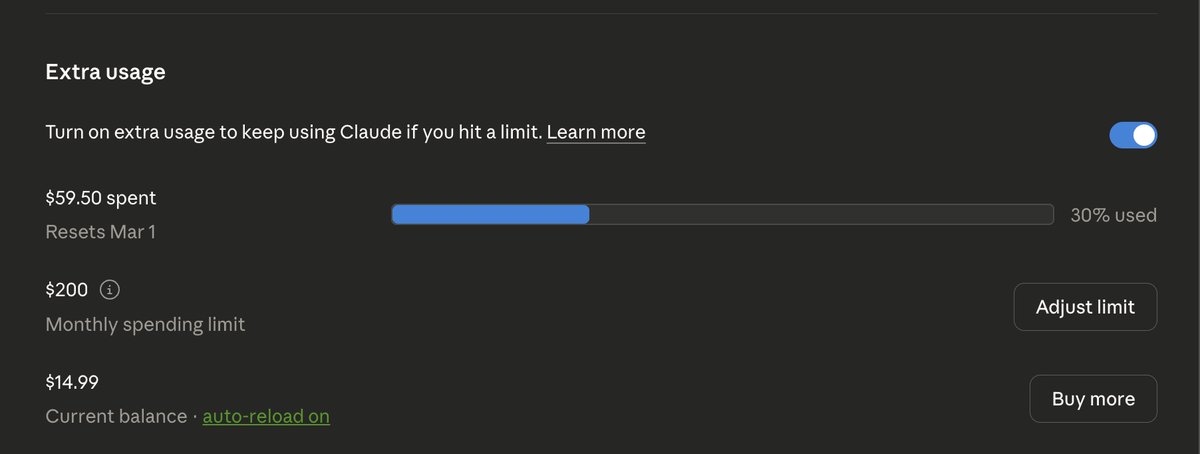
@AnthropicAI just dropped Opus 4.6 and gave everyone $50 to try it.
I spent $59.50 on a single prompt.
The speed is unreal. The capability? Honestly hard to tell with one prompt, but I didn't feel any downgrade from what I've seen.
Here's the thing though: even at 50% reduced pricing, this is way too expensive to actually build with. One prompt shouldn't cost more than a nice lunch.
Amazing for marketing. Fun to experience. But I'm struggling to see the real use case for builders shipping daily. We need this kind of intelligence at 10x lower cost before it changes how we actually work.
My hope is that TPU economics will get us there eventually. GPU pricing can't be the ceiling forever.
One thing that does worry me: when you introduce a "fast" tier, there's always a temptation to slow down the regular tier to make fast look faster. @Apple did it with iPhones. I hope Anthropic doesn't go down that road.
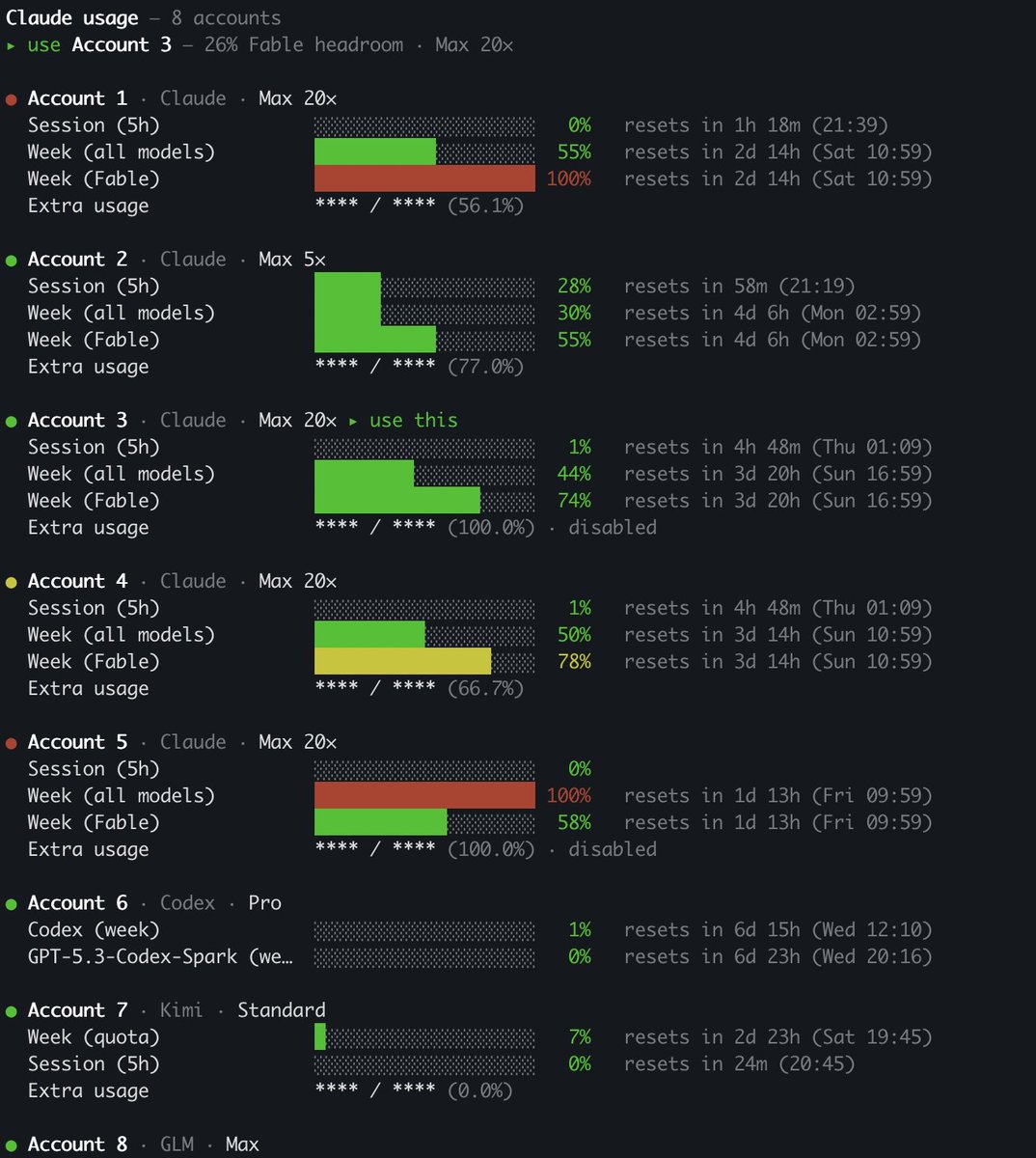
For now, I'm back on Claude Code with my $200 Max subscription. That's where the real building happens.
Congrats to the Anthropic team for showing what's possible. Now make it acce@ible. 🙌
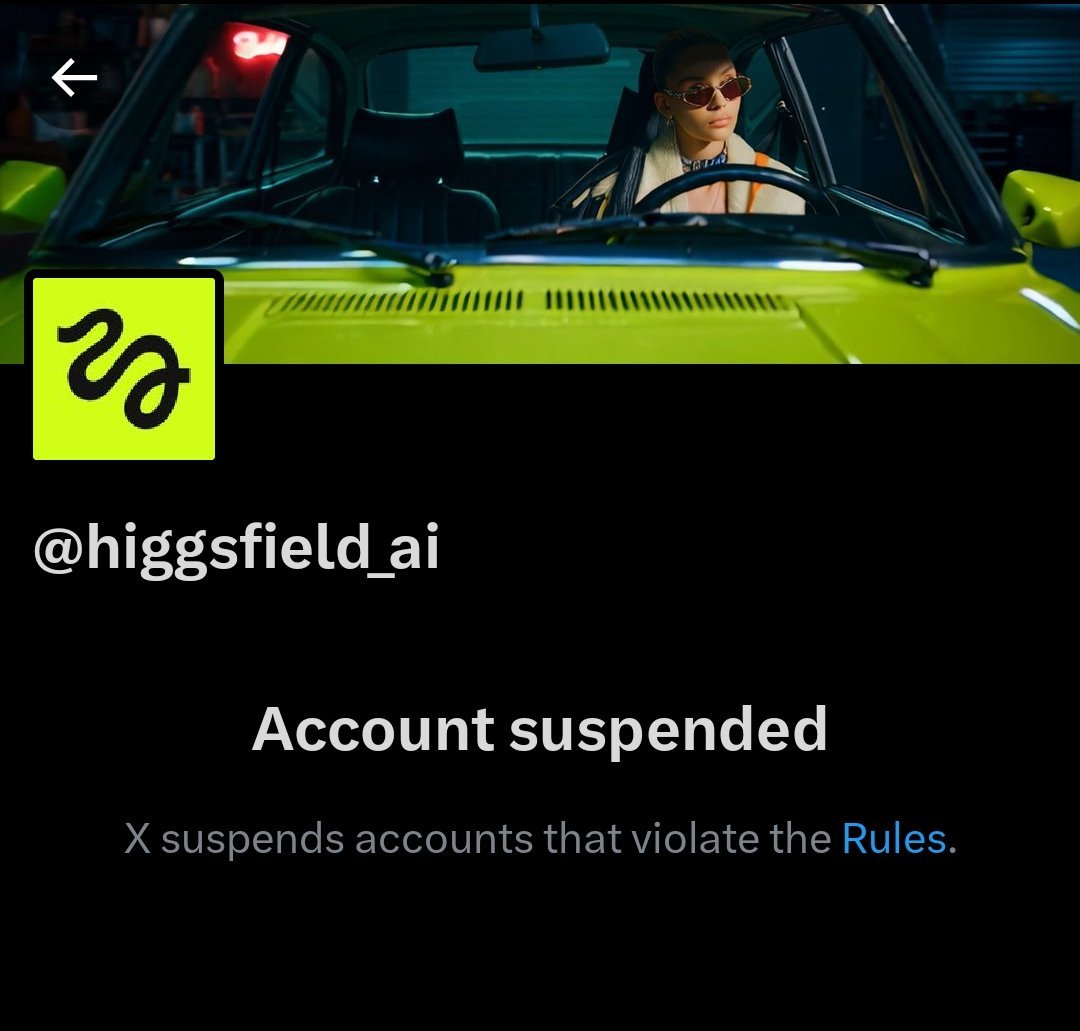
Higgsfield AI's X account just got suspended. 👀
I wish I could say I'm surprised, but I'm not.
Being viral is not a marketing strategy.
Rage bait is not brand building.
Celebrating job losses to farm engagement is not growth.
We're building in AI too. And I've learned one thing: in this space, trust compounds faster than hype.
I think I am missing something, or something is off 🤔
2015: Yemeksepeti acquired for $589M
2022: Getir valued at $11.8B
2026: Getir's delivery arm acquired by Uber for $335M
$11.8B → $335M in 4 years.
That's a 97% drop