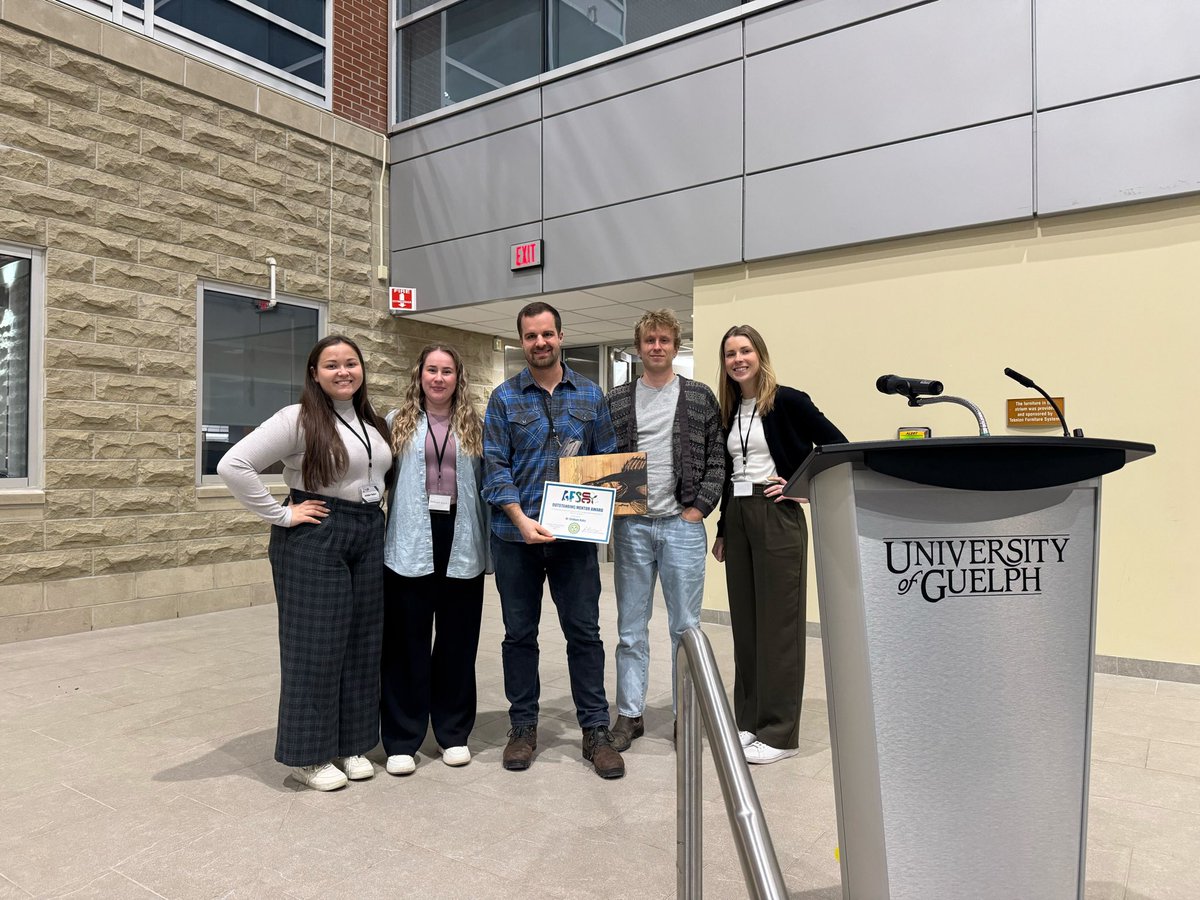
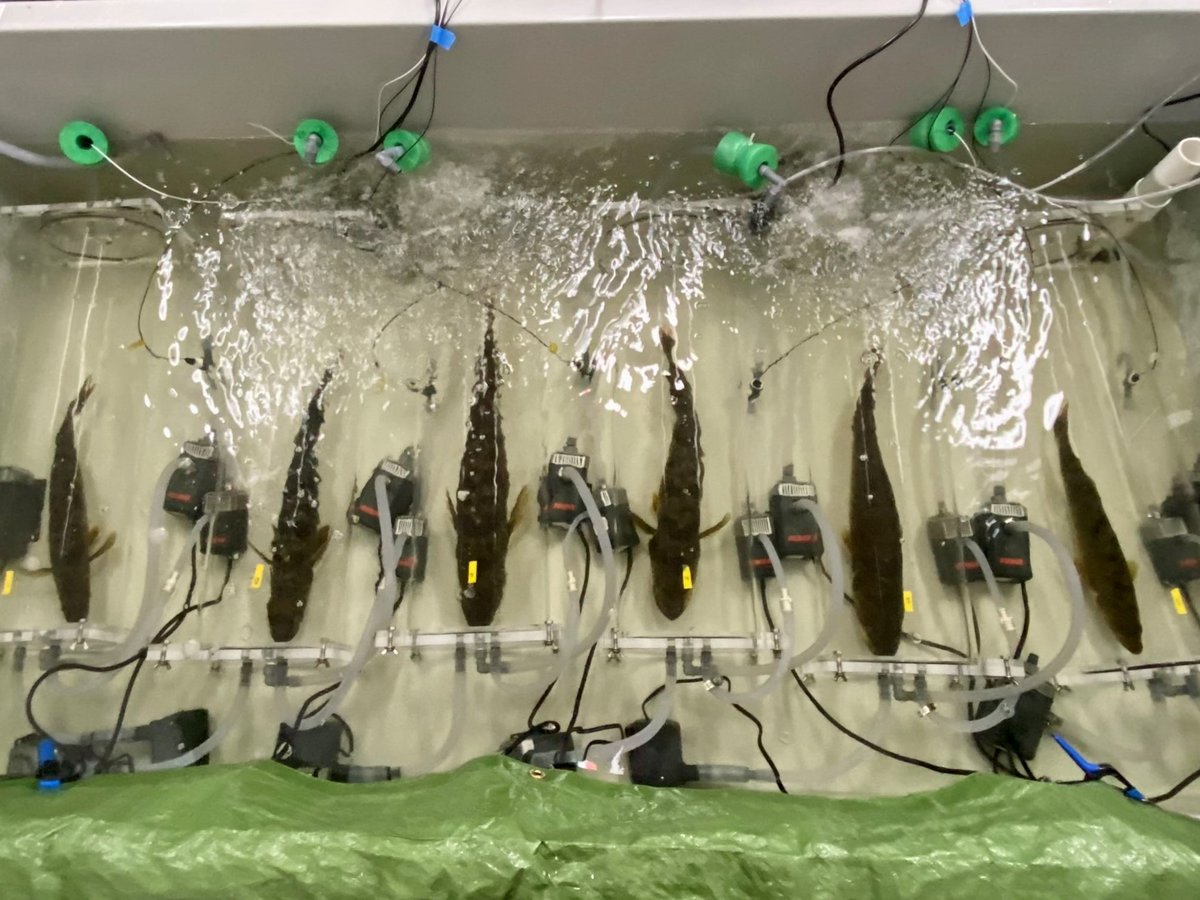
Back in the office today after another great midsommer trip to Kristineberg Marine Station to work with this beautiful group of troublemakers.
(Missing from this photo: the great and powerful @FredrikJutfelt.)
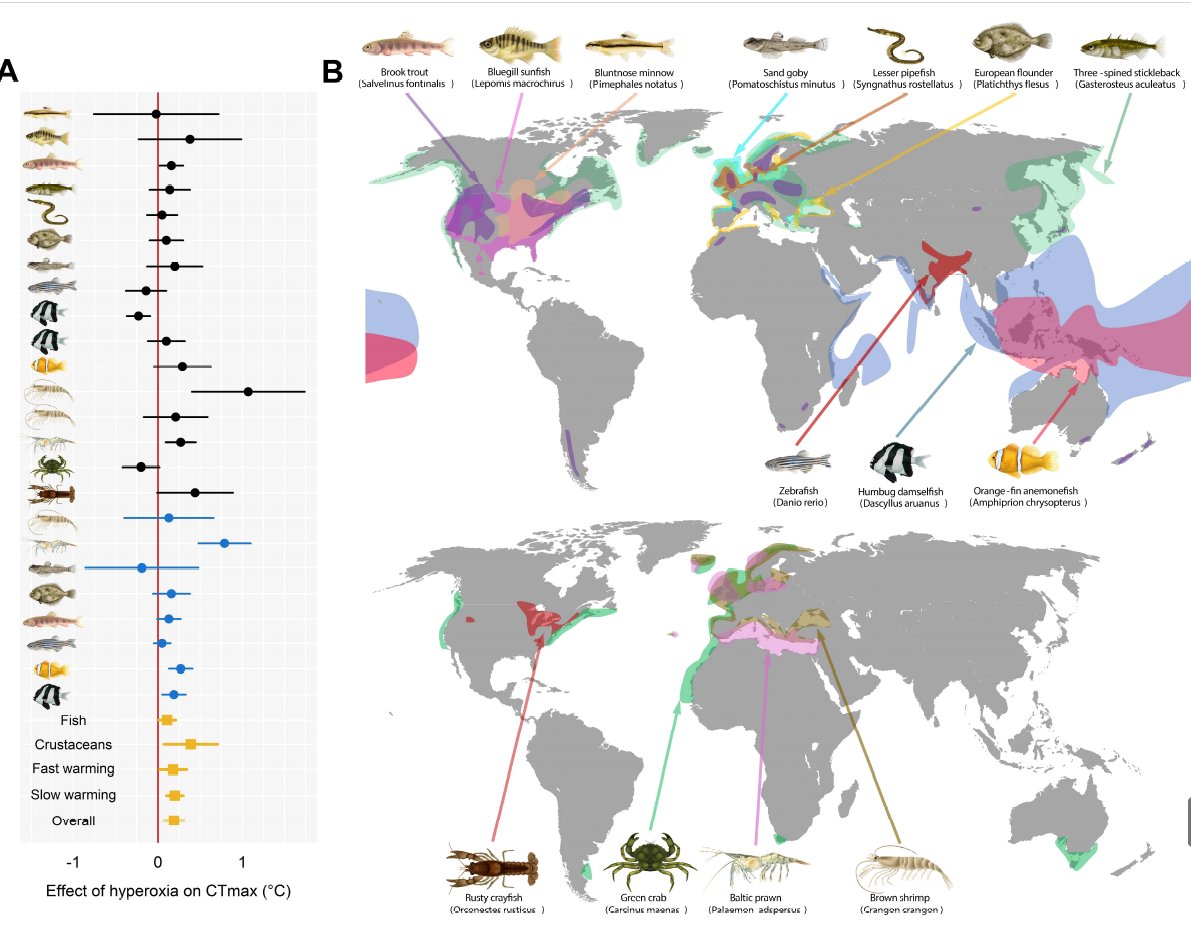
New preprint: environmentally-relevant levels of aquatic oxygen supersaturation do not offer a protective benefit to most ectotherms during acute warming. Big team of authors, 147 CTmax trials, 14 species (fish and crustaceans).
https://t.co/WTqgnXZjYA
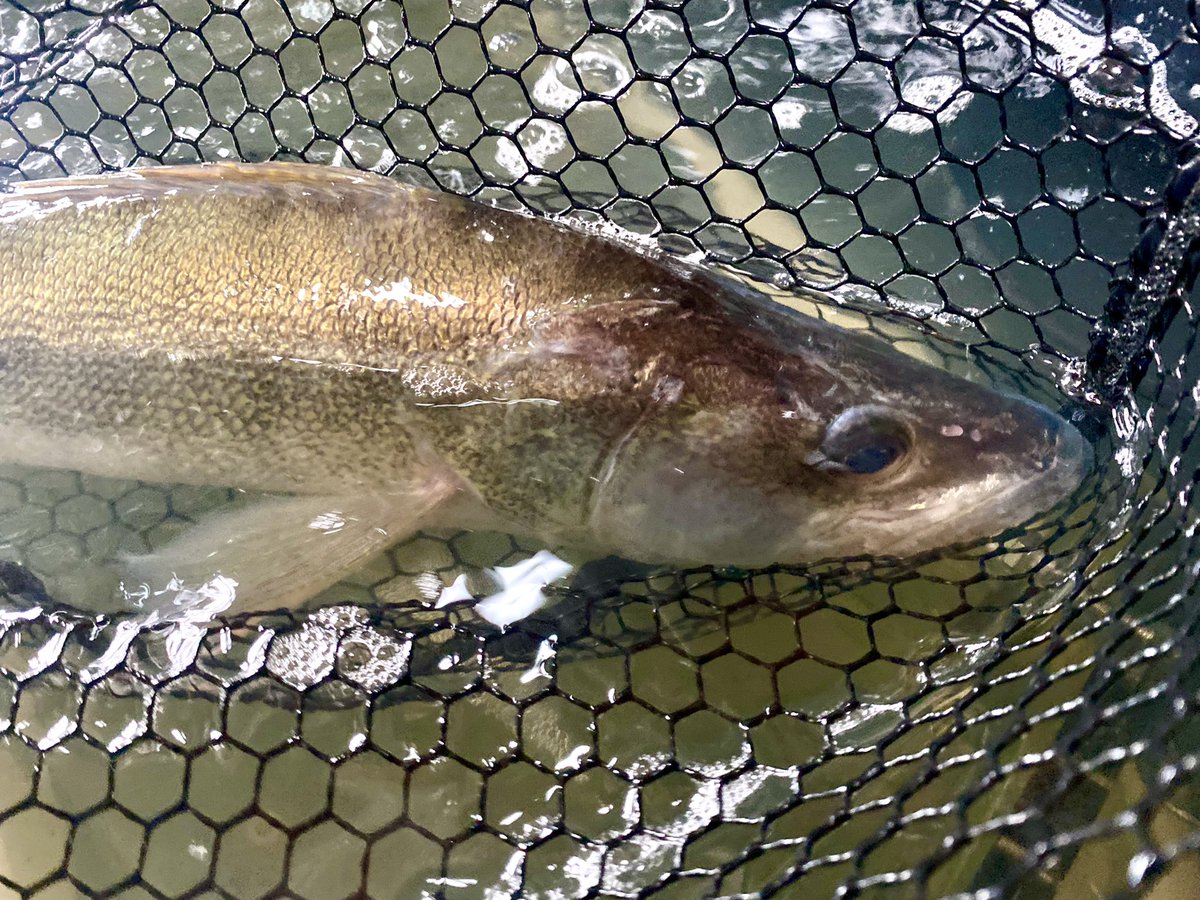
Yesterday was my final day of walleye respirometry, marking the end of data collection for my dissertation. Huge thank you to @WDHintz and his team for being the most wonderful hosts! @lakeeriecenter
Just out in Environmental Biology of Fishes! This paper is something to be proud of, we spent an incredible amount of time at some of Manitoba’s best lake trout fisheries.
https://t.co/kuhdTYoH2y
What are the effects of tagging on fishes?
Our review + meta-analysis explores intracoelomic tagging effects in fishes. We summarize the existing literature and examine the 2% rule using evidence from a broad representation of all published studies.
Preprint link below 🧵
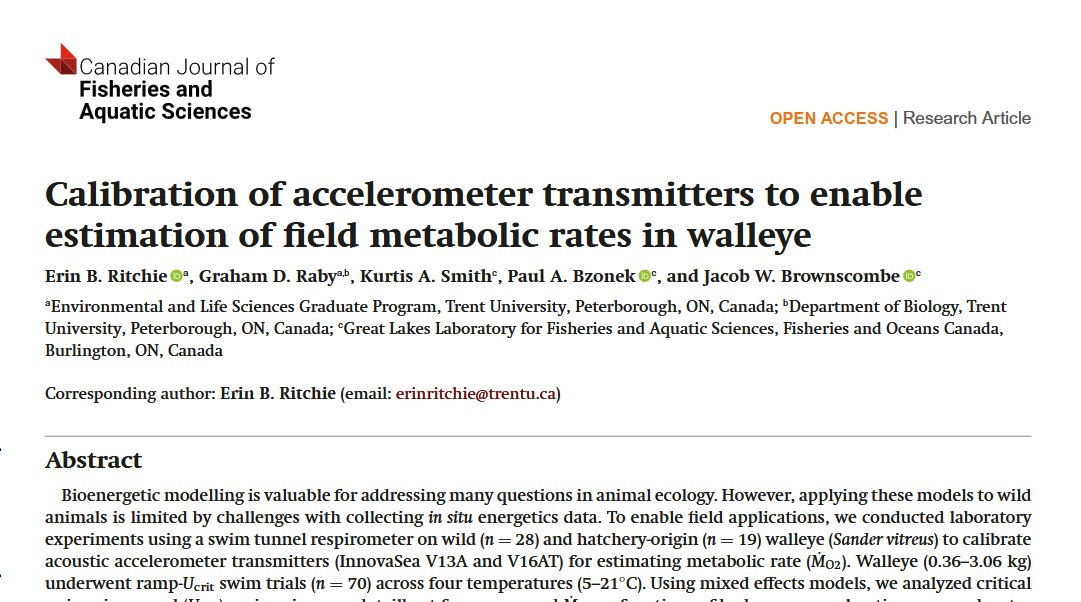
Now published open access in @cjfas. This one is for you nerds who like swim tunnel respirometry and accelerometer tags.
Led by @TrentUResearch MSc student @ErinRitchiee, work done at CCIW with @sci_angler from 2021-23.
Thanks to @LampreyControl for funding.
📣 Just published in @conphysjournal with @BowmanJacob_ , Chris Wilson, and @graham_raby
How much does upper thermal tolerance vary among wild populations of brook trout? What drives this variation? 🌡️
🧵 1/5
https://t.co/0lQbomQgYx
New pub! 🚨 We measured specific dynamic action and aerobic scope in adult walleye across a range of temperatures. Sex, body mass, and ration size had notable effects on the metabolic response to feeding. Some details below. https://t.co/SNWs7IKOK7
Overall, the efficiency of SDA (in proportion to the energy content of the meal) was highly conserved across temps, body masses, ration sizes, and sex. Walleye were highly efficient with an SDA coefficient of ~6%. This is much lower than we currently use in bioenergetics models.
This week Katelyn chats with Christian Bihun (@ChrisOnFish), a Ph.D. candidate at Trent University. Christian talks about his research aimed at refining the walleye bioenergetics model in Great Lakes populations.
https://t.co/pzULmzRO1O