Spatial-omics goes 3D🤗! Out at Cell @CellCellPress 👉🏼 We developed DISCO-MS with @labs_mann, a spatial proteomics technology for specimens fully imaged in 3D. DISCO-MS is aided by robotics and enables the study of diseases at their early stages. https://t.co/MyvXnnBDgL🧵👇
Check out Jennifer's article on optimal blocking of the cerebral cortex for cytoarchitectonic examination. We use a neuronavigation method to determine the most optimal sectioning angles for cyto studies based on the orientation of sulci @erikanolan16 🧠👇 https://t.co/TJpEN1DEri
Please, check out our latest preprint: "Deep topographic proteomics of a human brain tumour". Introducing a workflow for spatially resolved, quantitative proteomics of tissue that generates maps of protein expression. #spatialproteomics (https://t.co/EWAnPUM6Ju)
The preprint was already impressive but the final paper in @NatureBiotech is 🤩🤩
Whole brain imaging of a rhesus monkey at 1 × 1 × 2.5 µm3 voxel resolution. Combination or serial section and clearing. congrats Xu et al., Bi and Lau labs https://t.co/cRpZEXAoUK
For 20 years the reference human genome has had gaps and missing sequences. PacBio, Oxford Nanopore and a haploid human cell line to the rescue in the first complete human genome assembly! @aphillippy and a cast of many. https://t.co/0EwX2RuR8r
First human brain slice imaging results. 2 micron isotropic raw data, but fused with 8x down-sampling to render this video. Autofluorescence background with amyloid plaques in green!
Having a difficult time putting into words the feeling I had when I left the hospital after doing chest compressions on a coding young person who lost their fight with COVID, to see a normal packed Friday night at bars and restaurants...
On the Pfizer COVID-19 vaccine: publishing interim results through a press release is neither good scientific practice nor does it help to build public trust in vaccines. An announcement should come with full publication of a peer-reviewed research paper in a scientific journal.
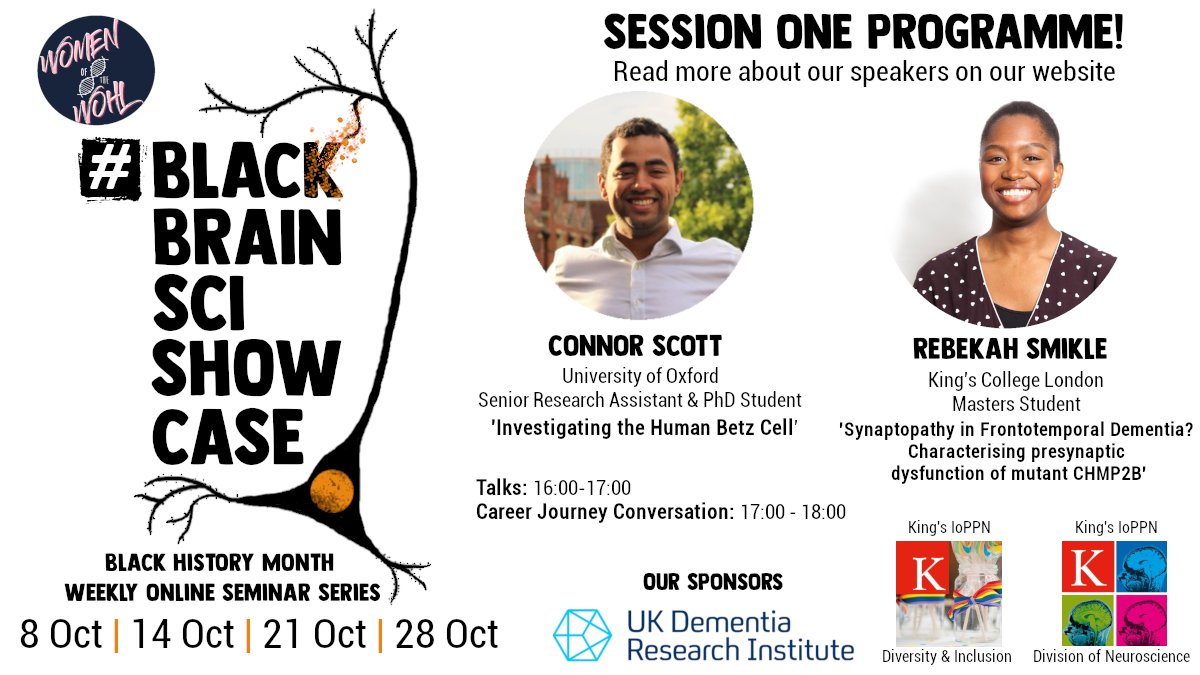
#BlackBrainSciShowcase 🧠 off to a fantastic start! Thanks @ConnorScott_OX & @rcsmikle for such honesty in sharing their experiences as researchers, some 🔥🔥🔥 advice and some incredible research! We'll be back next Wed with more speakers (TBC soon!👀) 1/2
Imaging neurons from a male who died in 79 AD from the eruption of Mount Vesuvius in Herculaneum! His neurons turned to glass and researchers were able to identify several proteins! 🤯🧠👩🔬
https://t.co/aEtH4Cg7Ji
We have 2 great talks tomorrow + 1hr Q&A discussion on all things neuro career journey!
Submit an anonymous Q➡️https://t.co/pNq4CVcxJx
Don't forget to REGISTER➡️https://t.co/0KyycCW68m
(due to our A level student guests we must ensure all attendees are from King's only!)
2/2
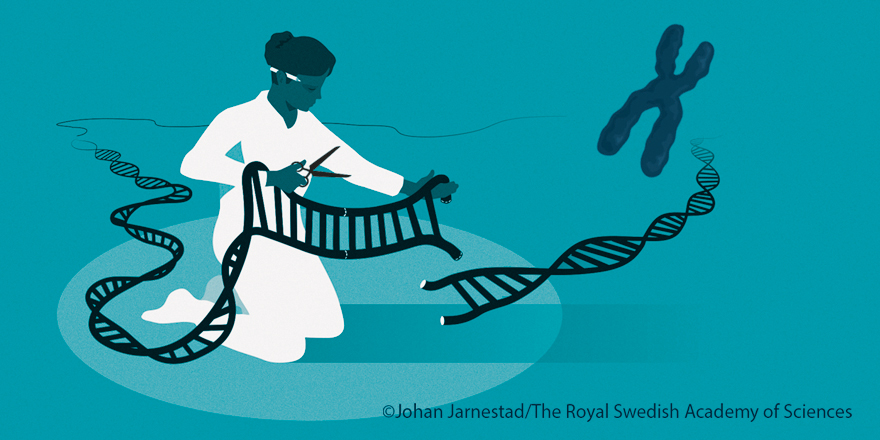
2020 Chemistry Laureates Emmanuelle Charpentier and Jennifer Doudna discovered one of gene technology’s sharpest tools: the CRISPR/Cas9 genetic scissors. Using these, researchers can change the DNA of animals, plants and microorganisms with extremely high precision.
#NobelPrize
In the UK the number of cases rose rapidly.
But the public – and authorities – are only learning this now because these cases were only published now as a backlog.
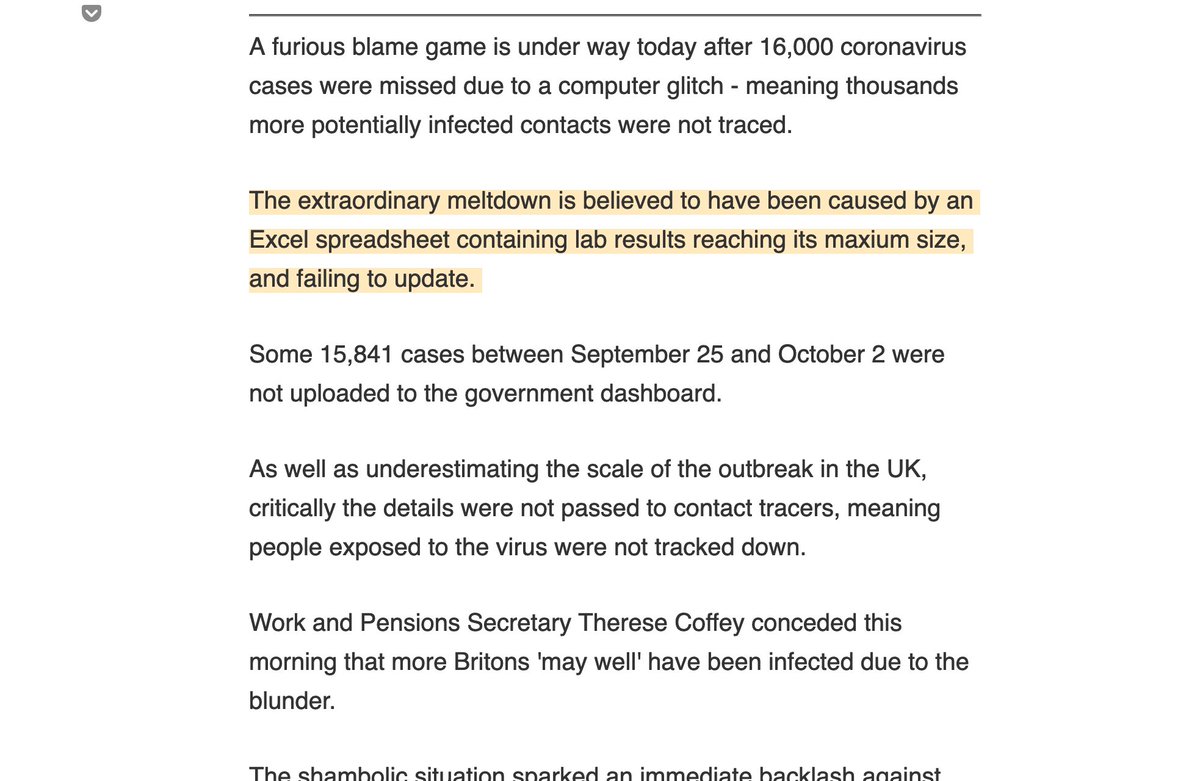
The reason was apparently that the database is managed in Excel and the number of columns had reached the maximum.